Explore films connected to The Thirteenth Floor through Reality and simulation, Identity and consciousness, Knowledge and control. Choose the qualities you want to carry into your next watch.
What should feel similar?
Find your next favourite
9 films · Closest overall matches
Hide films you’ve seen or don’t want. Saved on this device.
No matches for this combination yet.
Try another option or reset your choices to see more films.
Based on recorded story, mood and style. Your preferences can change the order.
Constructed reality
What changes The Thirteenth Floor: mystery-driven, gradual revelation and steady suspense. Existenz: testing a game becomes a further game whose boundaries neither player can confidently locate..
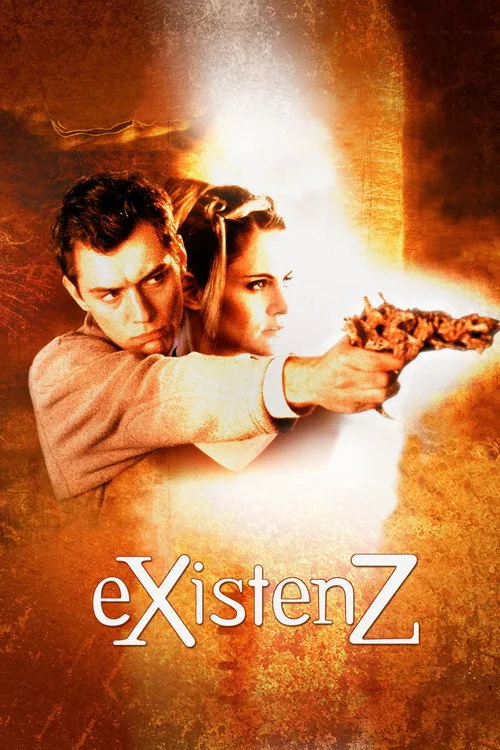
Game designer Allegra Geller presents her new virtual-reality game, eXistenZ, when an assassin attacks her at a demonstration. She escapes with marketing trainee Ted Pikul, and the pair enter the game through organic bio-ports and living consoles in order to determine whether its system has been damaged. As their nested game experiences become increasingly elaborate, Allegra and Ted struggle to tell scripted roles from their own motives. David Cronenberg’s science-fiction thriller makes play, technology, and bodily vulnerability difficult to separate.
Based on recorded story, mood and style. Your preferences can change the order.
Memory and identity · Investigation
What changes The Thirteenth Floor: mystery-driven, gradual revelation and steady suspense. The Signal: road-trip setup, mystery-driven middle and reality-questioning climax.
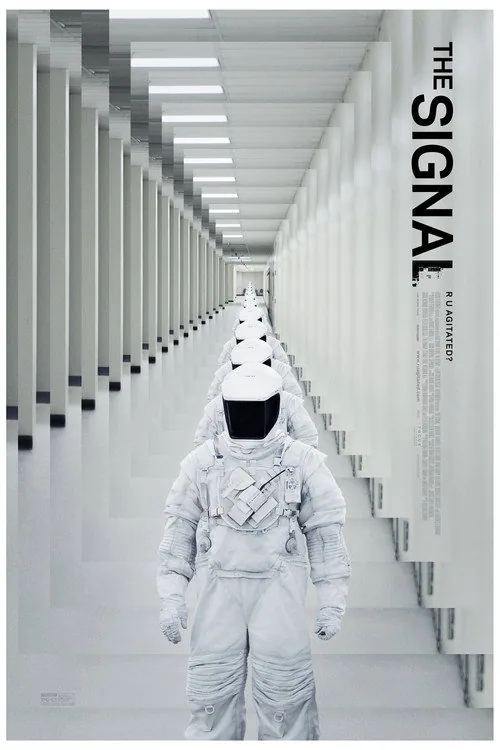
MIT students Nic, Jonah, and Hailey take a cross-country trip and track a mysterious hacker who has been contacting them online. Their search leads them to a remote location and an encounter that leaves Nic waking in a sterile research facility under the authority of Dr. Wallace Damon. As he tries to understand what happened and reach Hailey, he faces unanswered questions about his body, memory, and the world around him. William Eubank’s science-fiction thriller withholds explanations as part of its suspense.
Based on recorded story, mood and style. Your preferences can change the order.
Constructed reality
What changes The Thirteenth Floor: mystery-driven, gradual revelation and steady suspense. Ra.One: a game-world conflict spills into a family’s everyday life.
Game designer Shekhar creates a powerful antagonist for a new video game in hopes of impressing his son, Prateek. When the digital character escapes into the physical world, Shekhar’s family must rely on the game’s heroic counterpart to stop it. The science-fiction action comedy brings virtual rules into ordinary reality, connecting a father’s desire for approval with questions about artificial agency, technology, and responsibility.
Based on recorded story, mood and style. Your preferences can change the order.
Memory and identity
What changes The Thirteenth Floor: mystery-driven, gradual revelation and steady suspense. Paycheck: escalating and suspense-led.
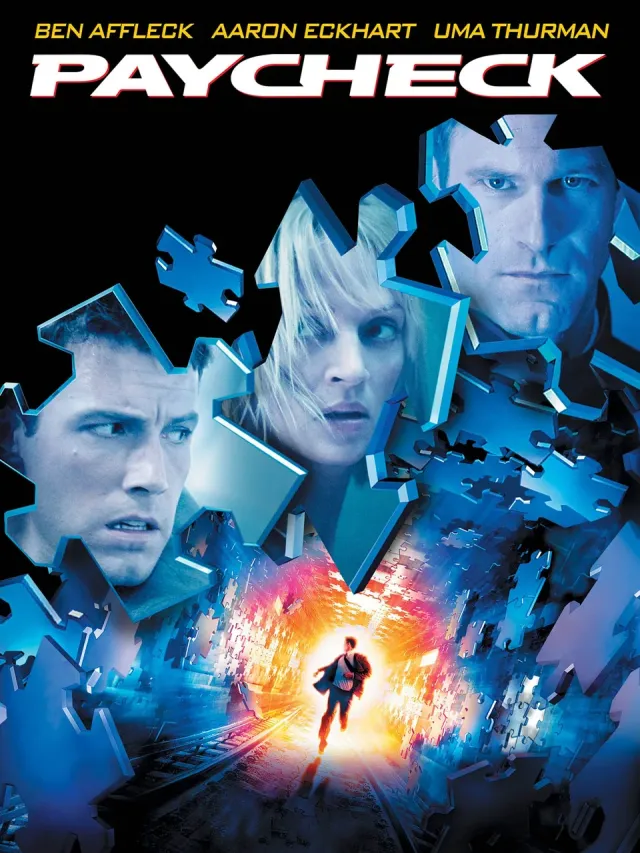
A reverse engineer wakes after a long contract with his memory erased and a collection of ordinary objects left as clues. As government agents and his former employer pursue him, he uses the objects to reconstruct what he agreed to do. The thriller turns a missing past into a problem of agency, asking whether foresight can protect people from their own choices. John Woo’s action staging and the object-based mystery combine brisk chases with a speculative premise.
Based on recorded story, mood and style. Your preferences can change the order.
Constructed reality · Investigation
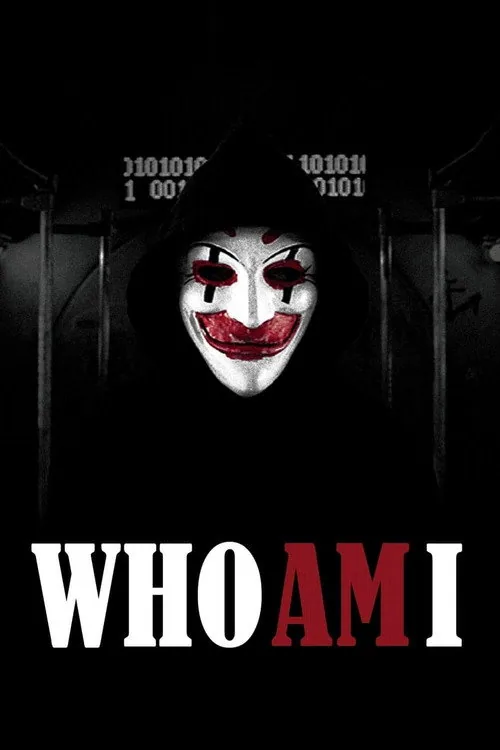
What changes The Thirteenth Floor: mystery-driven, gradual revelation and steady suspense. Who Am I – No System is Safe: rapid escalation, nonlinear framing and montage-heavy sequences.
Benjamin, a socially isolated Berlin hacker, joins a small group whose pranks and intrusions are meant to win the attention of an elusive underground celebrity. Their escalating attacks draw the attention of Europol and turn online bravado into a real-world manhunt. The story is presented through Benjamin's account during an interrogation, making the frame itself part of a techno-thriller concerned with performance, identity, and unreliable narration. Rapid editing and graphic computer interfaces externalize the group's online ambitions while leaving the audience to question how much of the tale is stable.
Based on recorded story, mood and style. Your preferences can change the order.
Constructed reality · Investigation
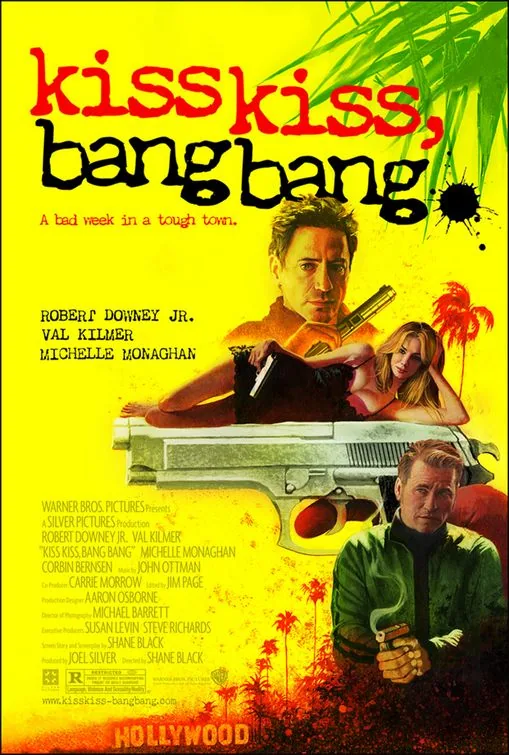
What changes The Thirteenth Floor: mystery-driven, gradual revelation and steady suspense. Kiss Kiss Bang Bang: snappy and twisty.
A small-time thief is mistaken for an actor and sent to Hollywood, where he trains with a private investigator while preparing for a role. A suspicious death pulls the unlikely pair into a murder case whose clues keep turning against their expectations. The crime comedy uses narration, mistaken identity and self-aware genre jokes to make Hollywood performance part of the mystery itself.
Based on recorded story, mood and style. Your preferences can change the order.
Constructed reality
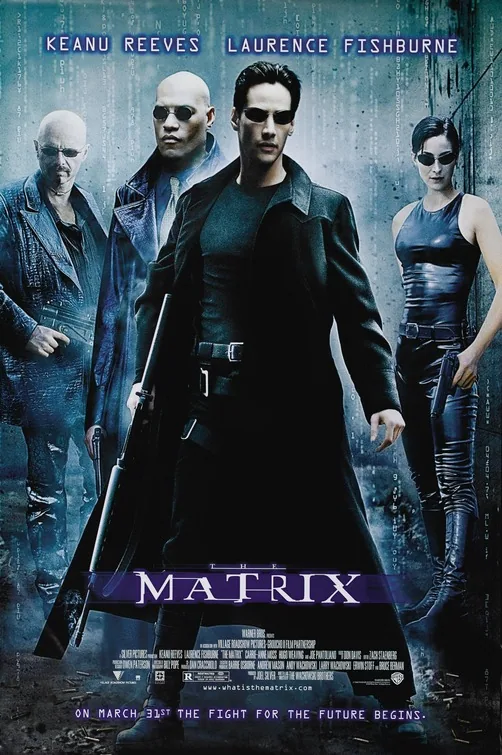
What changes The Thirteenth Floor: mystery-driven, gradual revelation and steady suspense. The Matrix: fast.
A computer programmer troubled by the sense that ordinary reality is concealing something follows an underground group offering an explanation. Discovering a system that keeps human beings under machine control requires him to learn unfamiliar physical rules and reconsider his own identity. A mentor's faith and a prediction about his role place private uncertainty inside an organised resistance facing betrayal and overwhelming force.
Based on recorded story, mood and style. Your preferences can change the order.
Memory and identity · Investigation
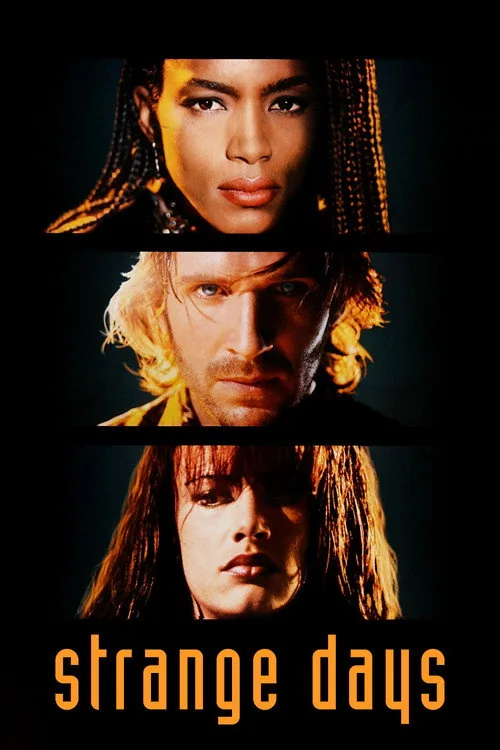
What changes The Thirteenth Floor: mystery-driven, gradual revelation and steady suspense. Strange Days: propulsive, investigation-led and escalating.
As Los Angeles approaches the end of 1999, former police officer Lenny Nero makes a living selling illegal recordings captured through a device that lets users experience another person’s memories and sensations. His trade exposes him to intimate fears and fantasies, while a disturbing recording connected to the murder of a Black activist pulls him into a wider conspiracy. With help from bodyguard and driver Mace, Lenny navigates a city on edge and confronts the consequences of turning private experience into a commodity.
Based on recorded story, mood and style. Your preferences can change the order.
Memory and identity · Investigation
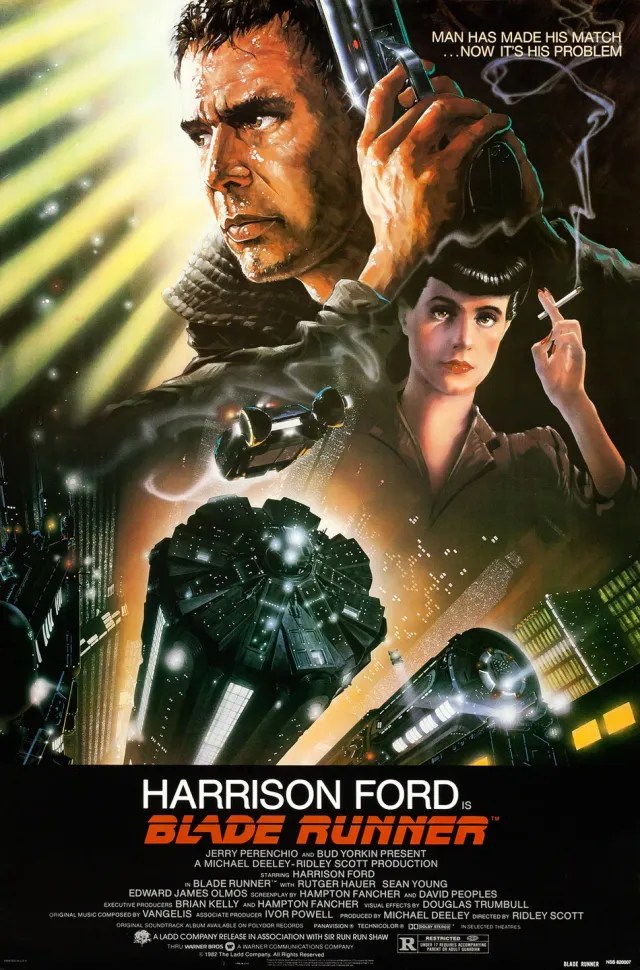
What changes The Thirteenth Floor: mystery-driven, gradual revelation and steady suspense. Blade Runner: slow burn.
A former police specialist is assigned to find artificial humans who have returned illegally to a crowded, polluted Los Angeles. Investigating their brief lives and meeting an artificial woman who believes she is human complicates his professional categories. The pursuit places manufactured memories, mortality and the desire for more life inside a city whose human institutions show little obvious compassion.
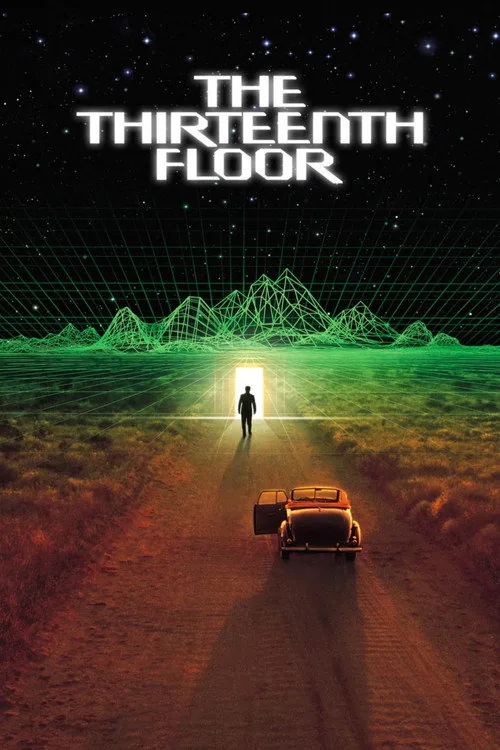
In 1999 Los Angeles, computer scientist Douglas Hall is suspected of murdering his mentor, Hannon Fuller, who has recently completed a simulated version of 1937 Los Angeles. Hall investigates the crime by entering the virtual world, where its inhabitants appear unaware they are computer-generated. As evidence destabilizes his confidence in his own reality, the mystery expands into questions about who is observing whom and whether the simulation can contain a world of its own. The science-fiction thriller uses noir investigation to examine simulated consciousness, identity, and nested realities.
What drives the story
Hall’s search for his murdered mentor exposes a computer simulation whose inhabitants and creators may each question their reality.
The people at its centre
Hall’s professional loyalty turns into a personal crisis as Jane and his colleagues reveal competing motives and levels of knowledge.
What it feels like
The film combines a murder investigation with philosophical science fiction, using familiar noir conventions to deliver its reality-shifting premise.
Worth knowing
Its speculative focus is a layered computer simulation and simulated consciousness, rather than time travel or an artificial-intelligence uprising.
Reality and simulationIdentity and consciousnessKnowledge and control