Both share themes of justice, plus a wry atmosphere.
Why this matches +
Genres: Comedy / Action
Shared film traits
Based on recorded story, mood and style. Your preferences can change the order.
Investigation
What changes The Thursday Murder Club: conversational, clue-led and lightly suspenseful. Starsky & Hutch: episodic and action-driven.
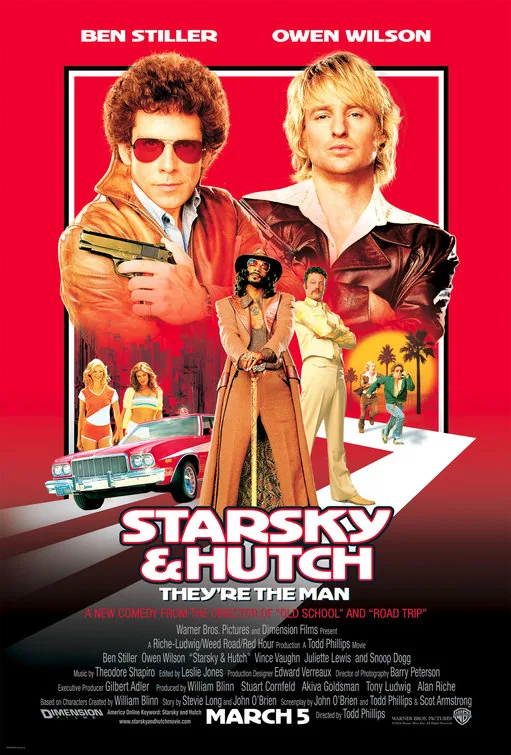
Two mismatched police officers are paired after a murder investigation draws them into the world of a wealthy businessman and his criminal operation. Their new partnership begins with friction, but a shared case gradually gives them a working rhythm and a clearer sense of what each contributes. The comedy turns a police investigation into a buddy story about trust, with retro style and deliberately broad humor shaping the action.
Based on recorded story, mood and style. Your preferences can change the order.
Investigation
What changes The Thursday Murder Club is tagged wry and companionable; The Sheep Detectives is tagged whimsical and clever.
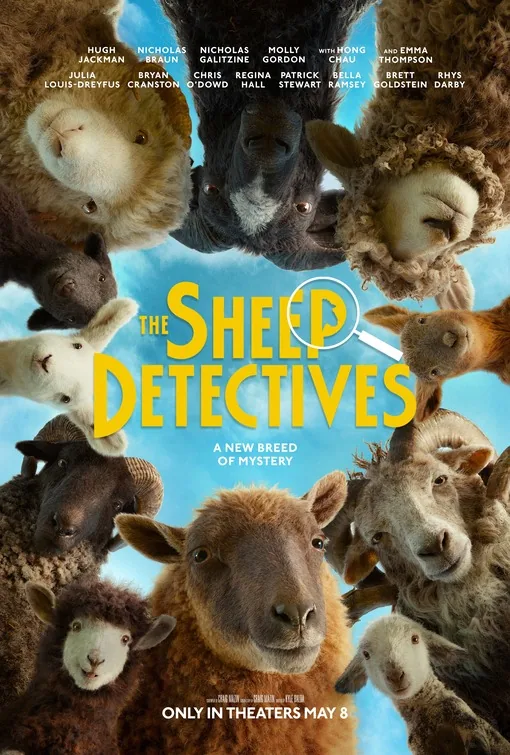
A shepherd reads murder mysteries aloud to his sheep each night, assuming the animals cannot understand. When he is found dead, the flock recognizes that a real crime has taken place and sets out to solve it. Their knowledge of detective stories gives them confidence, but investigating human suspects reveals a world more complicated than the books they have heard.
Based on recorded story, mood and style. Your preferences can change the order.
Investigation
What changes The Thursday Murder Club: conversational, clue-led and lightly suspenseful. Raatchasan: case-driven progression, pursuit and clue sequences and high-intensity reveal.
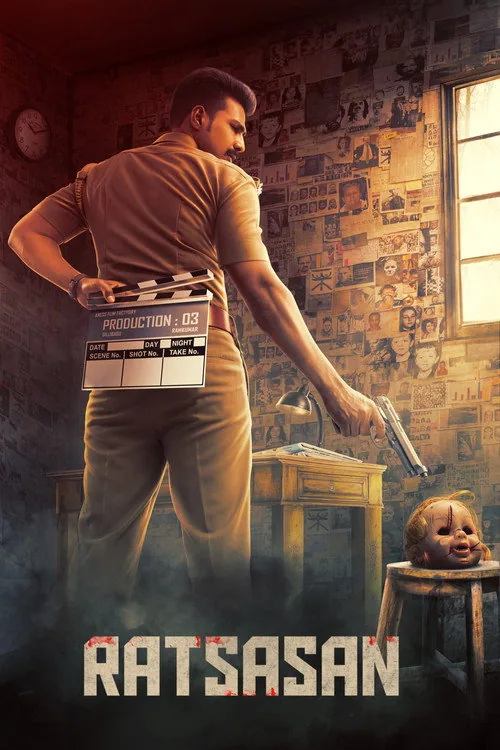
Aspiring filmmaker Arun gives up his plans and joins the Tamil Nadu police, where he is drawn into a case involving the brutal murders of schoolgirls. His interest in serial-killer psychology helps him notice patterns that colleagues miss, but each clue raises danger for his family and for a young girl close to him. The Tamil thriller pairs procedural investigation with a personal pursuit, building suspense through disguises, shifting suspects, and Arun's effort to turn imaginative thinking into police work.
Both share themes of community, plus a wry and intriguing atmosphere.
Why this matches +
Genres: Mystery / Crime
Shared film traits
Based on recorded story, mood and style. Your preferences can change the order.
Investigation
What changes The Thursday Murder Club: conversational, clue-led and lightly suspenseful. Wake Up Dead Man: puzzle-box revelation structure.
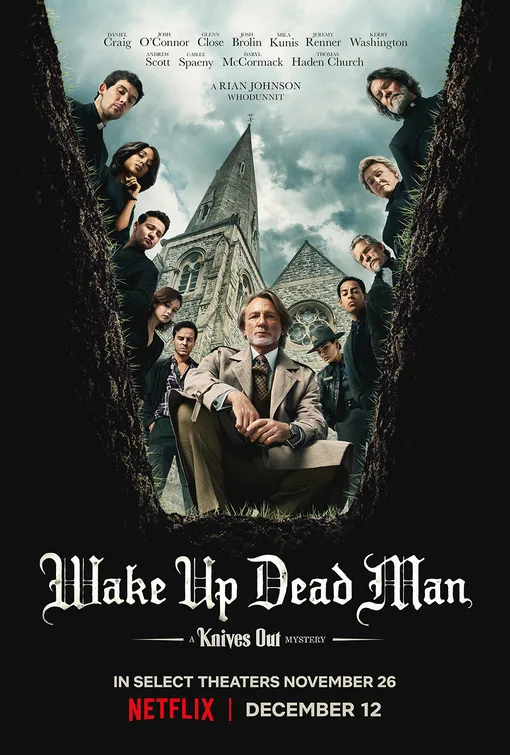
In a small parish led by the forceful Monsignor Wicks, young priest Jud Duplenticy encounters a community marked by resentment and competing loyalties. After a murder unsettles the congregation, detective Benoit Blanc investigates a mystery whose suspects include people with distinct ties to the church. The third Knives Out film returns to a closed-circle puzzle, using faith, authority and public reputation as part of its social landscape.
Based on recorded story, mood and style. Your preferences can change the order.
Investigation
What changes The Thursday Murder Club: conversational, clue-led and lightly suspenseful. Se7en: slow burn.
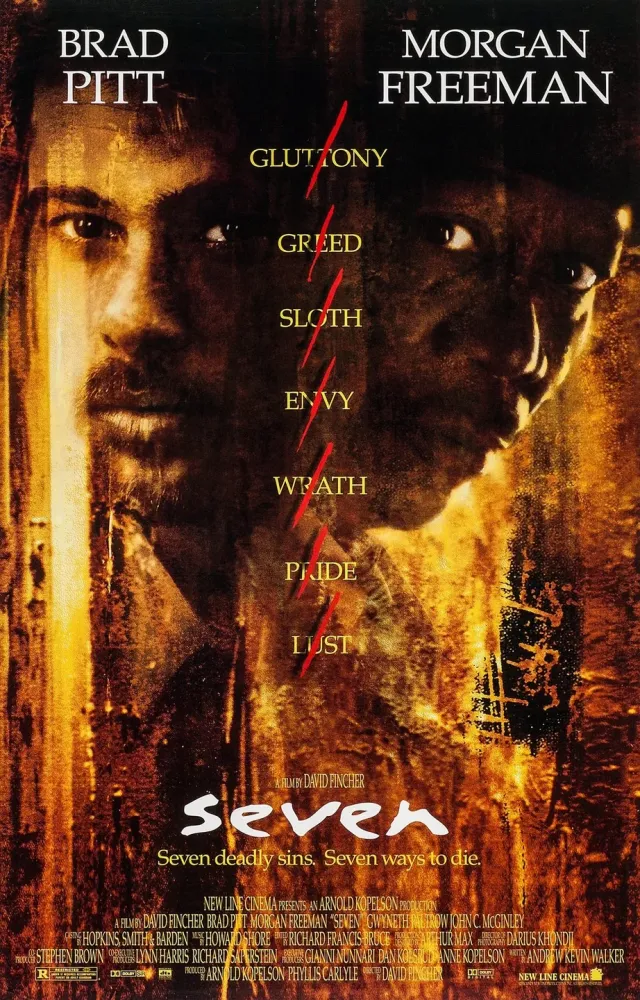
A weary detective approaching retirement and an impatient younger partner investigate killings arranged around a moralising pattern. Each crime scene expands the sense that their unseen opponent is treating the city as both evidence and audience for a private doctrine. Their work exposes different responses to pervasive cruelty, while the intrusion of the case into ordinary hopes for a home makes professional distance increasingly difficult to maintain.
Based on recorded story, mood and style. Your preferences can change the order.
Investigation
What changes The Thursday Murder Club: conversational, clue-led and lightly suspenseful. Murder by Death: brisk, puzzle-driven and episodic.
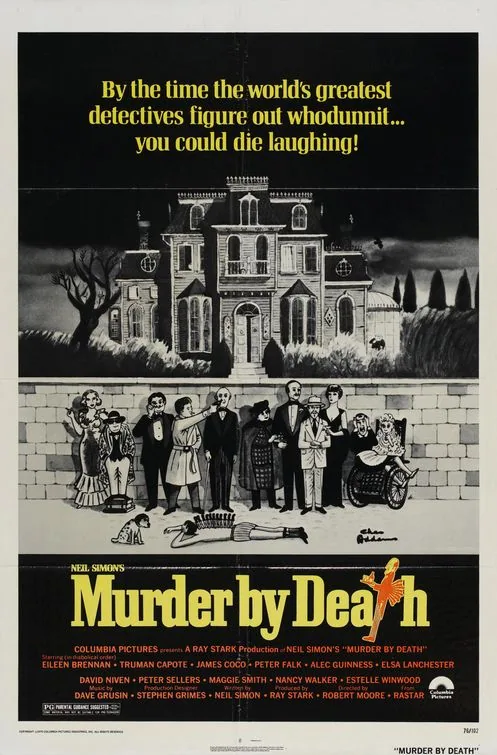
A collection of famous fictional detectives and their companions accept a weekend invitation to an isolated mansion from Lionel Twain. He announces that a murder will occur at midnight and promises a large reward to whoever solves it. As the house locks down, corpses, traps and contradictory clues turn the contest into a parody of classic sleuths and their methods. The guests must decide whether the puzzle is real, staged or another performance by their host.
Based on recorded story, mood and style. Your preferences can change the order.
Investigation
What changes The Thursday Murder Club: conversational, clue-led and lightly suspenseful. In the Shadow of the Moon: decades-spanning structure and clue-driven escalation.
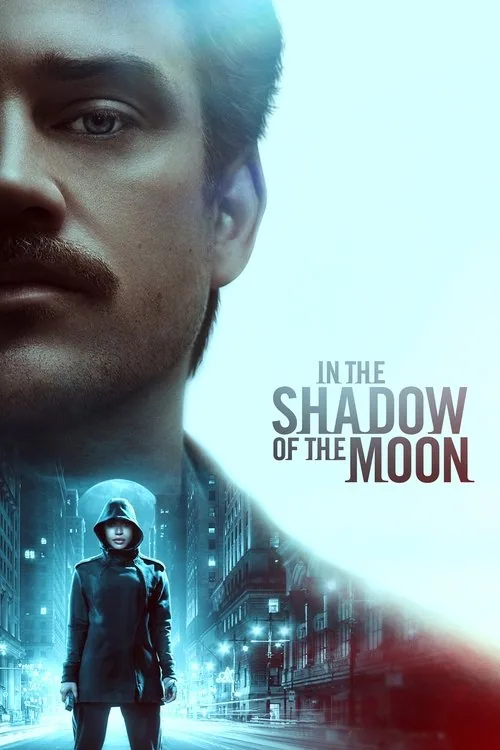
In 1988 Philadelphia, police officer Thomas Lockhart becomes fixated on a series of murders whose victims appear to die from inexplicable neurological injuries. A mysterious woman is linked to the attacks, but she vanishes and reappears years later with the same apparent age. As Lockhart returns to the case across decades, the investigation strains his career and family life. Jim Mickle’s science-fiction crime thriller blends serial-murder investigation with time-travel speculation and asks what happens when a detective’s pursuit of one explanation begins to consume his life.
Based on recorded story, mood and style. Your preferences can change the order.
Investigation
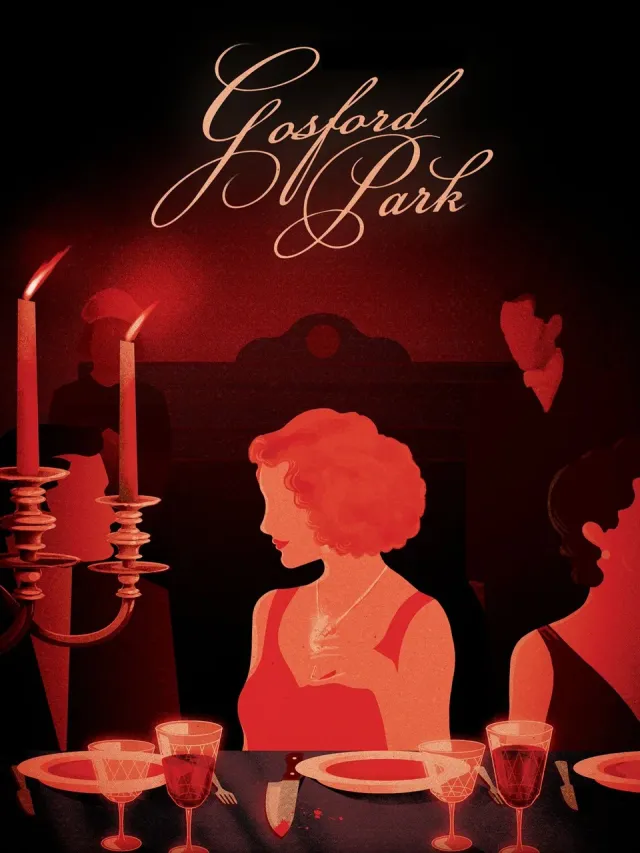
What changes The Thursday Murder Club: conversational, clue-led and lightly suspenseful. Gosford Park: measured and episodic.
Guests and servants gather at an English country estate where a shooting weekend concentrates private debts, dependencies and resentments. A murder appears to offer a conventional mystery, but the people maintaining the household often understand more than the authorities who arrive to solve it. Movement between social levels reveals how service depends on anticipating needs while suppressing one's own history. The ensemble drama makes the explanation of a death part of a wider account of exploitation, with emotional recognition emerging outside the official investigation.
Based on recorded story, mood and style. Your preferences can change the order.
Investigation
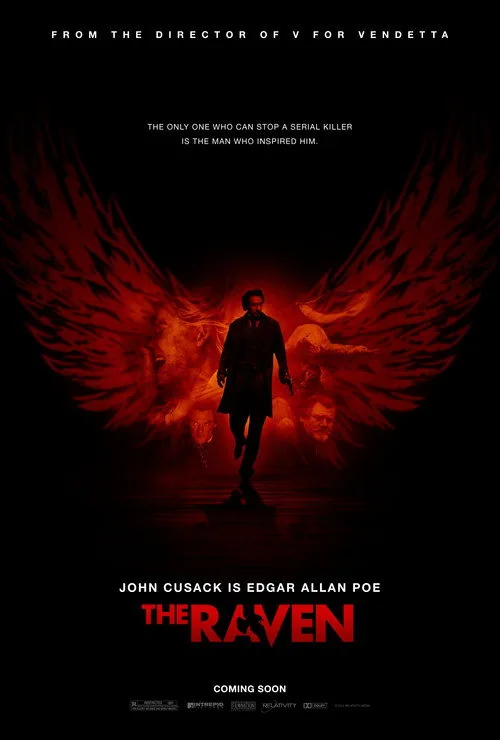
What changes The Thursday Murder Club is tagged wry and companionable; The Raven is tagged gothic and suspenseful.
In nineteenth-century Baltimore, detective Emmett Fields investigates murders staged to resemble stories by Edgar Allan Poe. Poe joins the inquiry when the crimes become personal and a killer abducts his beloved Emily, demanding that he write a new story. The detective and writer follow literary clues through the city while trying to anticipate the next crime. James McTeigue’s fictional thriller uses Poe’s work as a template for a historical serial-killer chase and draws atmosphere from the author’s final years.
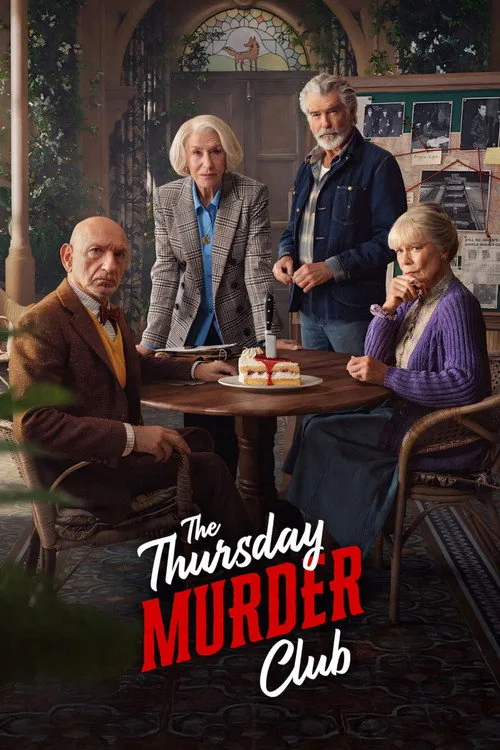
At Coopers Chase retirement village, four residents meet weekly to examine unsolved murders. Retired nurse Joyce joins former union leader Ron, psychiatrist Ibrahim, and enigmatic Elizabeth as they revisit an old killing and build a relationship with local officer Donna. Their amateur inquiry becomes urgent when a developer involved in a redevelopment dispute is murdered. The group’s life experience, curiosity, and differing temperaments complicate the police investigation in this ensemble crime comedy adapted from Richard Osman’s novel.
What drives the story
Four retirement-village friends investigate an old murder while a new killing disrupts their community and its future.
The people at its centre
Joyce, Ron, Ibrahim, and Elizabeth contribute different professional habits, turning friendship into a collaborative investigative method.
What it feels like
Includes murder, death, grief, and references to aging and serious illness, presented within a comic mystery tone.
Worth knowing
The sleuths’ age and shared residence shape access to clues, giving the cozy mystery an ensemble community focus.
AgeCommunityJustice
Mood
Wry · Companionable · Intriguing
Pacing
Conversational · Clue-led · Lightly suspenseful
Visual style
English country-house elegance · Ensemble staging · Comforting interiors
Storytelling
Amateur sleuthing · Cold-case inquiry · Retirement community