A bachelor takes in a young boy and finds that the arrangement requires more care than he expected.
Why this matches +
Selected for the central appeal: A wealthy child's unlikely arrangement with an unemployed adult exposes parental neglect and class privilege.
Genres: Comedy
Shared film traits
Based on recorded story, mood and style. Your preferences can change the order.
What changes An immature adult unexpectedly cares for a child and learns responsibility; a warmer custody comedy.
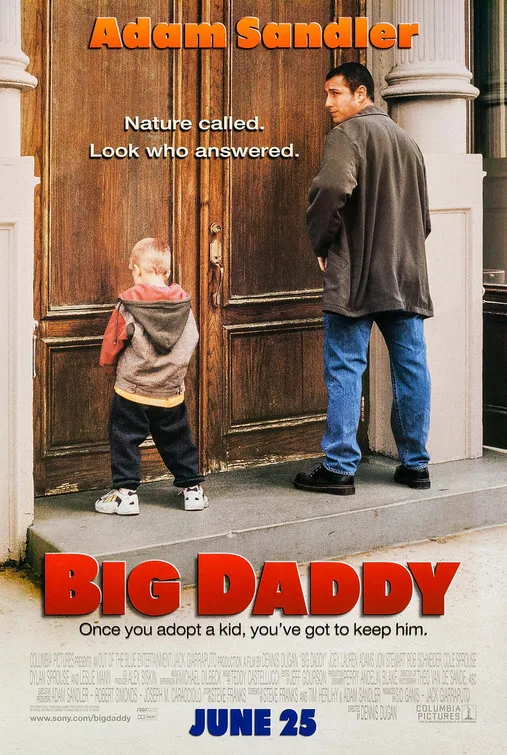
A carefree New Yorker suddenly takes responsibility for a five-year-old boy and initially sees the arrangement as a way to impress the women in his life. The child changes the routine of his apartment, his social reputation, and his ideas about adulthood. As their friendship becomes genuine, the man must decide whether he will accept the difficult obligations that come with being the boy's dependable parent.
A young woman hired to care for a serious child discovers that the job requires her to become more dependable and attentive.
Why this matches +
Selected for the central appeal: A wealthy child's unlikely arrangement with an unemployed adult exposes parental neglect and class privilege.
Genres: Comedy / Drama
Shared film traits
Based on recorded story, mood and style. Your preferences can change the order.
What changes An irresponsible adult and a privileged child form an unlikely caregiving bond; a nanny relationship rather than a purchased companion.
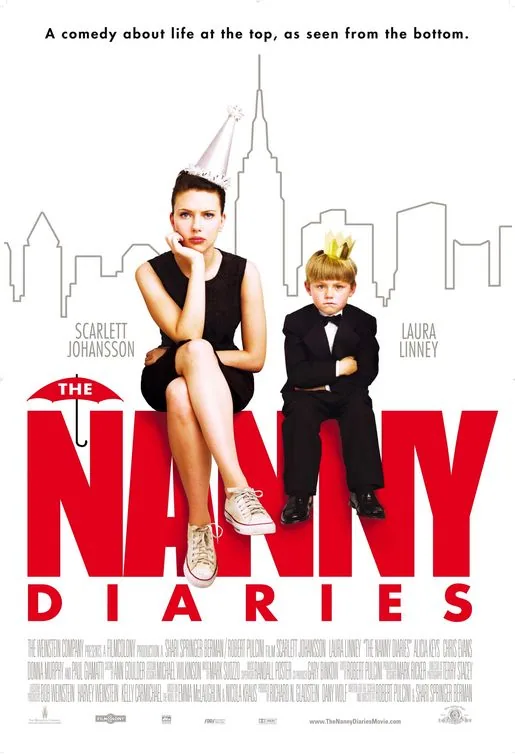
A wealthy young woman whose carefree life has been disrupted by loss takes a job caring for a guarded child from a very different household. Their initially awkward arrangement becomes reciprocal: the adult learns to take responsibility while the child gradually risks trusting her. The film uses an unlikely caregiving bond to explore grief and maturity, with New York settings and comic contrasts softening its more vulnerable emotional turns.
The nanny job gives Annie financial footing while requiring her to navigate a family’s expectations and her own uncertain plans.
Why this matches +
Selected for the central appeal: A wealthy child's unlikely arrangement with an unemployed adult exposes parental neglect and class privilege.
Genres: Comedy / Drama
Shared film traits
Based on recorded story, mood and style. Your preferences can change the order.
What changes A hired caregiver discovers a wealthy child's emotional needs and the limits of privilege; follows a young female nanny.
A recent college graduate takes a nanny job for a wealthy Manhattan family while unsure what work she wants to do or how to define her own future. Her duties grow to include managing the household’s emotional needs, and she becomes close to the young boy in her care. The story uses the job to examine privilege, invisible labor and the difference between performing a role and choosing a life.
A baby forces three carefree roommates to build a shared routine, while a mistaken delivery brings an outside threat into their home.
Why this matches +
These offer a related experience with a meaningful difference in story, tone, or presentation.
An adjacent discovery: a related idea with a different viewing experience.
Genres: Comedy / Family
Shared film traits
Based on recorded story, mood and style. Your preferences can change the order.
What changes Unprepared adults learn to care for a child through comic mishaps; an infant and three bachelors.
Three Manhattan bachelors find their routines overturned when baby Mary appears at their apartment with a note that connects her to Jack, who is away. Peter and Michael begin caring for her without much experience, and Jack returns to a household that has changed around an infant. The comic domestic adjustment is complicated by the arrival of dangerous men searching for a package, turning an improvised parenting arrangement into a light crime caper as well as a story about responsibility.
Mentoring changes both adults and kids, but the film lets their needs remain distinct rather than turning either side into a simple lesson.
Why this matches +
These offer a related experience with a meaningful difference in story, tone, or presentation.
An adjacent discovery: a related idea with a different viewing experience.
Genres: Comedy
Shared film traits
Based on recorded story, mood and style. Your preferences can change the order.
What changes Irresponsible adults form unexpected bonds with children through reluctant mentoring; a community program rather than a wealthy household.
After a public meltdown, two salesmen are sentenced to community service mentoring kids in a youth program. Their mismatched pairings force them to spend time with children whose worlds differ from their own. The comedy lets personal growth emerge through reluctant attention rather than through a polished inspirational speech. Crude humor and offbeat character pairings soften into a sincere ensemble story about responsibility.
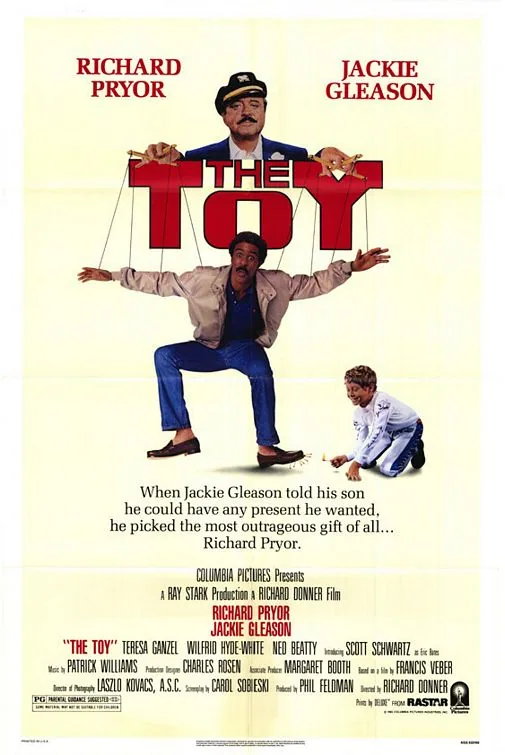
When an affluent businessman gives his son access to a department store, the boy chooses an unemployed journalist as a living companion and the adult accepts the arrangement out of financial need. Their unlikely time together exposes class privilege and parental absence, while the boy's mother and the journalist's family complicate the easy assumption that money can purchase attention, affection, or a substitute for responsible care.
What drives the story
A child hires an adult companion, and their awkward arrangement reveals a household where wealth has displaced parental attention.
The people at its centre
The journalist's practical motives soften into friendship, while his own family makes clear what Eric's money cannot supply.
What it feels like
Broad comic situations give the story a gentle emotional center about the limits of purchasing companionship.
Worth knowing
Its central relationship is an adult-child friendship under class pressure, not a workplace comedy about career change.
Class and privilegeParenthoodCompanionship
Mood
Comic · Warm · Uneasy
Pacing
Episodic · Steady
Visual style
Bright domestic comedy · Wealthy interiors
Storytelling
Class satire · Unlikely friendship · Family comedy