Both share themes of sport, plus an energetic and warm atmosphere.
Why this matches +
Genres: Comedy / Sports
Shared film traits
Based on recorded story, mood and style. Your preferences can change the order.
Sport and competition · Family and care
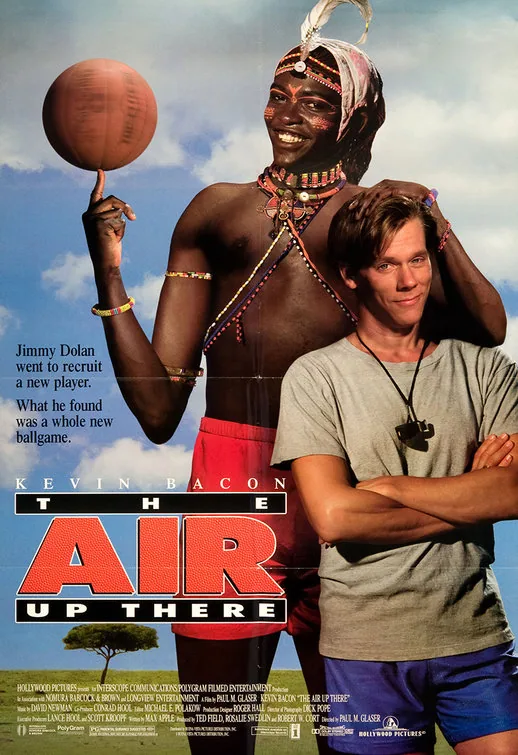
What changes The Underdoggs: brisk, episodic and game-centered. The Air Up There: recruitment comedy develops into a local competition and a decision shaped by family and community.
College basketball assistant Jimmy Dolan sees a videotape of Saleh, a gifted player in a Kenyan village, and travels there hoping to recruit him for his university team. Jimmy’s plan meets resistance from Saleh’s father, who leads the community, and from local priorities that do not revolve around an American coach’s career. As Jimmy learns the rhythms and expectations of the village, Saleh’s talent becomes tied to a local basketball contest and a question about what future he wants. The sports comedy follows Jimmy’s shift from treating Saleh as a recruiting opportunity to understanding the people and responsibilities surrounding him.
Based on recorded story, mood and style. Your preferences can change the order.
Sport and competition
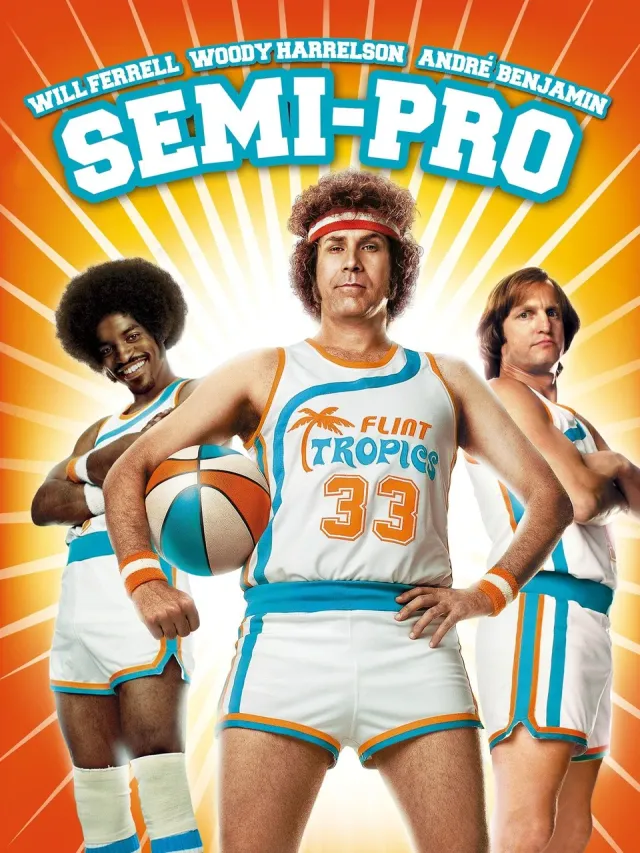
What changes The Underdoggs: brisk, episodic and game-centered. Semi-Pro: training-to-competition and episodic.
A player-coach of a struggling American Basketball Association team tries to keep the franchise alive as a merger threatens to erase the league’s weakest clubs. He recruits teammates and pursues a promotion scheme that is as chaotic as his playing style. The sports comedy uses the business stakes of a team’s survival to turn individual ego into a test of whether the players can cooperate when they have little time and fewer resources.
Based on recorded story, mood and style. Your preferences can change the order.
Sport and competition
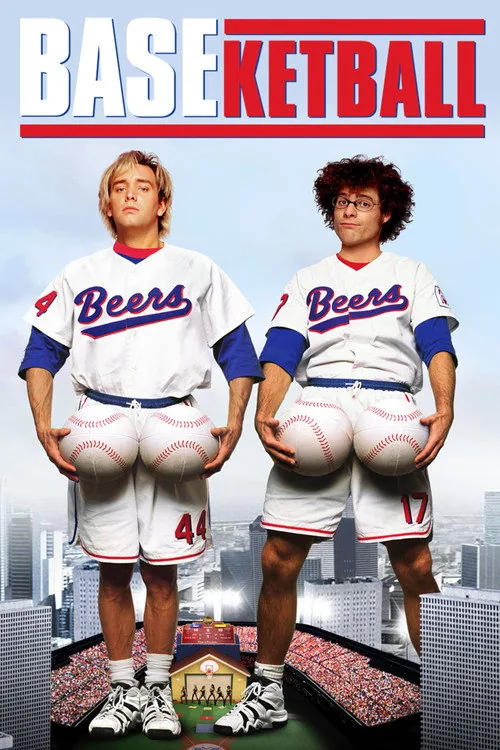
What changes The Underdoggs: brisk, episodic and game-centered. BASEketball: fast gag-driven and tournament and league progression.
Childhood friends Joe Cooper and Doug Remer invent a driveway sport that combines basketball and baseball, using an unconventional rule that lets ordinary players compete without elite athletic skill. The game unexpectedly becomes a national craze, and the friends try to preserve its informal spirit when business interests move in. David Zucker’s comedy satirizes sports leagues, sponsorship, and celebrity culture through crude jokes, absurd rules, and the pair’s unlikely rise from local pastime to professional phenomenon.
Based on recorded story, mood and style. Your preferences can change the order.
Coming of age · Sport and competition
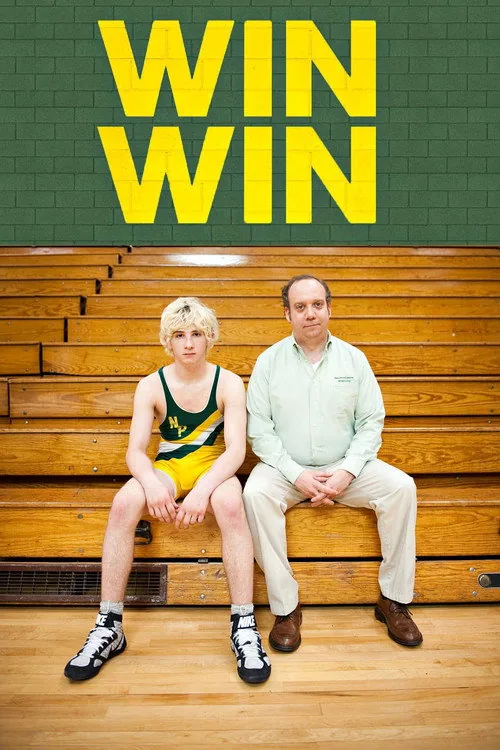
What changes The Underdoggs: brisk, episodic and game-centered. Win Win: community setup, sports and family routines and ethical reveal and repair.
New Jersey lawyer Mike Flaherty volunteers to become guardian of an elderly client partly to stabilize his struggling practice. When the client's teenage grandson Kyle arrives, Mike discovers that the boy is a talented wrestler and brings him onto his high-school team. Mike's family and friends grow attached to Kyle, but a hidden financial arrangement threatens their trust. Tom McCarthy's comedy-drama finds decency and discomfort in a small community whose good intentions are mixed with practical self-interest.
Based on recorded story, mood and style. Your preferences can change the order.
Coming of age · Sport and competition
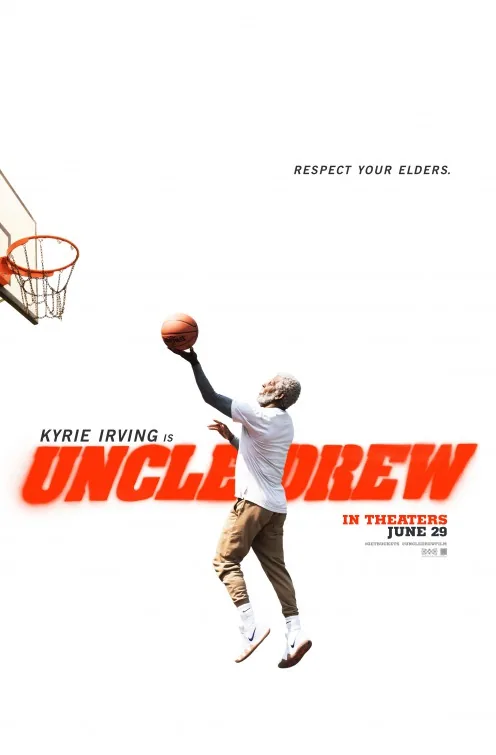
What changes The Underdoggs: brisk, episodic and game-centered. Uncle Drew: travel-and-recruitment episodes, sports set pieces and tournament finale.
After losing his basketball team before a neighborhood tournament, Harlem coach Dax Winslow seeks out the legendary Uncle Drew, a player whose name has become part of streetball history. Drew agrees to help reunite his old teammates, and the group travels across the country to recruit them. The journey brings aging players, old rivalries, and Dax’s own ambitions into a road comedy built around basketball culture and the Rucker Classic.
Based on recorded story, mood and style. Your preferences can change the order.
Coming of age · Sport and competition
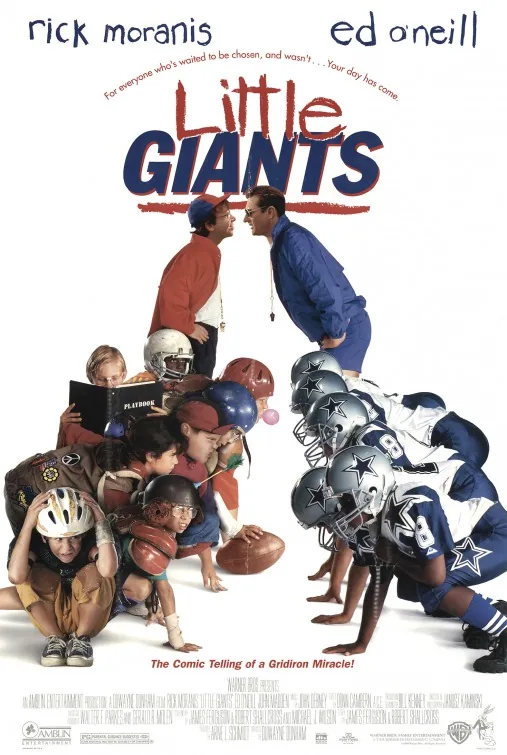
What changes The Underdoggs: brisk, episodic and game-centered. Little Giants: training and teamwork lead toward a championship game.
A small-town youth football coach builds a team from children overlooked by his more successful brother, who leads the local favorites. The underdogs develop skills and confidence as the rivalry approaches a decisive game, with the coach's daughter Becky pressing to play despite being initially excluded. The family sports comedy centers on belonging and fair opportunity.
Based on recorded story, mood and style. Your preferences can change the order.
Sport and competition
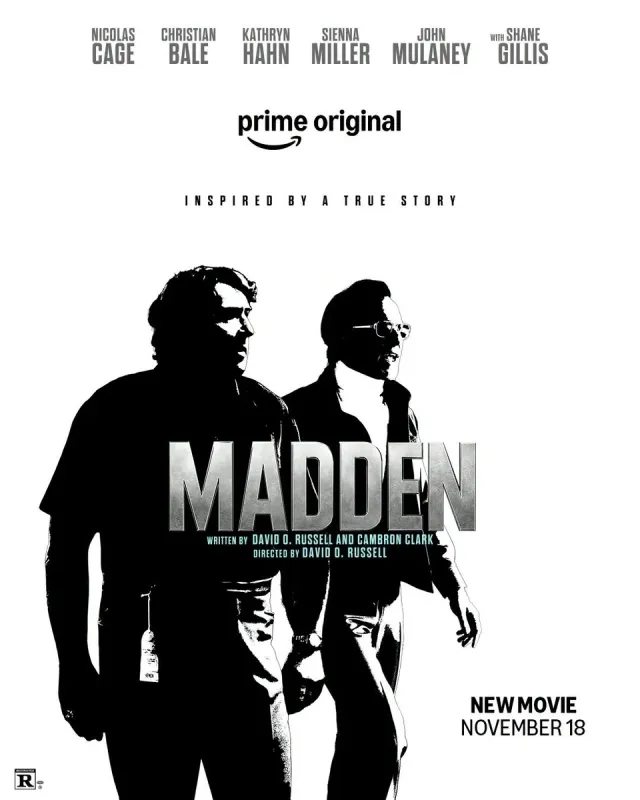
What changes The Underdoggs: brisk, episodic and game-centered. Madden: measured.
John Madden's career moves from professional football coaching to broadcasting and the development of a hugely influential sports video game. His partnership with Raiders owner Al Davis forms part of a wider story about friendship, marriage and public reinvention. The film follows the force of personality behind several different careers, connecting sporting knowledge with entertainment and commercial ambition.
Based on recorded story, mood and style. Your preferences can change the order.
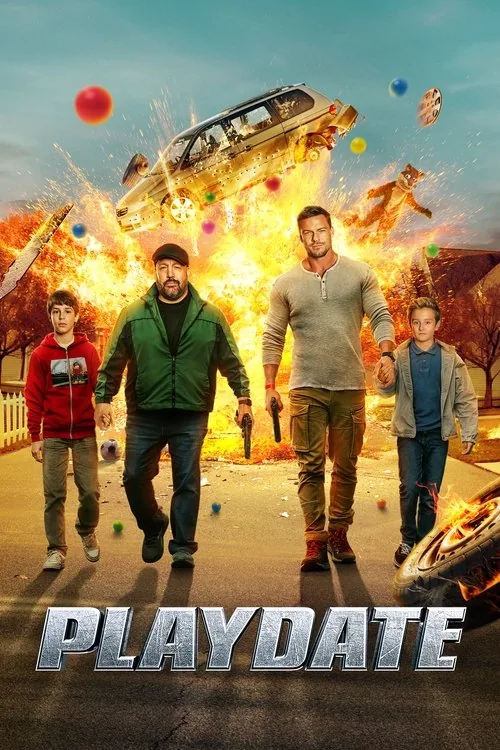
What changes The Underdoggs: brisk, episodic and game-centered. Playdate: school and job pressures set up the outing, attack turns a playdate into escape and parenting improvisation drives the action.
Recently laid-off forensic accountant Brian Jennings is adjusting to stay-at-home parenting and tries to help his stepson Lucas make friends. He arranges a playdate with Jeff, an athletic new father, and Jeff's unusually strong son CJ. What begins as an awkward attempt at neighborhood friendship turns dangerous when armed pursuers interrupt the children's afternoon and Brian learns that Jeff has a hidden past. Brian and Jeff must protect the boys, forcing an unlikely pair of parents to cooperate through a series of comic action set pieces.
Based on recorded story, mood and style. Your preferences can change the order.
Coming of age · Sport and competition
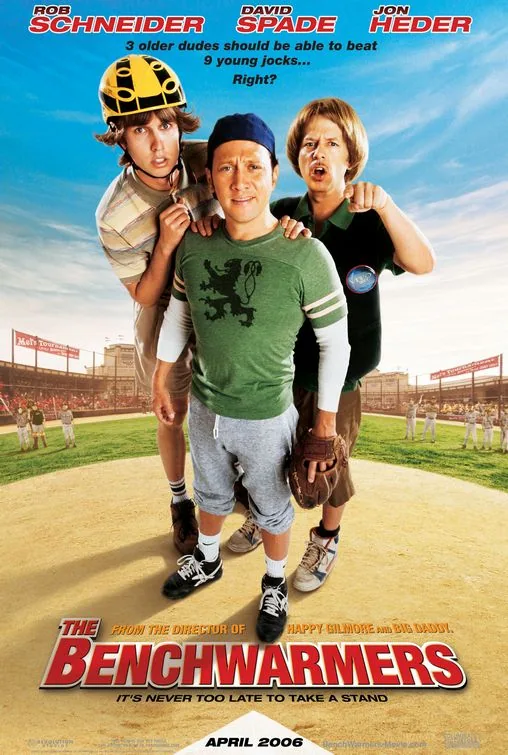
What changes The Underdoggs: brisk, episodic and game-centered. The Benchwarmers: escalating and competition-led.
Three adult outsiders who were bullied as children form a baseball team to challenge youth teams and give overlooked kids a chance to compete. Their sudden visibility brings support and criticism, while the men discover that winning does not automatically repair old humiliations. The broad sports comedy uses a simple contest structure to explore belonging and the wish to reclaim confidence after years of exclusion.
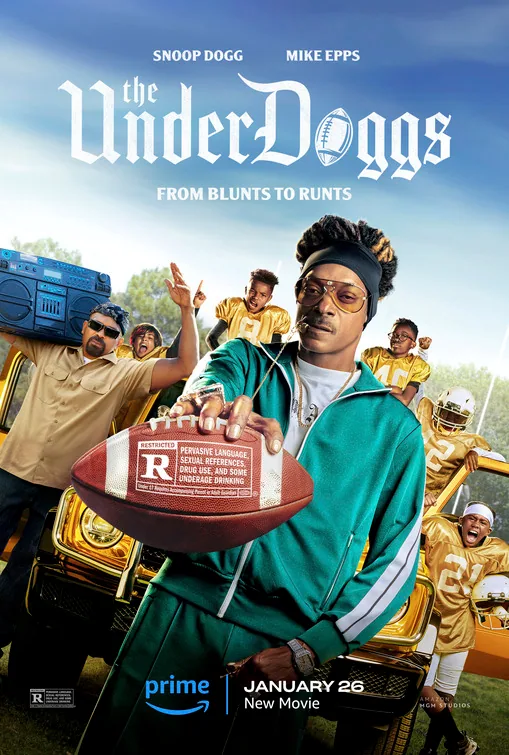
Jaycen Jennings is a once-famous football player whose public career has fallen apart. After returning to his hometown, he is assigned community service coaching a youth team whose players have little interest in discipline or conventional sports success. Working with the children forces Jaycen to reconsider the adults who shaped him, his own arrogance and the value of showing up for others. The comedy follows a redemption arc through neighborhood sport and intergenerational mentorship.
What drives the story
A disgraced former football star is assigned to coach a struggling youth team as community service.
The people at its centre
Jaycen's self-interest clashes with the young players' needs and local adults who know his past.
What it feels like
Sport provides a shared structure for a comic story about reliability and mentorship.
Worth knowing
The tone is broad and formula-friendly, centered on a team rather than professional competition.