Both share a claustrophobic and paranoid atmosphere.
Why this matches +
Genres: Mystery / Thriller
Shared film traits
Based on recorded story, mood and style. Your preferences can change the order.
Investigation · Memory and identity
What changes The Woman in the Window: mystery-led, slow-building and twist-heavy. The Number 23: escalating and unreliable.
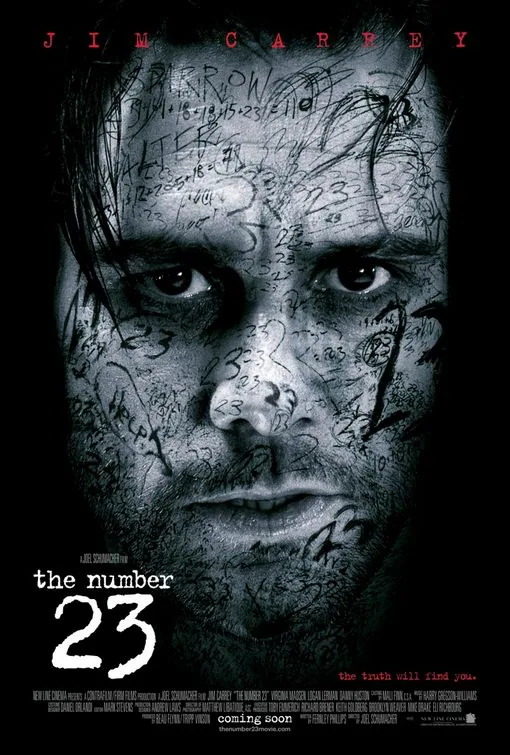
A man receives a novel whose disturbing murder story seems to echo details of his life. As he becomes absorbed by its central number, ordinary coincidences feel like clues and his family watches his behavior change. This psychological thriller follows the narrowing gap between interpretation and obsession, making the search for meaning itself a source of dread.
Based on recorded story, mood and style. Your preferences can change the order.
Constructed reality · Investigation
What changes The Woman in the Window: mystery-led, slow-building and twist-heavy. Before I Go to Sleep: clue-led, revelation-driven and tightly contained.
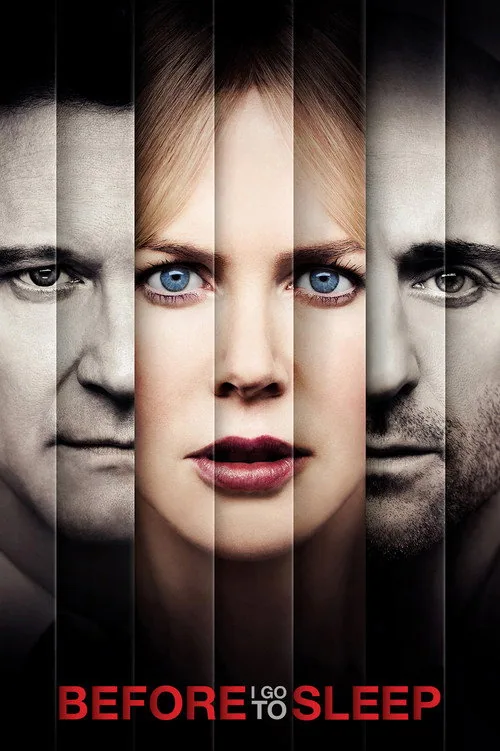
Christine Lucas wakes each morning with little memory of her adult life, relying on her husband Ben and daily video notes from a neuropsychologist. As she records fragments and reviews them in secret, inconsistencies about her past raise questions about who is telling the truth. The gap between nightly forgetting and daytime discovery turns domestic routines into an investigation. Rowan Joffé’s psychological thriller adapts S. J. Watson’s novel as a mystery built around unstable memory, dependence, and competing versions of a marriage.
Both share themes of trauma, plus a claustrophobic atmosphere.
Why this matches +
Genres: Thriller / Crime
Shared film traits
Based on recorded story, mood and style. Your preferences can change the order.
Investigation
What changes The Woman in the Window: mystery-led, slow-building and twist-heavy. Copycat: procedural, escalating threat and clue-driven.
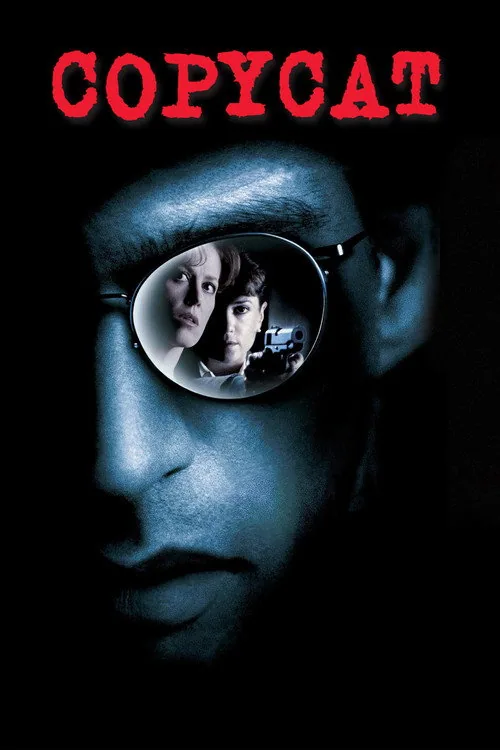
Criminal psychologist Helen Hudson becomes agoraphobic after an attack by a serial killer she once studied. When a new series of murders in San Francisco appears to imitate notorious killers, detectives M. J. Monahan and Ruben Goetz seek Helen’s expertise. She analyzes the patterns from her apartment while the perpetrator tries to draw her into the investigation. Jon Amiel’s thriller pairs a remote specialist with active investigators, making the murderer’s copycat method and Helen’s recovery central to the case.
Based on recorded story, mood and style. Your preferences can change the order.
Investigation · Memory and identity
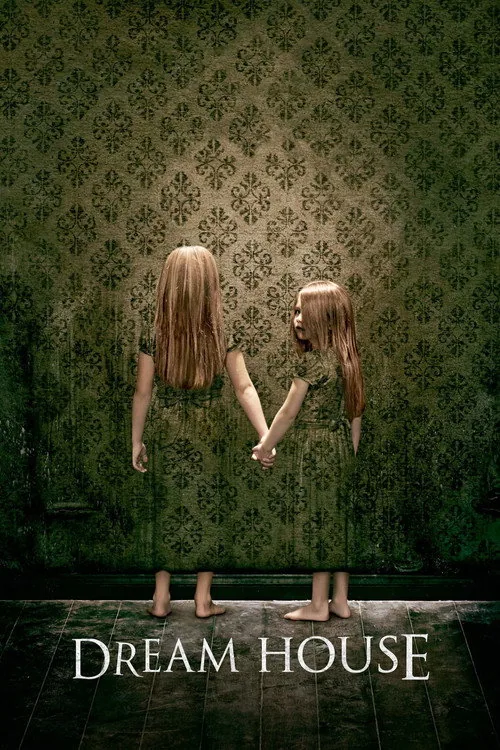
What changes The Woman in the Window: mystery-led, slow-building and twist-heavy. Dream House: gradual unease and reframes information over time.
Publisher Will Atenton leaves his New York job and moves his wife and two daughters to a quiet Connecticut home, hoping to give them a calmer life. He learns that the previous residents were killed there and begins investigating the history as unsettling events disrupt the family’s sense of safety. Jim Sheridan’s psychological thriller places domestic comfort beside suspicion, using a father’s search for answers and the apparent boundaries between memory and present danger to shape its tension. The story is best approached without advance knowledge of its turns.
Both share themes of trust, plus a claustrophobic atmosphere.
Why this matches +
Genres: Thriller
Shared film traits
Based on recorded story, mood and style. Your preferences can change the order.
Investigation
What changes The Woman in the Window: mystery-led, slow-building and twist-heavy. No Good Deed: tight real-time pressure with sudden reversals.
A woman alone at home offers shelter to a stranger whose car has broken down, then realizes that his charm conceals a violent danger. The visit becomes a struggle over control of domestic space, as she searches for a way to protect herself and her family. The thriller relies on limited locations and escalating intimidation, with trust turning into the central survival question.
Based on recorded story, mood and style. Your preferences can change the order.
Constructed reality · Memory and identity
What changes The Woman in the Window: mystery-led, slow-building and twist-heavy. Swimming Pool: quiet creative retreat, rivalry and observation build and ambiguous crime and final reveal.
British crime novelist Sarah Morton travels to her publisher's quiet house in southern France to recover from writer's block. Her solitude ends when Julie arrives, claiming to be the publisher's daughter and living by a far more openly sexual rhythm. Sarah observes Julie, becomes fascinated by her, and incorporates details of her life into a new manuscript, while the women compete for attention and control of the story being told. A violent incident and an ambiguous conclusion blur the line between real events and creative invention.
Both share themes of trust, plus a claustrophobic atmosphere.
Why this matches +
Genres: Thriller
Shared film traits
Based on recorded story, mood and style. Your preferences can change the order.
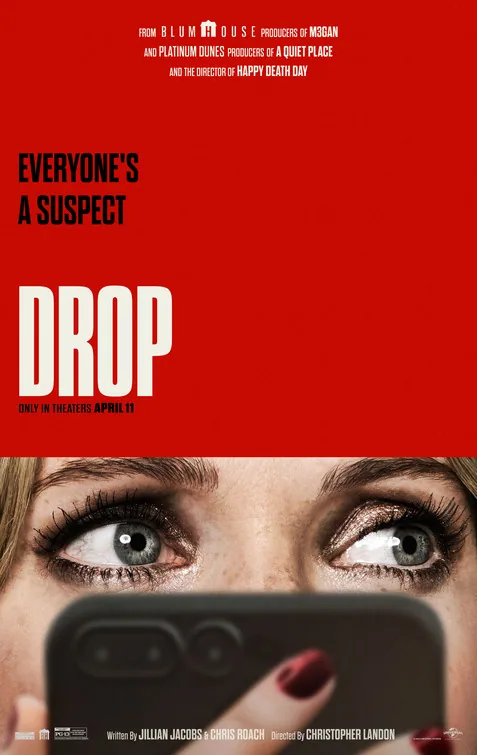
What changes The Woman in the Window: mystery-led, slow-building and twist-heavy. Drop: a real-time dinner date tightens under a sequence of phone demands.
A widowed therapist goes on a date at a high-end restaurant while her child is cared for at home. Anonymous messages begin appearing on her phone, escalating into a threat that demands she follow instructions without revealing what is happening. The contained thriller turns a modern social device into a coercive channel, placing Violet between public composure, private grief, and the immediate responsibility of keeping her child safe.
Based on recorded story, mood and style. Your preferences can change the order.
Investigation
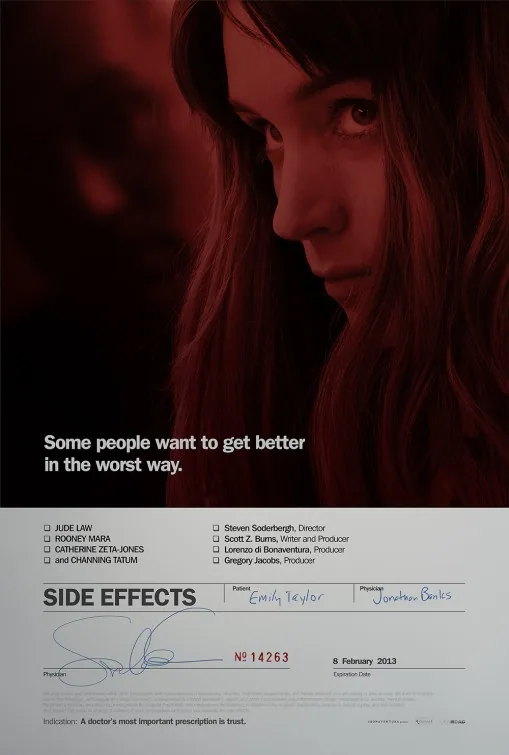
What changes The Woman in the Window: mystery-led, slow-building and twist-heavy. Side Effects: measured and reversal-driven.
After her husband Martin is released from prison, Emily Taylor experiences severe depression and seeks help from psychiatrist Jonathan Banks. A prescribed medication appears connected to a violent crime, putting Banks under scrutiny and drawing in Emily's former doctor. Steven Soderbergh's thriller changes shape as the investigation develops, making diagnosis, professional responsibility, and the reliability of appearances central to its account of medicine and crime.
Both share themes of isolation and trust, plus a claustrophobic atmosphere.
Why this matches +
Genres: Drama / Mystery
Shared film traits
Based on recorded story, mood and style. Your preferences can change the order.
Investigation
What changes The Woman in the Window: mystery-led, slow-building and twist-heavy. Flightplan: steady and escalating.
After her husband’s death, aircraft engineer Kyle Pratt boards a flight with her young daughter, only to find the child missing and no one aboard remembers seeing her. Kyle’s search meets institutional disbelief, turning the plane into a place where evidence and grief are hard to separate. The thriller builds around isolation and the cost of being dismissed.
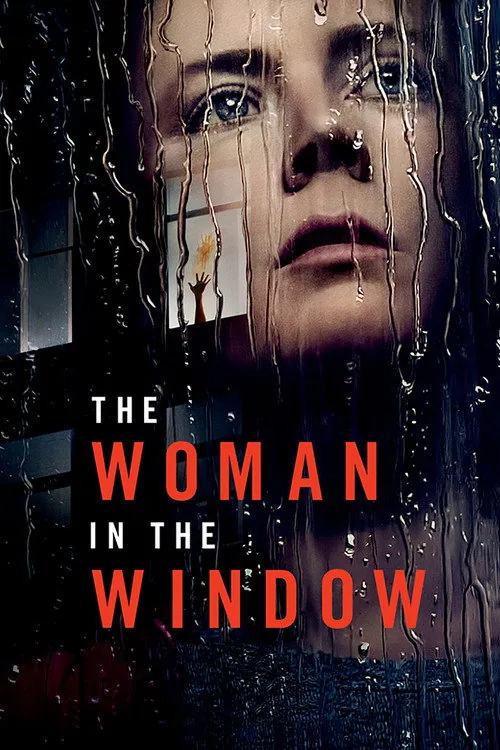
Child psychologist Anna Fox lives alone in a Manhattan brownstone and watches her neighbors while agoraphobia keeps her indoors. After befriending members of the Russell family, she believes she witnesses a murder across the street, but police and neighbors challenge her account. Medication, alcohol, grief, and isolation make it difficult to distinguish observation from hallucination as Anna investigates. Joe Wright’s adaptation of A. J. Finn’s novel uses the confined home and unreliable perspective to shape a psychological mystery about trauma and trust.
What drives the story
Anna investigates a suspected crime while her impaired perception causes others to doubt what she saw.
The people at its centre
Her relationships with neighbors and police shift between dependence, suspicion, and the need to be believed.