Explore films connected to To Catch a Killer through violence and alienation, professional ambition, institutional limits. Choose the qualities you want to carry into your next watch.
What should feel similar?
Find your next favourite
9 films · Closest overall matches
Hide films you’ve seen or don’t want. Saved on this device.
No matches for this combination yet.
Try another option or reset your choices to see more films.
Based on recorded story, mood and style. Your preferences can change the order.
Investigation
What changes To Catch a Killer: crime-scene opening, investigative progression and pursuit and confrontation. Pride and Glory: procedural investigation, steady revelation and dramatic confrontations.
Ray Tierney, a New York detective, is drawn into an investigation after four officers are killed during a drug bust. The case touches his father, brother, and brother-in-law, all connected to the police department, and evidence begins to suggest that the violence may involve corruption inside the family institution. Ray must decide how far loyalty can extend when it conflicts with the evidence and with the public trust his work is meant to serve. The crime drama uses a multigenerational police family to explore duty, complicity, and the cost of exposing wrongdoing.
Based on recorded story, mood and style. Your preferences can change the order.
Investigation
What changes To Catch a Killer: crime-scene opening, investigative progression and pursuit and confrontation. In the Shadow of the Moon: decades-spanning structure and clue-driven escalation.
In 1988 Philadelphia, police officer Thomas Lockhart becomes fixated on a series of murders whose victims appear to die from inexplicable neurological injuries. A mysterious woman is linked to the attacks, but she vanishes and reappears years later with the same apparent age. As Lockhart returns to the case across decades, the investigation strains his career and family life. Jim Mickle’s science-fiction crime thriller blends serial-murder investigation with time-travel speculation and asks what happens when a detective’s pursuit of one explanation begins to consume his life.
Based on recorded story, mood and style. Your preferences can change the order.
Investigation
What changes To Catch a Killer: crime-scene opening, investigative progression and pursuit and confrontation. The Secret in Their Eyes: past-and-present structure, case file reconstruction and late moral revelation.
Years after a young woman is murdered, retired investigator Ray Kasten returns to Los Angeles and tries to reopen the case alongside former colleague Claire Sloan. The victim was the daughter of Ray's friend Jess, whose grief and search for justice shaped the original investigation. A suspect connected to a terrorism inquiry was never brought to trial, and the old team must confront why the case stalled. The American adaptation combines a murder investigation with unresolved love, institutional compromise, and the long reach of trauma.
Based on recorded story, mood and style. Your preferences can change the order.
Investigation · Escape and pursuit
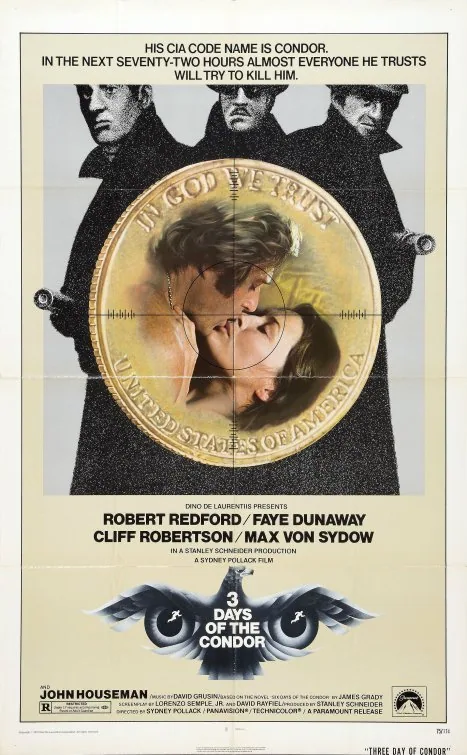
What changes To Catch a Killer: crime-scene opening, investigative progression and pursuit and confrontation. Three Days of the Condor: fast pursuit and procedural.
Joe Turner works as a reader for a small CIA research office in New York, where he studies books and newspapers for ideas that might matter to intelligence work. Returning from lunch, he finds the office staff murdered and realizes that his codename, Condor, has made him a target. With no reliable colleague to trust, he kidnaps Kathy Hale and seeks shelter while trying to learn who ordered the killings and why. His search reveals that the threat may come from within the agency, making the skills he uses to analyze information relevant to his own survival. Turner tries to contact a higher authority but discovers that the usual channel could expose him to the same killers.
Based on recorded story, mood and style. Your preferences can change the order.
Investigation · Escape and pursuit
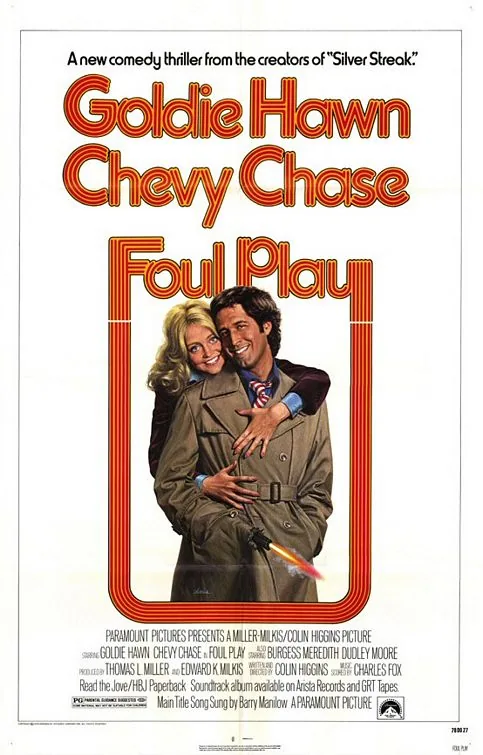
What changes To Catch a Killer: crime-scene opening, investigative progression and pursuit and confrontation. Foul Play: escalating, set-piece driven and romantic build.
After a murder in San Francisco, librarian Gloria Mundy unknowingly carries film hidden inside a pack of cigarettes. The evidence is sought by a group planning an attack during a public event, and Gloria becomes a target before she understands the danger. Lieutenant Tony Carlson helps protect her, though neither sees the full conspiracy at first. Their investigation takes them through disguises, chases, and comic misadventures toward a threat involving the Pope and a performance of The Mikado.
Based on recorded story, mood and style. Your preferences can change the order.
Investigation
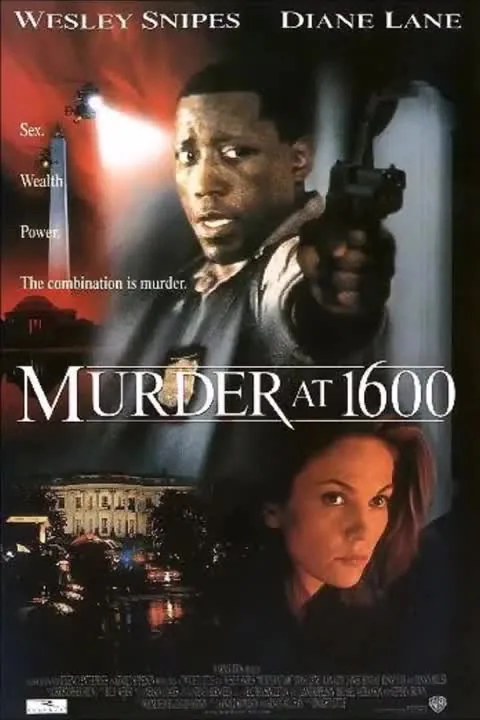
What changes To Catch a Killer: crime-scene opening, investigative progression and pursuit and confrontation. Murder at 1600: procedural investigation with action set pieces.
When a young woman is found murdered inside the White House, homicide detective Harlan Regis is assigned to the case and paired with Secret Service agent Nina Chance. Their inquiry cuts across competing officials and an international crisis, and the evidence suggests that powerful insiders may be shaping the investigation. The partners must work out whom they can trust before the conspiracy turns deadly.
Based on recorded story, mood and style. Your preferences can change the order.
Investigation
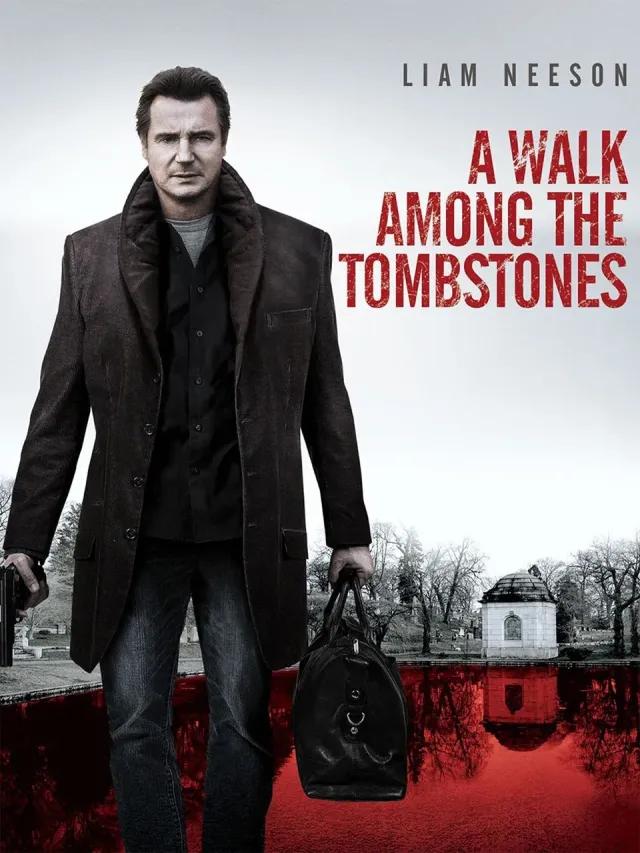
What changes To Catch a Killer: crime-scene opening, investigative progression and pursuit and confrontation. A Walk Among the Tombstones: patient evidence gathering interrupted by sudden danger.
A former New York police officer working as an unlicensed private investigator is hired to find the people responsible for kidnapping and killing a drug trafficker’s wife. The case draws him into a violent world where victims and criminals overlap, while his own recovery from past damage complicates the hunt. The crime thriller is bleak and deliberate, centered on investigation rather than flashy heroics.
Based on recorded story, mood and style. Your preferences can change the order.
Investigation
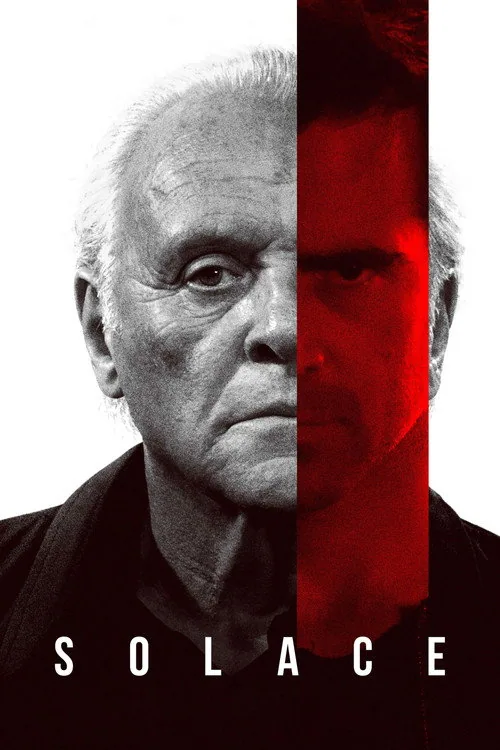
What changes To Catch a Killer: crime-scene opening, investigative progression and pursuit and confrontation. Solace: case-of-the-week clues, preemptive cat-and-mouse pursuit and reflective pauses.
When a series of murders defeats an FBI investigation, agent Joe Merriwether asks retired physician and psychic John Clancy for help. Clancy’s visions provide fragments of possible futures, but a killer named Charles Ambrose appears to possess similar abilities and stay ahead of the bureau. Afonso Poyart’s thriller turns the pursuit into a contest between two men who can glimpse what may happen, while Clancy’s private grief shapes his reluctance to return to investigative work.
Based on recorded story, mood and style. Your preferences can change the order.
Investigation
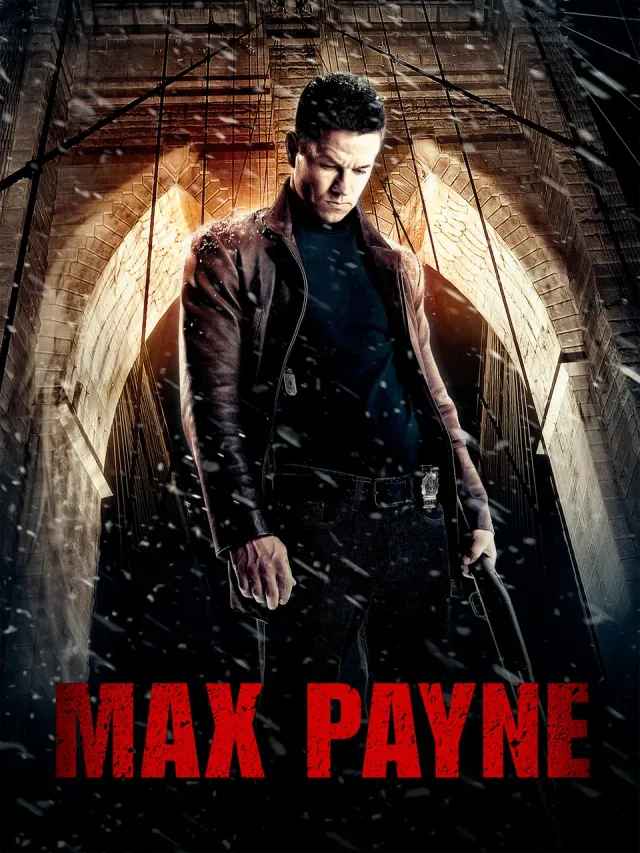
What changes To Catch a Killer: crime-scene opening, investigative progression and pursuit and confrontation. Max Payne: propulsive and set-piece driven.
A New York detective searches for the people responsible for the deaths of his family and partner, following clues through a criminal network tied to a powerful drug. Hallucinations and stylized visual sequences complicate his investigation, while the pursuit pushes him toward increasingly dangerous confrontations. The action adaptation combines noir atmosphere with comic-book imagery and a revenge plot.
On New Year's Eve in Baltimore, a sniper kills dozens of people from a concealed position before an explosion obscures the evidence. FBI investigator Geoffrey Lammark recruits local officer Eleanor Falco after she offers an unusually perceptive reading of the crime. As the team tracks a disciplined shooter through an increasingly complex investigation, Eleanor confronts her own troubled past and the limits of institutional procedure. The crime thriller follows both a manhunt and the uncertain bond between an ambitious agent and his recruit.
What drives the story
An apparently random mass shooting leads Lammark and Falco into a methodical search for a shooter who planned carefully.
The people at its centre
Lammark sees potential in Falco, while her guarded history complicates how she fits into the FBI-led team.
What it feels like
A serious crime thriller focuses on pattern recognition, field investigation, and the emotional weight of mass violence.
Worth knowing
The manhunt is filtered through a civilian police officer's uneasy recruitment, rather than a seasoned detective's routine case.
violence and alienationprofessional ambitioninstitutional limits
Mood
somber · procedural · tense
Pacing
crime-scene opening · investigative progression · pursuit and confrontation
Visual style
winter city atmosphere · grounded police procedure · close framing of investigation
Storytelling
mass shooting launches FBI investigation · local officer becomes profiler's partner · evidence challenges conventional assumptions