Based on recorded story, mood and style. Your preferences can change the order.
Political resistance
What changes To Have and Have Not: brisk and dialogue-led. The Three Musketeers: swashbuckling momentum, comic set pieces and swordfight climax.
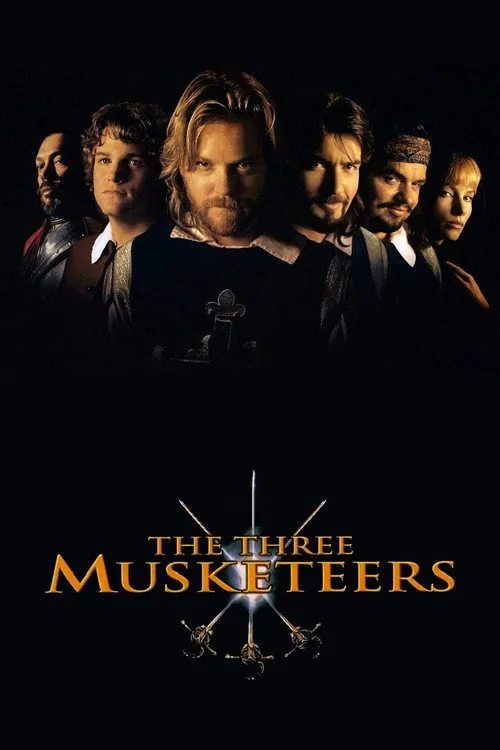
Young swordsman d'Artagnan travels to Paris hoping to join the king's guards, only to find that Cardinal Richelieu has ordered the Musketeers disbanded. He befriends Athos, Porthos, and Aramis, and the new allies become involved in a scheme that threatens the queen and the balance of power at court. Their loyalty, swordplay, and comic bravado carry them through disguises and pursuit. This family adventure adapts Alexandre Dumas with a brisk, romantic swashbuckling tone, emphasizing friendship and action over the novel's full political complexity.
Based on recorded story, mood and style. Your preferences can change the order.
War and civilian life
What changes To Have and Have Not: brisk and dialogue-led. Mrs. Miniver: steady and episodic.
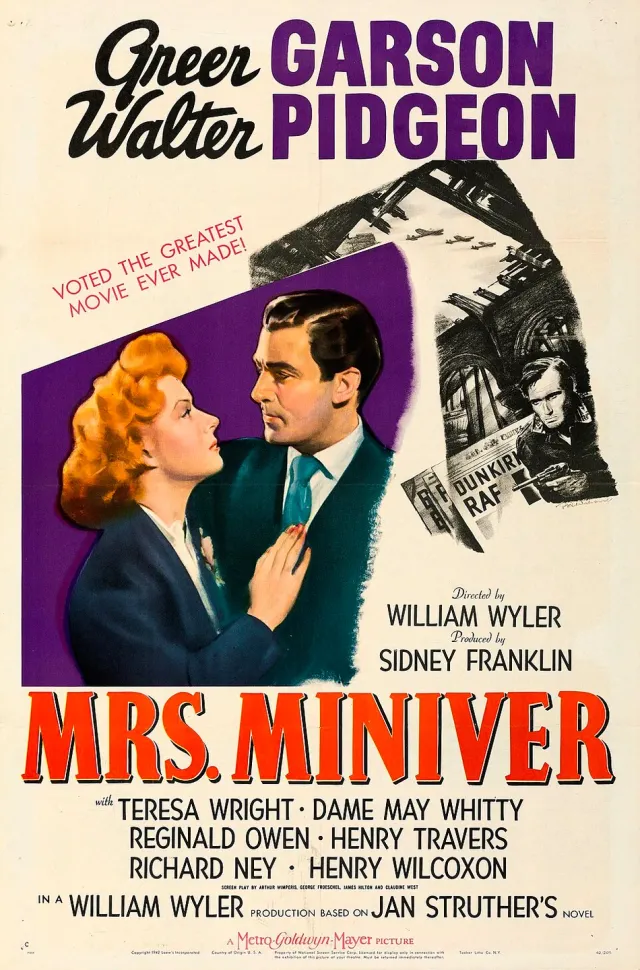
Kay Miniver's comfortable English family faces the approach of the Second World War. Her son Vin joins the Royal Air Force and falls in love with Carol Beldon, while her husband Clem takes their boat to assist the Dunkirk evacuation. Kay encounters a wounded German pilot in her garden and calmly disarms him before alerting authorities. Air raids damage the family home, and the village's flower show becomes a brief assertion of ordinary life amid danger. As the Minivers shelter with their neighbors, the film follows how public crisis enters household routines and reshapes what courage looks like.
Based on recorded story, mood and style. Your preferences can change the order.
What changes To Have and Have Not: brisk and dialogue-led. The Blue Lagoon: episodic coming-of-age and nature-driven passage of time.
After a shipwreck, young cousins Richard and Emmeline are stranded on a South Pacific island with the galley cook Paddy, who keeps them safe and teaches them what he knows. After his death, the children grow up without other adults or reliable knowledge about life beyond the island. Their changing feelings for each other, their discoveries about sexuality and their disagreements about whether to stay or seek rescue become part of a survival romance shaped by isolation. The film’s lush photography makes the island feel idyllic, but that romantic surface also frames adolescent development and a cousin relationship in ways that merit care. It is a stylized adaptation of a novel, not a realistic account of how children mature or learn about consent.
Based on recorded story, mood and style. Your preferences can change the order.
What changes To Have and Have Not: brisk and dialogue-led. L’Atalante: measured and poetic.
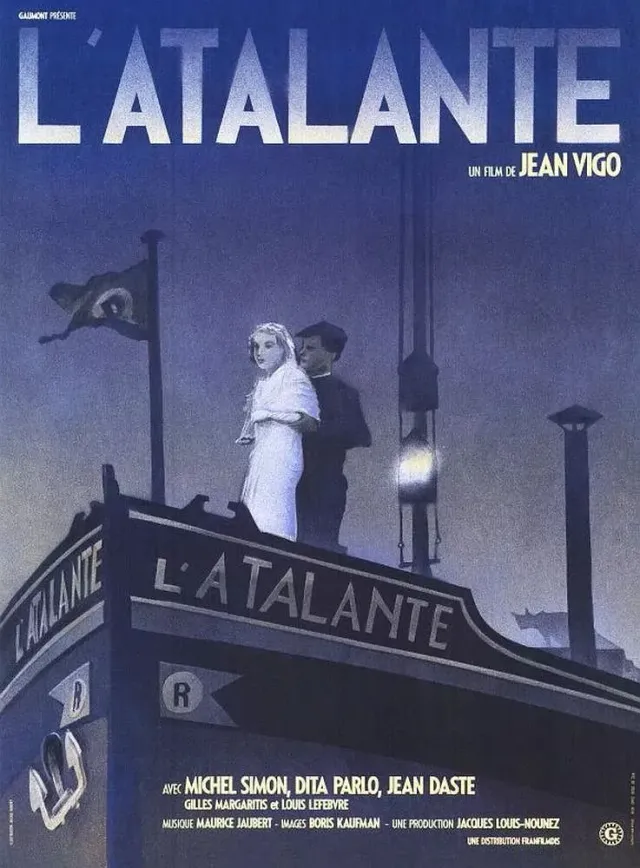
Country girl Juliette marries Jean, a barge captain, and leaves her village to live aboard his vessel, L’Atalante. Their new life includes the eccentric first mate Père Jules and a young deckhand as the boat travels toward Paris. Juliette’s desire to explore the city and Jean’s jealousy strain the marriage, testing their hopes against the cramped routines of work and travel.
Shared characteristics
Genre: Romance
Genre: Drama
Poster: Film rights holders; original promotional poster from the identified source · Image source
Based on recorded story, mood and style. Your preferences can change the order.
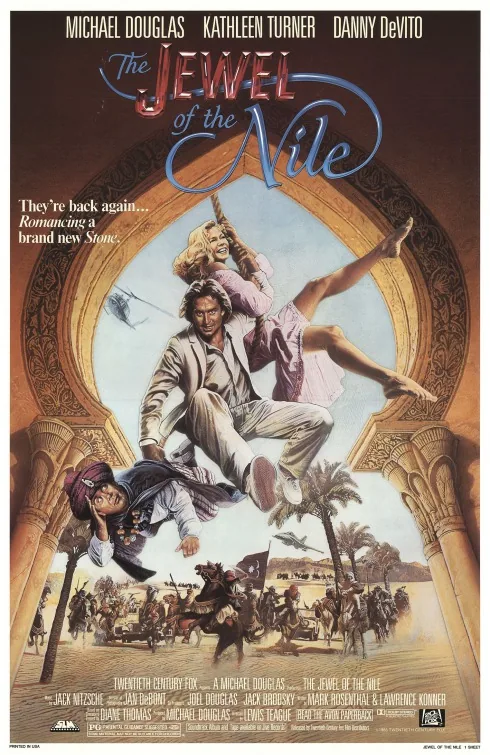
What changes To Have and Have Not: brisk and dialogue-led. The Jewel of the Nile: brisk and escalating.
Writer Joan Wilder has begun a comfortable life with adventurer Jack Colton when an invitation from a mysterious ruler pulls her into a North African political struggle. Jack sets out to find her, while a rival adventurer joins the pursuit and the jewel at the center of the conflict changes hands. The journey tests Joan and Jack's romance against danger, temptation, and their very different ideas of adventure.
Based on recorded story, mood and style. Your preferences can change the order.
War and civilian life
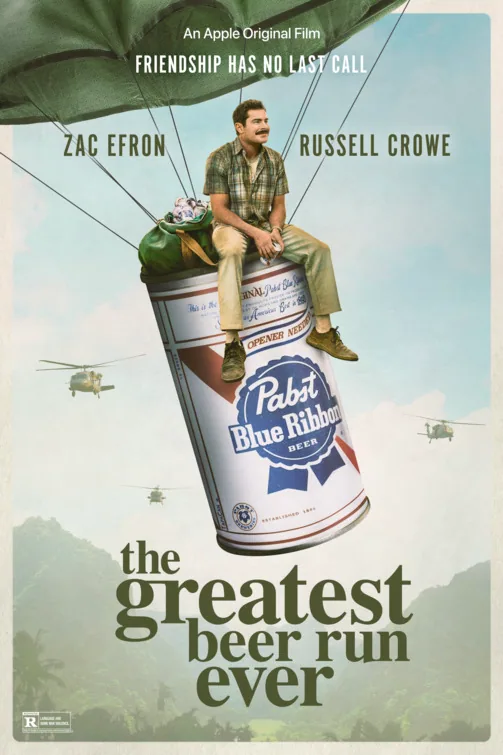
What changes To Have and Have Not: brisk and dialogue-led. The Greatest Beer Run Ever: adventure-driven, episodic, tonally shifting and reflective.
In 1967, New Yorker Chickie Donohue decides to carry beer to friends serving in Vietnam, treating the trip as a morale-boosting gesture. His route through bases and conflict zones gives him a direct view of a war that his family and neighbors debate from home. Peter Farrelly’s drama balances a comic premise with a changing understanding of friendship, service and what civilians can know about a war from a distance.
Based on recorded story, mood and style. Your preferences can change the order.
War and civilian life
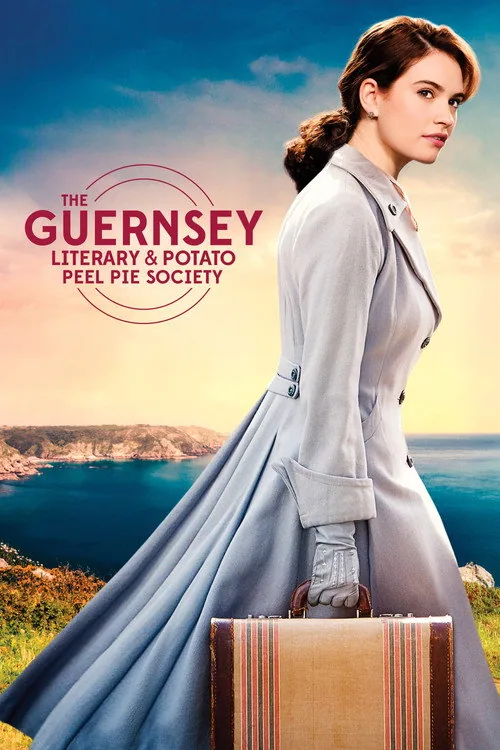
What changes To Have and Have Not: brisk and dialogue-led. The Guernsey Literary and Potato Peel Pie Society: epistolary invitation, island investigation and romantic resolution.
In postwar London, writer Juliet Ashton receives a letter from Dawsey Adams, a resident of Guernsey who belongs to an unusual book club formed during the German occupation. Curious about the islanders' experiences and the missing founder, Juliet travels to Guernsey to learn their story. Her reporting brings her into the lives of the society's members and complicates her existing engagement. The period romance combines literary community, wartime memory, and a search for personal belonging.
Based on recorded story, mood and style. Your preferences can change the order.
What changes To Have and Have Not: brisk and dialogue-led. Blue Crush: training-to-competition.
A young surfer balancing work, friendship and family duties prepares for a high-profile competition on Oahu’s North Shore. A new romance complicates her focus, while the ocean presents physical risks that make skill and judgment essential. The film connects athletic ambition to the community around the sport, following a protagonist who wants recognition without losing the relationships that have sustained her.
Both share themes of romance, plus a witty atmosphere.
Why this matches +
Genres: Comedy / Drama
Shared film traits
Based on recorded story, mood and style. Your preferences can change the order.
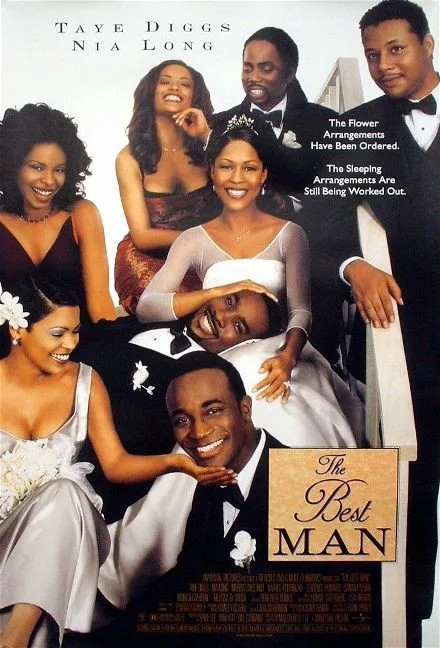
What changes To Have and Have Not: brisk and dialogue-led. The Best Man: bachelor-party events and private conversations raise the pressure on harper to tell lance the truth.
Writer Harper Stewart travels to New York for the wedding of his college friend Lance, bringing an unpublished secret into a weekend with their old circle. Jordan has circulated an advance copy of Harper’s novel, which draws from their shared past and threatens to expose Harper’s one-night encounter with the bride, Mia. The wedding gathering revives old loyalties, rivalries and questions about commitment as Harper weighs honesty against the damage a confession could cause. The friends’ celebration becomes a reckoning with who they were and what they owe one another now.
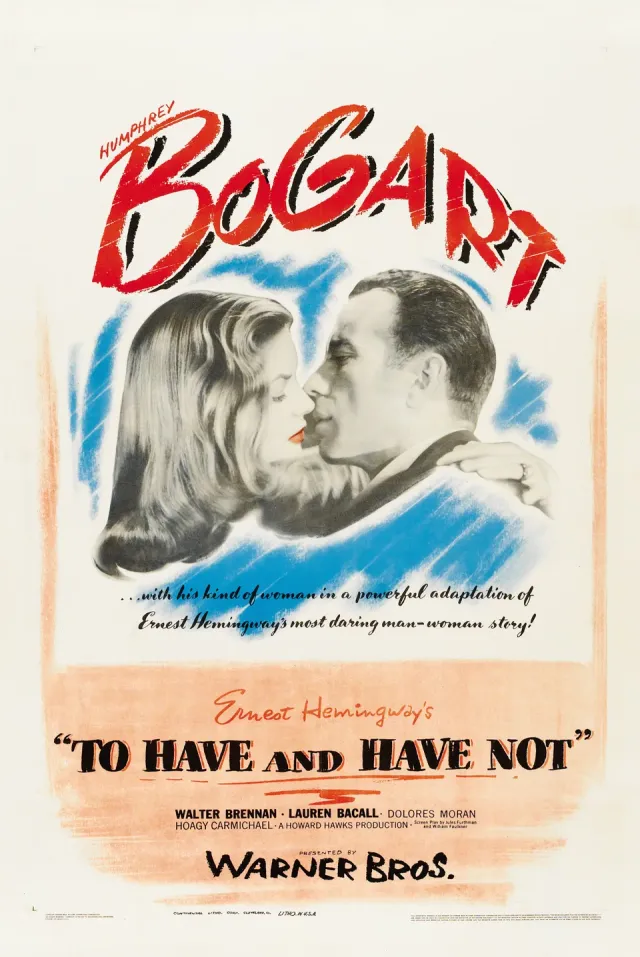
In wartime Martinique, fishing-boat captain Harry Morgan initially keeps clear of political trouble and rents his boat to wealthy visitors. His position changes when he meets Marie Browning, a resourceful singer known as Slim, and becomes involved in helping members of the French Resistance. Harry’s friend and drinking companion Eddie adds practical complications, while the island’s authorities make neutrality increasingly difficult. The story moves from a paid boating arrangement into a decision about whose safety Harry is willing to risk. The film’s romance and political plot are shaped by its star partnership as much as by the source novel. Slim’s performances at the nightclub and Harry’s boat work keep their romance connected to the island’s wartime economy.
What drives the story
A boat captain who wants to stay neutral is drawn into resistance work as occupation-era politics closes around his livelihood.
The people at its centre
Harry’s self-protection softens into solidarity, while Slim’s wit and independence make her a partner in the decision rather than a reward for it.
What it feels like
The nightclub and harbor settings, sharp dialogue and relaxed star chemistry create a compact wartime adventure with a strong romantic current.
Worth knowing
For viewers seeking a classic studio adventure that pairs romance with resistance-era danger. It is more buoyant and star-driven than a grim occupation drama.