Explore films connected to True Story through Truth and deception, Journalistic ethics, Identity and manipulation. Choose the qualities you want to carry into your next watch.
What should feel similar?
Find your next favourite
9 films · Closest overall matches
Hide films you’ve seen or don’t want. Saved on this device.
No matches for this combination yet.
Try another option or reset your choices to see more films.
Both share a suspicious and unsettling atmosphere.
Why this matches +
Genres: Crime / Mystery
Shared film traits
Based on recorded story, mood and style. Your preferences can change the order.
Investigation · Memory and identity
What changes True Story: interview-driven, gradual credibility shifts and psychological tension. Taking Lives: measured and reversal-driven.
An FBI profiler is asked to identify a serial killer who evades capture by assuming victims’ identities. Her interviews and reconstruction of crimes bring her close to people connected to the case, where trust is hard to distinguish from professional access. The thriller builds around identity theft, forensic inference and the danger of accepting a suspect’s story as the investigator’s own.
Based on recorded story, mood and style. Your preferences can change the order.
Investigation
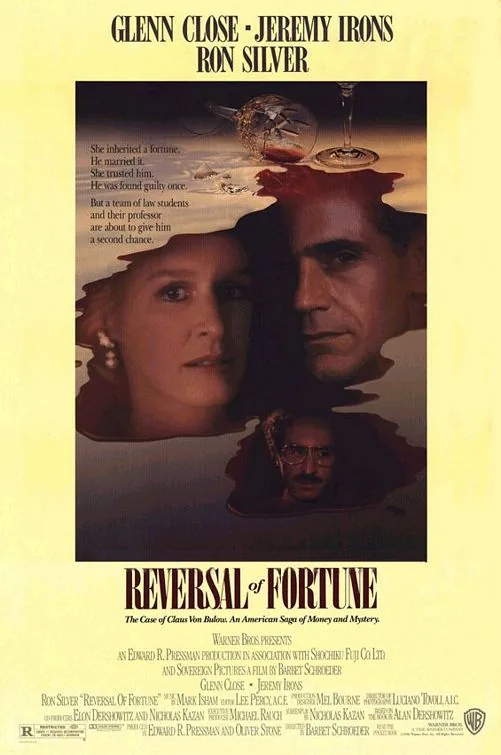
What changes True Story: interview-driven, gradual credibility shifts and psychological tension. Reversal of Fortune: procedural legal argument accumulates through interviews and evidence.
After socialite Sunny von Bülow falls into a coma, her husband Claus is convicted of trying to kill her. He hires Harvard law professor Alan Dershowitz to challenge the conviction, and the defense team examines the evidence, family history and competing accounts of what happened. The courtroom drama treats legal argument as a search for truth under uncertainty rather than a simple detective puzzle.
Based on recorded story, mood and style. Your preferences can change the order.
Investigation
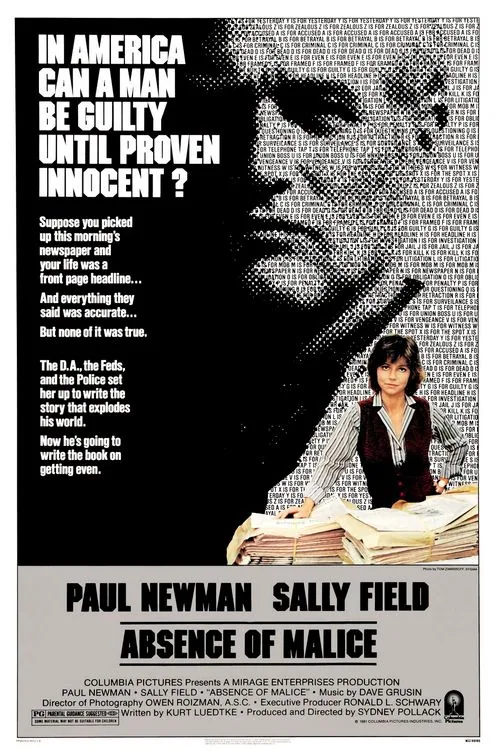
What changes True Story: interview-driven, gradual credibility shifts and psychological tension. Absence of Malice: procedural and consequences accumulate.
A prosecutor leaks information that makes liquor wholesaler Michael Gallagher look connected to a murder, and journalist Megan Carter publishes the allegation without knowing how it was planted. The false story damages Gallagher's relationships and exposes the conflict between investigative ambition and due process. As the people involved try to correct the record, the film examines how an official whisper can become public truth before anyone accepts responsibility.
Based on recorded story, mood and style. Your preferences can change the order.
Investigation · Memory and identity
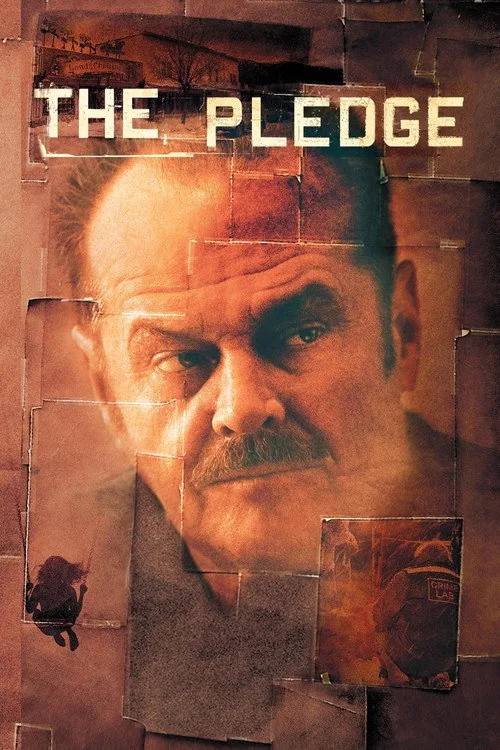
What changes True Story: interview-driven, gradual credibility shifts and psychological tension. The Pledge: slow-burn, character-centered investigation and ambiguous resolution.
On the day of his retirement, Nevada detective Jerry Black helps investigate the murder of an eight-year-old girl. He promises the child’s mother that he will find the killer, but the police quickly close the case after a suspect confesses. Jerry remains unconvinced and continues his own inquiry, gradually reorganizing his life around a theory that others dismiss. Sean Penn’s psychological crime drama follows the cost of obsession and the burden of a promise that may have no clear answer.
Based on recorded story, mood and style. Your preferences can change the order.
Investigation
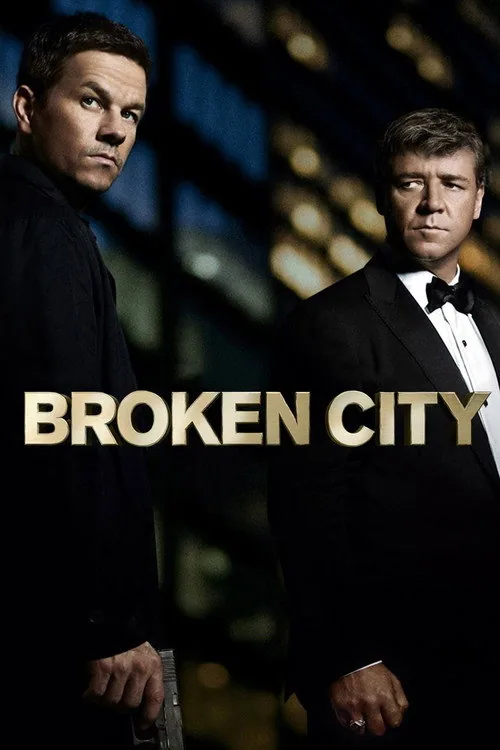
What changes True Story: interview-driven, gradual credibility shifts and psychological tension. Broken City: steady escalation, investigation-led and confrontational.
Former New York police officer Billy Taggart has rebuilt his life as a private investigator after leaving the force under a cloud connected to a fatal shooting. Seven years later, Mayor Nicholas Hostetler hires him to follow the mayor’s wife, claiming he suspects an affair. The surveillance assignment soon entangles Billy in a death, a property development dispute, and the mayor’s reelection campaign. As the investigation widens, Billy must decide whether he is willing to be used again by powerful people who control the city’s public story.
Based on recorded story, mood and style. Your preferences can change the order.
Investigation
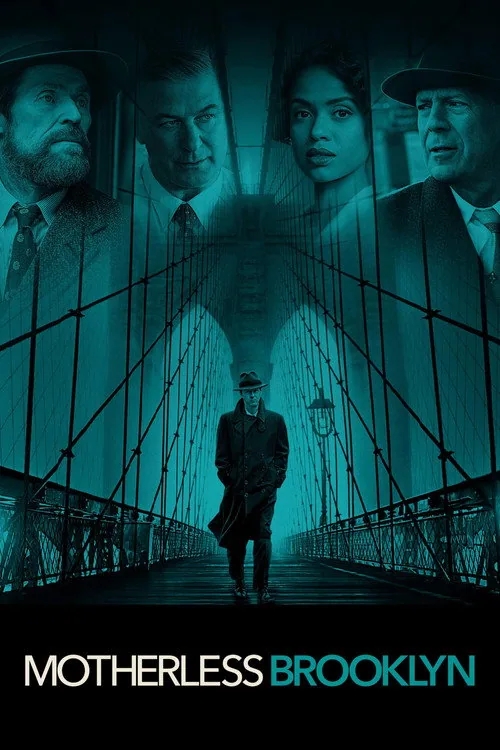
What changes True Story: interview-driven, gradual credibility shifts and psychological tension. Motherless Brooklyn: noir investigation, deliberate exposition and interlocking revelations.
In 1950s New York, private investigator Lionel Essrog struggles with Tourette syndrome while working for Frank Minna, the mentor who gave him a home and a place in the agency. When Frank is killed, Lionel follows fragments of a secret case through city officials, developers, and the neighborhoods affected by their power. His memory and investigative instincts help him connect clues, but his compulsions complicate how others hear him. Edward Norton's neo-noir pairs a personal search for justice with a period portrait of urban authority and displacement.
Based on recorded story, mood and style. Your preferences can change the order.
Investigation
What changes True Story: interview-driven, gradual credibility shifts and psychological tension. Basic Instinct 2: slow-burn and unsettling.
In London, novelist Catherine Tramell becomes a suspect after the death of a celebrity, and psychiatrist Michael Glass is asked to evaluate her. Their sessions develop into a contest over desire, control and interpretation as the investigation moves through social and professional circles. The sequel uses erotic provocation and psychological uncertainty to make it difficult to tell whether Glass is assessing Tramell or being drawn into her design.
Based on recorded story, mood and style. Your preferences can change the order.
Investigation · Memory and identity
What changes True Story: interview-driven, gradual credibility shifts and psychological tension. Murder Mystery: clue-led episodes with comic detours.
After Audrey challenges her husband Nick to honor a long-promised European trip, the couple meet a billionaire who invites them onto his family yacht. A murder turns the vacation into a private investigation, and the spouses become both amateur detectives and suspects. The comedy mystery uses their mismatched assumptions and Nick’s police experience to move through a parade of wealthy relatives, red herrings, and travel set pieces.
Based on recorded story, mood and style. Your preferences can change the order.
Investigation
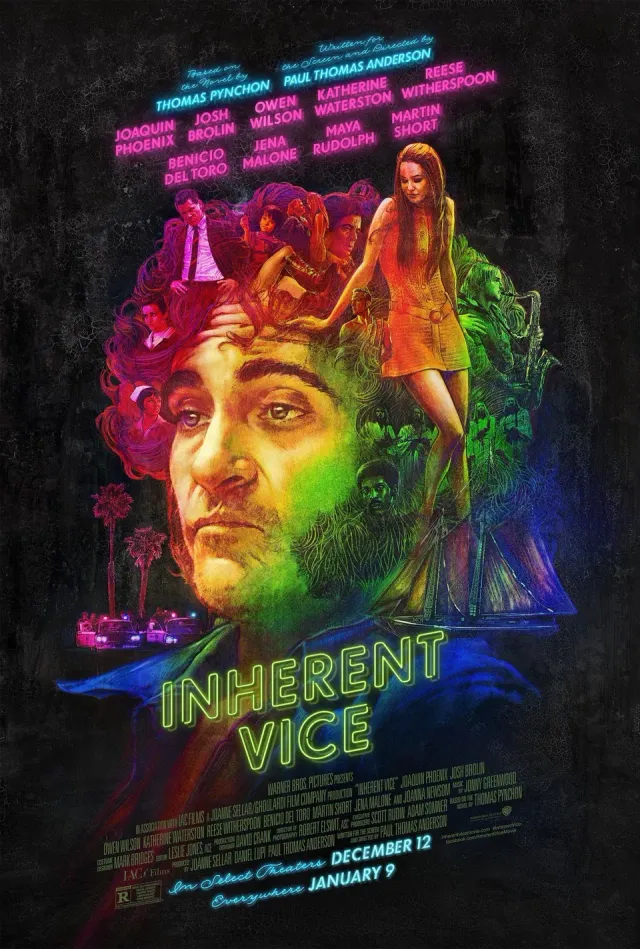
What changes True Story: interview-driven, gradual credibility shifts and psychological tension. Inherent Vice: digressive and measured.
Los Angeles private investigator Doc Sportello’s former lover Shasta asks him to protect real-estate developer Mickey Wolfmann from a plan to confine him, pulling Doc into overlapping disappearances, police pressure and a web of drug and property interests. His attachment to Shasta keeps the investigation personal even as each clue makes a stable explanation harder to hold. Bigfoot’s presence offers both antagonism and an uneasy form of companionship, while the city’s changing institutions suggest a counterculture being absorbed or displaced. The film adapts Thomas Pynchon through digressions and tonal drift; its incomplete map is part of the experience, not a mystery whose final answer neatly solves the system.
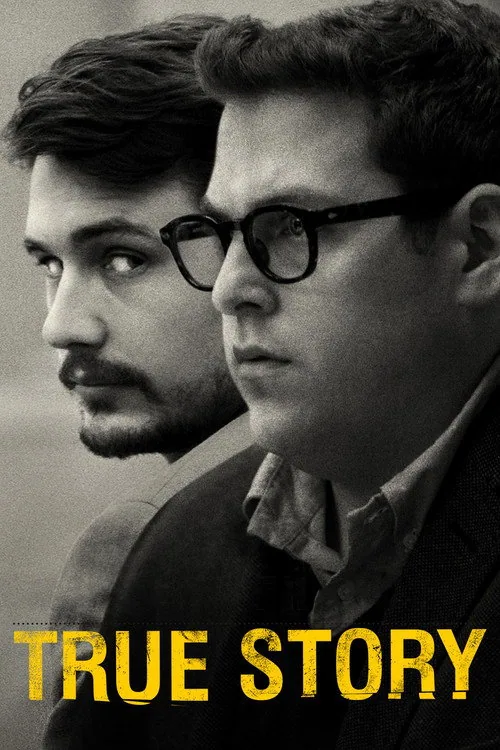
Disgraced New York Times reporter Michael Finkel is contacted after accused murderer Christian Longo is found using Finkel’s identity while on the run in Mexico. Curious about the impersonation and the murders of Longo’s family, Finkel begins visiting him in jail and considering whether he can write the man’s story. Their relationship becomes a game of access, deception, and control, forcing the reporter to question what Longo is willing to reveal. Rupert Goold’s drama adapts Finkel’s memoir and is based on actual events.
What drives the story
Finkel’s desire to understand why Longo used his name draws the reporter into an increasingly uncertain exchange about the murders.
The people at its centre
The two men negotiate trust as both seek something from their meetings, and the journalist’s access gives Longo room to manipulate him.
What it feels like
The film builds psychological suspense through interviews and conflicting accounts, with murder and family violence as its factual premise.
Worth knowing
It focuses on a reporter’s relationship with an accused killer, rather than reproducing the full court case or serving as a conventional newsroom procedural.
Truth and deceptionJournalistic ethicsIdentity and manipulation