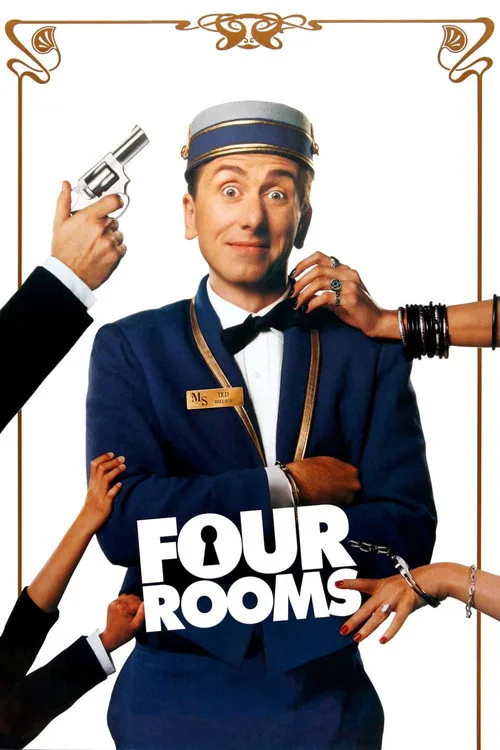
Ted tries to manage his first New Year’s Eve shift while guests in four rooms create escalating trouble.
Why this matches +
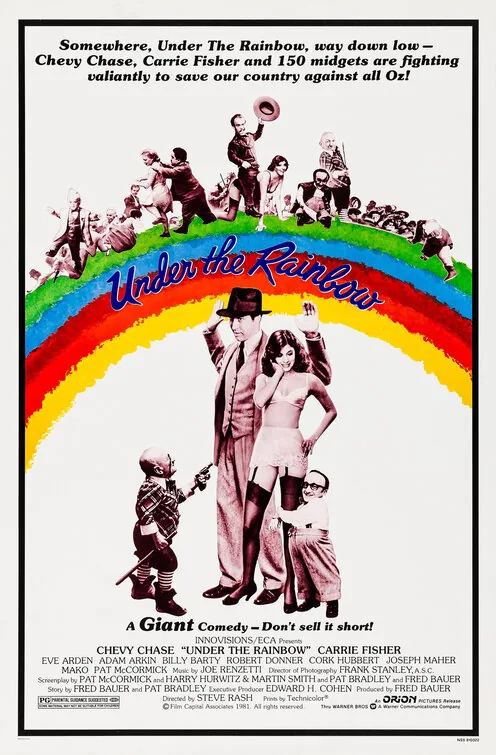
Selected for the central appeal: Performers and guests collide in a Hollywood hotel during the casting period for The Wizard of Oz.
Genres: Comedy
Shared film traits
Based on recorded story, mood and style. Your preferences can change the order.
What changes A hotel becomes the setting for intersecting comic episodes involving eccentric guests, staff and escalating misunderstandings.
On New Year’s Eve, newly hired bellhop Ted takes over the night shift at a Los Angeles hotel and becomes the connecting figure in four strange encounters. The stories move from a witchcraft ritual and an unruly group of children to a couple’s domestic emergency and a high-stakes wager among guests in the penthouse. Four directors contribute separate comic episodes, with Tim Roth’s increasingly frazzled performance linking the hotel’s rooms. The anthology relies on tonal changes and escalating misfortune rather than one continuous plot.
The hotel’s expansion plan gives the ensemble a shared practical problem while individual stories move at different speeds.
Why this matches +
These offer a related experience with a meaningful difference in story, tone, or presentation.
An adjacent discovery: a related idea with a different viewing experience.
Genres: Comedy / Drama
Shared film traits
Based on recorded story, mood and style. Your preferences can change the order.
What changes An ensemble of guests with different expectations shares a hotel, creating comic misunderstandings and unexpected connections.
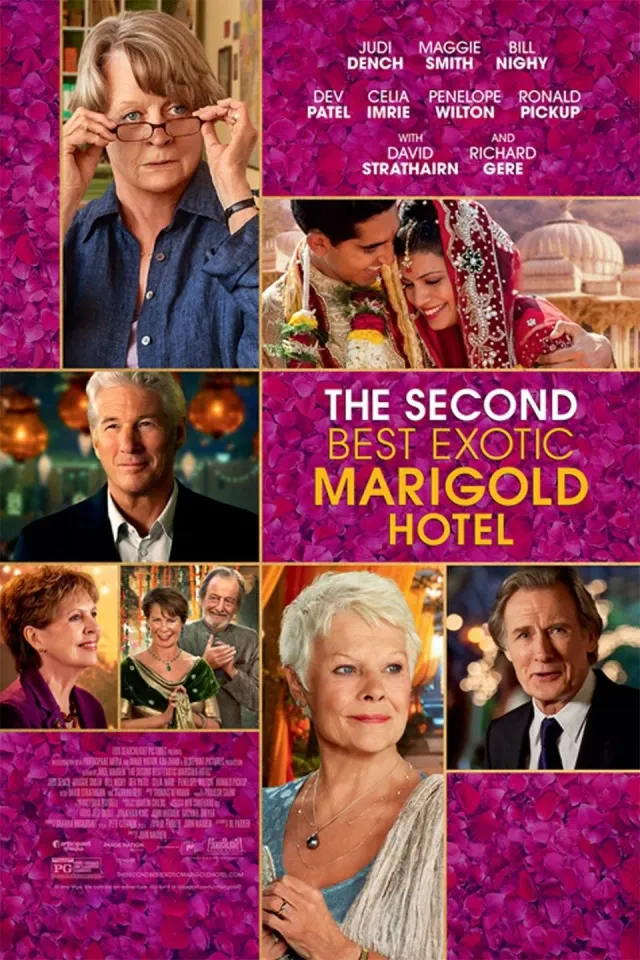
The residents and managers of a retirement hotel in Jaipur confront new romances, changing plans and the pressure to expand the business. Their lives are shaped by age, companionship and the question of whether it is too late to make a different choice. The ensemble comedy returns to familiar characters and treats later life as an ongoing period of reinvention rather than a final chapter.
Behind-the-scenes maneuvering spills into the serial's plots and on-air performances.
Why this matches +
These offer a related experience with a meaningful difference in story, tone, or presentation.
An adjacent discovery: a related idea with a different viewing experience.
Genres: Comedy
Shared film traits
Based on recorded story, mood and style. Your preferences can change the order.
What changes An ensemble of performers and staff navigates backstage rivalries, mistaken assumptions and farcical show-business crises.
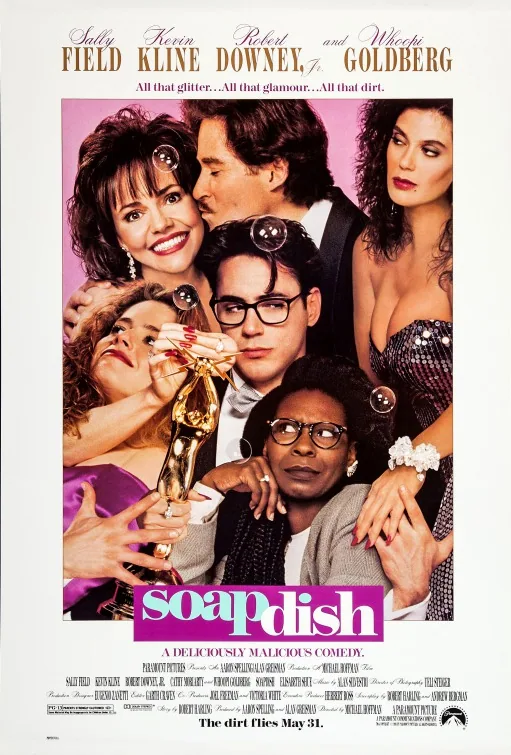
A long-running daytime serial becomes the setting for real backstage rivalries when its leading actress, a dismissed star and an ambitious producer collide. The performers' private loyalties and the show's increasingly extravagant plots begin to mirror one another. The comedy invites viewers to enjoy theatrical excess while tracking how attention, jealousy and career insecurity shape the people creating melodrama for a living.
A writer must keep a famous guest star fit for a live broadcast.
Why this matches +
These offer a related experience with a meaningful difference in story, tone, or presentation.
An adjacent discovery: a related idea with a different viewing experience.
Genres: Comedy
Shared film traits
Based on recorded story, mood and style. Your preferences can change the order.
What changes A period show-business comedy follows performers and production staff through chaotic preparations and clashing personalities.
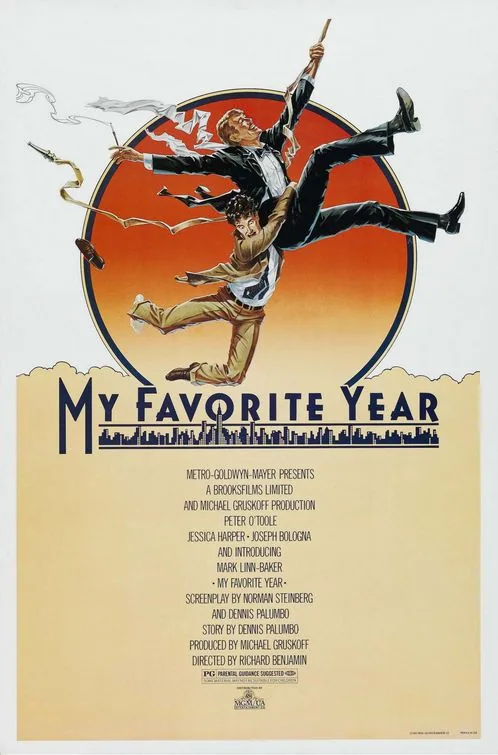
A young writer at a live television comedy program is assigned to escort a celebrated but unreliable movie star through New York before a broadcast. The star's appetite for drink and distraction threatens the episode, while the writer discovers a more complicated person beneath the public image. The comedy draws on backstage chaos and a mentor-like connection between a novice and a performer.
Leo’s wish to become a producer makes him vulnerable to Max’s scheme and complicates his sense of right and wrong.
Why this matches +
These offer a related experience with a meaningful difference in story, tone, or presentation.
An adjacent discovery: a related idea with a different viewing experience.
Genres: Comedy / Music
Shared film traits
Based on recorded story, mood and style. Your preferences can change the order.
What changes Theatrical ambition and a collection of eccentric performers drive a broad comedy about the disorder behind entertainment.
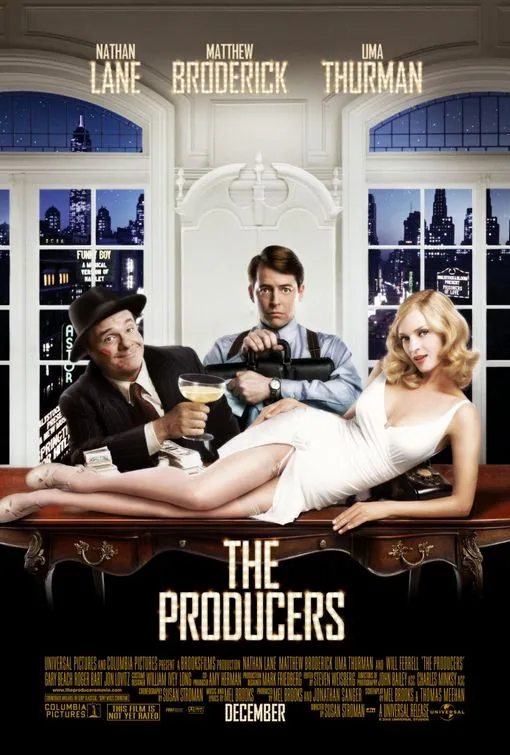
After a Broadway flop, producer Max Bialystock hires accountant Leo Bloom, who notices that a deliberately unsuccessful show could make money through excess investment. Max persuades the anxious Leo to form a partnership and find the worst play they can produce. They choose Springtime for Hitler, written by former Nazi Franz Liebkind, and hire director Roger De Bris, expecting outrage to close the show. Instead the musical becomes an unexpected hit, turning the pair’s fraud into a public success they cannot control.
At a Hollywood hotel during the 1938 casting period for The Wizard of Oz, visitors, performers and hotel staff become tangled in a series of misunderstandings. The story's comic premise links show-business ambition with a hotel full of people who do not share the same expectations or status. Its period setting supplies the spectacle, while the plot leans on farce and the collision of strangers.
What drives the story
A crowded hotel during a major film's casting period brings unrelated visitors into the same comic misunderstandings.
The people at its centre
Guests and performers mistake one another's intentions as ambition and social status shape their encounters.
What it feels like
Doors, corridors and overlapping errands supply a theatrical farce rhythm.
Worth knowing
Its historical Hollywood setting frames an ensemble hotel comedy rather than a behind-the-scenes production drama.
Show businessChanceIdentity
Mood
Whimsical · Busy · Uneven
Pacing
Farce-driven · Episodic
Visual style
Period comedy · Hotel ensemble staging
Storytelling
Hollywood hotel · Audition period · Ensemble confusion