Explore films connected to We Are Marshall through grief and resilience, community and remembrance, teamwork after loss. Choose the qualities you want to carry into your next watch.
What should feel similar?
Find your next favourite
9 films · Closest overall matches
Hide films you’ve seen or don’t want. Saved on this device.
No matches for this combination yet.
Try another option or reset your choices to see more films.
Based on recorded story, mood and style. Your preferences can change the order.
What changes We Are Marshall: emotional rebuilding arc and culminates in a major game. Alive: long ordeal and recovery and builds toward a rescue journey.
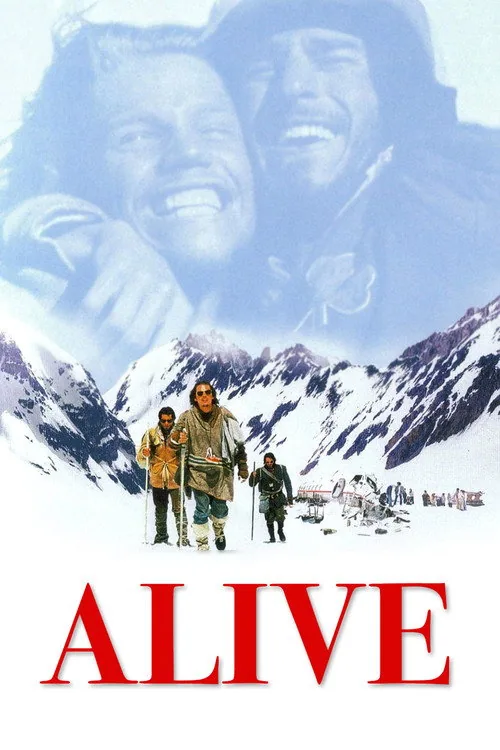
After a plane carrying a Uruguayan rugby team crashes high in the Andes, the survivors face freezing conditions, injuries, and little food while rescuers search in vain. When they learn that the search has ended, a small group attempts a dangerous journey through the mountains to find help. Frank Marshall’s survival drama is based on the 1972 crash and the survivors’ account, focusing on endurance, collective decision-making, and the emotional and ethical strain of living through an ordeal with almost no resources.
Both share an inspirational and earnest atmosphere.
Why this matches +
Genres: Drama / Sport
Shared film traits
Based on recorded story, mood and style. Your preferences can change the order.
Sport and competition
What changes We Are Marshall: emotional rebuilding arc and culminates in a major game. Hoosiers: team-building progression, game-centered peaks and championship payoff.
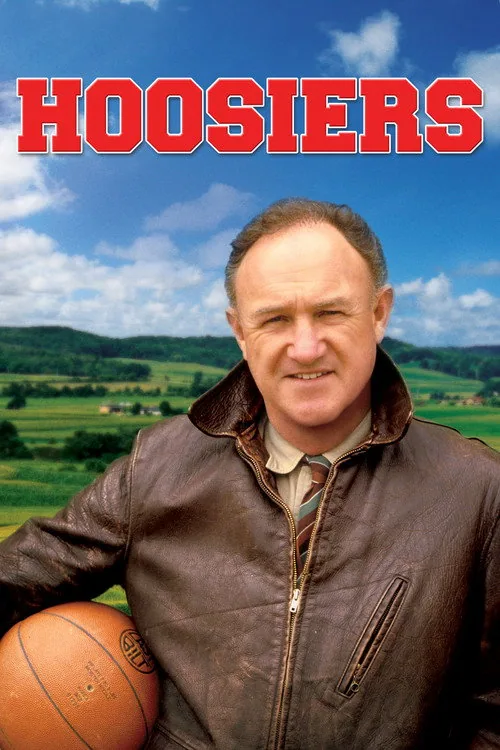
In 1951, Norman Dale arrives in the small Indiana town of Hickory to teach and coach its high-school basketball team. The townspeople expect quick success, but Dale's strict methods and the team's limited size create conflict. Star player Jimmy Chitwood has stopped playing since the previous coach died, and local teacher Myra worries that basketball will distract him from his future. As the season advances, players and residents must decide what they value about the team and the community around it.
Based on recorded story, mood and style. Your preferences can change the order.
Sport and competition
What changes We Are Marshall: emotional rebuilding arc and culminates in a major game. The Way Back: basketball season frames a personal process with setbacks.
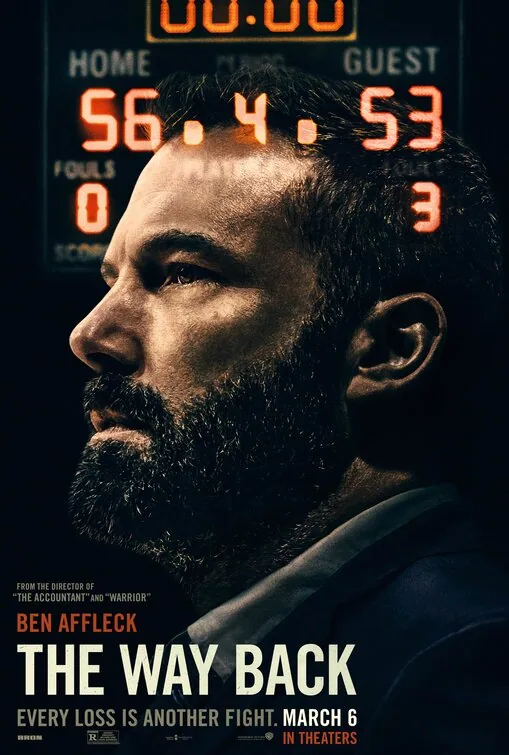
Jack Cunningham is asked to coach basketball at the Catholic high school where he once excelled. He accepts while struggling with alcoholism and unresolved grief, and the team’s uneven progress begins to give his days structure without erasing his pain. The sports drama follows recovery as an unstable process, connecting the players’ development with Jack’s efforts to accept help and face consequences.
Based on recorded story, mood and style. Your preferences can change the order.
Sport and competition
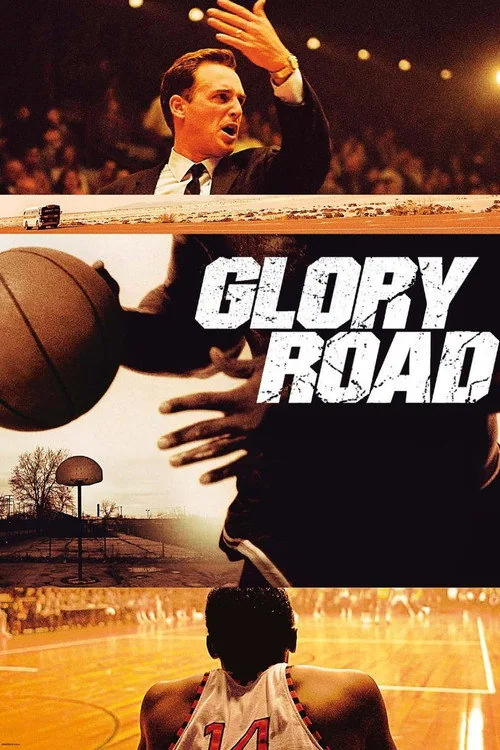
What changes We Are Marshall: emotional rebuilding arc and culminates in a major game. Glory Road: recruitment and training, season victories and backlash and high-stakes ncaa final.
In 1965, Texas Western College coach Don Haskins recruits a racially integrated basketball team despite limited resources and skepticism from university officials. He pushes the players into a demanding system while their success draws racist hostility from opponents, crowds, and communities they visit. After a difficult regular season, the Miners reach the NCAA final against top-ranked Kentucky, where Haskins makes a decision that will challenge the era's expectations about who belongs on the court. The sports drama connects team building to a broader fight over racial equality.
Based on recorded story, mood and style. Your preferences can change the order.
Sport and competition
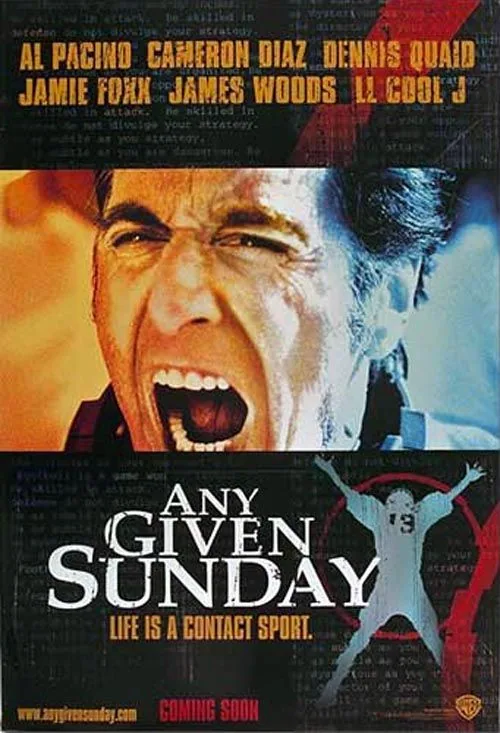
What changes We Are Marshall: emotional rebuilding arc and culminates in a major game. Any Given Sunday: fast.
A struggling professional football team loses its established quarterback and turns to a younger replacement whose success disrupts familiar authority. The coach, a commercially aggressive owner, injured players, and medical staff pursue goals that do not align neatly with winning. Celebrity and bodily risk make teamwork harder to sustain, revealing a sporting institution in which personal worth can be measured, traded, and discarded even during apparent triumph.
Based on recorded story, mood and style. Your preferences can change the order.
Sport and competition
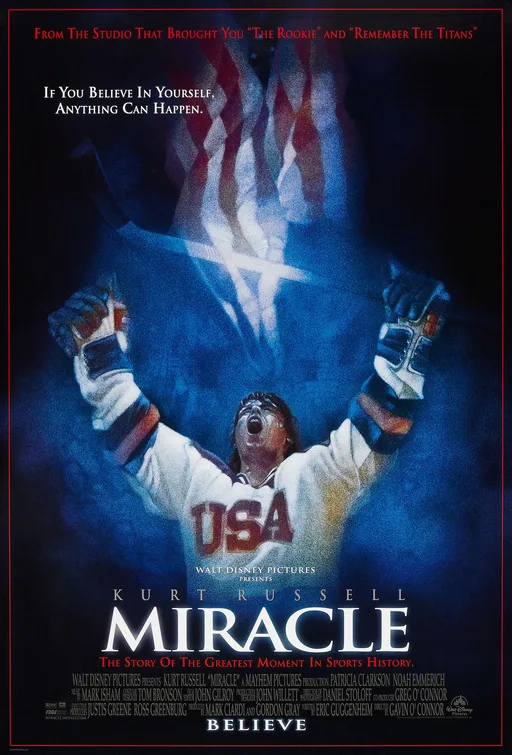
What changes We Are Marshall: emotional rebuilding arc and culminates in a major game. Miracle: training-to-competition and steady.
Coach Herb Brooks assembles a group of U.S. college hockey players and prepares them for the 1980 Winter Olympics, where they face the heavily favored Soviet team. The film follows the discipline, conditioning and disagreements that turn individuals with different backgrounds into a functioning team. Its historical sports drama focuses on leadership and collective effort, making the result depend on preparation and trust rather than presenting victory as an isolated miracle.
Based on recorded story, mood and style. Your preferences can change the order.
Sport and competition
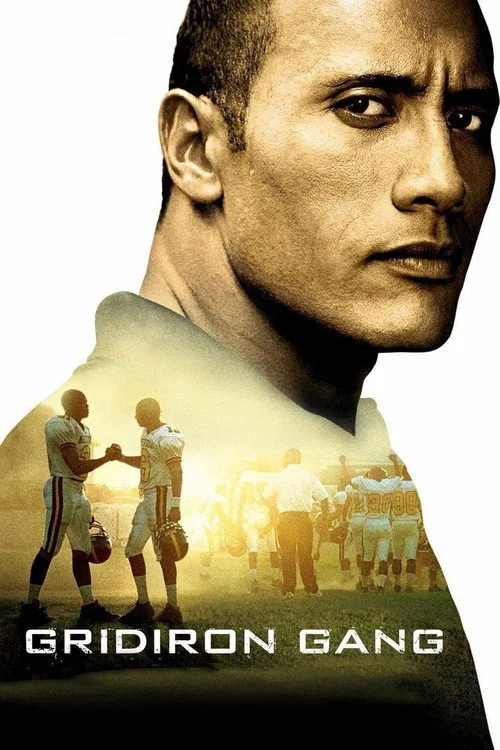
What changes We Are Marshall: emotional rebuilding arc and culminates in a major game. Gridiron Gang: training and match structure, motivational build and sports climax.
Sean Porter works at a Los Angeles juvenile detention center and worries that the teenagers in his care return to street violence after release. He proposes forming a football team so the young men can develop discipline, teamwork, and a sense of belonging. Rival affiliations and individual histories make the team difficult to build, while administrators and the players themselves question whether the program can work. Loosely based on the Kilpatrick Mustangs, the sports drama follows a coach’s effort to give incarcerated teenagers another way to define success.
Based on recorded story, mood and style. Your preferences can change the order.
Sport and competition
What changes We Are Marshall: emotional rebuilding arc and culminates in a major game. Coach Carter: season shaped and builds toward decision.
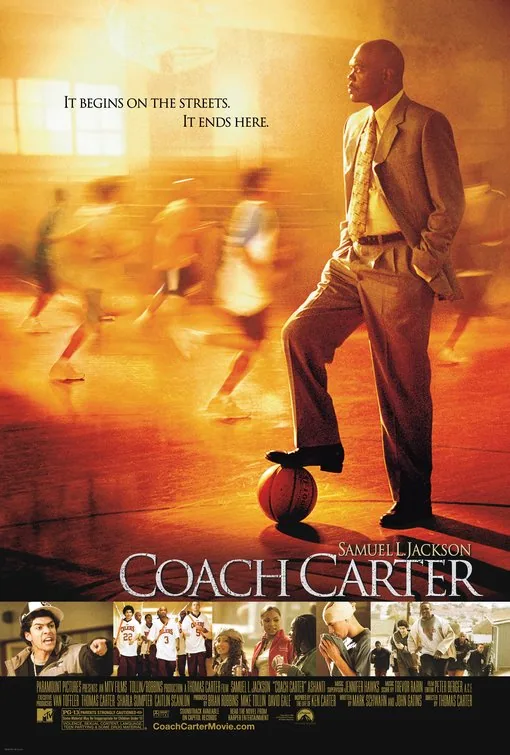
Coach Carter (2005), directed by Thomas Carter, follows A demanding high-school basketball coach inherits a talented team and sets academic standards that players must meet before they can compete. His decision to suspend games over grades pits his methods against community expectations and the students' immediate ambitions. The sports drama asks whether discipline and education can open choices beyond athletic success, while acknowledging the conflict between a coach's authority and students' needs.
Based on recorded story, mood and style. Your preferences can change the order.
Sport and competition
What changes We Are Marshall: emotional rebuilding arc and culminates in a major game. Remember the Titans: steady and building.
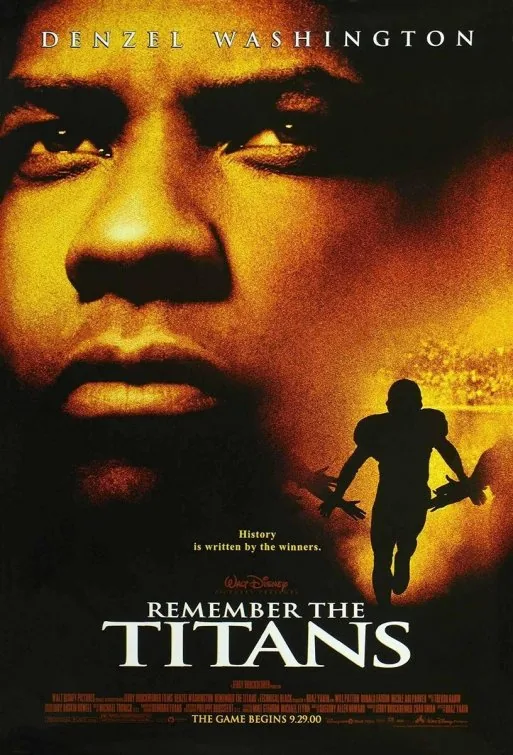
In 1971 Virginia, newly integrated T.C. Williams High School brings its football players together under coach Herman Boone, while community resistance surrounds the team. As the players train and compete, the season tests whether shared discipline can become genuine trust. The film pairs the routines of a sports story with a wider account of leadership, racism and civic change.
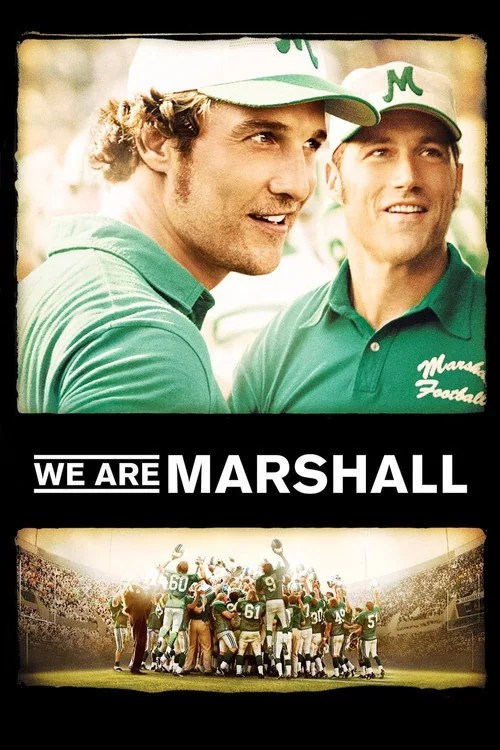
After a 1970 plane crash kills most members of Marshall University’s football team, Huntington, West Virginia, faces the loss of players, coaches, and community leaders. New coach Jack Lengyel arrives to help rebuild a team from a small group of returning players and newcomers, while university leaders and families confront grief and uncertainty about the program’s future. McG’s sports drama follows the team’s first season after the disaster, combining football with a community’s effort to remember those lost and find a way forward.
What drives the story
The university must decide whether to rebuild its football program and then assemble a team capable of competing.
The people at its centre
The new coach, surviving players, families, and school leaders carry different forms of grief and responsibility.
What it feels like
The film balances the emotional aftermath of a real tragedy with an uplifting, game-centered sports arc.
Worth knowing
Its central focus is a university community and football team after a crash, not a military or disaster-rescue narrative.
grief and resiliencecommunity and remembranceteamwork after loss
Mood
somber · inspirational · earnest
Pacing
emotional rebuilding arc · culminates in a major game
Visual style
college-town settings · football field action · period 1970s detail
Storytelling
true-story football program rebuilds after tragedy · community mourns a plane crash · sports drama about a first season