Explore films connected to Wet Hot American Summer through summer freedom and endings, romance and self-invention, camp community. Choose the qualities you want to carry into your next watch.
What should feel similar?
Find your next favourite
9 films · Closest overall matches
Hide films you’ve seen or don’t want. Saved on this device.
No matches for this combination yet.
Try another option or reset your choices to see more films.
Based on recorded story, mood and style. Your preferences can change the order.
Coming of age · Music and performance
What changes Wet Hot American Summer: sketch-like episodes, rapid comic detours and chaotic convergence. Theater Camp: improvisational, episodic, rehearsal-driven and climactic showcase.
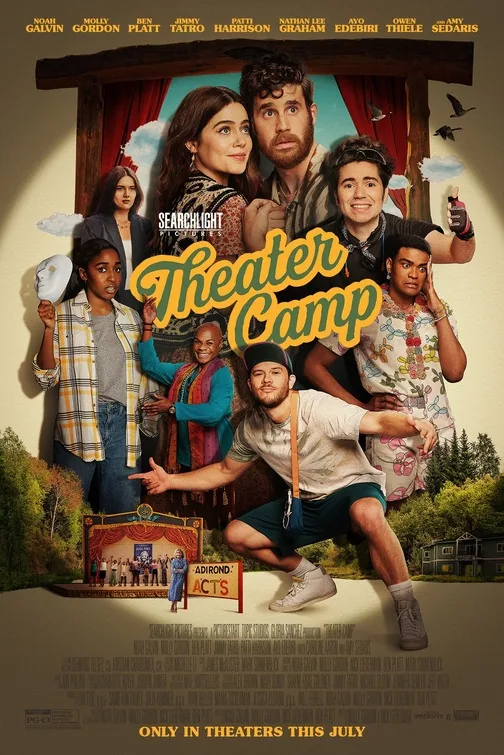
When Joan, the beloved director of AdirondACTS, falls into a coma, her son Troy unexpectedly inherits the financially strained summer theater camp. He arrives with an influencer’s confidence but little sense of what makes the campers and staff care about the place. Former campers Amos and Rebecca-Diane take charge of the season’s productions, while the community races to keep the camp alive through its chaotic rehearsals and final showcase.
Based on recorded story, mood and style. Your preferences can change the order.
Music and performance
What changes Wet Hot American Summer: sketch-like episodes, rapid comic detours and chaotic convergence. I Still Believe: relationship and music-career events lead into a sustained illness arc.
College musician Jeremy Camp meets Melissa and falls in love while pursuing a career in Christian music. Their relationship is tested when Melissa is diagnosed with cancer, forcing the couple and their families to confront uncertain treatment and the limits of hope. Based on Camp’s memoir, the biographical romance uses music and religious belief to frame grief, commitment and the effort to remain present through illness.
Based on recorded story, mood and style. Your preferences can change the order.
Coming of age
What changes Wet Hot American Summer: sketch-like episodes, rapid comic detours and chaotic convergence. Heavyweights: camp routines shift into an organized revolt against the new program.
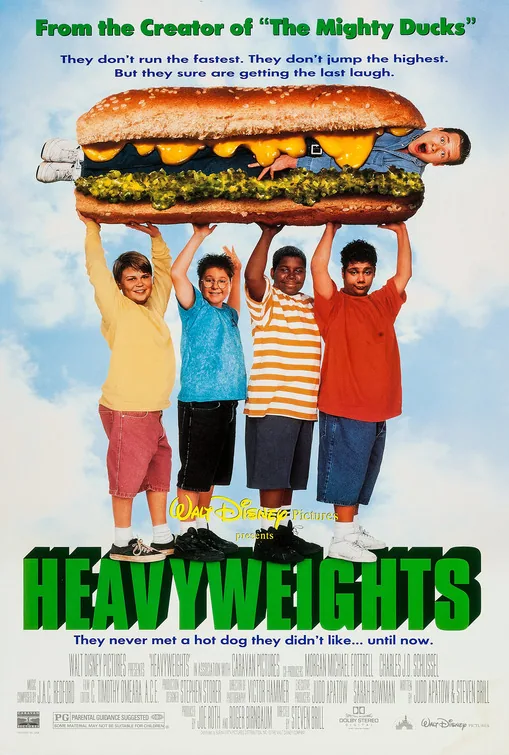
Gerry Garner is sent to Camp Hope, a summer weight-loss camp, where he makes friends among the boys and discovers their stash of junk food. The camp changes hands to fitness entrepreneur Tony Perkis, who replaces its games with punishing workouts and plans to use the campers in an infomercial. The boys organize against him, turning a camp comedy into a story about friendship and self-respect.
Based on recorded story, mood and style. Your preferences can change the order.
What changes Wet Hot American Summer: sketch-like episodes, rapid comic detours and chaotic convergence. Fire Island: fast, banter-driven, ensemble-focused and romantic.
Noah and his close group of friends return to Fire Island for their annual summer week, but their familiar vacation house may be sold. The group meets a wealthy circle of visitors, and romantic interests quickly become entangled with judgments about class, status and appearance. Andrew Ahn’s comedy reworks Pride and Prejudice through queer friendships and contemporary dating, using the island’s shared spaces as a place for pleasure, conflict and chosen family.
Based on recorded story, mood and style. Your preferences can change the order.
What changes Wet Hot American Summer: sketch-like episodes, rapid comic detours and chaotic convergence. The Seven Year Itch: measured and comic.
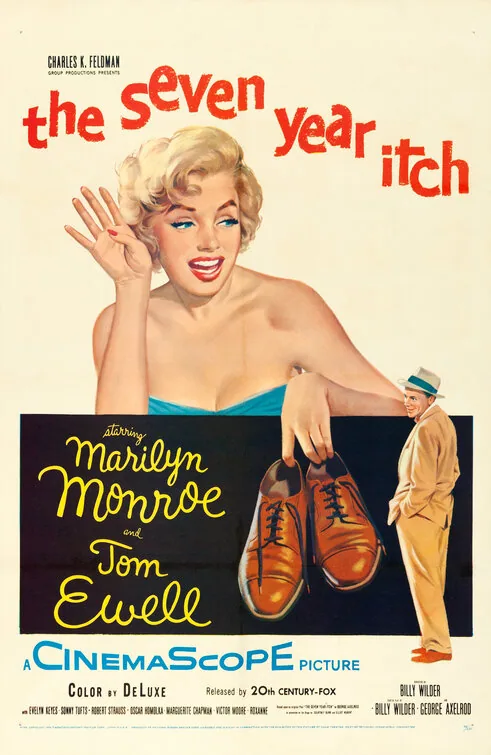
When his wife and son leave Manhattan for a summer in Maine, publisher Richard Sherman stays behind in the heat and promises himself he will behave. A beautiful new tenant upstairs begins spending time with him, and Richard's attraction feeds a torrent of imagined scenes in which he becomes a seducer, a public disgrace or the object of his neighbor's attention. Their real conversations are comparatively innocent, but his fantasies reveal how he understands fidelity, masculinity and the absent family he claims to miss. A manuscript about the supposed seven-year itch gives him a ready-made explanation for desire, allowing him to treat a common anxiety as an almost scientific force. The comedy rests on the gap between what happens and what Richard narrates to himself.
Based on recorded story, mood and style. Your preferences can change the order.
Music and performance
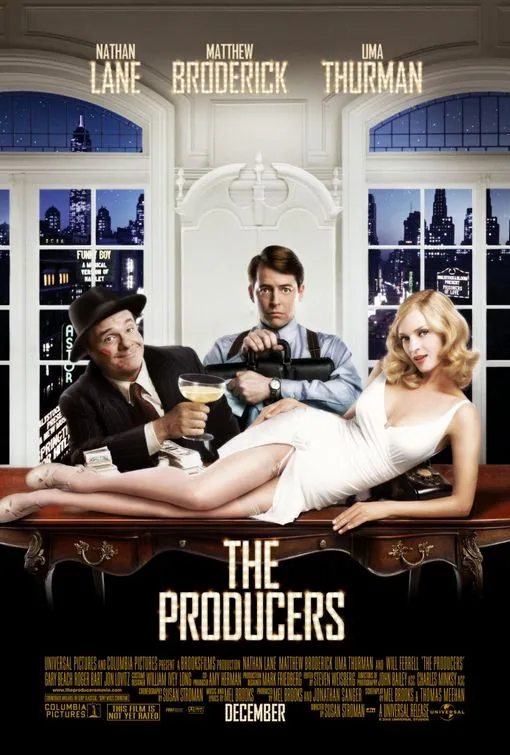
What changes Wet Hot American Summer: sketch-like episodes, rapid comic detours and chaotic convergence. The Producers: casting and rehearsal and opening night push the fraudulent plan from a private scheme into an uncontrollable spectacle.
After a Broadway flop, producer Max Bialystock hires accountant Leo Bloom, who notices that a deliberately unsuccessful show could make money through excess investment. Max persuades the anxious Leo to form a partnership and find the worst play they can produce. They choose Springtime for Hitler, written by former Nazi Franz Liebkind, and hire director Roger De Bris, expecting outrage to close the show. Instead the musical becomes an unexpected hit, turning the pair’s fraud into a public success they cannot control.
Based on recorded story, mood and style. Your preferences can change the order.
Coming of age
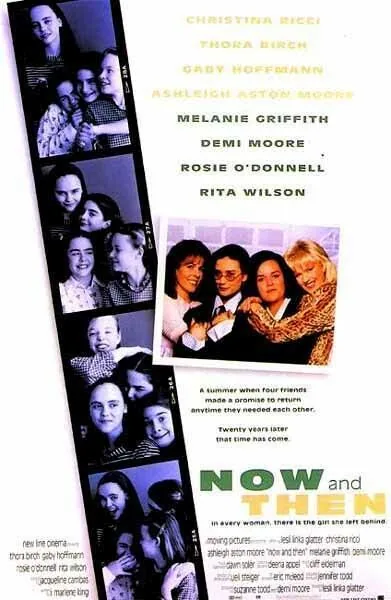
What changes Wet Hot American Summer: sketch-like episodes, rapid comic detours and chaotic convergence. Now and Then: present-day reunion frames episodic memories that build toward a shared childhood discovery.
In 1995, four women return to their Indiana hometown and remember the summer they spent together as twelve-year-olds in 1970. Samantha, Teeny, Roberta and Chrissy each faced different questions about family, growing up and the people they hoped to become. Their childhood plan to build a tree house gives the summer a shared purpose, while a local mystery draws them toward the story of a boy who died years earlier. Adult conversation and flashbacks connect the friends’ present lives with the bonds and discoveries that shaped them, showing how their memories remain a part of who they are.
Based on recorded story, mood and style. Your preferences can change the order.
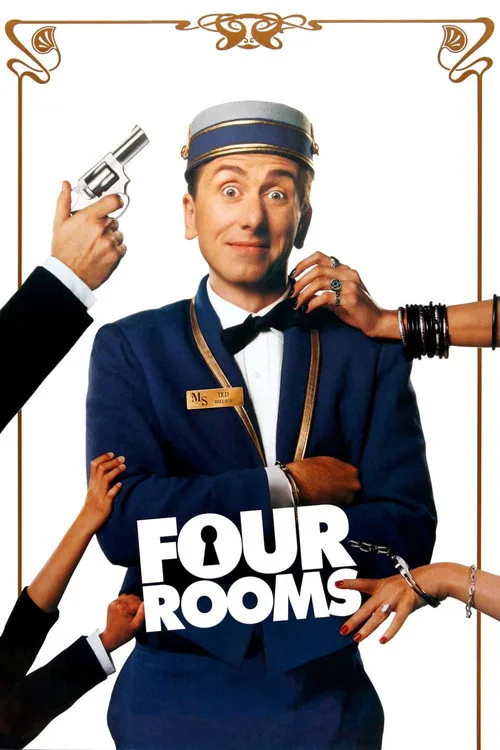
What changes Wet Hot American Summer: sketch-like episodes, rapid comic detours and chaotic convergence. Four Rooms: ted’s service calls connect a series of unrelated guests and increasingly risky requests..
On New Year’s Eve, newly hired bellhop Ted takes over the night shift at a Los Angeles hotel and becomes the connecting figure in four strange encounters. The stories move from a witchcraft ritual and an unruly group of children to a couple’s domestic emergency and a high-stakes wager among guests in the penthouse. Four directors contribute separate comic episodes, with Tim Roth’s increasingly frazzled performance linking the hotel’s rooms. The anthology relies on tonal changes and escalating misfortune rather than one continuous plot.
Based on recorded story, mood and style. Your preferences can change the order.
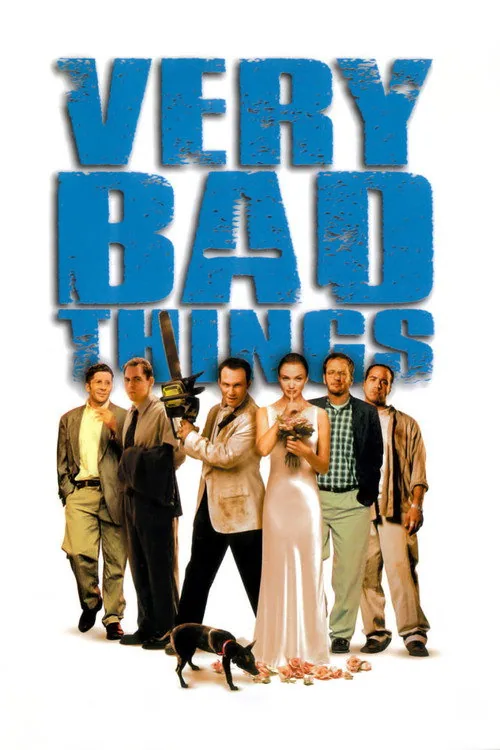
What changes Wet Hot American Summer: sketch-like episodes, rapid comic detours and chaotic convergence. Very Bad Things: las vegas mishap initiates concealment, each attempted fix creates further danger and homecoming lets paranoia erupt into violence.
Days before his wedding, Kyle Fisher joins four friends for a Las Vegas bachelor party that spirals into catastrophe when a hired entertainer dies accidentally. The group chooses concealment, then compounds the crime when a hotel security guard discovers what happened. Back home, the men try to resume ordinary lives and protect Kyle's wedding, but their panic and competing instincts turn one cover-up into a chain of violence that also exposes the couple's brittle relationship.
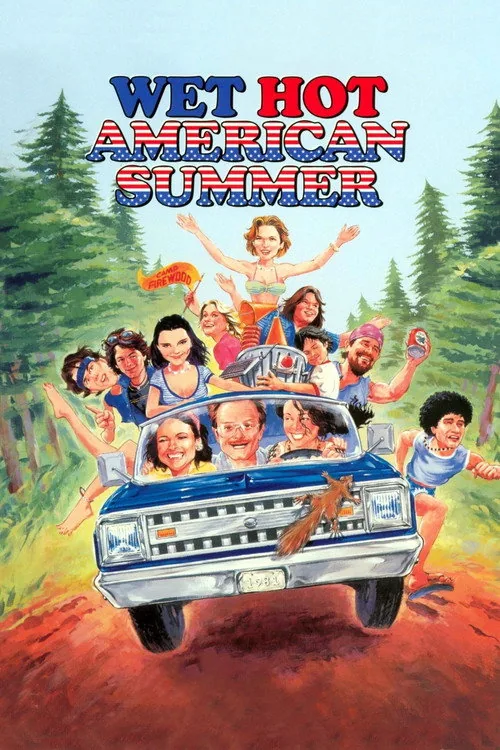
On the last day of the 1981 summer at Camp Firewood, counselors juggle crushes, grudges, errands, and the camp's evening talent show. Cook Gene tries to keep his eccentric private life hidden, while camp director Beth and counselor Ben navigate romantic complications and looming change. The stories build toward a chaotic finale in which every thread seems to become more absurd. David Wain's comedy parodies summer-camp movies through deliberate anachronism, surreal digressions, and an ensemble of counselors whose self-importance rarely matches their responsibilities.
What drives the story
The counselors' competing plans and romantic tangles converge on the last evening's talent show and the approaching end of camp.
The people at its centre
Friendships, crushes, and rivalries are played at exaggerated volume as self-serious counselors make impulsive choices.
What it feels like
Anachronistic jokes, surreal side stories, and an unusually dense ensemble create a deliberately chaotic parody.
Worth knowing
Its youthful camp setting is a setup for broad adult comedy, not a realistic account of summer-camp work or teen development.
summer freedom and endingsromance and self-inventioncamp community