Explore films connected to Woman of the Hour through Gendered vulnerability, Performance and deception, Victim recognition. Choose the qualities you want to carry into your next watch.
What should feel similar?
Find your next favourite
9 films · Closest overall matches
Hide films you’ve seen or don’t want. Saved on this device.
No matches for this combination yet.
Try another option or reset your choices to see more films.
Based on recorded story, mood and style. Your preferences can change the order.
Investigation
What changes Woman of the Hour: parallel-story structure, gradual dread and incident-based progression. The Good Nurse: slow-building, procedural and quietly suspenseful.
Amy Loughren is an intensive-care nurse and single mother whose heart condition and lack of insurance make steady work essential. She befriends new colleague Charles Cullen, an experienced nurse who supports her on night shifts, but unexplained patient deaths lead investigators to suspect deliberate harm. Amy becomes a crucial source of information while facing the personal danger and professional pressure of cooperating. Tobias Lindholm’s true-crime drama focuses on the difficult process of recognizing and proving abuse inside a hospital.
Based on recorded story, mood and style. Your preferences can change the order.
Investigation
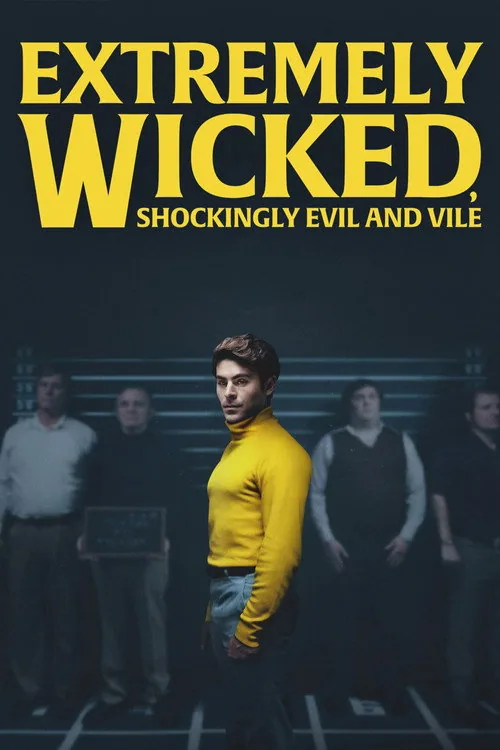
What changes Woman of the Hour: parallel-story structure, gradual dread and incident-based progression. Extremely Wicked, Shockingly Evil and Vile: liz’s belief in her partner is tested as court cases and evidence make his denials harder to sustain..
In late-1960s Seattle, law student Ted Bundy begins a relationship with single mother Liz Kendall and becomes part of her family life. As reports of murders spread and Bundy is arrested, tried, and convicted, Liz struggles to reconcile the attentive man she knew with the evidence and escalating legal cases. Joe Berlinger’s drama largely follows events through Liz’s perspective, showing the public spectacle around Bundy and her long uncertainty without centering the victims’ experiences. The film is a dramatization of a real criminal case, not a documentary record.
Based on recorded story, mood and style. Your preferences can change the order.
Criminal underworld · Investigation
What changes Woman of the Hour: parallel-story structure, gradual dread and incident-based progression. Fatale: a concealed relationship develops into a coercive crime plot.
Derrick, a former athlete turned agent, has a one-night encounter with Valerie, a detective who later appears in his life under troubling circumstances. As she investigates a crime connected to him, their relationship becomes entangled with manipulation, blackmail and a plan that threatens his marriage. The erotic thriller follows a man whose attempt to keep separate parts of his life concealed only deepens his vulnerability.
Based on recorded story, mood and style. Your preferences can change the order.
Criminal underworld · Investigation
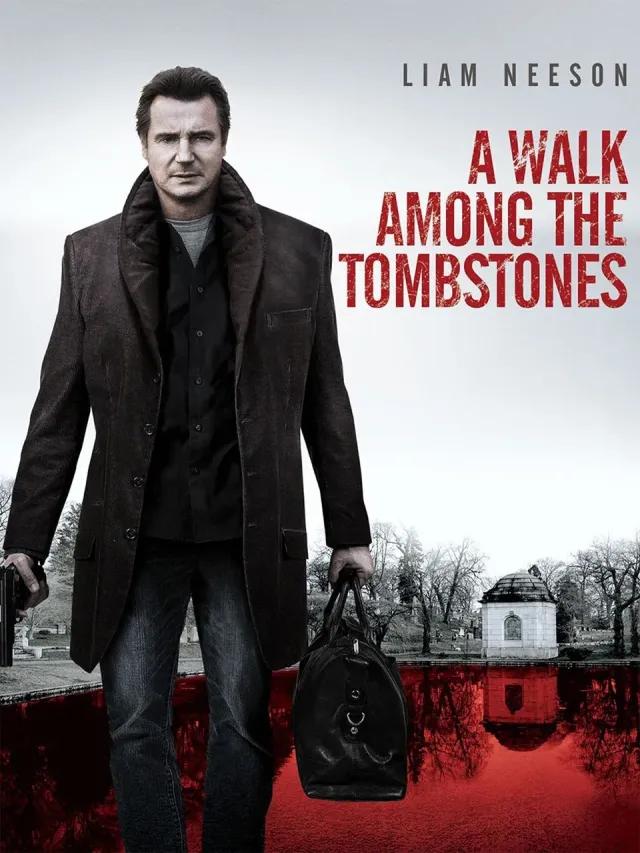
What changes Woman of the Hour: parallel-story structure, gradual dread and incident-based progression. A Walk Among the Tombstones: patient evidence gathering interrupted by sudden danger.
A former New York police officer working as an unlicensed private investigator is hired to find the people responsible for kidnapping and killing a drug trafficker’s wife. The case draws him into a violent world where victims and criminals overlap, while his own recovery from past damage complicates the hunt. The crime thriller is bleak and deliberate, centered on investigation rather than flashy heroics.
Based on recorded story, mood and style. Your preferences can change the order.
Criminal underworld · Investigation
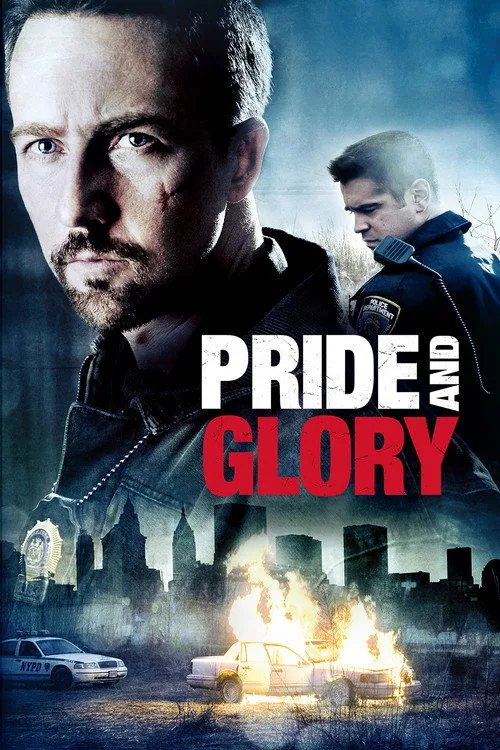
What changes Woman of the Hour: parallel-story structure, gradual dread and incident-based progression. Pride and Glory: procedural investigation, steady revelation and dramatic confrontations.
Ray Tierney, a New York detective, is drawn into an investigation after four officers are killed during a drug bust. The case touches his father, brother, and brother-in-law, all connected to the police department, and evidence begins to suggest that the violence may involve corruption inside the family institution. Ray must decide how far loyalty can extend when it conflicts with the evidence and with the public trust his work is meant to serve. The crime drama uses a multigenerational police family to explore duty, complicity, and the cost of exposing wrongdoing.
Based on recorded story, mood and style. Your preferences can change the order.
Criminal underworld
What changes Woman of the Hour: parallel-story structure, gradual dread and incident-based progression. Pulp Fiction: steady and intense.
Intersecting episodes follow two hired killers, a boxer who refuses an arranged defeat, and people caught around a Los Angeles crime boss. An evening escort assignment, a mysterious briefcase and an accidental shooting turn routine professional obligations into crises requiring improvisation. By presenting these encounters out of chronological order, the film lets survival, humiliation and an unexpected possibility of moral change recur across a world of casual criminal conversation.
Based on recorded story, mood and style. Your preferences can change the order.
Criminal underworld · Investigation
What changes Woman of the Hour: parallel-story structure, gradual dread and incident-based progression. Ava: mission sequences alternate with family conflict and pursuit.
Ava is a trained assassin who travels internationally to carry out carefully planned killings. When one assignment goes wrong, the organization that employs her questions her reliability, while her return home reopens difficult family relationships. The action thriller connects professional violence with personal accountability, asking whether Ava can separate the discipline of her work from the harm it brings into her private life.
Based on recorded story, mood and style. Your preferences can change the order.
Criminal underworld · Investigation
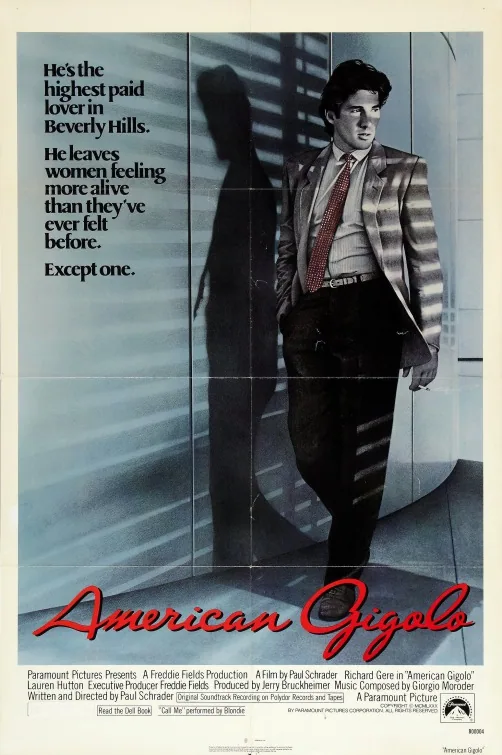
What changes Woman of the Hour: parallel-story structure, gradual dread and incident-based progression. American Gigolo: measured and then tense.
Julian Kaye earns a living as a high-end escort for wealthy clients in Los Angeles and takes pride in his appearance, style, and independence. His routine changes when he begins a relationship with Michelle, the wife of a local politician, and is later connected to the murder of a client. As police suspicion closes in, Julian's polished self-image offers little protection, and his dependence on a network of patrons becomes harder to ignore.
Based on recorded story, mood and style. Your preferences can change the order.
Criminal underworld
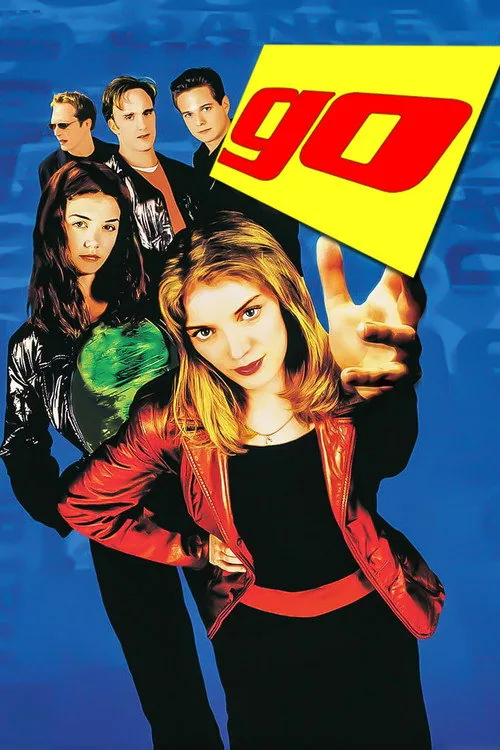
What changes Woman of the Hour: parallel-story structure, gradual dread and incident-based progression. Go: fast, intercut narrative and escalating complications.
On Christmas Eve in Los Angeles, grocery-store cashier Ronna accepts a risky drug-dealing job to cover her rent, setting off a chain of events that connects several groups of young people. The story revisits the same night from shifting viewpoints, moving among Ronna’s dangerous transaction, her friends’ trip to Las Vegas, and the increasingly chaotic consequences for a pair of soap-opera actors. Doug Liman’s crime comedy uses intersecting stories, club culture, and fast reversals to turn one small choice into a citywide tangle.
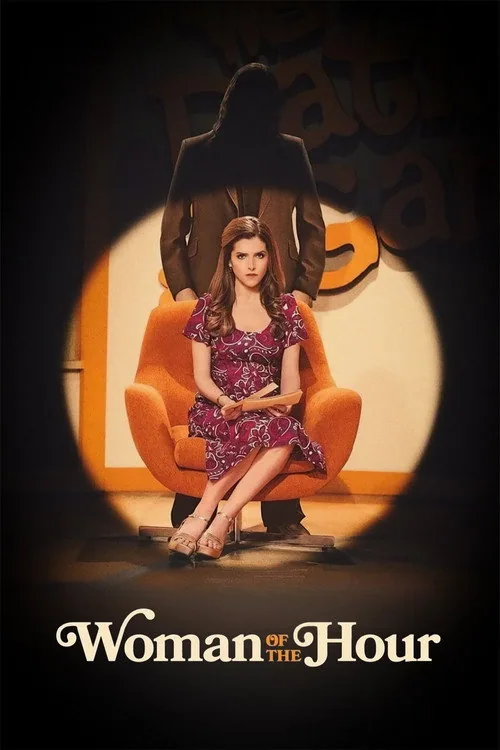
In 1970s Los Angeles, aspiring actor Cheryl Bradshaw becomes a contestant on the television dating show The Dating Game, where bachelor Rodney Alcala appears charming to the studio audience. Away from the cameras, Alcala is a serial killer whose victims and crimes form the other strand of the story. Anna Kendrick’s crime drama draws on a real case to examine gendered danger, media spectacle, and how ordinary social settings can mask violence; it treats victims as more than plot clues.
What drives the story
A televised dating encounter is placed beside separate accounts of people endangered by Alcala’s concealed violence.
The people at its centre
Cheryl must judge a suitor through a performance-driven television format, while women around Alcala face institutions that often discount warning signs.
What it feels like
The film builds unease through juxtaposition and period media texture, with violence presented in a grounded true-crime register.
Worth knowing
It examines a known serial-killer case through the women affected and the show’s spectacle, rather than making the killer a glamorous detective puzzle.
Gendered vulnerabilityPerformance and deceptionVictim recognition