A violent collision links otherwise separate lives and redirects each story toward loss and consequence.
Why this matches +
Selected for the central appeal: Fragmented dramas linking grief, guilt and revenge across lives changed by tragedy.
Genres: Crime / Drama
Shared film traits
Based on recorded story, mood and style. Your preferences can change the order.
Both directed by Alejandro González Iñárritu.
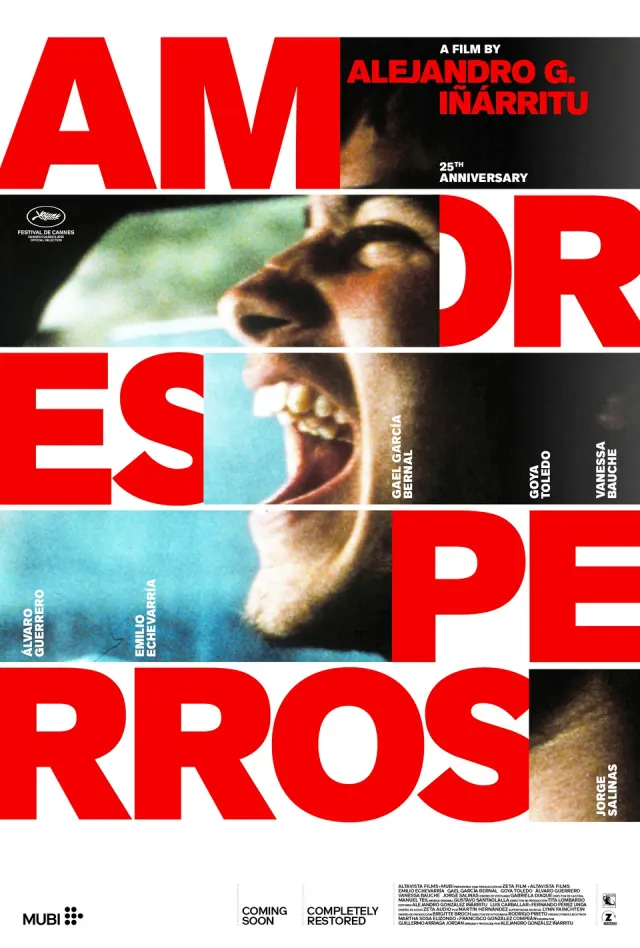
What changes Amores perros shares Iñárritu's intersecting lives and a devastating traffic collision that reshapes them.
A car crash in Mexico City connects three stories about a young driver, a model and a man living outside ordinary society. Their separate choices around love, money, violence and loyalty reveal how one event can expose different forms of desperation. The film’s fractured structure returns to the collision as a hinge between intimate lives and urban pressures.
A collision draws James and Catherine into a group whose members pursue sexual experience through the danger and symbolism of car accidents.
Why this matches +
Selected for the central appeal: Fragmented dramas linking grief, guilt and revenge across lives changed by tragedy.
Genres: Drama / Thriller
Shared film traits
Based on recorded story, mood and style. Your preferences can change the order.
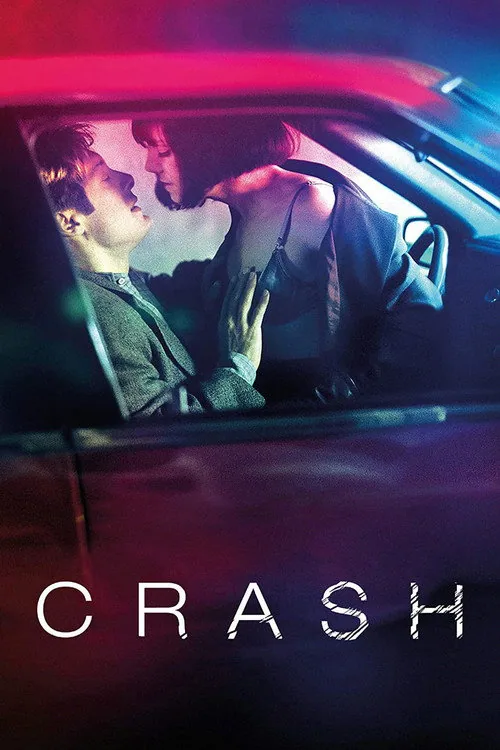
What changes Crash interweaves multiple lives through a collision and the consequences of their encounters.
After a near-fatal collision, advertising executive James Ballard and his wife Catherine become involved with a group drawn to the erotic possibilities of car crashes. Their encounters with accident survivor Helen Remington and the obsessive Vaughan deepen a shared fascination with danger, injury, technology, and death. David Cronenberg adapts J. G. Ballard’s novel as a deliberately confrontational psychological drama. It contains explicit adult sexual material, fetishization of car accidents, injury, and violence, and is not a conventional action film about crashes.
A murder inquiry intersects with an unofficial search for revenge, allowing old trauma and local loyalties to distort how ambiguous behaviour is interpreted.
Why this matches +
These offer a related experience with a meaningful difference in story, tone, or presentation.
An adjacent discovery: a related idea with a different viewing experience.
Genres: Crime / Drama
Shared film traits
Based on recorded story, mood and style. Your preferences can change the order.
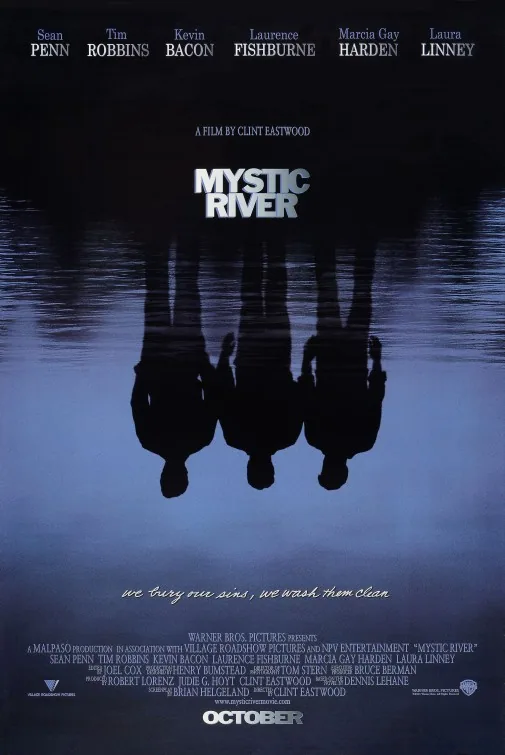
What changes Mystic River follows grief, guilt and revenge after tragedy entangles a group of people.
The murder of a young woman reconnects three Boston men whose childhood friendship was fractured by one boy's abduction and abuse. One is now the victim's father, another a police investigator, and the third returns home injured on the night she dies. Their different responses to grief and remembered vulnerability produce competing accounts of what happened, while neighbourhood loyalties turn suspicion into a force that can outrun evidence.
The bombing creates a loss that legal process can investigate but cannot repair.
Why this matches +
These offer a related experience with a meaningful difference in story, tone, or presentation.
An adjacent discovery: a related idea with a different viewing experience.
Genres: Drama / Thriller
Shared film traits
Based on recorded story, mood and style. Your preferences can change the order.
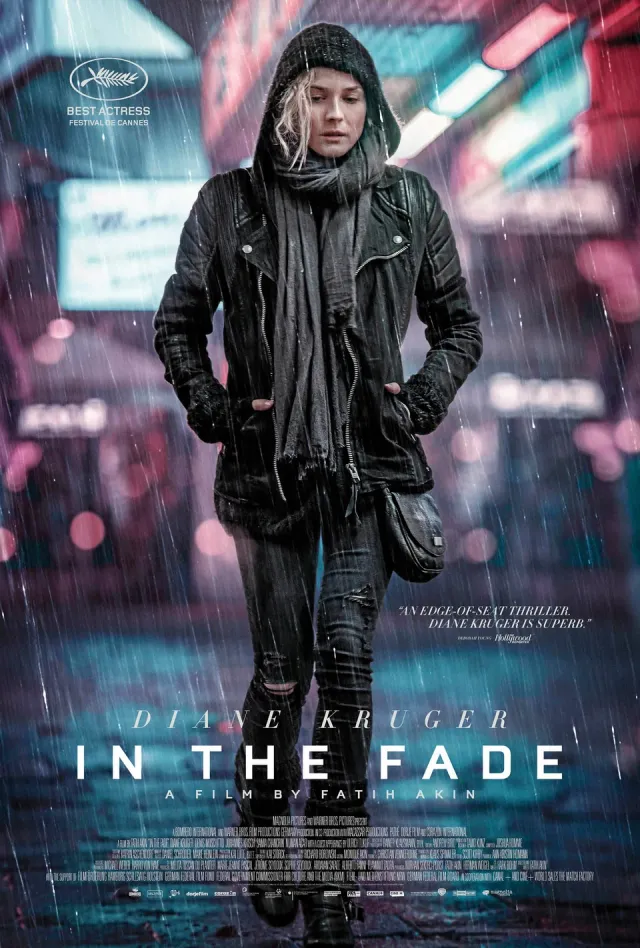
What changes In the Fade follows a grieving woman's pursuit of justice after the loss of her family.
Katja’s life is shattered when a neo-Nazi bombing kills her husband Nuri and their young son in Hamburg. The investigation and trial bring grief into contact with a justice system that cannot restore what she has lost, and her response turns toward revenge. Fatih Akin structures the film in distinct phases, following the changing form of Katja’s anger and the moral cost of seeking certainty through punishment.
An amateur revenge act creates a reciprocal threat to a family and reveals that the certainty justifying the initial target was incomplete.
Why this matches +
These offer a related experience with a meaningful difference in story, tone, or presentation.
An adjacent discovery: a related idea with a different viewing experience.
Genres: Thriller / Crime
Shared film traits
Based on recorded story, mood and style. Your preferences can change the order.
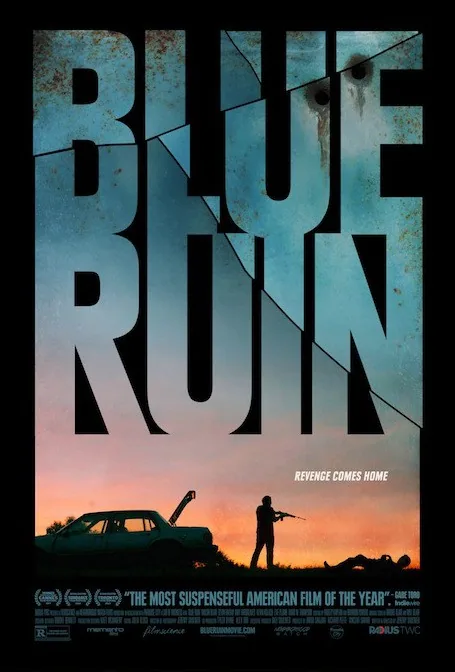
What changes Blue Ruin examines how grief and revenge create further harm for people connected to a past death.
A man living at the margins learns that the person convicted of killing his parents is being released from prison. His attempt at revenge succeeds in one immediate sense but exposes his lack of practical competence and puts his sister's household at risk. Learning more about the original crime does not offer an easy route back, as family loyalties and retaliatory assumptions make further violence seem like the only remaining protection.
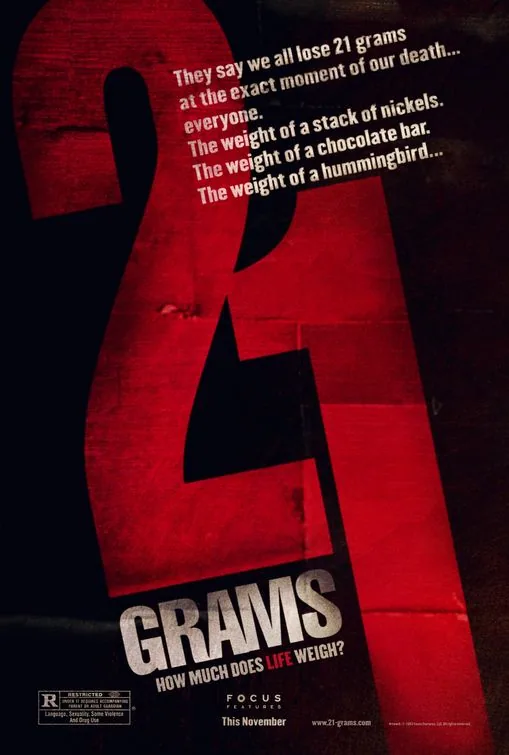
A fatal traffic collision binds a grieving mother, a terminally ill mathematician, and a former convict trying to live through religious faith. As transplantation, desire, guilt, and revenge connect them, the film moves across different moments rather than presenting events in order. Each new fragment revises the meaning of an earlier encounter, making private suffering inseparable from another person's damaged life.
What drives the story
A collision and its aftermath connect three lives through a fragmented chronology that withholds causes and consequences.
The people at its centre
Grief and guilt draw strangers into intimacy and retaliation while faith fails to make responsibility straightforward.
What it feels like
Abrupt temporal shifts and raw performances create an emotionally abrasive experience of loss and damaged connection.
Worth knowing
Compare fragmented storytelling that makes grief, transplantation and retaliatory desire connect otherwise separate lives; a linear revenge mission lacks the same delayed reassessment of responsibility and intimacy.