An aspiring photographer's account follows the growth of violent power while his own route away depends on documenting people he cannot safely oppose.
Why this matches +
Violent urban lives intersect through class, family loyalty and the irreversible consequences of private decisions.
Genres: Crime / Drama
Shared film traits
Based on recorded story, mood and style. Your preferences can change the order.
Criminal underworld
What changes Amores perros: fragmented and intensifying. City of God: fast.
A young man growing up in a Rio de Janeiro housing project watches local crime evolve from opportunistic theft into an organised struggle over territory. His interest in photography creates a possible position outside the violence, but access to an image requires proximity to the people controlling it. Recounted episodes connect personal survival to a wider cycle in which reputation, childhood exclusion and revenge continually supply new participants.
Five interwoven threads show how Camorra influence reaches payments, fashion production, toxic waste, and the ambitions of local teenagers.
Why this matches +
Violent urban lives intersect through class, family loyalty and the irreversible consequences of private decisions.
Genres: Crime / Drama
Shared film traits
Based on recorded story, mood and style. Your preferences can change the order.
Criminal underworld
What changes Amores perros: fragmented and intensifying. Gomorrah: parallel character threads, incremental violence and pressure and cumulative social portrait.
Set around Naples and the Camorra, this crime drama follows several people whose lives are entangled with organized crime: an accountant delivering payoffs, teenagers drawn toward gang power, a tailor navigating an illegal clothing operation, and a waste contractor profiting from toxic dumping. Their stories do not converge into one heroic investigation; instead, they reveal how criminal control shapes ordinary work, housing, ambition, and fear. The film's interlocking episodes create a stark portrait of a system whose influence reaches beyond the obvious gunmen.
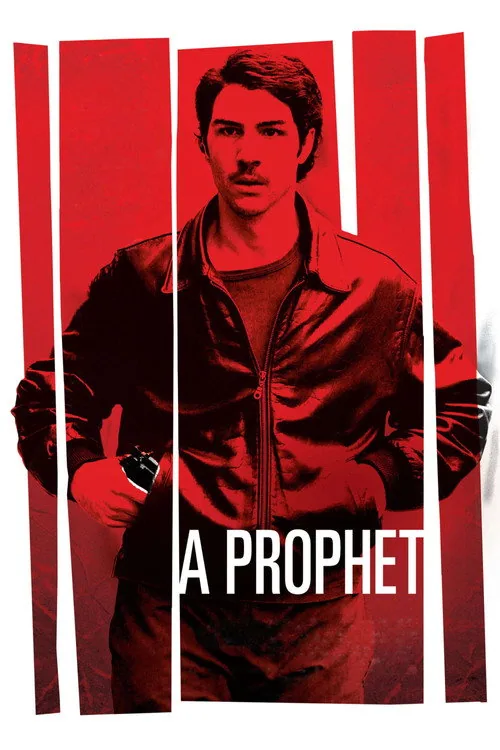
Malik works under Luciani and gradually develops an independent position within prison and criminal networks.
Why this matches +
Violent urban lives intersect through class, family loyalty and the irreversible consequences of private decisions.
Genres: Crime / Drama
Shared film traits
Based on recorded story, mood and style. Your preferences can change the order.
Criminal underworld
What changes Amores perros: fragmented and intensifying. A Prophet: an isolated new inmate turns the skills he acquires in prison into influence beyond it..
Nineteen-year-old Malik El Djebena enters prison illiterate and vulnerable, then is forced by Corsican crime boss César Luciani to assassinate a prisoner. The killing secures Malik’s place under Luciani’s protection but also makes him a low-ranking servant in the prison hierarchy. Malik learns languages, builds relationships across the prison’s rival factions, and uses day releases to create a criminal network of his own. Jacques Audiard’s French prison crime drama follows a gradual rise in power while keeping attention on the cost of Malik’s compromises and adaptation.
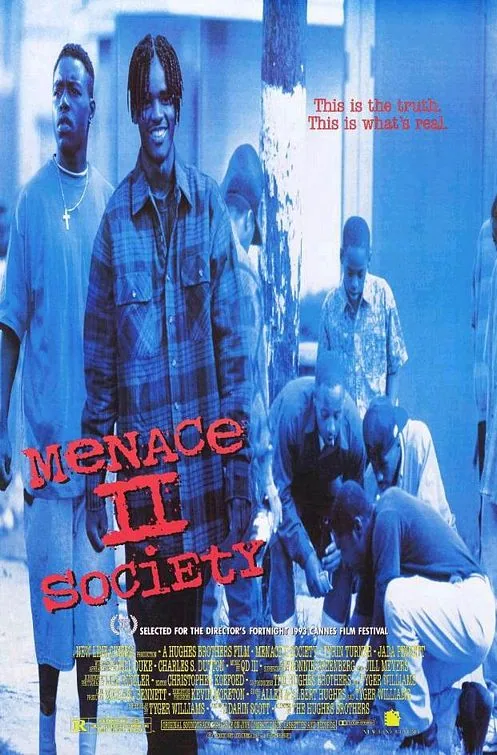
A young man weighs leaving gang life while further violence pulls him toward retaliation.
Why this matches +
Violent urban lives intersect through class, family loyalty and the irreversible consequences of private decisions.
Genres: Crime / Drama
Shared film traits
Based on recorded story, mood and style. Your preferences can change the order.
Criminal underworld
What changes Amores perros: fragmented and intensifying. Menace II Society: episodic with tragic momentum.
After high school, Caine Lawson considers leaving the gang-centered life around him in Watts, but violence and loyalty keep narrowing his choices. His friend O-Dog and the adults who advise him embody sharply different responses to their surroundings. The drama follows Caine's attempt to imagine another future while showing how neighborhood, grief and repeated retaliation make that possibility fragile.
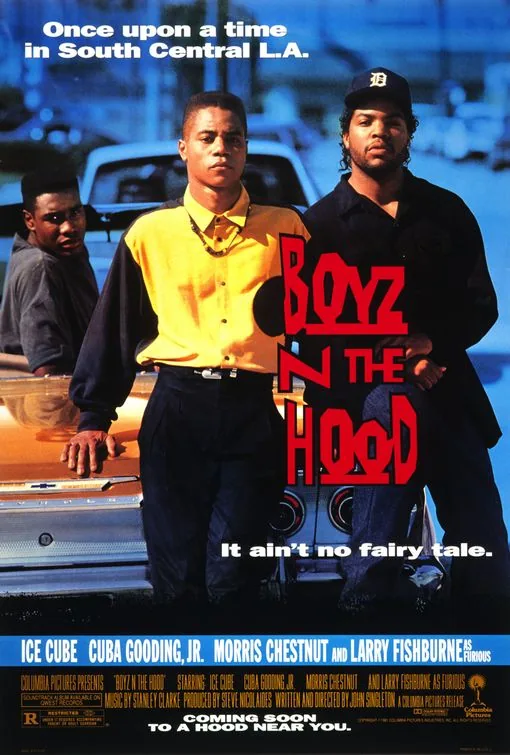
Tre's move into adolescence brings neighborhood dangers into sharper focus without making violence his only possible future.
Why this matches +
Violent urban lives intersect through class, family loyalty and the irreversible consequences of private decisions.
Genres: Drama / Crime
Shared film traits
Based on recorded story, mood and style. Your preferences can change the order.
What changes Amores perros: fragmented and intensifying. Boyz n the Hood: episodic and consequences build.
Tre Styles grows up in South Central Los Angeles, where his father tries to give him discipline and options amid neighborhood violence. His closest friends make different choices as they move through adolescence, and the consequences of those decisions become increasingly difficult to escape. The film centers family bonds, community pressures and young men's search for a future within a setting shaped by structural neglect and gun violence.
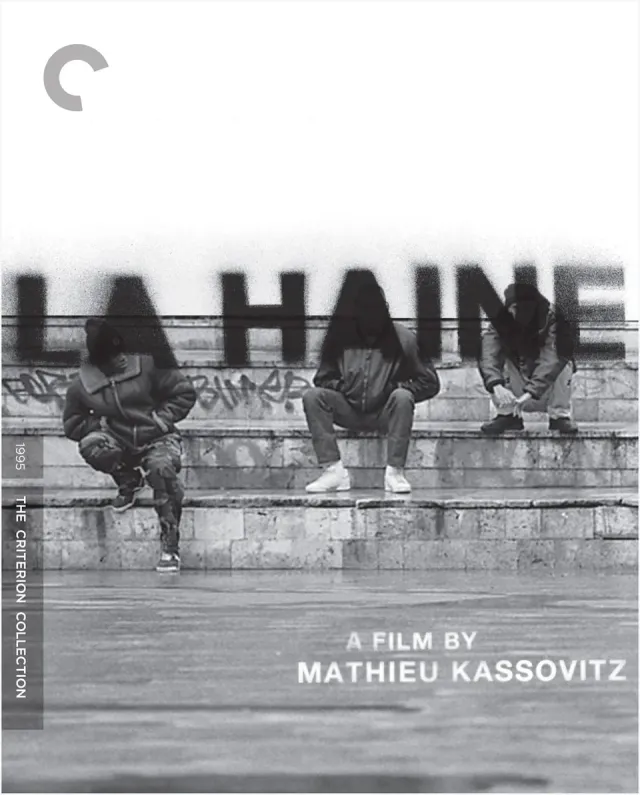
A day of movement and confrontation accumulates around a weapon and the possibility of retaliatory violence.
Why this matches +
Violent urban lives intersect through class, family loyalty and the irreversible consequences of private decisions.
Genres: Crime / Drama
Shared film traits
Based on recorded story, mood and style. Your preferences can change the order.
What changes Amores perros: fragmented and intensifying. La Haine: measured, episodic and escalating.
Three friends from a marginalised Paris suburb spend a tense day after a riot has left another young man critically injured. One carries a police gun and imagines retaliation, while the others respond with scepticism, bravado or attempts at restraint. Encounters in the suburb and the city repeatedly expose humiliation and exclusion, making aimless movement feel like a narrowing set of options.
A murder inquiry intersects with an unofficial search for revenge, allowing old trauma and local loyalties to distort how ambiguous behaviour is interpreted.
Why this matches +
Violent urban lives intersect through class, family loyalty and the irreversible consequences of private decisions.
Genres: Crime / Drama
Shared film traits
Based on recorded story, mood and style. Your preferences can change the order.
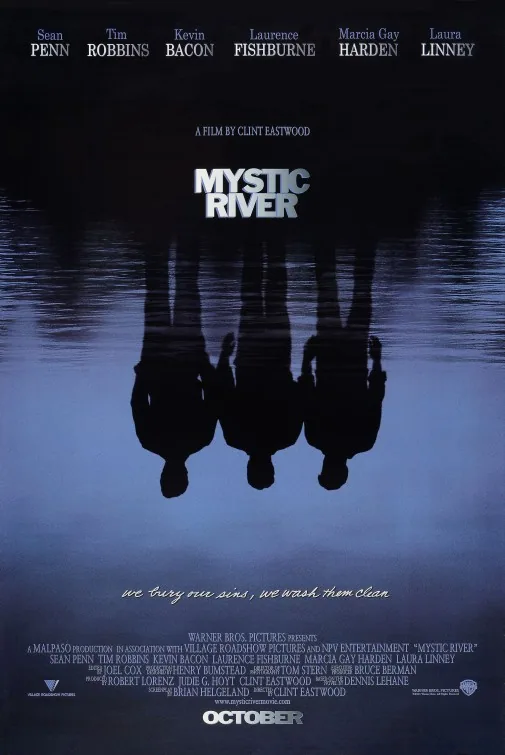
What changes Amores perros: fragmented and intensifying. Mystic River: slow burn.
The murder of a young woman reconnects three Boston men whose childhood friendship was fractured by one boy's abduction and abuse. One is now the victim's father, another a police investigator, and the third returns home injured on the night she dies. Their different responses to grief and remembered vulnerability produce competing accounts of what happened, while neighbourhood loyalties turn suspicion into a force that can outrun evidence.
Twins follow their mother's final instructions into a past marked by war and concealed family history.
Why this matches +
Violent urban lives intersect through class, family loyalty and the irreversible consequences of private decisions.
Genres: Drama / Mystery
Shared film traits
Based on recorded story, mood and style. Your preferences can change the order.
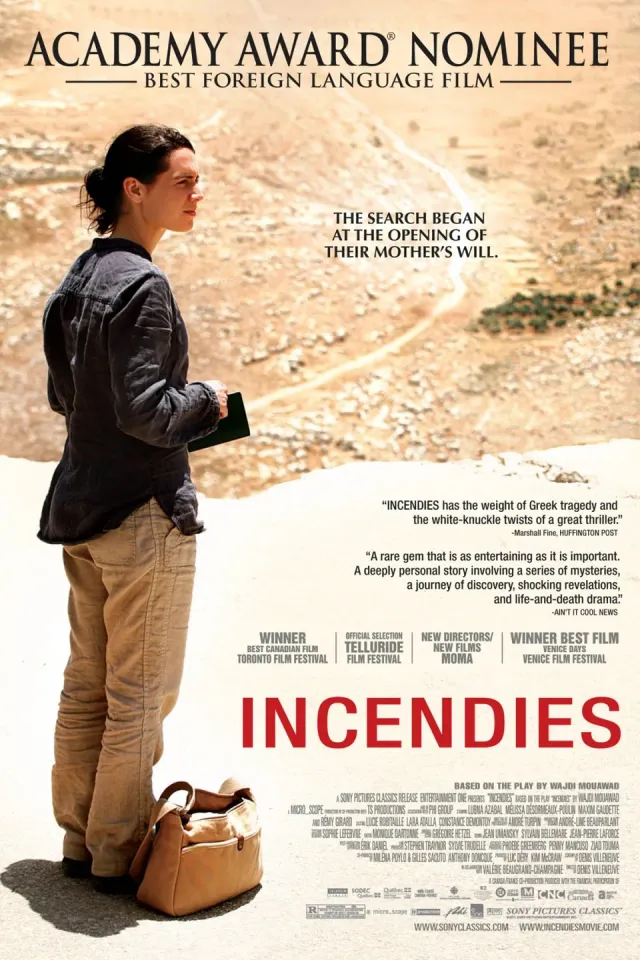
What changes Amores perros: fragmented and intensifying. Incendies: interwoven and gradually revealing.
After their mother's death, twins Jeanne and Simon receive instructions from her will to find a father they thought was dead and a brother they never knew existed. Jeanne follows the clues to their mother's past in a country scarred by civil war, while the film gradually reconstructs the choices and violence that shaped the family. Denis Villeneuve's drama interweaves a present-day investigation with wartime history, making memory and inheritance difficult to separate.
A precarious household takes in a neglected child and forms a family through care and theft.
Why this matches +
Violent urban lives intersect through class, family loyalty and the irreversible consequences of private decisions.
Genres: Drama / Crime
Shared film traits
Based on recorded story, mood and style. Your preferences can change the order.
What changes Amores perros: fragmented and intensifying. Shoplifters: observational and gradually revealing.
A poor Tokyo household survives through a mix of informal work and petty theft, with adults Osamu and Nobuyo caring for children who have limited security elsewhere. When the family brings a neglected young girl into their home, ordinary routines deepen into attachment and questions about who counts as family. Hirokazu Kore-eda's drama observes tenderness alongside ethical uncertainty, gradually revealing the histories and choices that hold the household together.
A family infiltration succeeds through staged appearances and replacement of workers, then an unforeseen encounter exposes competing claims to the security the household represents.
Why this matches +
Violent urban lives intersect through class, family loyalty and the irreversible consequences of private decisions.
Genres: Drama / Thriller
Shared film traits
Based on recorded story, mood and style. Your preferences can change the order.
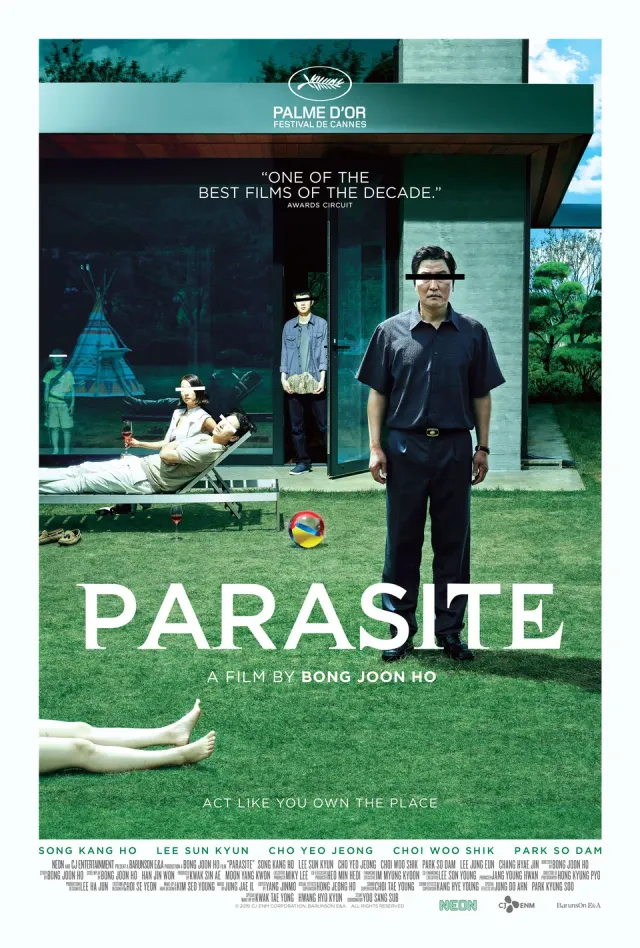
What changes Amores perros: fragmented and intensifying. Parasite: slow burn and intense.
A young man from a financially insecure Seoul family gains a tutoring job in a wealthy household using invented credentials. One appointment becomes a coordinated effort to place his relatives in other domestic roles, each concealed behind a separate identity. Their apparent ascent depends on the same insecurity they displace onto other workers, and an unexpected return reveals how much the house's comfortable surface has hidden from both employers and servants.
A collision and its aftermath connect three lives through a fragmented chronology that withholds causes and consequences.
Why this matches +
A fragmented or contested account of personal harm makes assigning responsibility harder than identifying a simple innocent party.
An adjacent discovery: a related idea with a different viewing experience.
Genres: Drama / Thriller
Shared film traits
Based on recorded story, mood and style. Your preferences can change the order.
Both directed by Alejandro González Iñárritu.
What changes Amores perros is tagged raw and restless; 21 Grams is tagged bleak and emotional.
A fatal traffic collision binds a grieving mother, a terminally ill mathematician, and a former convict trying to live through religious faith. As transplantation, desire, guilt, and revenge connect them, the film moves across different moments rather than presenting events in order. Each new fragment revises the meaning of an earlier encounter, making private suffering inseparable from another person's damaged life.
A domestic arrangement produces a disputed incident whose interpretation threatens two families' futures.
Why this matches +
A fragmented or contested account of personal harm makes assigning responsibility harder than identifying a simple innocent party.
An adjacent discovery: a related idea with a different viewing experience.
Genres: Drama
Shared film traits
Based on recorded story, mood and style. Your preferences can change the order.
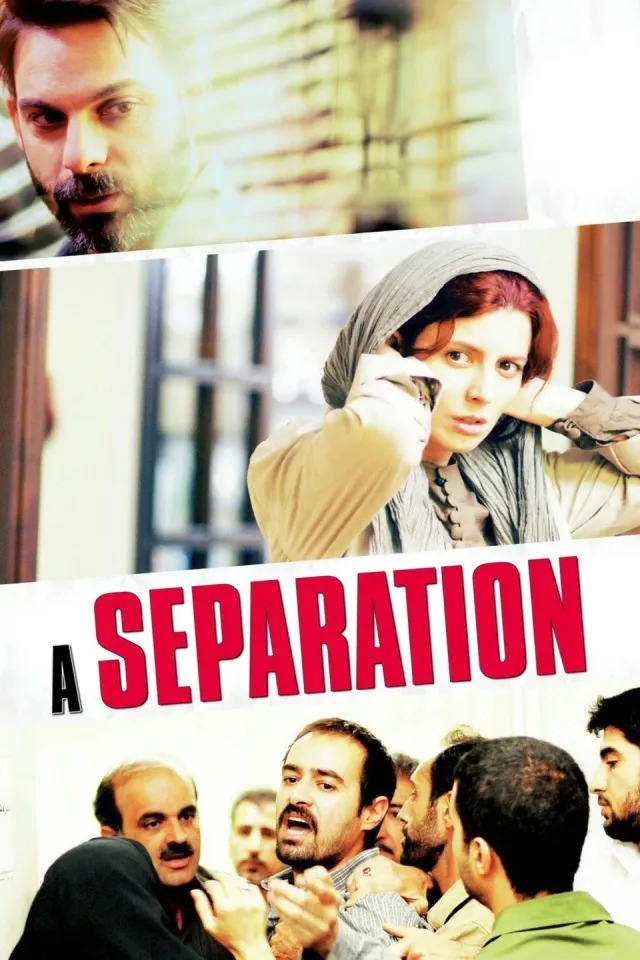
What changes Amores perros: fragmented and intensifying. A Separation: measured and escalating.
A couple's disagreement about leaving Iran leads to a household separation and the hiring of a caregiver for an elderly father. An incident between the caregiver and the husband produces accusations whose consequences reach both families. Class, religious obligation and partial knowledge complicate every account, while a daughter is pressed to navigate loyalties that the adults cannot reconcile.
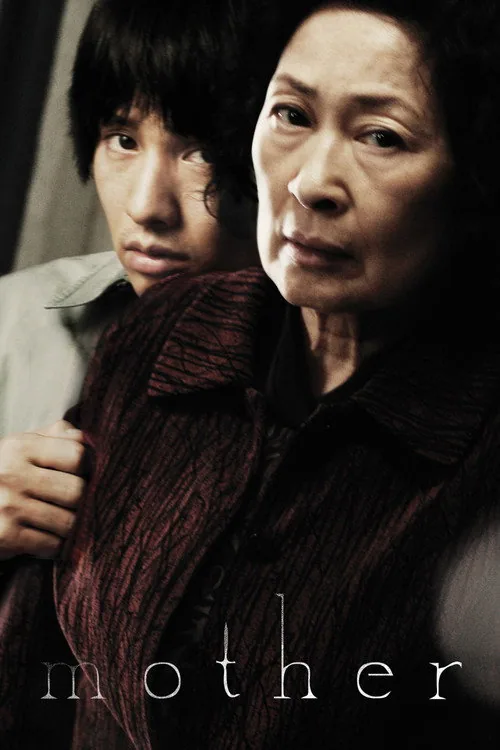
The mother pursues her own explanation of a murder as the official case and the town’s assumptions threaten her son’s future.
Why this matches +
A fragmented or contested account of personal harm makes assigning responsibility harder than identifying a simple innocent party.
An adjacent discovery: a related idea with a different viewing experience.
Genres: Crime / Thriller
Shared film traits
Based on recorded story, mood and style. Your preferences can change the order.
What changes Amores perros: fragmented and intensifying. Mother: investigation-driven, gradual revelation and tonal shifts.
An unnamed mother’s adult son, Do-joon, is arrested after a teenage girl is found murdered in their South Korean town. Convinced that the investigation has settled on him too quickly, she searches for evidence and questions people who knew the victim. Her determination is complicated by the limits of the police inquiry and by the town’s assumptions about her son. Bong Joon-ho’s neo-noir thriller becomes an unsettling study of devotion, denial, and moral compromise. It addresses the murder and sexual exploitation of a minor and contains violence and distressing family material.
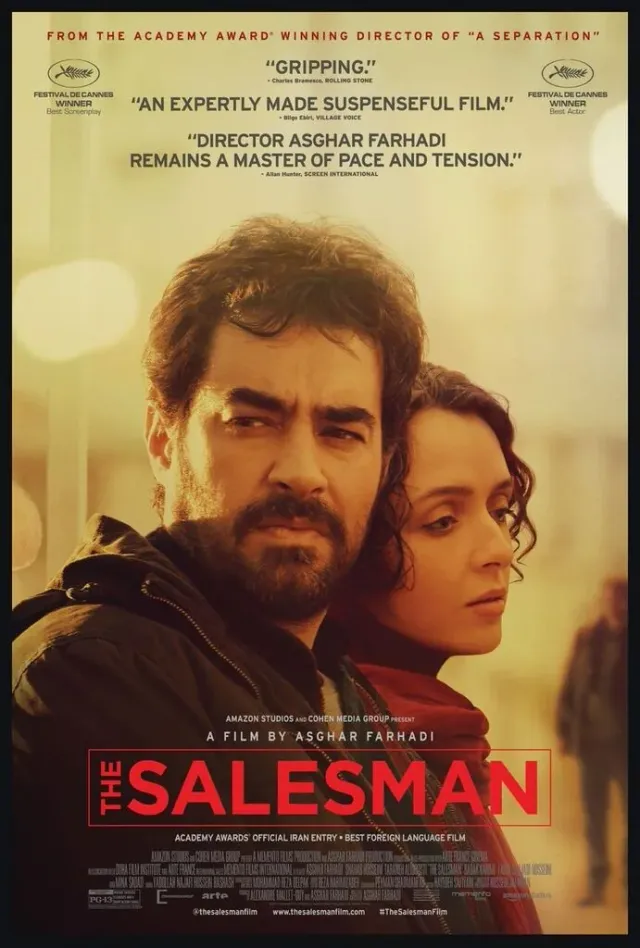
A violent intrusion and an apartment's hidden history provoke a search for the responsible person, but the pursuit itself becomes a conflict within the marriage.
Why this matches +
A fragmented or contested account of personal harm makes assigning responsibility harder than identifying a simple innocent party.
An adjacent discovery: a related idea with a different viewing experience.
Genres: Drama / Thriller
Shared film traits
Based on recorded story, mood and style. Your preferences can change the order.
What changes Amores perros: fragmented and intensifying. The Salesman: measured and psychological.
Literature teacher Emad and his wife Rana are rehearsing Death of a Salesman when structural damage forces them from their Tehran apartment into a flat whose previous tenant has left unresolved complications. After an incident while Rana is alone, Emad becomes intent on identifying the person responsible, while Rana is more concerned with recovering a sense of safety and privacy. The couple's different responses place pressure on both their marriage and their theatrical work, which starts to mirror the play's themes of pride, dignity and public failure. Emad's investigation leads him to an older man connected to the apartment's past. Rather than leave the matter to the authorities or accept Rana's wishes, he engineers a private confrontation that shifts the story from mystery toward moral reckoning.
Three separated stages of one life trace how protective habits form around experiences of shame, tenderness, violence and interrupted intimacy.
Why this matches +
A fragmented or contested account of personal harm makes assigning responsibility harder than identifying a simple innocent party.
An adjacent discovery: a related idea with a different viewing experience.
Genres: Drama / Coming-of-age
Shared film traits
Based on recorded story, mood and style. Your preferences can change the order.
What changes Amores perros: fragmented and intensifying. Moonlight: measured.
Across childhood, adolescence and adulthood, a quiet boy from Miami learns different ways to protect himself from bullying, instability at home and expectations of masculinity. A drug dealer and his partner offer care complicated by the economy harming his mother, while one friendship creates a vulnerable possibility of intimacy. The divisions between the three periods reveal how a hardened adult identity can preserve earlier wounds without extinguishing the desire to be known.
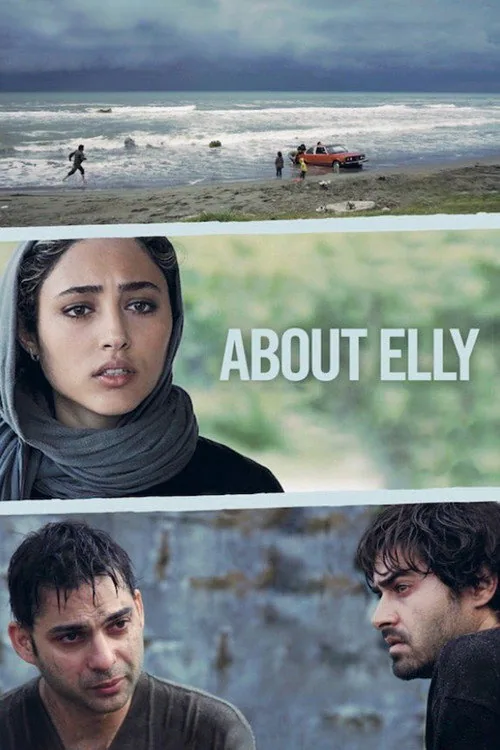
A seaside trip becomes a search when a child disappears and Elly, the group's invited guest, cannot be found.
Why this matches +
A fragmented or contested account of personal harm makes assigning responsibility harder than identifying a simple innocent party.
An adjacent discovery: a related idea with a different viewing experience.
Genres: Drama / Mystery
Shared film traits
Based on recorded story, mood and style. Your preferences can change the order.
What changes Amores perros: fragmented and intensifying. About Elly: gradual unease, ensemble argument shifts and moral suspense.
A group of middle-class friends travel to the Caspian Sea for a weekend and invite Elly, a kindergarten teacher, to meet Ahmad, who has recently returned from Germany. When a child disappears in the water, Elly is also missing, and the friends begin reconstructing what happened while trying to explain their choices to one another. As incomplete stories and social expectations surface, Asghar Farhadi's Iranian drama turns a holiday into a tightly observed moral investigation.
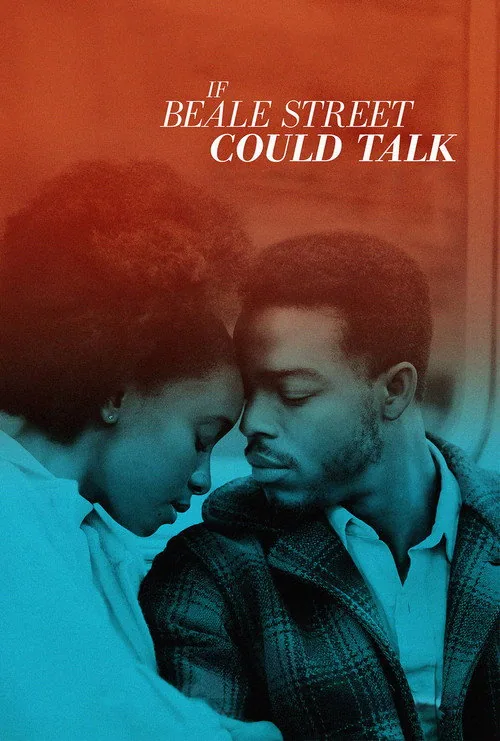
Tish recounts the couple's relationship while her family tries to prove Fonny's innocence before their child is born.
Why this matches +
A fragmented or contested account of personal harm makes assigning responsibility harder than identifying a simple innocent party.
An adjacent discovery: a related idea with a different viewing experience.
Genres: Drama / Romance
Shared film traits
Based on recorded story, mood and style. Your preferences can change the order.
What changes Amores perros: fragmented and intensifying. If Beale Street Could Talk: romance and housing search, legal struggle and reflective open ending.
In 1970s New York, childhood friends Tish Rivers and Fonny Hunt fall in love and try to build a life together despite housing discrimination. When Fonny is jailed for a crime he did not commit, Tish tells their story while pregnant and her family works to secure his release. The film moves across past and present, placing tenderness beside the legal and racial forces separating the couple. Barry Jenkins's adaptation centers Black family support, intimacy, and the emotional costs of a system built to deny justice.
A missing-child investigation develops alongside an unauthorised interrogation, placing professional evidence and desperate conviction on competing paths.
Why this matches +
A fragmented or contested account of personal harm makes assigning responsibility harder than identifying a simple innocent party.
An adjacent discovery: a related idea with a different viewing experience.
Genres: Thriller / Mystery
Shared film traits
Based on recorded story, mood and style. Your preferences can change the order.
What changes Amores perros: fragmented and intensifying. Prisoners: slow burn.
Two young girls disappear during a neighbourhood holiday gathering, leaving their families dependent on an investigation that produces uncertainty faster than reassurance. One father becomes convinced that a released suspect knows more than he admits and decides that protecting his child justifies methods the police will not use. The detective's parallel search exposes a wider history while the parent's private certainty creates victims and consequences of its own.
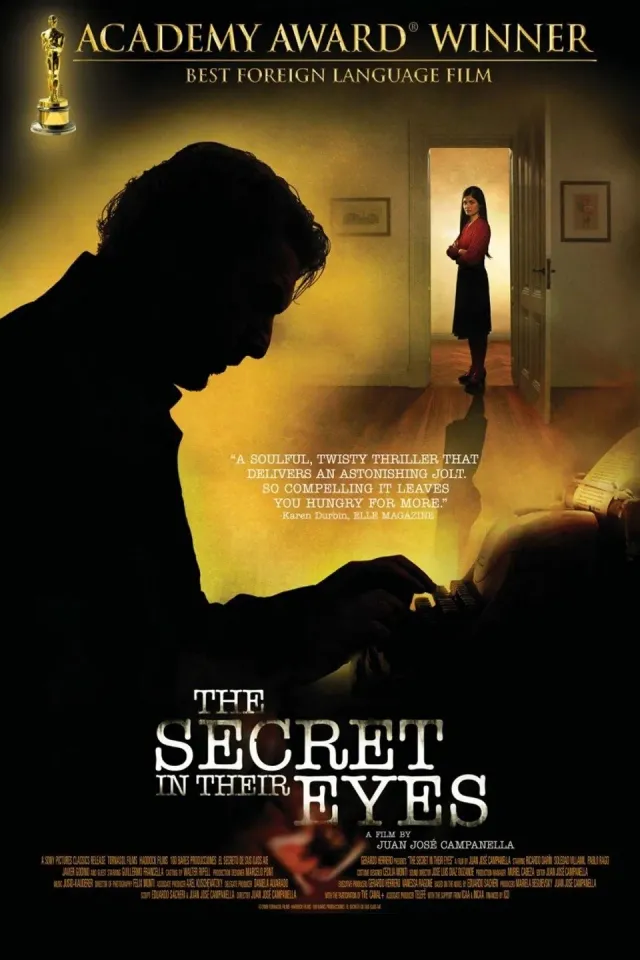
A retired investigator revisits an unresolved murder through memory and writing, uncovering how legal power and political violence shaped the original case.
Why this matches +
A fragmented or contested account of personal harm makes assigning responsibility harder than identifying a simple innocent party.
An adjacent discovery: a related idea with a different viewing experience.
Genres: Crime / Drama
Shared film traits
Based on recorded story, mood and style. Your preferences can change the order.
What changes Amores perros: fragmented and intensifying. The Secret in Their Eyes: nonlinear and patiently unfolding.
Retired legal investigator Benjamín Espósito begins writing about a rape and murder case that has haunted him for decades. Reconstructing the investigation takes him back to 1970s Argentina, where he worked with his superior Irene and encountered Ricardo Morales, the victim's grieving husband. The search for the killer was shaped by institutional corruption and the political climate, while Benjamín's restrained feelings for Irene remained unresolved. In the present, details that seemed settled become newly uncertain as memory and evidence are tested against one another. Benjamín's decision to revisit the case is not only professional: the act of writing forces him to confront what he has avoided in both the investigation and his personal life.
The rifle's movement links otherwise separate lives, while officials turn an accident into different crises according to border and national power. The story's temporal gaps make connection emerge gradually rather than chronologically.
Why this matches +
A fragmented or contested account of personal harm makes assigning responsibility harder than identifying a simple innocent party.
An adjacent discovery: a related idea with a different viewing experience.
Genres: Drama
Shared film traits
Based on recorded story, mood and style. Your preferences can change the order.
What changes Amores perros: fragmented and intensifying. Babel: measured.
A rifle changes hands in Morocco, where a shooting links the lives of an American couple, a local family, a Mexican caregiver and a Japanese teenager whose father once owned the weapon. The film moves among these stories through gaps in time and language rather than following one investigator toward a single answer. Border officials and police respond differently according to citizenship and perceived threat, so consequences spread unevenly even when people are connected by the same object. Babel is an ensemble drama about communication and care under unequal systems, not a claim that all suffering is equivalent.
A car crash in Mexico City connects three stories about a young driver, a model and a man living outside ordinary society. Their separate choices around love, money, violence and loyalty reveal how one event can expose different forms of desperation. The film’s fractured structure returns to the collision as a hinge between intimate lives and urban pressures.
What drives the story
A violent collision links otherwise separate lives and redirects each story toward loss and consequence.
The people at its centre
Characters pursue affection or security through choices that expose unequal power and damaged loyalties.
What it feels like
The shifting chapters reward attention to recurring details while sustaining an urgent street-level texture.
Worth knowing
Interlocking social drama differs from a single-protagonist crime thriller or conventional anthology.