An aspiring photographer's account follows the growth of violent power while his own route away depends on documenting people he cannot safely oppose.
Why this matches +
Organized crime functions as a material social economy shaping ordinary work, family and limited opportunities.
Genres: Crime / Drama
Shared film traits
Based on recorded story, mood and style. Your preferences can change the order.
Criminal underworld
What changes Gomorrah: parallel character threads, incremental violence and pressure and cumulative social portrait. City of God: fast.
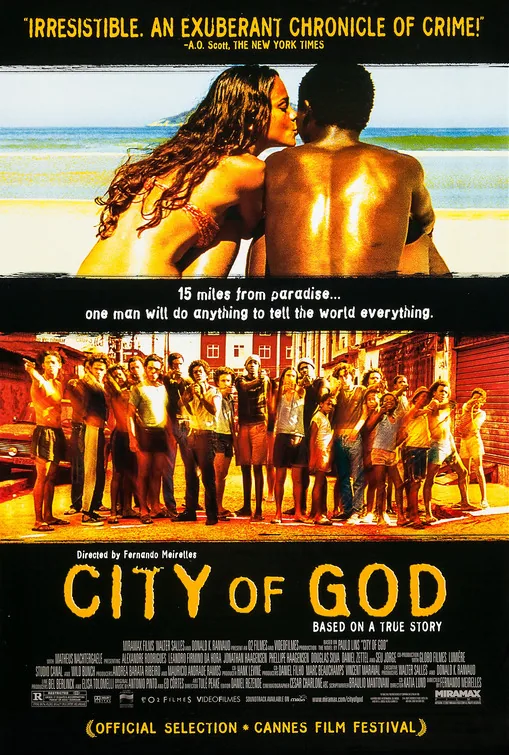
A young man growing up in a Rio de Janeiro housing project watches local crime evolve from opportunistic theft into an organised struggle over territory. His interest in photography creates a possible position outside the violence, but access to an image requires proximity to the people controlling it. Recounted episodes connect personal survival to a wider cycle in which reputation, childhood exclusion and revenge continually supply new participants.
Several connected but not identical storylines make the drug economy visible as a network of family decisions, police work, policy and money.
Why this matches +
Organized crime functions as a material social economy shaping ordinary work, family and limited opportunities.
Genres: Crime / Drama
Shared film traits
Based on recorded story, mood and style. Your preferences can change the order.
Criminal underworld
What changes Gomorrah: parallel character threads, incremental violence and pressure and cumulative social portrait. Traffic: multi-strand and gradual convergence.
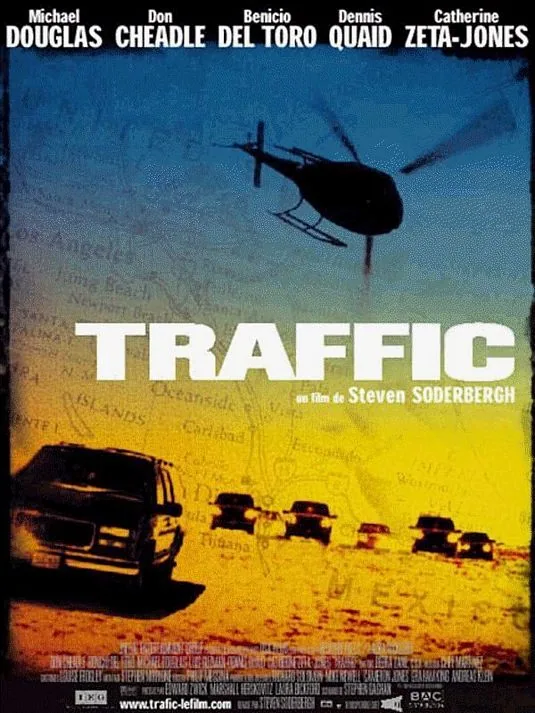
A newly appointed American drug czar discovers that the policy he is meant to oversee reaches directly into his own family when his teenage daughter develops a dependency. At the same time, a Mexican police officer tries to protect a partner and maintain a moral line inside a system where corruption is routine, while two San Diego agents pursue a case that connects local enforcement to a powerful cartel. In another strand, a wealthy businessman’s arrest leaves his sheltered wife to confront the machinery behind their comfortable life. The stories remain distinct but echo one another through uneven power, compromised institutions and the way a public drug war enters private homes. The film asks what control can mean when each level of the system depends on what the others conceal.
Malik works under Luciani and gradually develops an independent position within prison and criminal networks.
Why this matches +
Organized crime functions as a material social economy shaping ordinary work, family and limited opportunities.
Genres: Crime / Drama
Shared film traits
Based on recorded story, mood and style. Your preferences can change the order.
Criminal underworld · Survival
What changes Gomorrah: parallel character threads, incremental violence and pressure and cumulative social portrait. A Prophet: an isolated new inmate turns the skills he acquires in prison into influence beyond it..
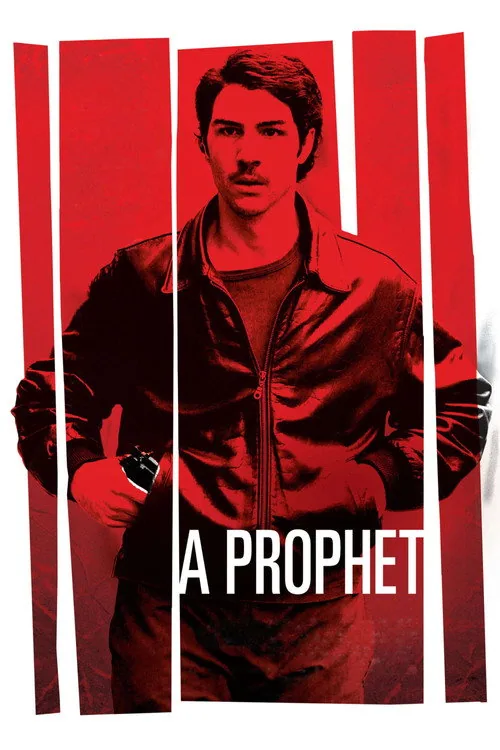
Nineteen-year-old Malik El Djebena enters prison illiterate and vulnerable, then is forced by Corsican crime boss César Luciani to assassinate a prisoner. The killing secures Malik’s place under Luciani’s protection but also makes him a low-ranking servant in the prison hierarchy. Malik learns languages, builds relationships across the prison’s rival factions, and uses day releases to create a criminal network of his own. Jacques Audiard’s French prison crime drama follows a gradual rise in power while keeping attention on the cost of Malik’s compromises and adaptation.
A participant's narrated rise reveals a criminal community whose rewards progressively increase dependence on people willing to abandon one another for self-preservation.
Why this matches +
Organized crime functions as a material social economy shaping ordinary work, family and limited opportunities.
Genres: Crime / Drama
Shared film traits
Based on recorded story, mood and style. Your preferences can change the order.
Criminal underworld
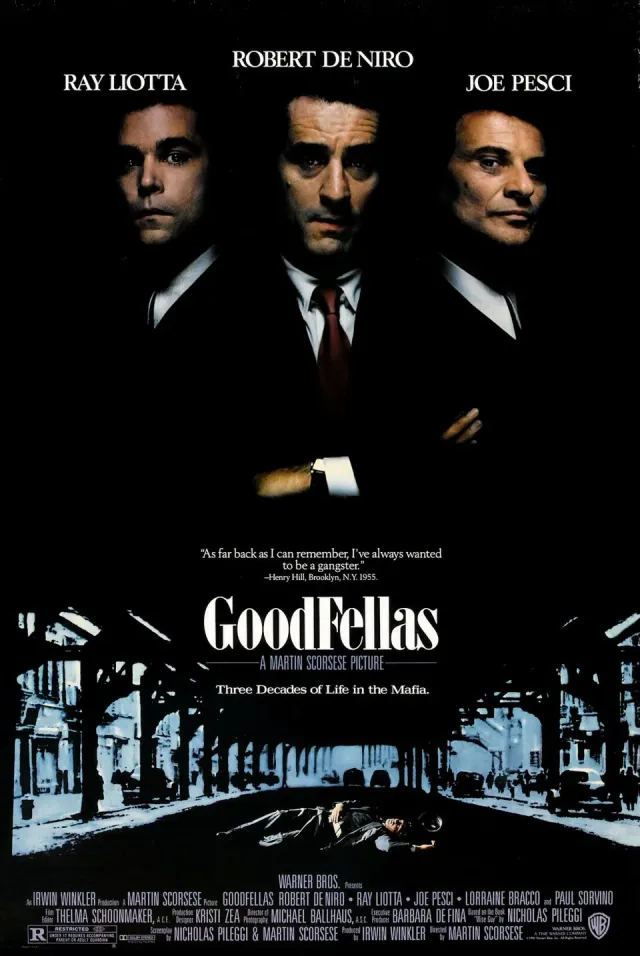
What changes Gomorrah: parallel character threads, incremental violence and pressure and cumulative social portrait. Goodfellas: fast.
A young man attracted to neighbourhood gangsters enters organised crime through errands, connections and a growing ability to participate in profitable violence. Marriage and friendships become part of the same social world that promises protection while distributing danger through unstable loyalties. As ambition expands beyond the routines keeping that world manageable, surveillance, substance use and personal mistrust expose how quickly the privileges of belonging can become the terms of entrapment.
A violent collision links otherwise separate lives and redirects each story toward loss and consequence.
Why this matches +
Organized crime functions as a material social economy shaping ordinary work, family and limited opportunities.
Genres: Crime / Drama
Shared film traits
Based on recorded story, mood and style. Your preferences can change the order.
Criminal underworld
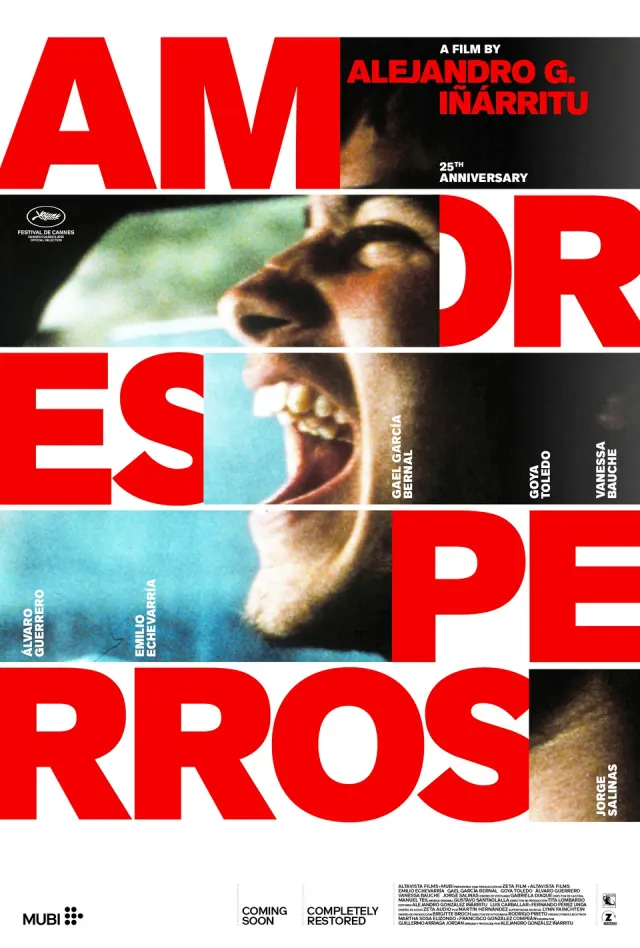
What changes Gomorrah: parallel character threads, incremental violence and pressure and cumulative social portrait. Amores perros: fragmented and intensifying.
A car crash in Mexico City connects three stories about a young driver, a model and a man living outside ordinary society. Their separate choices around love, money, violence and loyalty reveal how one event can expose different forms of desperation. The film’s fractured structure returns to the collision as a hinge between intimate lives and urban pressures.
A day of movement and confrontation accumulates around a weapon and the possibility of retaliatory violence.
Why this matches +
Organized crime functions as a material social economy shaping ordinary work, family and limited opportunities.
Genres: Crime / Drama
Shared film traits
Based on recorded story, mood and style. Your preferences can change the order.
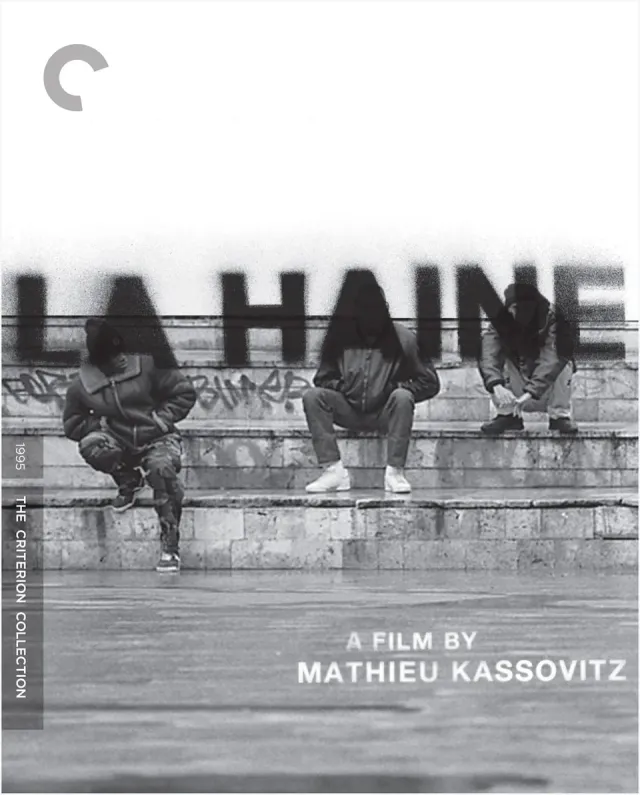
What changes Gomorrah: parallel character threads, incremental violence and pressure and cumulative social portrait. La Haine: measured, episodic and escalating.
Three friends from a marginalised Paris suburb spend a tense day after a riot has left another young man critically injured. One carries a police gun and imagines retaliation, while the others respond with scepticism, bravado or attempts at restraint. Encounters in the suburb and the city repeatedly expose humiliation and exclusion, making aimless movement feel like a narrowing set of options.
A young man weighs leaving gang life while further violence pulls him toward retaliation.
Why this matches +
Organized crime functions as a material social economy shaping ordinary work, family and limited opportunities.
Genres: Crime / Drama
Shared film traits
Based on recorded story, mood and style. Your preferences can change the order.
Criminal underworld
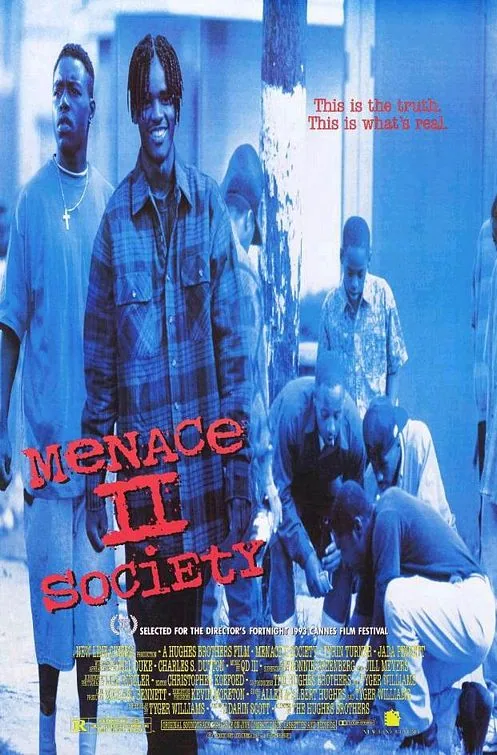
What changes Gomorrah: parallel character threads, incremental violence and pressure and cumulative social portrait. Menace II Society: episodic with tragic momentum.
After high school, Caine Lawson considers leaving the gang-centered life around him in Watts, but violence and loyalty keep narrowing his choices. His friend O-Dog and the adults who advise him embody sharply different responses to their surroundings. The drama follows Caine's attempt to imagine another future while showing how neighborhood, grief and repeated retaliation make that possibility fragile.
Tre's move into adolescence brings neighborhood dangers into sharper focus without making violence his only possible future.
Why this matches +
Organized crime functions as a material social economy shaping ordinary work, family and limited opportunities.
Genres: Drama / Crime
Shared film traits
Based on recorded story, mood and style. Your preferences can change the order.
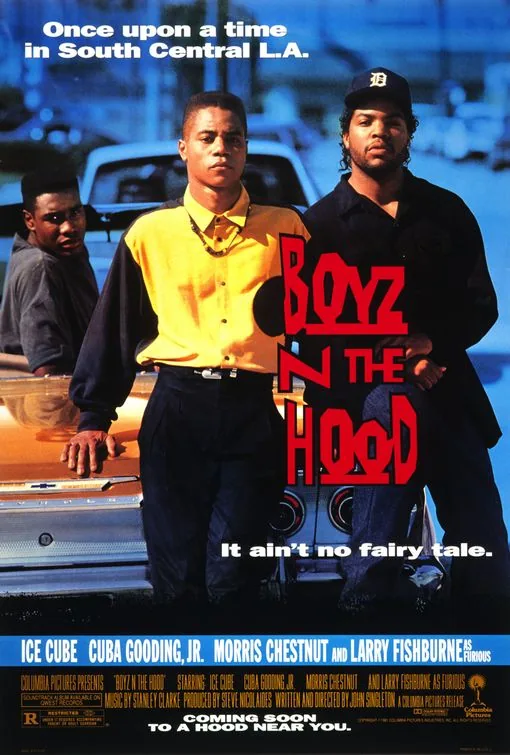
What changes Gomorrah: parallel character threads, incremental violence and pressure and cumulative social portrait. Boyz n the Hood: episodic and consequences build.
Tre Styles grows up in South Central Los Angeles, where his father tries to give him discipline and options amid neighborhood violence. His closest friends make different choices as they move through adolescence, and the consequences of those decisions become increasingly difficult to escape. The film centers family bonds, community pressures and young men's search for a future within a setting shaped by structural neglect and gun violence.
A captain preparing for fatherhood searches for a successor inside a brutal urban police campaign.
Why this matches +
Organized crime functions as a material social economy shaping ordinary work, family and limited opportunities.
Genres: action / crime
Shared film traits
Based on recorded story, mood and style. Your preferences can change the order.
Criminal underworld
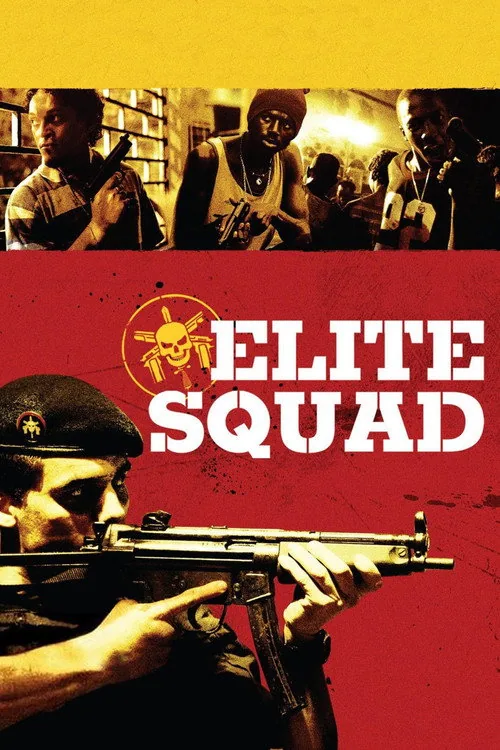
What changes Gomorrah: parallel character threads, incremental violence and pressure and cumulative social portrait. Elite Squad: mission based, escalating and parallel character arcs.
In Rio de Janeiro, Captain Nascimento leads an elite police unit confronting violent drug networks in the city's favelas. Expecting a child, he begins looking for a successor and trains two ambitious recruits, Neto and Matias, whose ideals are tested by institutional corruption and the methods used in the campaign. The Brazilian crime drama follows both the unit's operations and the recruits' moral choices in a system where authority and violence reinforce one another.
An idealistic agent's limited access to information exposes the gap between an operation's public justification and actual purpose.
Why this matches +
Organized crime functions as a material social economy shaping ordinary work, family and limited opportunities.
Genres: Crime / Thriller
Shared film traits
Based on recorded story, mood and style. Your preferences can change the order.
Criminal underworld
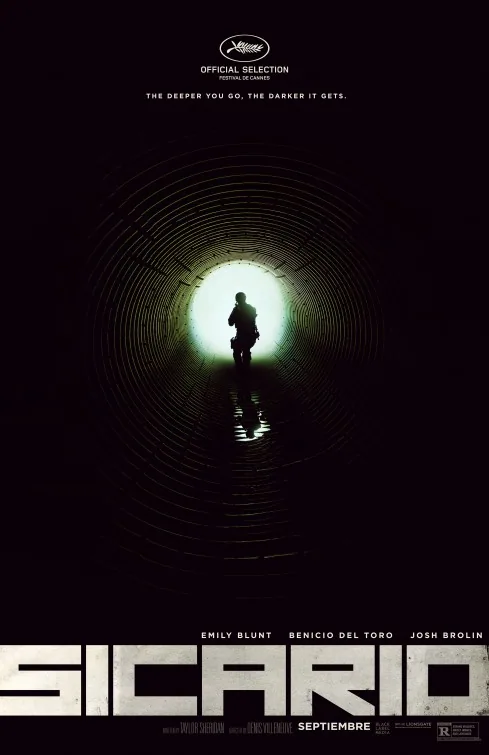
What changes Gomorrah: parallel character threads, incremental violence and pressure and cumulative social portrait. Sicario: slow burn and escalating.
An Arizona FBI agent joins an interagency operation against a Mexican cartel after a raid exposes extreme violence. Working beside a casual American handler and an opaque consultant, she discovers that the team's goals are withheld from her and its methods exceed the legal boundaries she expects. Following orders becomes an increasingly uncomfortable form of complicity as the operation crosses both national and moral borders.
An infiltration depends on a sponsor's sincere loyalty, creating a conflict in which accumulating better evidence also increases the danger to the person making access possible. Each promotion makes the case stronger but increases the potential cost to the aging mobster who vouched for him.
Why this matches +
Individual competence cannot separate private loyalty from institutions that normalize exploitation and violent control.
An adjacent discovery: a related idea with a different viewing experience.
Genres: Crime / Drama
Shared film traits
Based on recorded story, mood and style. Your preferences can change the order.
Criminal underworld
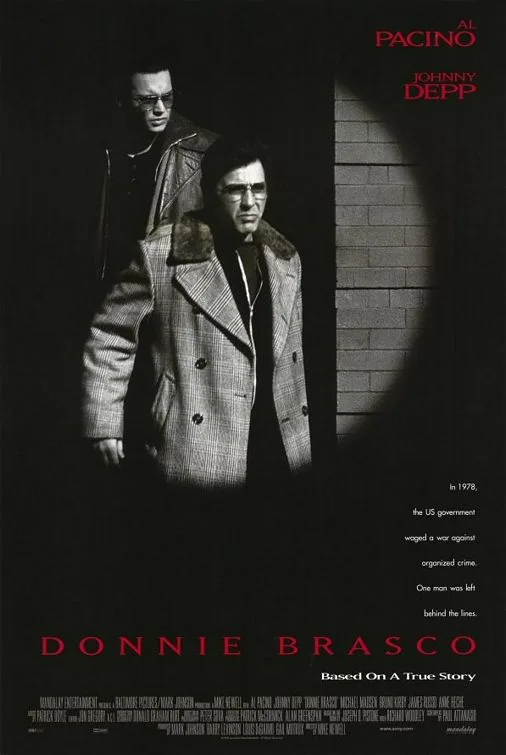
What changes Gomorrah: parallel character threads, incremental violence and pressure and cumulative social portrait. Donnie Brasco: measured.
An undercover agent enters a New York Mafia crew through an older enforcer who teaches him the rules and stakes his own reputation on the newcomer. Gathering evidence requires sustaining a relationship that becomes emotionally real, while time inside the role damages the agent's marriage and ordinary identity. Advancement exposes the mentor's insecurity within a hierarchy that can punish him for a trust he experiences as friendship, making professional success difficult to separate from personal betrayal. The operation succeeds through a friendship that is genuine to Lefty even while Donnie must treat it as evidence-gathering.
An initially tentative observation becomes a prolonged surveillance operation whose pursuit repeatedly threatens to outrun reliable control.
Why this matches +
Individual competence cannot separate private loyalty from institutions that normalize exploitation and violent control.
An adjacent discovery: a related idea with a different viewing experience.
Genres: Crime / Drama
Shared film traits
Based on recorded story, mood and style. Your preferences can change the order.
Criminal underworld
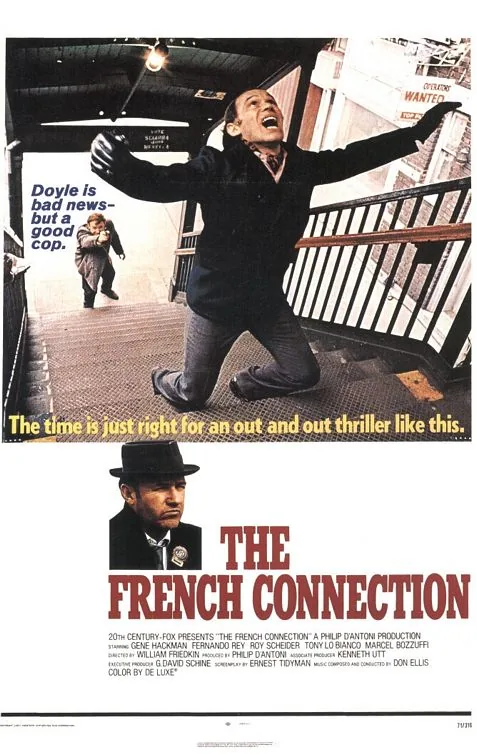
What changes Gomorrah: parallel character threads, incremental violence and pressure and cumulative social portrait. The French Connection: intense.
Two New York detectives notice a small-time criminal spending beyond his apparent means and begin following a possible connection to an international heroin shipment. Surveillance links local intermediaries with a sophisticated French trafficker, but certainty remains difficult to translate into a successful interception. One detective's aggressive persistence brings dangerous public confrontations and personal fixation, making the pursuit's momentum increasingly hard to separate from its cost.
A detective's decision to testify opens a long inquiry into corruption within his own department.
Why this matches +
Individual competence cannot separate private loyalty from institutions that normalize exploitation and violent control.
An adjacent discovery: a related idea with a different viewing experience.
Genres: Crime / Drama
Shared film traits
Based on recorded story, mood and style. Your preferences can change the order.
Criminal underworld
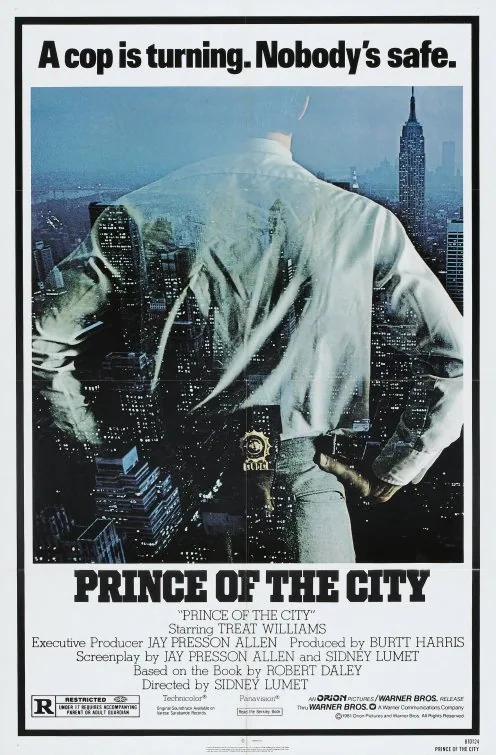
What changes Gomorrah: parallel character threads, incremental violence and pressure and cumulative social portrait. Prince of the City: procedural and accumulative.
New York detective Daniel Ciello agrees to cooperate with prosecutors investigating corruption inside the police department. The decision places him between former colleagues, federal investigators and the criminal sources he once relied on, while every disclosure threatens relationships and self-respect. The film follows an extended investigation with procedural detail, showing how a witness can expose systemic wrongdoing and still struggle with his own part in it.
The parallel undercover assignments make institutional allegiance indistinguishable from the identities each man performs.
Why this matches +
Individual competence cannot separate private loyalty from institutions that normalize exploitation and violent control.
An adjacent discovery: a related idea with a different viewing experience.
Genres: Crime / Drama
Shared film traits
Based on recorded story, mood and style. Your preferences can change the order.
Criminal underworld
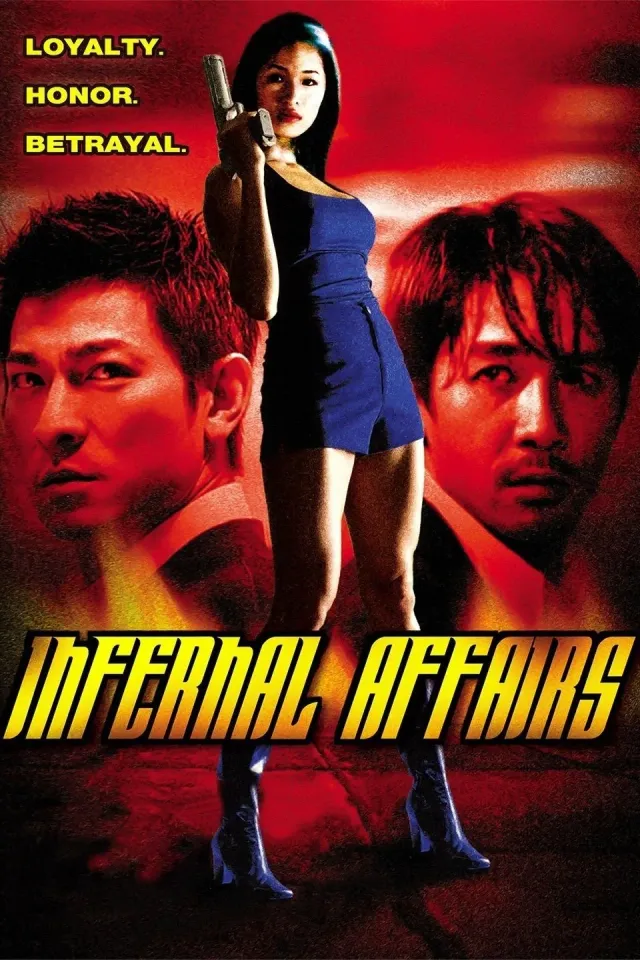
What changes Gomorrah: parallel character threads, incremental violence and pressure and cumulative social portrait. Infernal Affairs: propulsive and intercut.
A police officer works undercover inside a Hong Kong triad while a gang member has infiltrated the police force, leaving each man to live under a constructed identity. As their organizations close in on the compromised arrangement, surveillance and loyalty become personal tests. The thriller’s mirrored lives turn the procedural premise into an anxious study of selfhood, trust and the costs of sustained deception.
A probationary ride-along becomes a coercive test of how much wrongdoing a newcomer will accept to advance.
Why this matches +
Individual competence cannot separate private loyalty from institutions that normalize exploitation and violent control.
An adjacent discovery: a related idea with a different viewing experience.
Genres: Crime / Thriller
Shared film traits
Based on recorded story, mood and style. Your preferences can change the order.
Criminal underworld
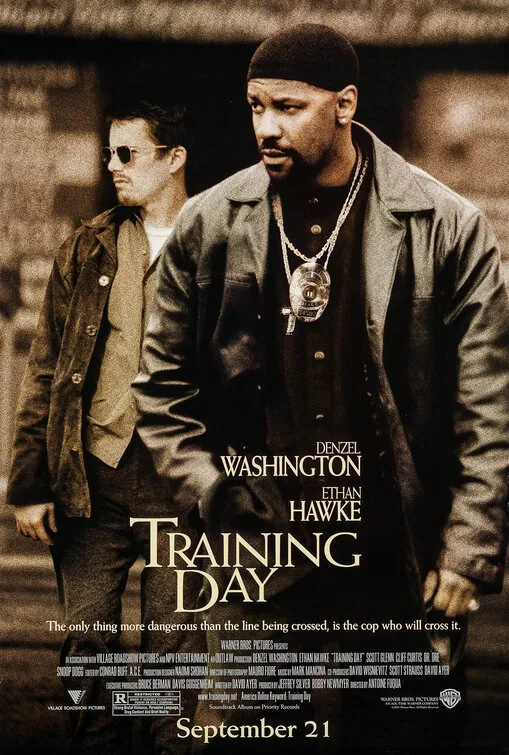
What changes Gomorrah: parallel character threads, incremental violence and pressure and cumulative social portrait. Training Day: measured and escalating.
A young Los Angeles officer spends an evaluation day with a decorated narcotics detective whose charisma initially makes dangerous improvisation seem like expertise. As the veteran demands escalating compromises, routine street encounters begin to reveal a private agenda. The rookie must decide when adapting to his mentor's methods becomes participation in corruption, while the city offers little assurance of institutional protection.
Opposing infiltrations turn a criminal investigation into a mutual search for hidden identity within institutions already penetrated by the enemy.
Why this matches +
Individual competence cannot separate private loyalty from institutions that normalize exploitation and violent control.
An adjacent discovery: a related idea with a different viewing experience.
Genres: Crime / Drama
Shared film traits
Based on recorded story, mood and style. Your preferences can change the order.
Criminal underworld
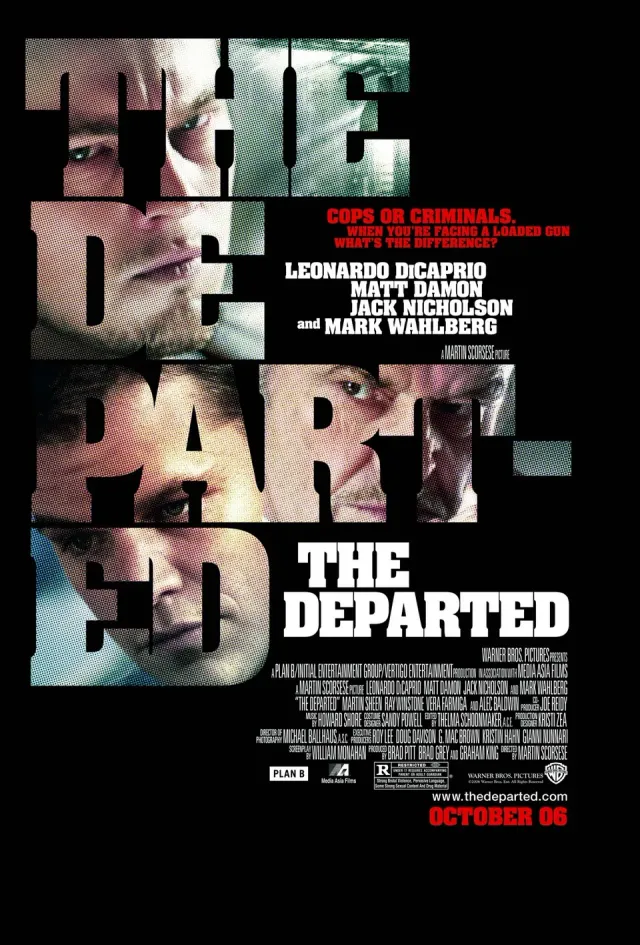
What changes Gomorrah: parallel character threads, incremental violence and pressure and cumulative social portrait. The Departed: fast and intense.
An undercover police officer enters a Boston crime organisation while a protégé of its leader rises inside the police unit investigating it. Each man attempts to identify the other without revealing how thoroughly his public role contradicts his actual allegiance. Handlers, personal relationships and institutional rivalries increase the cost of maintaining a cover, making every exchange a possible exposure and every apparent promotion another form of confinement.
Serpico’s refusal to participate turns routine police work into an institutional conflict, and each attempt to report the bribes exposes another layer of protection for the system.
Why this matches +
Individual competence cannot separate private loyalty from institutions that normalize exploitation and violent control.
An adjacent discovery: a related idea with a different viewing experience.
Genres: Crime / Drama
Shared film traits
Based on recorded story, mood and style. Your preferences can change the order.
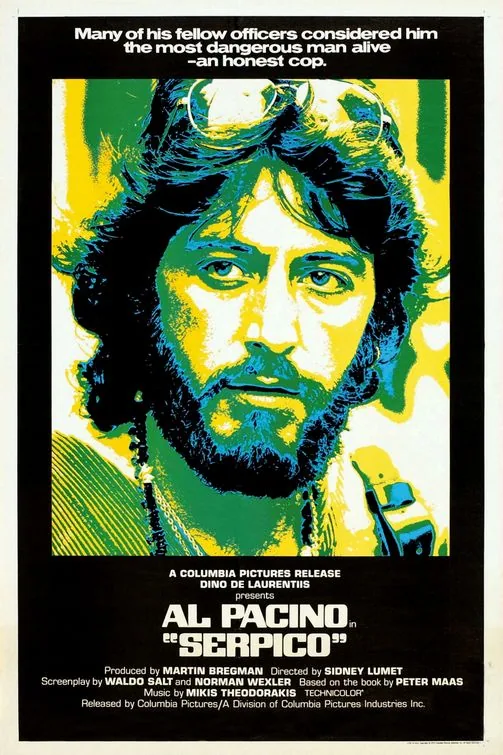
What changes Gomorrah: parallel character threads, incremental violence and pressure and cumulative social portrait. Serpico: measured, chronological and pressure-building.
New York police officer Frank Serpico begins his career hoping to serve the public, but his unconventional style and refusal to accept bribes isolate him from colleagues who profit from a widespread corruption system. As he reports misconduct through official channels, indifference and retaliation make his own department an obstacle to the investigation. During a Brooklyn drug raid he is shot in the face, a turning point that exposes how isolated he has become within the force. His recovery and testimony before the Knapp Commission help bring the corruption into public view, but his relationship with the department is permanently changed.
A family infiltration succeeds through staged appearances and replacement of workers, then an unforeseen encounter exposes competing claims to the security the household represents.
Why this matches +
Individual competence cannot separate private loyalty from institutions that normalize exploitation and violent control.
An adjacent discovery: a related idea with a different viewing experience.
Genres: Drama / Thriller
Shared film traits
Based on recorded story, mood and style. Your preferences can change the order.
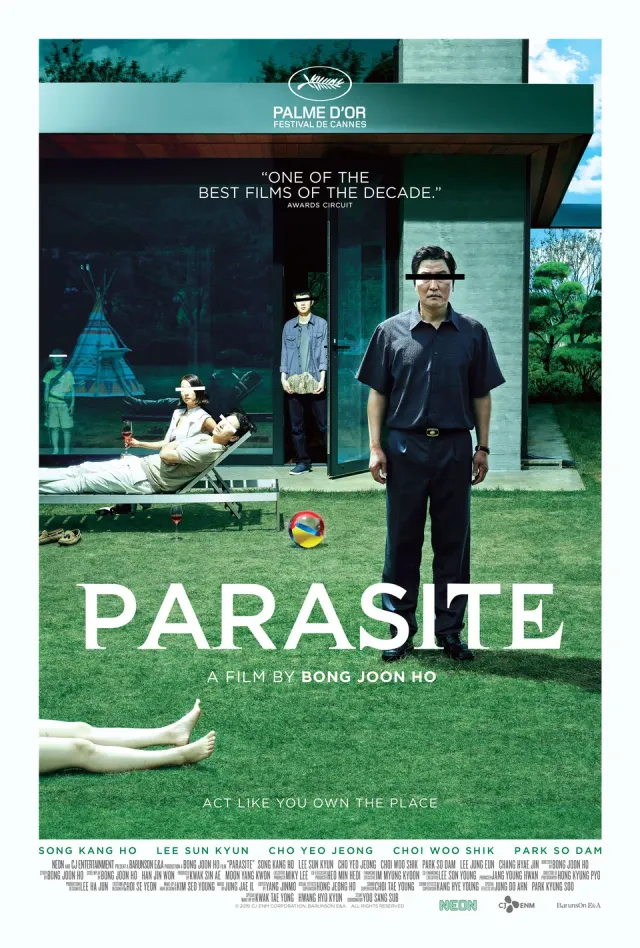
What changes Gomorrah: parallel character threads, incremental violence and pressure and cumulative social portrait. Parasite: slow burn and intense.
A young man from a financially insecure Seoul family gains a tutoring job in a wealthy household using invented credentials. One appointment becomes a coordinated effort to place his relatives in other domestic roles, each concealed behind a separate identity. Their apparent ascent depends on the same insecurity they displace onto other workers, and an unexpected return reveals how much the house's comfortable surface has hidden from both employers and servants.
A precarious household takes in a neglected child and forms a family through care and theft.
Why this matches +
Individual competence cannot separate private loyalty from institutions that normalize exploitation and violent control.
An adjacent discovery: a related idea with a different viewing experience.
Genres: Drama / Crime
Shared film traits
Based on recorded story, mood and style. Your preferences can change the order.
What changes Gomorrah: parallel character threads, incremental violence and pressure and cumulative social portrait. Shoplifters: observational and gradually revealing.
A poor Tokyo household survives through a mix of informal work and petty theft, with adults Osamu and Nobuyo caring for children who have limited security elsewhere. When the family brings a neglected young girl into their home, ordinary routines deepen into attachment and questions about who counts as family. Hirokazu Kore-eda's drama observes tenderness alongside ethical uncertainty, gradually revealing the histories and choices that hold the household together.
Episodic childhood play gradually reveals an unstable household whose economic pressures are approaching consequences the child cannot control.
Why this matches +
Individual competence cannot separate private loyalty from institutions that normalize exploitation and violent control.
An adjacent discovery: a related idea with a different viewing experience.
Genres: Drama
Shared film traits
Based on recorded story, mood and style. Your preferences can change the order.
What changes Gomorrah: parallel character threads, incremental violence and pressure and cumulative social portrait. The Florida Project: measured.
A young girl spends a summer roaming the budget motels and improvised play spaces near a major Florida tourist resort. Her mother's precarious work and escalating conflicts remain only partly visible through the child's adventures, while a motel manager repeatedly balances compassion against practical limits. The pleasures of unsupervised friendship unfold beside the risk of losing a fragile home, exposing a gap between childhood imagination and the adult systems shaping it.
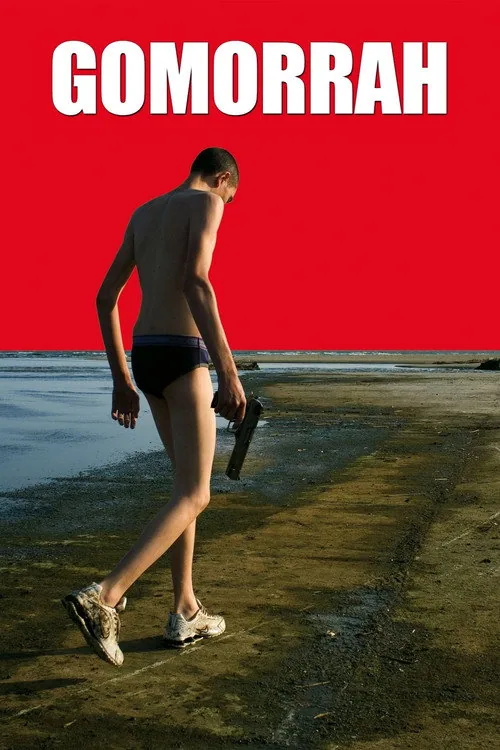
Set around Naples and the Camorra, this crime drama follows several people whose lives are entangled with organized crime: an accountant delivering payoffs, teenagers drawn toward gang power, a tailor navigating an illegal clothing operation, and a waste contractor profiting from toxic dumping. Their stories do not converge into one heroic investigation; instead, they reveal how criminal control shapes ordinary work, housing, ambition, and fear. The film's interlocking episodes create a stark portrait of a system whose influence reaches beyond the obvious gunmen.
What drives the story
Five interwoven threads show how Camorra influence reaches payments, fashion production, toxic waste, and the ambitions of local teenagers.
The people at its centre
Characters pursue money, status, or simple stability, but their choices remain constrained by a criminal order that makes individual escape difficult.
What it feels like
An unsentimental ensemble crime drama favors lived-in observation and cumulative detail over a single central detective or mastermind.
Worth knowing
Its subject is the network's reach across ordinary economic life, presented through parallel stories rather than a conventional crime saga.
organized crime as social systemeconomic survival and complicityambition within inherited power
Mood
unsparing · somber · observational
Pacing
parallel character threads · incremental violence and pressure · cumulative social portrait