An idealistic agent's limited access to information exposes the gap between an operation's public justification and actual purpose.
Why this matches +
Institutional authority normalizes abuse by presenting coercive power as practical professional competence.
Genres: Crime / Thriller
Shared film traits
Based on recorded story, mood and style. Your preferences can change the order.
Investigation · Criminal underworld
Expect tense and bleak, with slow burn and escalating pacing.
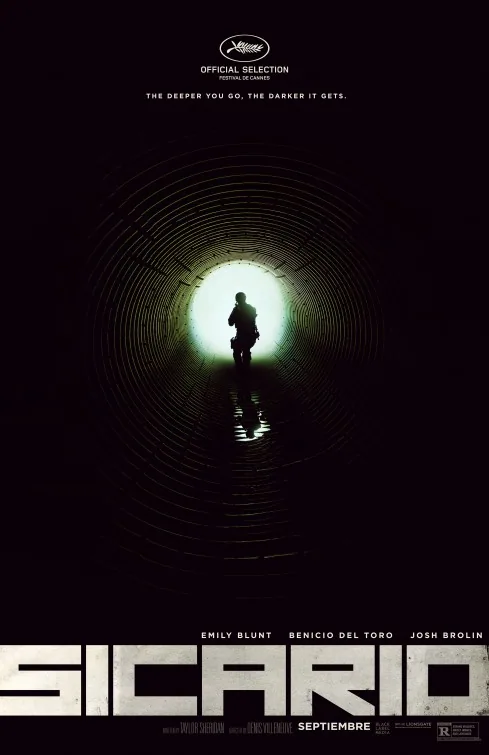
An Arizona FBI agent joins an interagency operation against a Mexican cartel after a raid exposes extreme violence. Working beside a casual American handler and an opaque consultant, she discovers that the team's goals are withheld from her and its methods exceed the legal boundaries she expects. Following orders becomes an increasingly uncomfortable form of complicity as the operation crosses both national and moral borders.
An initially tentative observation becomes a prolonged surveillance operation whose pursuit repeatedly threatens to outrun reliable control.
Why this matches +
Institutional authority normalizes abuse by presenting coercive power as practical professional competence.
Genres: Crime / Drama
Shared film traits
Based on recorded story, mood and style. Your preferences can change the order.
Investigation · Criminal underworld
What changes Training Day: measured and escalating. The French Connection: intense.
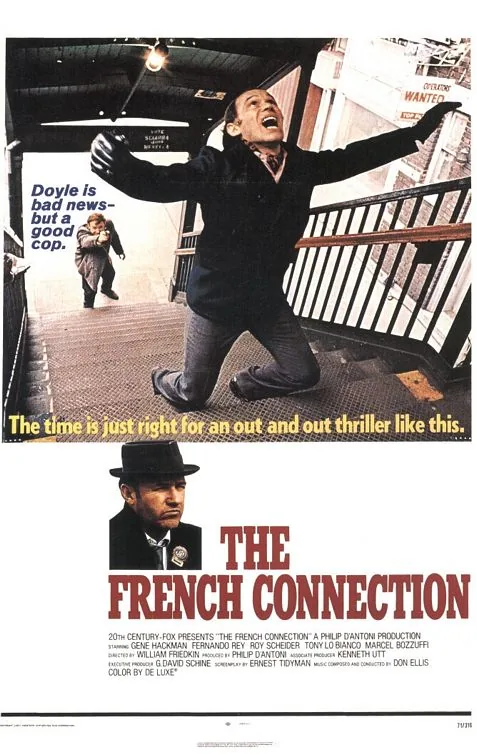
Two New York detectives notice a small-time criminal spending beyond his apparent means and begin following a possible connection to an international heroin shipment. Surveillance links local intermediaries with a sophisticated French trafficker, but certainty remains difficult to translate into a successful interception. One detective's aggressive persistence brings dangerous public confrontations and personal fixation, making the pursuit's momentum increasingly hard to separate from its cost.
Opposing infiltrations turn a criminal investigation into a mutual search for hidden identity within institutions already penetrated by the enemy.
Why this matches +
Institutional authority normalizes abuse by presenting coercive power as practical professional competence.
Genres: Crime / Drama
Shared film traits
Based on recorded story, mood and style. Your preferences can change the order.
Investigation · Criminal underworld
What changes Training Day: measured and escalating. The Departed: fast and intense.
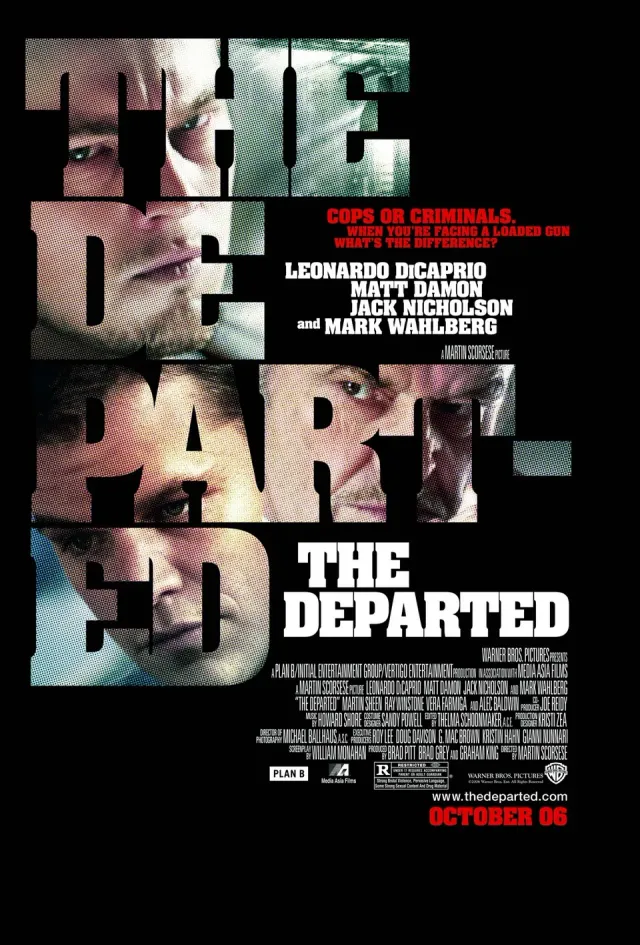
An undercover police officer enters a Boston crime organisation while a protégé of its leader rises inside the police unit investigating it. Each man attempts to identify the other without revealing how thoroughly his public role contradicts his actual allegiance. Handlers, personal relationships and institutional rivalries increase the cost of maintaining a cover, making every exchange a possible exposure and every apparent promotion another form of confinement.
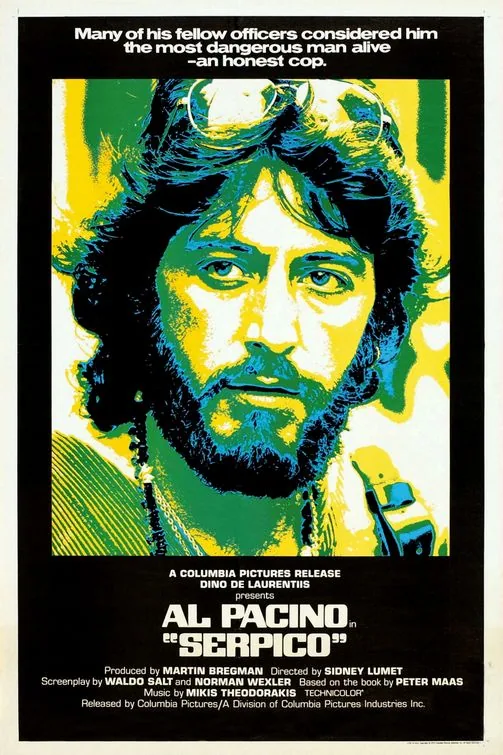
Serpico’s refusal to participate turns routine police work into an institutional conflict, and each attempt to report the bribes exposes another layer of protection for the system.
Why this matches +
Institutional authority normalizes abuse by presenting coercive power as practical professional competence.
Genres: Crime / Drama
Shared film traits
Based on recorded story, mood and style. Your preferences can change the order.
Investigation
Expect tense and observational, with measured and chronological pacing.
New York police officer Frank Serpico begins his career hoping to serve the public, but his unconventional style and refusal to accept bribes isolate him from colleagues who profit from a widespread corruption system. As he reports misconduct through official channels, indifference and retaliation make his own department an obstacle to the investigation. During a Brooklyn drug raid he is shot in the face, a turning point that exposes how isolated he has become within the force. His recovery and testimony before the Knapp Commission help bring the corruption into public view, but his relationship with the department is permanently changed.
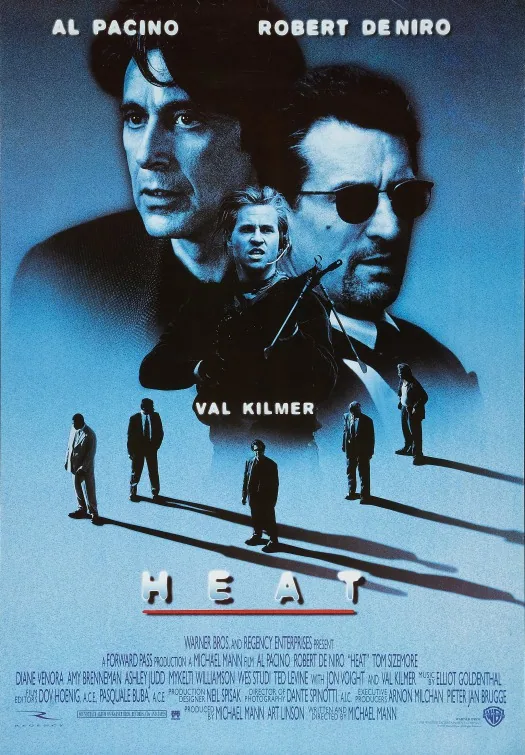
A professional pursuit develops between men whose similar dependence on work makes mutual recognition possible but does not provide a route out of the confrontation.
Why this matches +
Institutional authority normalizes abuse by presenting coercive power as practical professional competence.
Genres: Crime / Drama
Shared film traits
Based on recorded story, mood and style. Your preferences can change the order.
Investigation · Criminal underworld
Expect tense and melancholic, with measured and intense pacing.
A disciplined Los Angeles robbery crew attracts a detective whose commitment to the pursuit has already made ordinary domestic life difficult. Planning another major theft forces the crew to negotiate an unstable associate, personal attachments and the limits of their rule against becoming tied to anything they cannot abandon. Parallel attention to police and criminals reveals recognisable forms of loneliness and competence without making their opposing obligations compatible.
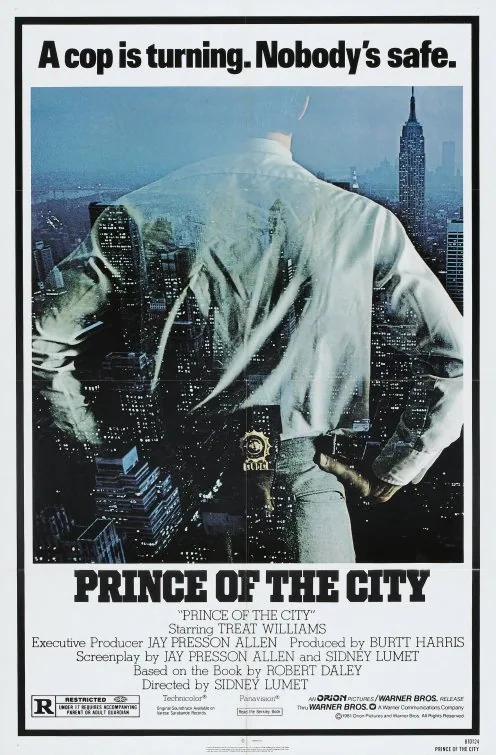
A detective's decision to testify opens a long inquiry into corruption within his own department.
Why this matches +
Institutional authority normalizes abuse by presenting coercive power as practical professional competence.
Genres: Crime / Drama
Shared film traits
Based on recorded story, mood and style. Your preferences can change the order.
Investigation · Criminal underworld
What changes Training Day: measured and escalating. Prince of the City: procedural and accumulative.
New York detective Daniel Ciello agrees to cooperate with prosecutors investigating corruption inside the police department. The decision places him between former colleagues, federal investigators and the criminal sources he once relied on, while every disclosure threatens relationships and self-respect. The film follows an extended investigation with procedural detail, showing how a witness can expose systemic wrongdoing and still struggle with his own part in it.
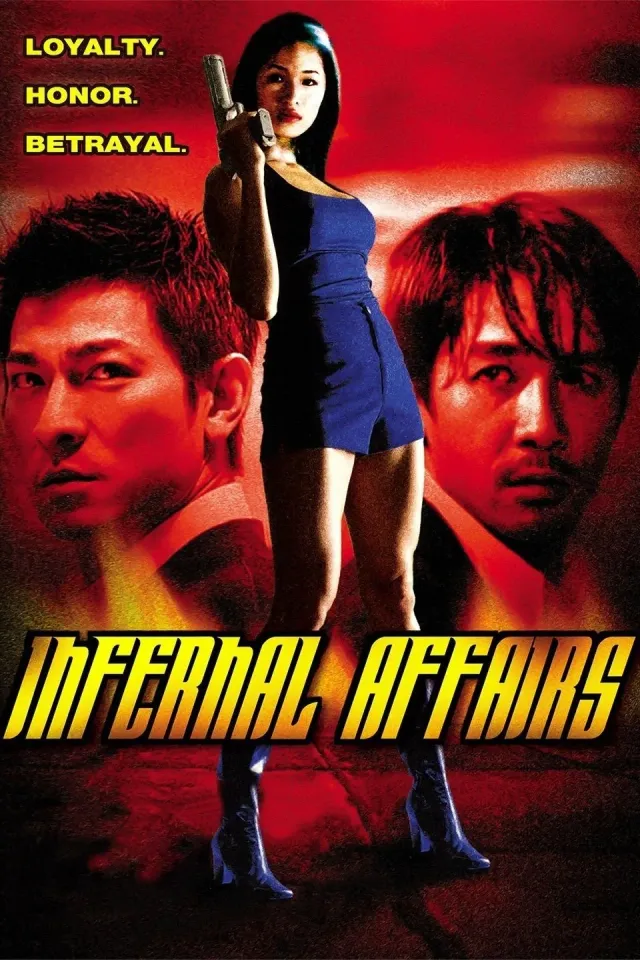
The parallel undercover assignments make institutional allegiance indistinguishable from the identities each man performs.
Why this matches +
Institutional authority normalizes abuse by presenting coercive power as practical professional competence.
Genres: Crime / Drama
Shared film traits
Based on recorded story, mood and style. Your preferences can change the order.
Investigation · Criminal underworld
What changes Training Day: measured and escalating. Infernal Affairs: propulsive and intercut.
A police officer works undercover inside a Hong Kong triad while a gang member has infiltrated the police force, leaving each man to live under a constructed identity. As their organizations close in on the compromised arrangement, surveillance and loyalty become personal tests. The thriller’s mirrored lives turn the procedural premise into an anxious study of selfhood, trust and the costs of sustained deception.
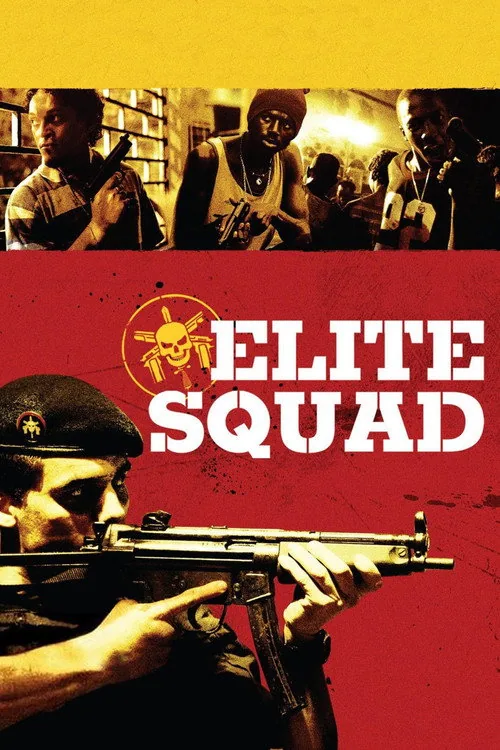
A captain preparing for fatherhood searches for a successor inside a brutal urban police campaign.
Why this matches +
Institutional authority normalizes abuse by presenting coercive power as practical professional competence.
Genres: action / crime
Shared film traits
Based on recorded story, mood and style. Your preferences can change the order.
Criminal underworld
What changes Training Day: measured and escalating. Elite Squad: mission based, escalating and parallel character arcs.
In Rio de Janeiro, Captain Nascimento leads an elite police unit confronting violent drug networks in the city's favelas. Expecting a child, he begins looking for a successor and trains two ambitious recruits, Neto and Matias, whose ideals are tested by institutional corruption and the methods used in the campaign. The Brazilian crime drama follows both the unit's operations and the recruits' moral choices in a system where authority and violence reinforce one another.
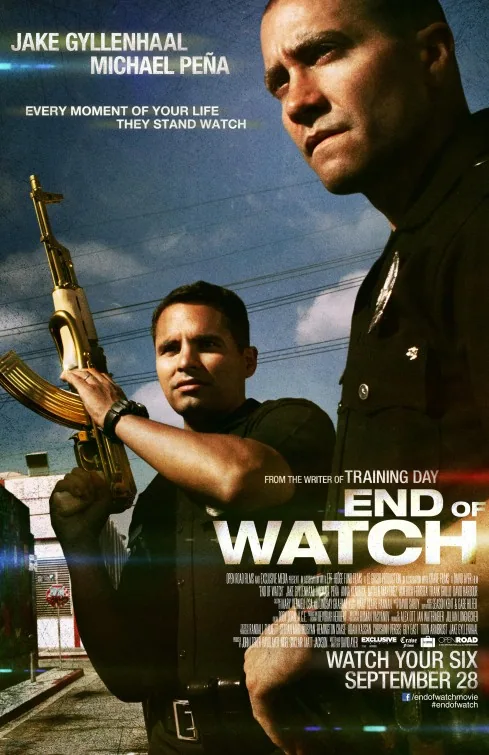
The camera assignment makes the partners’ daily work part of the story’s form and relationship.
Why this matches +
Institutional authority normalizes abuse by presenting coercive power as practical professional competence.
Genres: Crime / Drama
Shared film traits
Based on recorded story, mood and style. Your preferences can change the order.
Criminal underworld
What changes Training Day: measured and escalating. End of Watch: routine calls build toward violent confrontation.
Los Angeles patrol partners Brian Taylor and Mike Zavala record parts of their work while serving in a high-crime district. Their friendship and family lives develop alongside increasingly dangerous encounters that connect them to a major criminal organization. The police drama uses a first-person camera style to create immediacy, pairing routine patrol calls with an escalating threat and asking what loyalty means when professional danger reaches into private life.
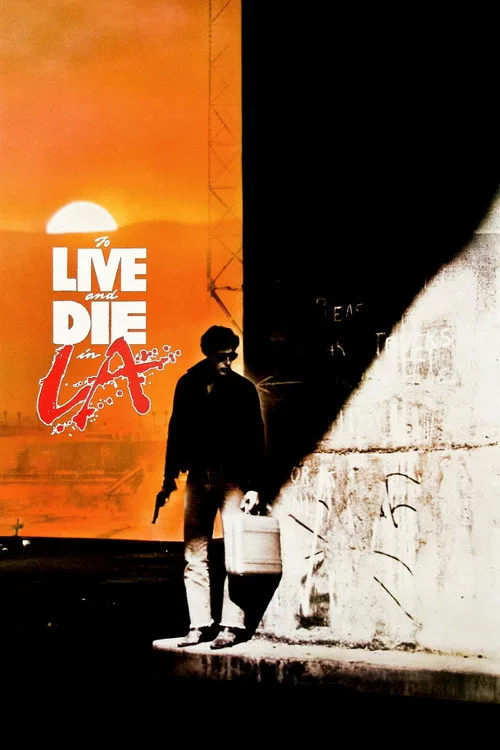
After a counterfeiter kills his partner, Chance risks his career and partner's safety to stage an unlawful sting.
Why this matches +
Institutional authority normalizes abuse by presenting coercive power as practical professional competence.
Genres: Action / Crime
Shared film traits
Based on recorded story, mood and style. Your preferences can change the order.
Investigation · Criminal underworld
What changes Training Day: measured and escalating. To Live and Die in L.A.: counterfeiting investigation establishes the target, revenge pushes agents into illegal tactics and pursuit builds to a morally compromised conclusion.
Secret Service agent Richard Chance and partner Jimmy Hart investigate a counterfeiting operation run by artist Eric Masters. After Masters kills Hart, Chance becomes fixated on revenge and ignores the restraints of his assignment. He recruits informant Ruth to help buy counterfeit money and plans an illegal operation to trap Masters, pulling his new partner John Vukovich into increasingly reckless choices. Their pursuit across Los Angeles tests the line between federal authority and the criminal methods they claim to oppose.
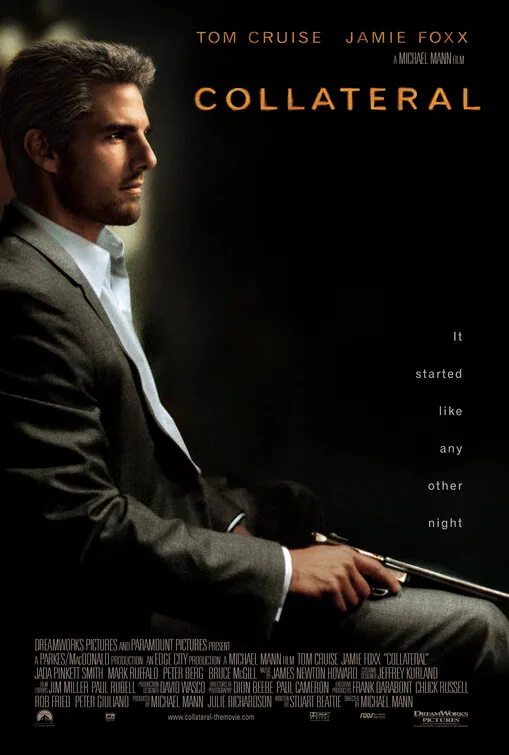
A routine fare becomes a coerced journey through scheduled violence that repeatedly tests the driver's ability to recover agency.
Why this matches +
A capable adult discovers that success within an established system can require complicity in its moral failures.
An adjacent discovery: a related idea with a different viewing experience.
Genres: Crime / Drama
Shared film traits
Based on recorded story, mood and style. Your preferences can change the order.
Investigation · Criminal underworld
What changes Training Day: measured and escalating. Collateral: intense.
A Los Angeles taxi driver hoping eventually to run his own business picks up a passenger whose apparently ordinary evening itinerary conceals a series of killings. Forced to continue driving, he becomes both witness and instrument while trying to preserve a fragile distinction between cooperating and surrendering. Encounters across the city turn an intimate captivity into a confrontation between habitual postponement and an adversary who presents indifference as clear-eyed realism.
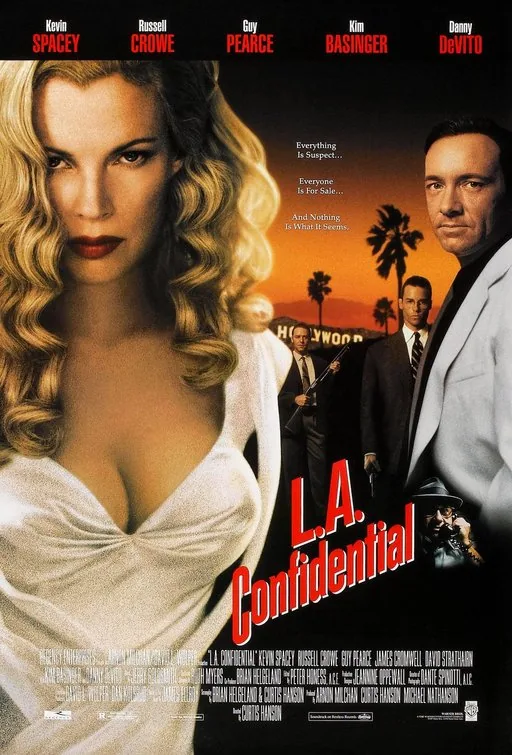
A multiple murder links separate investigations until institutional corruption makes the investigators' own methods and loyalties part of the evidence.
Why this matches +
A capable adult discovers that success within an established system can require complicity in its moral failures.
An adjacent discovery: a related idea with a different viewing experience.
Genres: Crime / Drama
Shared film traits
Based on recorded story, mood and style. Your preferences can change the order.
Investigation · Criminal underworld
Expect mysterious and tense, with measured pacing.
Three Los Angeles policemen with conflicting ambitions become connected to a massacre at an all-night diner. Their investigation leads through celebrity publicity, organised crime and arrangements that protect the department's public image. As apparently settled evidence begins to unravel, each man must confront how his preferred route to success has made him useful to people who manipulate both justice and appearances.
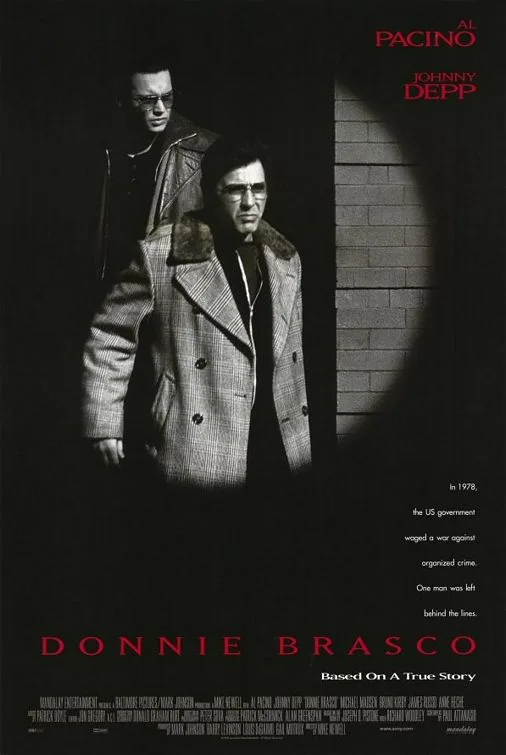
An infiltration depends on a sponsor's sincere loyalty, creating a conflict in which accumulating better evidence also increases the danger to the person making access possible. Each promotion makes the case stronger but increases the potential cost to the aging mobster who vouched for him.
Why this matches +
A capable adult discovers that success within an established system can require complicity in its moral failures.
An adjacent discovery: a related idea with a different viewing experience.
Genres: Crime / Drama
Shared film traits
Based on recorded story, mood and style. Your preferences can change the order.
Investigation · Criminal underworld
Expect intimate and tense, with measured pacing.
An undercover agent enters a New York Mafia crew through an older enforcer who teaches him the rules and stakes his own reputation on the newcomer. Gathering evidence requires sustaining a relationship that becomes emotionally real, while time inside the role damages the agent's marriage and ordinary identity. Advancement exposes the mentor's insecurity within a hierarchy that can punish him for a trust he experiences as friendship, making professional success difficult to separate from personal betrayal. The operation succeeds through a friendship that is genuine to Lefty even while Donnie must treat it as evidence-gathering.
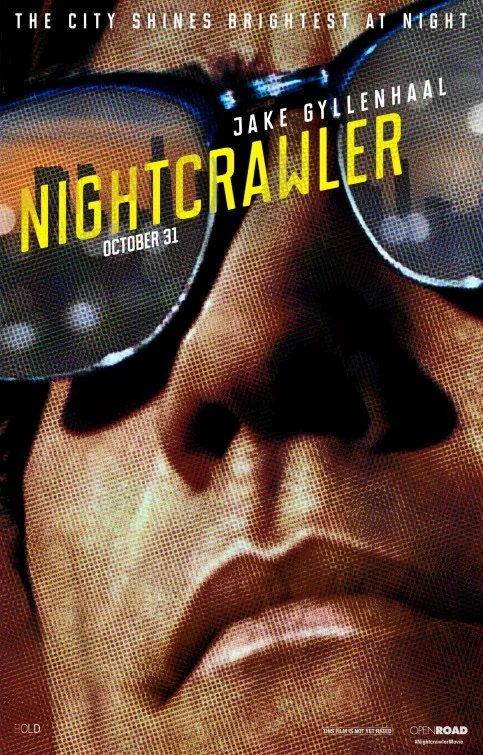
A beginner's rapid adaptation to a market's incentives escalates from opportunistic documentation towards manufacturing the conditions of valuable footage.
Why this matches +
A capable adult discovers that success within an established system can require complicity in its moral failures.
An adjacent discovery: a related idea with a different viewing experience.
Genres: Crime / Thriller
Shared film traits
Based on recorded story, mood and style. Your preferences can change the order.
Investigation
What changes Training Day: measured and escalating. Nightcrawler: steady.
An unemployed outsider discovers that graphic footage of crime and disaster can be sold to local television news. Learning what a producer rewards, he turns observation into increasingly active manipulation of scenes and people. Professional self-improvement language conceals a predatory account of success, while the relationship between an ambitious freelancer and an institution hungry for sensational material makes exploitation look like efficient business practice.
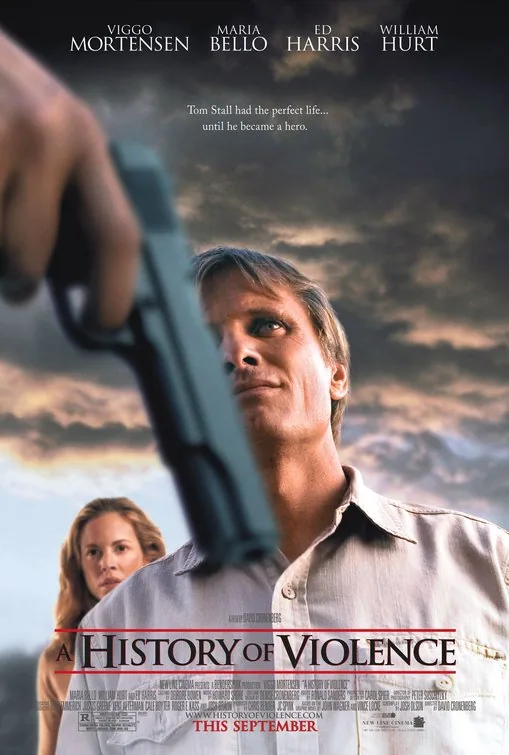
A public act of self defense exposes a concealed past and brings criminal claims into an apparently settled household.
Why this matches +
A capable adult discovers that success within an established system can require complicity in its moral failures.
An adjacent discovery: a related idea with a different viewing experience.
Genres: Crime / Drama
Shared film traits
Based on recorded story, mood and style. Your preferences can change the order.
Criminal underworld
What changes Training Day: measured and escalating. A History of Violence: slow burn and intense.
A quiet small town diner owner becomes a local hero after killing armed robbers during an attack. Public attention brings a stranger who insists that the man has a different name and a violent criminal past. As the threat reaches his family, the protective identity he has built becomes inseparable from questions about whether violence can ever remain confined to an earlier life.
A stolen windfall creates a pursuit whose logistical precision is repeatedly interrupted by contingency, while a trailing lawman struggles to give the violence coherent meaning.
Why this matches +
A capable adult discovers that success within an established system can require complicity in its moral failures.
An adjacent discovery: a related idea with a different viewing experience.
Genres: Crime / Drama
Shared film traits
Based on recorded story, mood and style. Your preferences can change the order.
Investigation · Criminal underworld
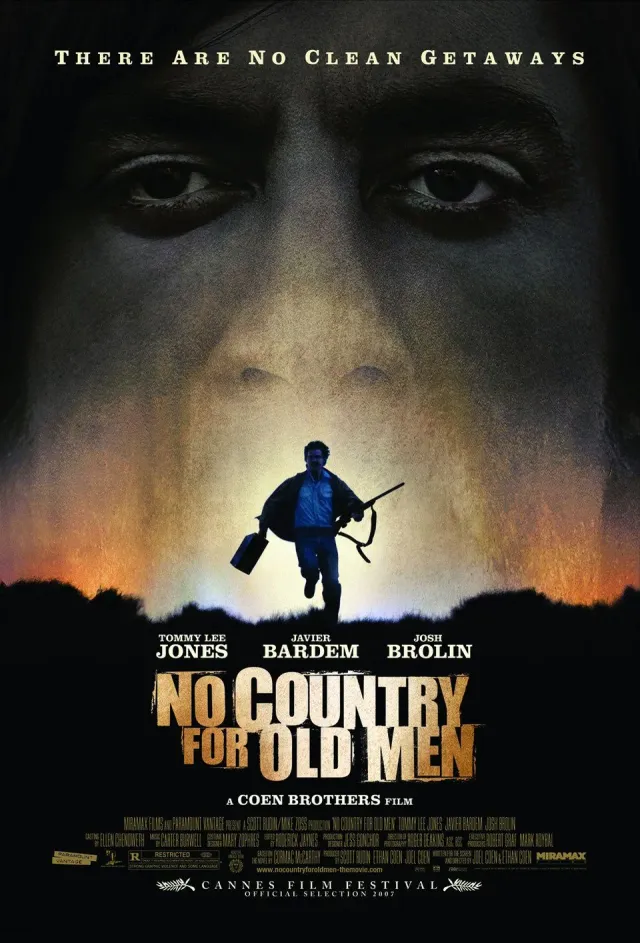
What changes Training Day: measured and escalating. No Country for Old Men: slow burn and intense.
A hunter discovers the aftermath of a failed drug deal and takes a case of money, drawing a relentless killer and other pursuers after him. An ageing sheriff follows the violence while questioning his ability to understand or contain it. Across motels, roads and sparsely populated towns, practical evasions unfold beside an increasingly troubling sense that experience and moral confidence provide little protection against chance and implacable force.
Several connected but not identical storylines make the drug economy visible as a network of family decisions, police work, policy and money.
Why this matches +
A capable adult discovers that success within an established system can require complicity in its moral failures.
An adjacent discovery: a related idea with a different viewing experience.
Genres: Crime / Drama
Shared film traits
Based on recorded story, mood and style. Your preferences can change the order.
Investigation · Criminal underworld
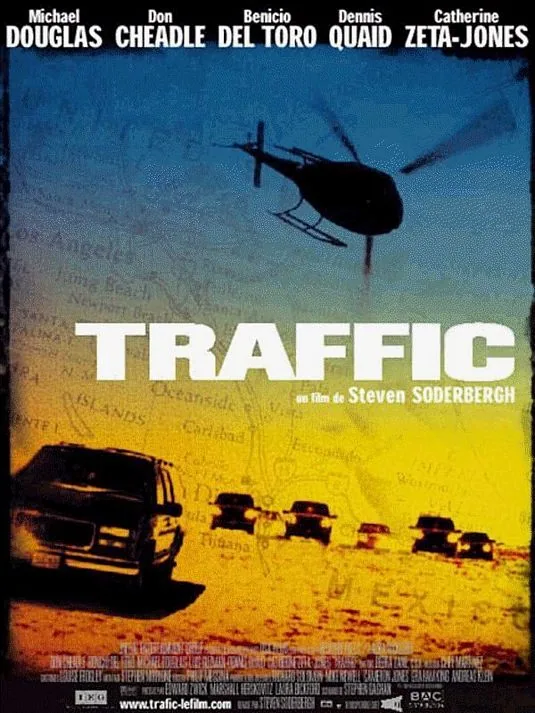
What changes Training Day: measured and escalating. Traffic: multi-strand and gradual convergence.
A newly appointed American drug czar discovers that the policy he is meant to oversee reaches directly into his own family when his teenage daughter develops a dependency. At the same time, a Mexican police officer tries to protect a partner and maintain a moral line inside a system where corruption is routine, while two San Diego agents pursue a case that connects local enforcement to a powerful cartel. In another strand, a wealthy businessman’s arrest leaves his sheltered wife to confront the machinery behind their comfortable life. The stories remain distinct but echo one another through uneven power, compromised institutions and the way a public drug war enters private homes. The film asks what control can mean when each level of the system depends on what the others conceal.
Will Graham re-enters a murder investigation by trying to reconstruct a killer's thinking without losing his own boundaries.
Why this matches +
A capable adult discovers that success within an established system can require complicity in its moral failures.
An adjacent discovery: a related idea with a different viewing experience.
Genres: Crime / Thriller
Shared film traits
Based on recorded story, mood and style. Your preferences can change the order.
Investigation · Criminal underworld
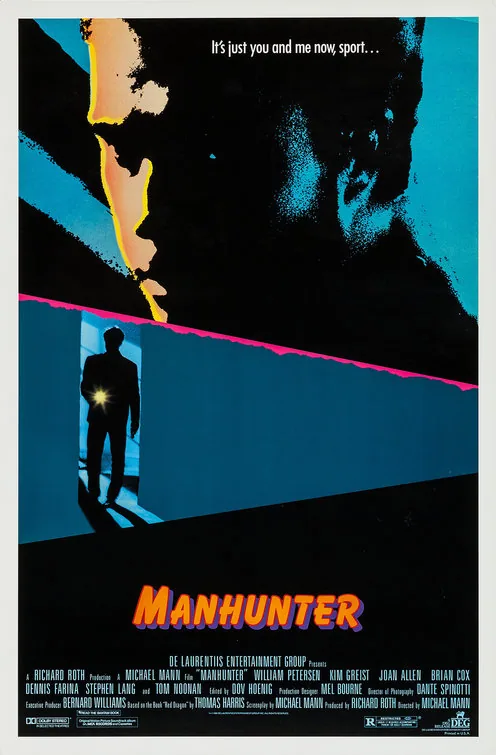
What changes Training Day is tagged tense and volatile; Manhunter is tagged cold and procedural.
Former FBI profiler Will Graham is drawn back into investigative work to help identify a serial murderer who attacks families during full moons. To understand the killer's perspective, Graham revisits the imprisoned Hannibal Lecktor, a source of insight who also threatens his psychological distance from the case; clues and interviews intensify the investigation while Graham's attempts to protect his own family become harder to keep separate from his work.
Five interwoven threads show how Camorra influence reaches payments, fashion production, toxic waste, and the ambitions of local teenagers.
Why this matches +
A capable adult discovers that success within an established system can require complicity in its moral failures.
An adjacent discovery: a related idea with a different viewing experience.
Genres: Crime / Drama
Shared film traits
Based on recorded story, mood and style. Your preferences can change the order.
Criminal underworld
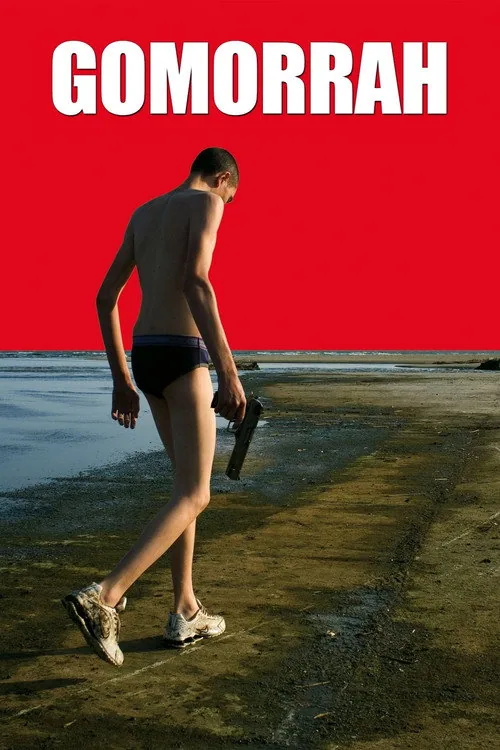
What changes Training Day: measured and escalating. Gomorrah: parallel character threads, incremental violence and pressure and cumulative social portrait.
Set around Naples and the Camorra, this crime drama follows several people whose lives are entangled with organized crime: an accountant delivering payoffs, teenagers drawn toward gang power, a tailor navigating an illegal clothing operation, and a waste contractor profiting from toxic dumping. Their stories do not converge into one heroic investigation; instead, they reveal how criminal control shapes ordinary work, housing, ambition, and fear. The film's interlocking episodes create a stark portrait of a system whose influence reaches beyond the obvious gunmen.
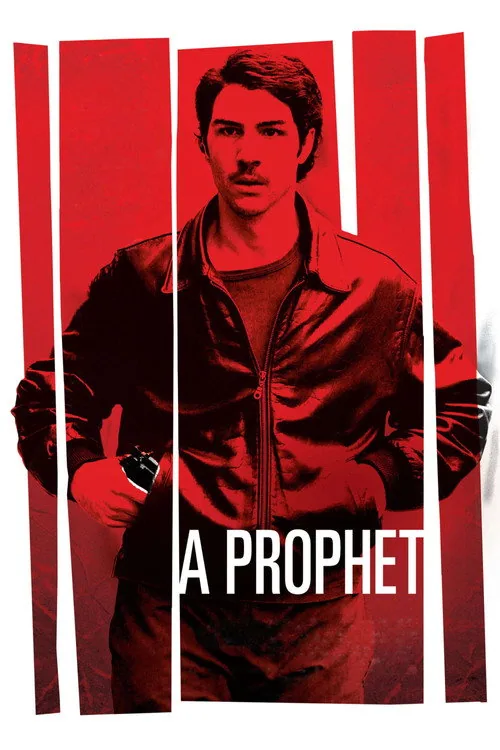
Malik works under Luciani and gradually develops an independent position within prison and criminal networks.
Why this matches +
A capable adult discovers that success within an established system can require complicity in its moral failures.
An adjacent discovery: a related idea with a different viewing experience.
Genres: Crime / Drama
Shared film traits
Based on recorded story, mood and style. Your preferences can change the order.
Criminal underworld
What changes Training Day: measured and escalating. A Prophet: an isolated new inmate turns the skills he acquires in prison into influence beyond it..
Nineteen-year-old Malik El Djebena enters prison illiterate and vulnerable, then is forced by Corsican crime boss César Luciani to assassinate a prisoner. The killing secures Malik’s place under Luciani’s protection but also makes him a low-ranking servant in the prison hierarchy. Malik learns languages, builds relationships across the prison’s rival factions, and uses day releases to create a criminal network of his own. Jacques Audiard’s French prison crime drama follows a gradual rise in power while keeping attention on the cost of Malik’s compromises and adaptation.
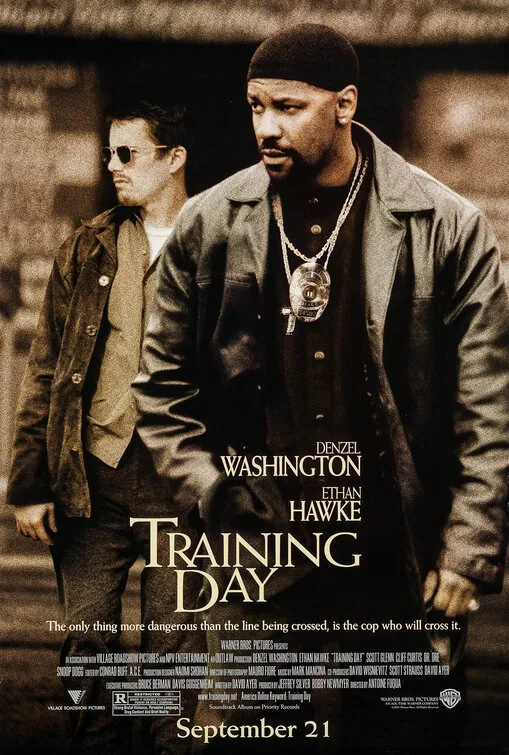
A young Los Angeles officer spends an evaluation day with a decorated narcotics detective whose charisma initially makes dangerous improvisation seem like expertise. As the veteran demands escalating compromises, routine street encounters begin to reveal a private agenda. The rookie must decide when adapting to his mentor's methods becomes participation in corruption, while the city offers little assurance of institutional protection.
What drives the story
A probationary ride-along becomes a coercive test of how much wrongdoing a newcomer will accept to advance.
The people at its centre
A persuasive veteran alternates approval and intimidation to bind an ambitious subordinate to his schemes.
What it feels like
A tightly compressed day moves from seductive swagger to increasingly dangerous confrontation.
Worth knowing
Its appeal is the unstable mentor-protégé struggle and street-level pressure rather than a complex detective puzzle.