A detective's decision to testify opens a long inquiry into corruption within his own department.
Why this matches +
Maintaining professional integrity becomes costly when an institution protects its own accepted abuses.
Genres: Crime / Drama
Shared film traits
Based on recorded story, mood and style. Your preferences can change the order.
Investigation
What changes Serpico: measured, chronological and pressure-building. Prince of the City: procedural and accumulative.
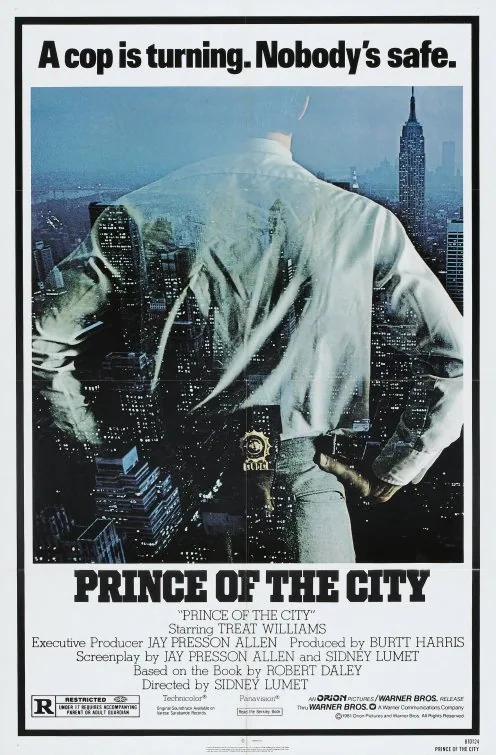
New York detective Daniel Ciello agrees to cooperate with prosecutors investigating corruption inside the police department. The decision places him between former colleagues, federal investigators and the criminal sources he once relied on, while every disclosure threatens relationships and self-respect. The film follows an extended investigation with procedural detail, showing how a witness can expose systemic wrongdoing and still struggle with his own part in it.
A probationary ride-along becomes a coercive test of how much wrongdoing a newcomer will accept to advance.
Why this matches +
Maintaining professional integrity becomes costly when an institution protects its own accepted abuses.
Genres: Crime / Thriller
Shared film traits
Based on recorded story, mood and style. Your preferences can change the order.
Investigation
Expect tense and volatile, with measured and escalating pacing.
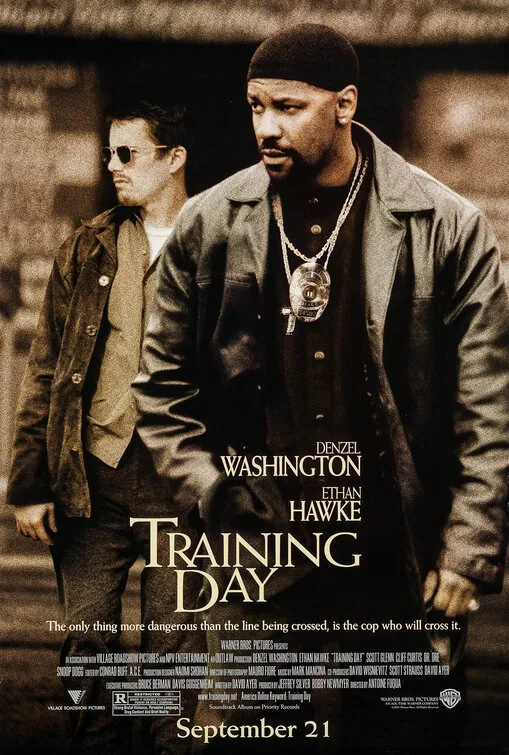
A young Los Angeles officer spends an evaluation day with a decorated narcotics detective whose charisma initially makes dangerous improvisation seem like expertise. As the veteran demands escalating compromises, routine street encounters begin to reveal a private agenda. The rookie must decide when adapting to his mentor's methods becomes participation in corruption, while the city offers little assurance of institutional protection.
An initially tentative observation becomes a prolonged surveillance operation whose pursuit repeatedly threatens to outrun reliable control.
Why this matches +
Maintaining professional integrity becomes costly when an institution protects its own accepted abuses.
Genres: Crime / Drama
Shared film traits
Based on recorded story, mood and style. Your preferences can change the order.
Investigation
What changes Serpico: measured, chronological and pressure-building. The French Connection: intense.
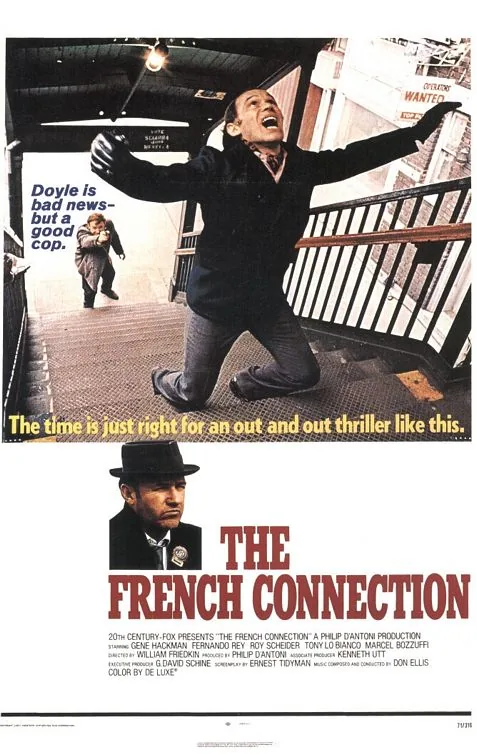
Two New York detectives notice a small-time criminal spending beyond his apparent means and begin following a possible connection to an international heroin shipment. Surveillance links local intermediaries with a sophisticated French trafficker, but certainty remains difficult to translate into a successful interception. One detective's aggressive persistence brings dangerous public confrontations and personal fixation, making the pursuit's momentum increasingly hard to separate from its cost.
A multiple murder links separate investigations until institutional corruption makes the investigators' own methods and loyalties part of the evidence.
Why this matches +
Maintaining professional integrity becomes costly when an institution protects its own accepted abuses.
Genres: Crime / Drama
Shared film traits
Based on recorded story, mood and style. Your preferences can change the order.
Investigation
Expect mysterious and tense, with measured pacing.
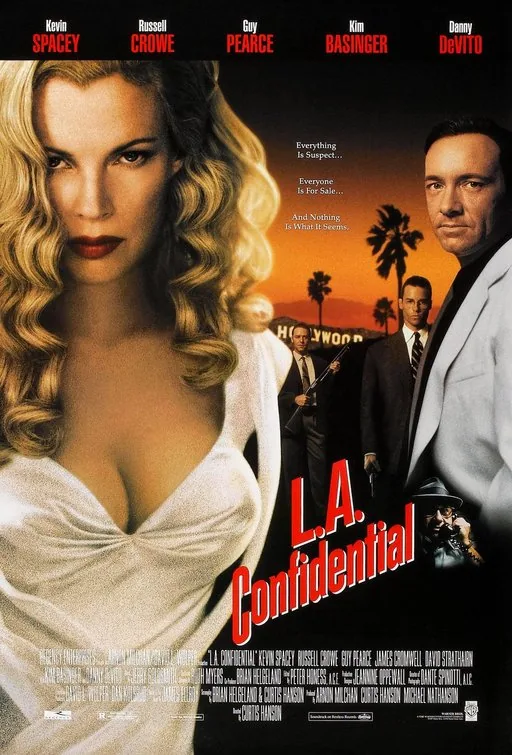
Three Los Angeles policemen with conflicting ambitions become connected to a massacre at an all-night diner. Their investigation leads through celebrity publicity, organised crime and arrangements that protect the department's public image. As apparently settled evidence begins to unravel, each man must confront how his preferred route to success has made him useful to people who manipulate both justice and appearances.
An infiltration depends on a sponsor's sincere loyalty, creating a conflict in which accumulating better evidence also increases the danger to the person making access possible. Each promotion makes the case stronger but increases the potential cost to the aging mobster who vouched for him.
Why this matches +
Maintaining professional integrity becomes costly when an institution protects its own accepted abuses.
Genres: Crime / Drama
Shared film traits
Based on recorded story, mood and style. Your preferences can change the order.
Investigation
Expect intimate and tense, with measured pacing.
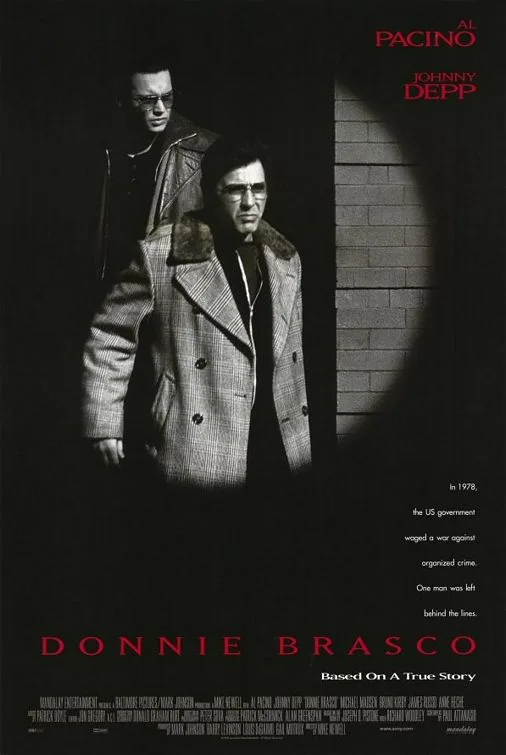
An undercover agent enters a New York Mafia crew through an older enforcer who teaches him the rules and stakes his own reputation on the newcomer. Gathering evidence requires sustaining a relationship that becomes emotionally real, while time inside the role damages the agent's marriage and ordinary identity. Advancement exposes the mentor's insecurity within a hierarchy that can punish him for a trust he experiences as friendship, making professional success difficult to separate from personal betrayal. The operation succeeds through a friendship that is genuine to Lefty even while Donnie must treat it as evidence-gathering.
Opposing infiltrations turn a criminal investigation into a mutual search for hidden identity within institutions already penetrated by the enemy.
Why this matches +
Maintaining professional integrity becomes costly when an institution protects its own accepted abuses.
Genres: Crime / Drama
Shared film traits
Based on recorded story, mood and style. Your preferences can change the order.
Investigation
What changes Serpico: measured, chronological and pressure-building. The Departed: fast and intense.
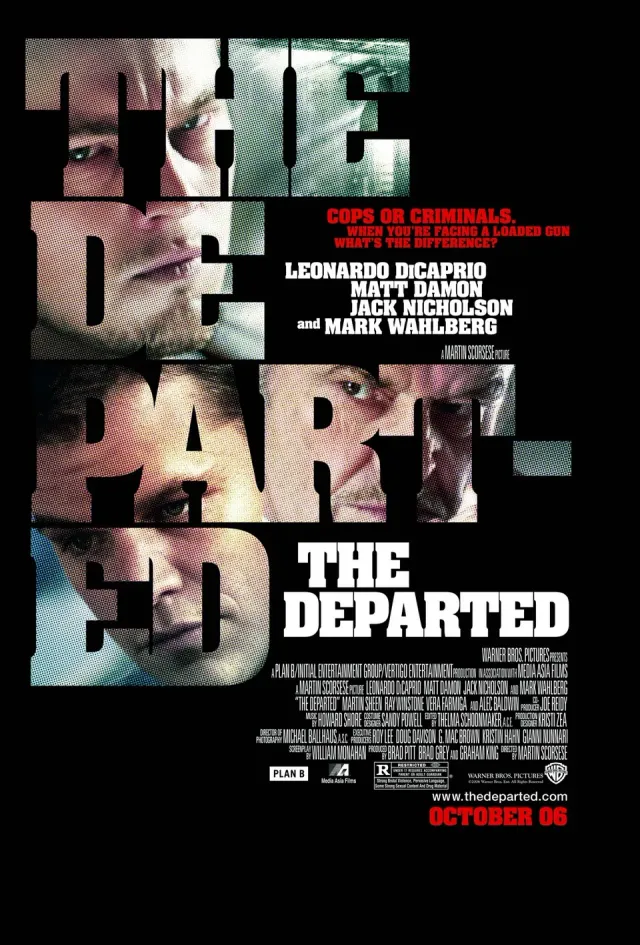
An undercover police officer enters a Boston crime organisation while a protégé of its leader rises inside the police unit investigating it. Each man attempts to identify the other without revealing how thoroughly his public role contradicts his actual allegiance. Handlers, personal relationships and institutional rivalries increase the cost of maintaining a cover, making every exchange a possible exposure and every apparent promotion another form of confinement.
The parallel undercover assignments make institutional allegiance indistinguishable from the identities each man performs.
Why this matches +
Maintaining professional integrity becomes costly when an institution protects its own accepted abuses.
Genres: Crime / Drama
Shared film traits
Based on recorded story, mood and style. Your preferences can change the order.
Investigation
What changes Serpico: measured, chronological and pressure-building. Infernal Affairs: propulsive and intercut.
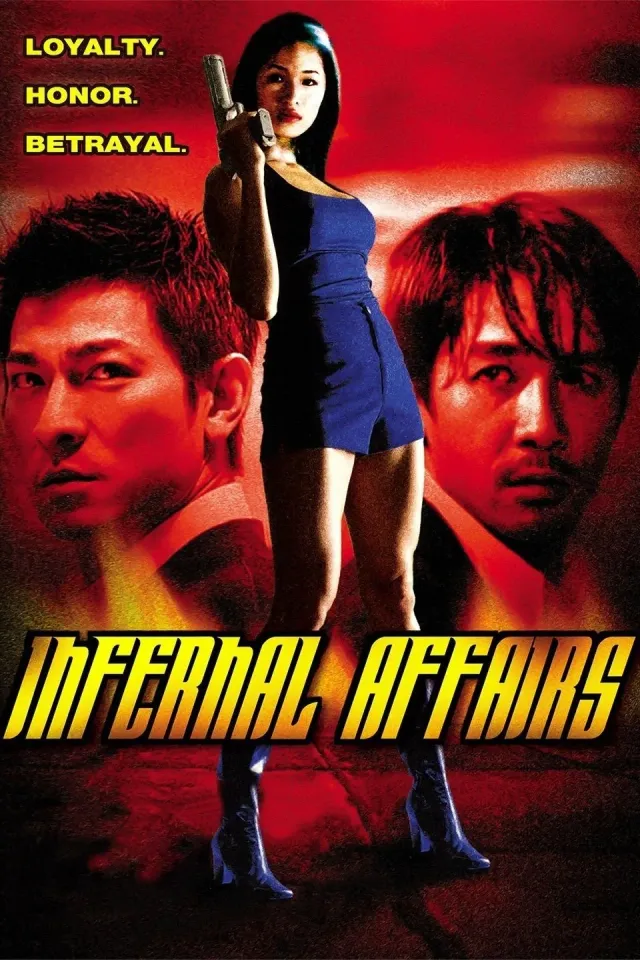
A police officer works undercover inside a Hong Kong triad while a gang member has infiltrated the police force, leaving each man to live under a constructed identity. As their organizations close in on the compromised arrangement, surveillance and loyalty become personal tests. The thriller’s mirrored lives turn the procedural premise into an anxious study of selfhood, trust and the costs of sustained deception.
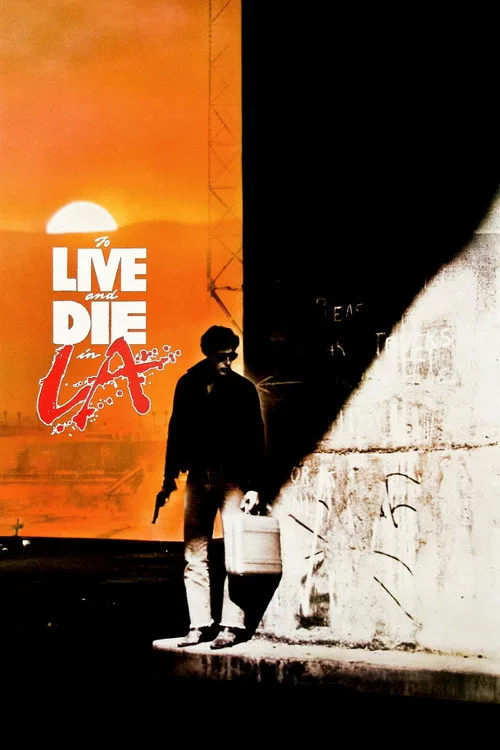
After a counterfeiter kills his partner, Chance risks his career and partner's safety to stage an unlawful sting.
Why this matches +
Maintaining professional integrity becomes costly when an institution protects its own accepted abuses.
Genres: Action / Crime
Shared film traits
Based on recorded story, mood and style. Your preferences can change the order.
Investigation
What changes Serpico: measured, chronological and pressure-building. To Live and Die in L.A.: counterfeiting investigation establishes the target, revenge pushes agents into illegal tactics and pursuit builds to a morally compromised conclusion.
Secret Service agent Richard Chance and partner Jimmy Hart investigate a counterfeiting operation run by artist Eric Masters. After Masters kills Hart, Chance becomes fixated on revenge and ignores the restraints of his assignment. He recruits informant Ruth to help buy counterfeit money and plans an illegal operation to trap Masters, pulling his new partner John Vukovich into increasingly reckless choices. Their pursuit across Los Angeles tests the line between federal authority and the criminal methods they claim to oppose.
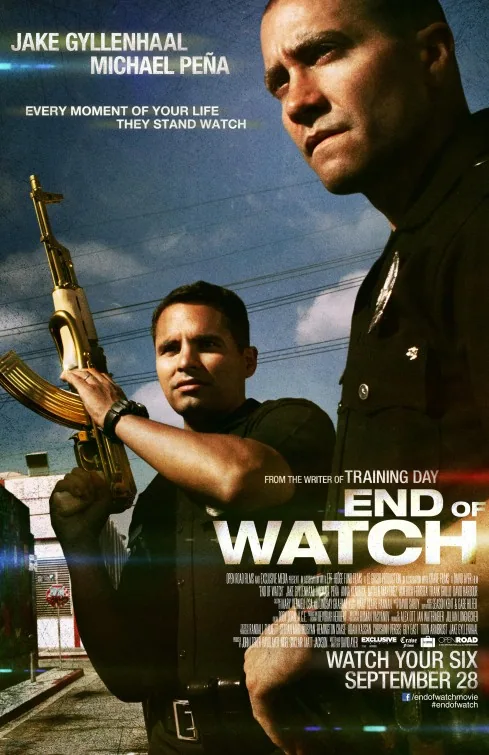
The camera assignment makes the partners’ daily work part of the story’s form and relationship.
Why this matches +
Maintaining professional integrity becomes costly when an institution protects its own accepted abuses.
Genres: Crime / Drama
Shared film traits
Based on recorded story, mood and style. Your preferences can change the order.
What changes Serpico: measured, chronological and pressure-building. End of Watch: routine calls build toward violent confrontation.
Los Angeles patrol partners Brian Taylor and Mike Zavala record parts of their work while serving in a high-crime district. Their friendship and family lives develop alongside increasingly dangerous encounters that connect them to a major criminal organization. The police drama uses a first-person camera style to create immediacy, pairing routine patrol calls with an escalating threat and asking what loyalty means when professional danger reaches into private life.
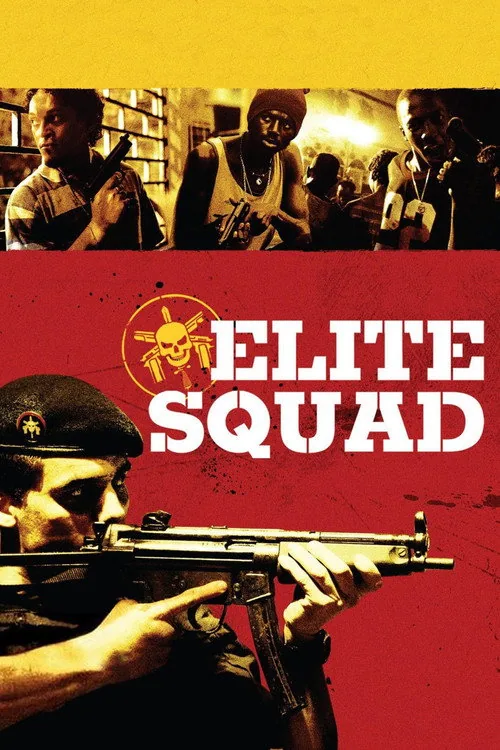
A captain preparing for fatherhood searches for a successor inside a brutal urban police campaign.
Why this matches +
Maintaining professional integrity becomes costly when an institution protects its own accepted abuses.
Genres: action / crime
Shared film traits
Based on recorded story, mood and style. Your preferences can change the order.
Political resistance
What changes Serpico: measured, chronological and pressure-building. Elite Squad: mission based, escalating and parallel character arcs.
In Rio de Janeiro, Captain Nascimento leads an elite police unit confronting violent drug networks in the city's favelas. Expecting a child, he begins looking for a successor and trains two ambitious recruits, Neto and Matias, whose ideals are tested by institutional corruption and the methods used in the campaign. The Brazilian crime drama follows both the unit's operations and the recruits' moral choices in a system where authority and violence reinforce one another.
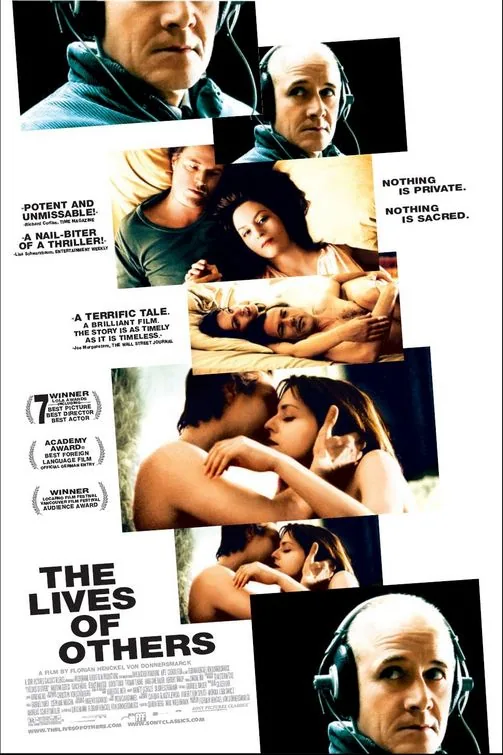
A politically motivated surveillance assignment turns a loyal operative's access to private evidence into a conflict between bureaucratic obedience and covert protection.
Why this matches +
Documented evidence forces an ordinary professional to choose between institutional security and responsibility toward harmed people.
An adjacent discovery: a related idea with a different viewing experience.
Genres: Drama / Thriller
Shared film traits
Based on recorded story, mood and style. Your preferences can change the order.
Political resistance
What changes Serpico: measured, chronological and pressure-building. The Lives of Others: slow burn.
An East German surveillance officer is assigned to monitor a celebrated playwright and his partner, ostensibly for national security. Listening to their private life reveals artistic friendships, fear and a senior official's exploitative motive behind the operation. The officer's identification with people he is meant to expose creates small opportunities to intervene, but every altered report risks his position within an institution that treats conscience as disloyalty.
An idealistic agent's limited access to information exposes the gap between an operation's public justification and actual purpose.
Why this matches +
Documented evidence forces an ordinary professional to choose between institutional security and responsibility toward harmed people.
An adjacent discovery: a related idea with a different viewing experience.
Genres: Crime / Thriller
Shared film traits
Based on recorded story, mood and style. Your preferences can change the order.
Investigation
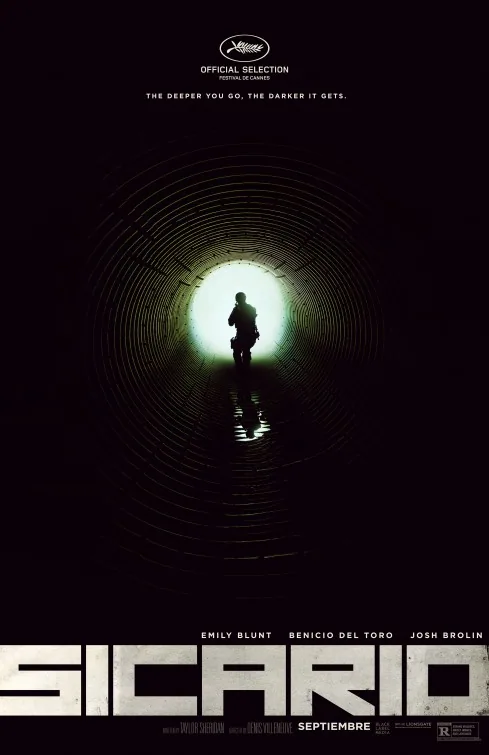
What changes Serpico: measured, chronological and pressure-building. Sicario: slow burn and escalating.
An Arizona FBI agent joins an interagency operation against a Mexican cartel after a raid exposes extreme violence. Working beside a casual American handler and an opaque consultant, she discovers that the team's goals are withheld from her and its methods exceed the legal boundaries she expects. Following orders becomes an increasingly uncomfortable form of complicity as the operation crosses both national and moral borders.
A local allegation expands into an investigation of systematic concealment, requiring documentary proof of institutional knowledge rather than another isolated accusation.
Why this matches +
Documented evidence forces an ordinary professional to choose between institutional security and responsibility toward harmed people.
An adjacent discovery: a related idea with a different viewing experience.
Genres: Drama / Biography
Shared film traits
Based on recorded story, mood and style. Your preferences can change the order.
Investigation
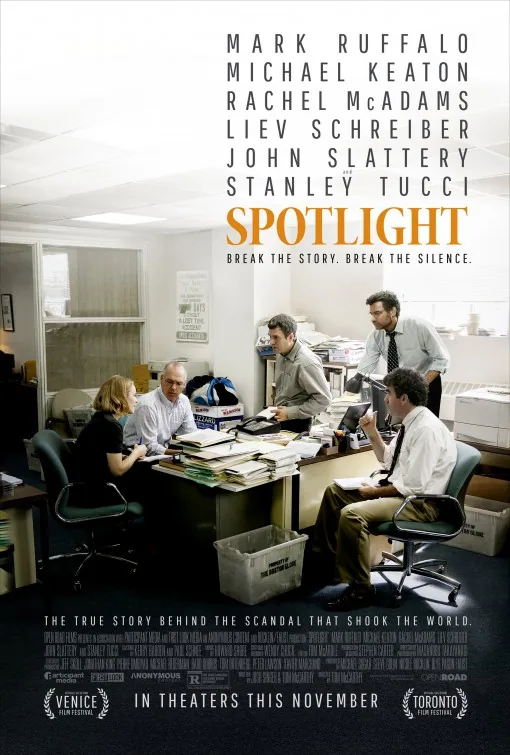
What changes Serpico: measured, chronological and pressure-building. Spotlight: slow burn.
A newspaper's investigative team begins examining allegations against a Boston priest and encounters a pattern extending far beyond an individual offence. Reporters work through court records, reluctant witnesses and professional networks while institutional resistance repeatedly narrows what can be made public. The inquiry also forces them to confront how their own organisation previously missed opportunities to act, making publication a test of collective responsibility as well as evidentiary persistence.
A professional pursuit develops between men whose similar dependence on work makes mutual recognition possible but does not provide a route out of the confrontation.
Why this matches +
Documented evidence forces an ordinary professional to choose between institutional security and responsibility toward harmed people.
An adjacent discovery: a related idea with a different viewing experience.
Genres: Crime / Drama
Shared film traits
Based on recorded story, mood and style. Your preferences can change the order.
Investigation
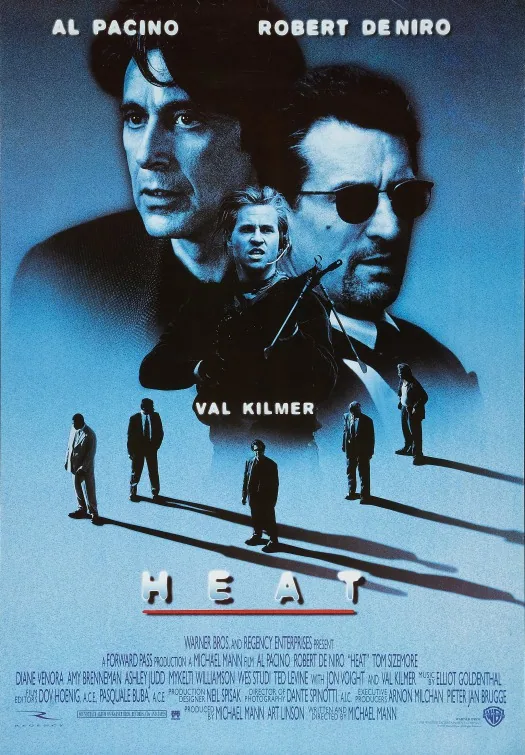
Expect tense and melancholic, with measured and intense pacing.
A disciplined Los Angeles robbery crew attracts a detective whose commitment to the pursuit has already made ordinary domestic life difficult. Planning another major theft forces the crew to negotiate an unstable associate, personal attachments and the limits of their rule against becoming tied to anything they cannot abandon. Parallel attention to police and criminals reveals recognisable forms of loneliness and competence without making their opposing obligations compatible.
Several connected but not identical storylines make the drug economy visible as a network of family decisions, police work, policy and money.
Why this matches +
Documented evidence forces an ordinary professional to choose between institutional security and responsibility toward harmed people.
An adjacent discovery: a related idea with a different viewing experience.
Genres: Crime / Drama
Shared film traits
Based on recorded story, mood and style. Your preferences can change the order.
Investigation
What changes Serpico: measured, chronological and pressure-building. Traffic: multi-strand and gradual convergence.
A newly appointed American drug czar discovers that the policy he is meant to oversee reaches directly into his own family when his teenage daughter develops a dependency. At the same time, a Mexican police officer tries to protect a partner and maintain a moral line inside a system where corruption is routine, while two San Diego agents pursue a case that connects local enforcement to a powerful cartel. In another strand, a wealthy businessman’s arrest leaves his sheltered wife to confront the machinery behind their comfortable life. The stories remain distinct but echo one another through uneven power, compromised institutions and the way a public drug war enters private homes. The film asks what control can mean when each level of the system depends on what the others conceal.
Jones and his small team examine a vast record and try to substantiate what the CIA did during interrogation.
Why this matches +
Documented evidence forces an ordinary professional to choose between institutional security and responsibility toward harmed people.
An adjacent discovery: a related idea with a different viewing experience.
Genres: Drama / History
Shared film traits
Based on recorded story, mood and style. Your preferences can change the order.
Investigation · Political resistance
What changes Serpico: measured, chronological and pressure-building. The Report: document-driven procedure, gradual accumulation of evidence and political release climax.
In 2009, Senate staffer Daniel Jones is asked to review millions of pages of CIA records about the agency's post-9/11 interrogation program. Working with a small team, he documents how officials authorized and described the practices, while facing delays, political pressure, and resistance from the intelligence agency. Senator Dianne Feinstein backs the inquiry, but the report's publication becomes a struggle of its own. The political drama follows the patient work of assembling evidence and making an official record public.
Small inconsistencies accumulate into a publishable case through interviews, documents and repeated verification.
Why this matches +
Documented evidence forces an ordinary professional to choose between institutional security and responsibility toward harmed people.
An adjacent discovery: a related idea with a different viewing experience.
Genres: Drama / Thriller
Shared film traits
Based on recorded story, mood and style. Your preferences can change the order.
Investigation
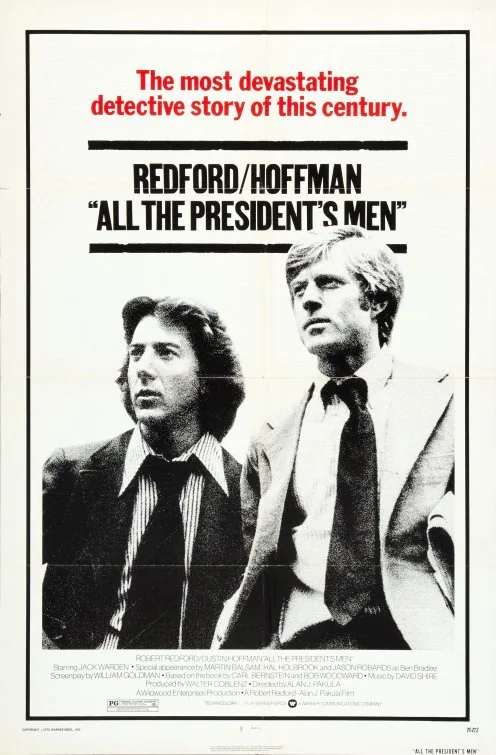
Expect tense and methodical, with measured pacing.
Two newspaper reporters investigate a burglary whose apparently minor details lead towards senior political figures. Interviews, records and reluctant sources gradually reveal a larger operation, but each claim requires corroboration before publication. Their progress depends less on a single revelation than on patient persistence inside a newsroom negotiating evidence, risk and the pressure exerted by powerful people.
The threat of publication links two risks: Wigand may lose his safety and livelihood, while CBS may suppress the interview to protect itself.
Why this matches +
Documented evidence forces an ordinary professional to choose between institutional security and responsibility toward harmed people.
An adjacent discovery: a related idea with a different viewing experience.
Genres: Drama / Thriller
Shared film traits
Based on recorded story, mood and style. Your preferences can change the order.
Investigation
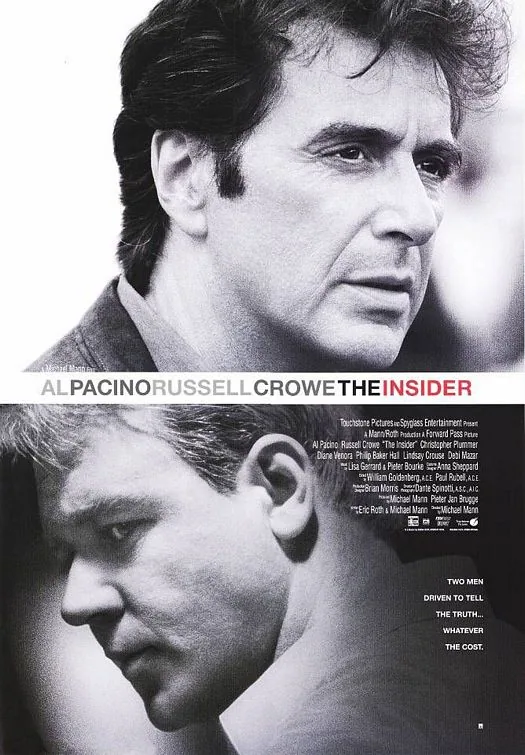
What changes Serpico: measured, chronological and pressure-building. The Insider: reporting and verification and publicity escalation.
CBS producer Lowell Bergman persuades former tobacco executive Jeffrey Wigand to explain what he knows about Brown & Williamson’s practices for a 60 Minutes investigation. Wigand’s confidentiality agreement, threats and family pressures make cooperation dangerous, while CBS executives worry about legal and financial exposure. As the broadcast is delayed and edited, Bergman must decide whether protecting the story means confronting the network that employs him. The film turns investigative reporting into a battle over sources, corporate pressure and newsroom independence, dramatizing real events without serving as a transcript of every participant’s perspective.
A case expected to end in a settlement becomes a test of whether an impaired lawyer can turn a vulnerable client’s injury into public evidence.
Why this matches +
Documented evidence forces an ordinary professional to choose between institutional security and responsibility toward harmed people.
An adjacent discovery: a related idea with a different viewing experience.
Genres: Drama / Trial
Shared film traits
Based on recorded story, mood and style. Your preferences can change the order.
Investigation
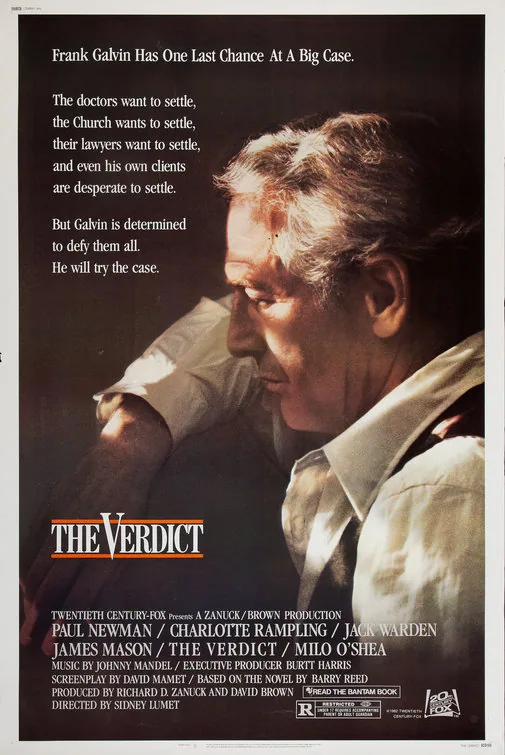
What changes Serpico: measured, chronological and pressure-building. The Verdict: measured and courtroom escalation.
Frank Galvin is a once-promising Boston lawyer whose drinking and professional decline have left him chasing minor cases. His former colleague gives him a medical malpractice suit involving a young woman left comatose after childbirth, expecting him to accept a settlement from the hospital’s powerful legal team. A visit to the patient changes Frank’s response: he decides that a trial may expose what happened, even though his preparation is disorganized and witnesses prove difficult to secure. Opposing counsel Ed Concannon uses influence and procedure to contain the case, forcing Frank to choose between a quick payment and the uncertain chance to make the evidence heard. Frank’s rejection of the settlement also puts his professional credibility and the client’s legal remedy at risk.
A farmer's evidence leads a corporate lawyer into a long legal challenge over chemical contamination.
Why this matches +
Documented evidence forces an ordinary professional to choose between institutional security and responsibility toward harmed people.
An adjacent discovery: a related idea with a different viewing experience.
Genres: biography / drama
Shared film traits
Based on recorded story, mood and style. Your preferences can change the order.
Investigation
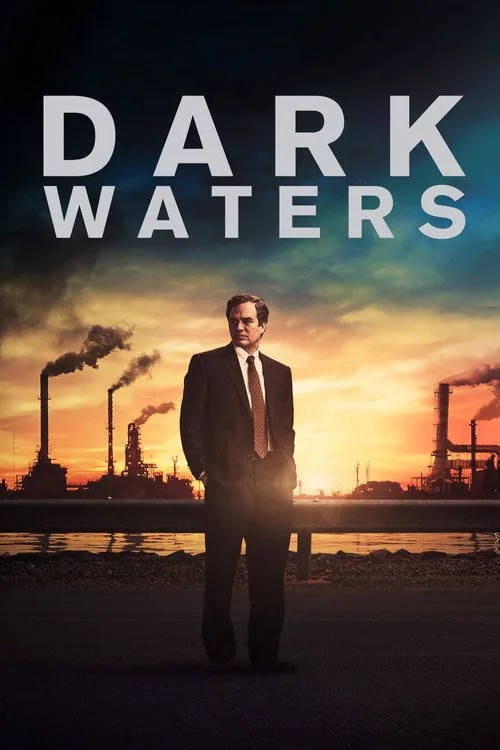
What changes Serpico: measured, chronological and pressure-building. Dark Waters: procedural, cumulative and multi-year.
Corporate defense lawyer Robert Bilott is asked by West Virginia farmer Wilbur Tennant to investigate unexplained animal deaths near a DuPont chemical operation. His research connects the farm's contamination to a persistent compound used in making Teflon, and a local dispute grows into a decades-long legal and public-health fight. Bilott's pursuit strains his work and family life as corporate resistance makes evidence, time, and accountability central obstacles.
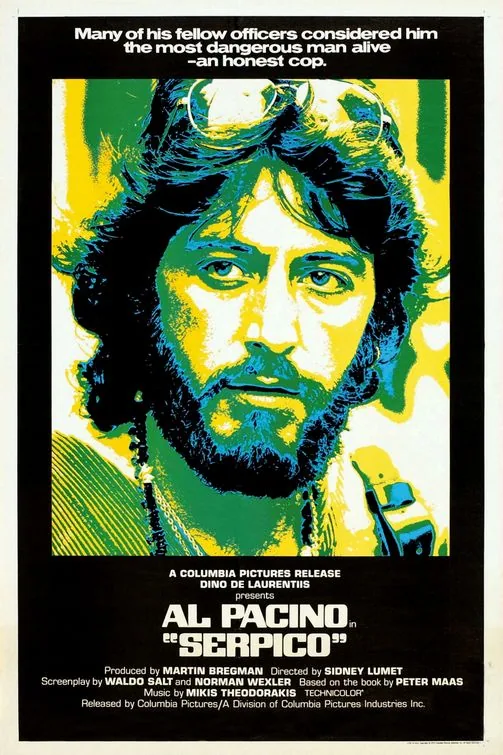
New York police officer Frank Serpico begins his career hoping to serve the public, but his unconventional style and refusal to accept bribes isolate him from colleagues who profit from a widespread corruption system. As he reports misconduct through official channels, indifference and retaliation make his own department an obstacle to the investigation. During a Brooklyn drug raid he is shot in the face, a turning point that exposes how isolated he has become within the force. His recovery and testimony before the Knapp Commission help bring the corruption into public view, but his relationship with the department is permanently changed.
What drives the story
Serpico’s refusal to participate turns routine police work into an institutional conflict, and each attempt to report the bribes exposes another layer of protection for the system.
The people at its centre
His principles are not cost-free heroism: colleagues’ exclusion and the danger of reporting gradually leave him with fewer allies inside the department.
What it feels like
The film’s urban locations and observational scenes emphasize daily pressure rather than action-movie spectacle; its framing and chronology build toward an inquiry into institutional trust.
Worth knowing
A dramatized biographical crime film about police corruption and whistleblowing; it is more interested in sustained institutional resistance than in a conventional detective case.