Based on recorded story, mood and style. Your preferences can change the order.
What changes The Verdict: measured and courtroom escalation. Philadelphia: measured.
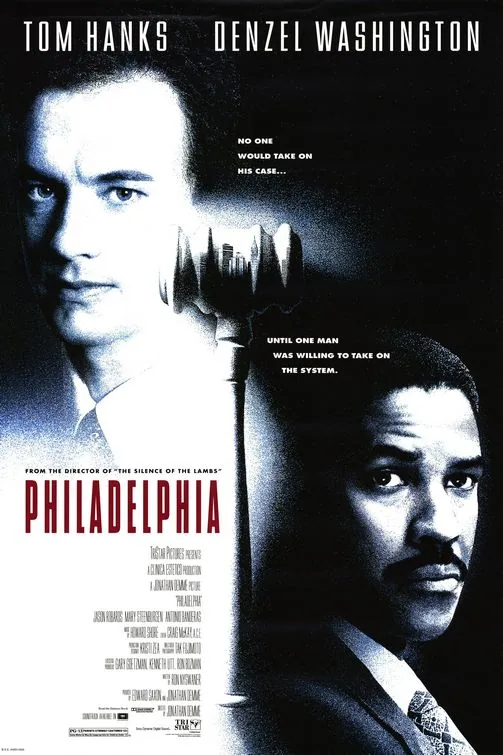
A successful lawyer who has concealed his AIDS diagnosis is dismissed after a disputed failure at work. Believing the explanation masks discrimination, he seeks representation from a lawyer whose own fear and prejudice initially make assistance unlikely. Preparing and trying the case turns professional evidence into a demand for public dignity, while illness gives each delay a personal cost and exposes the difference between legal sympathy and actual acceptance.
Based on recorded story, mood and style. Your preferences can change the order.
Investigation
What changes The Verdict: measured and courtroom escalation. Just Mercy: a case-by-case procedural builds toward a difficult appeal.
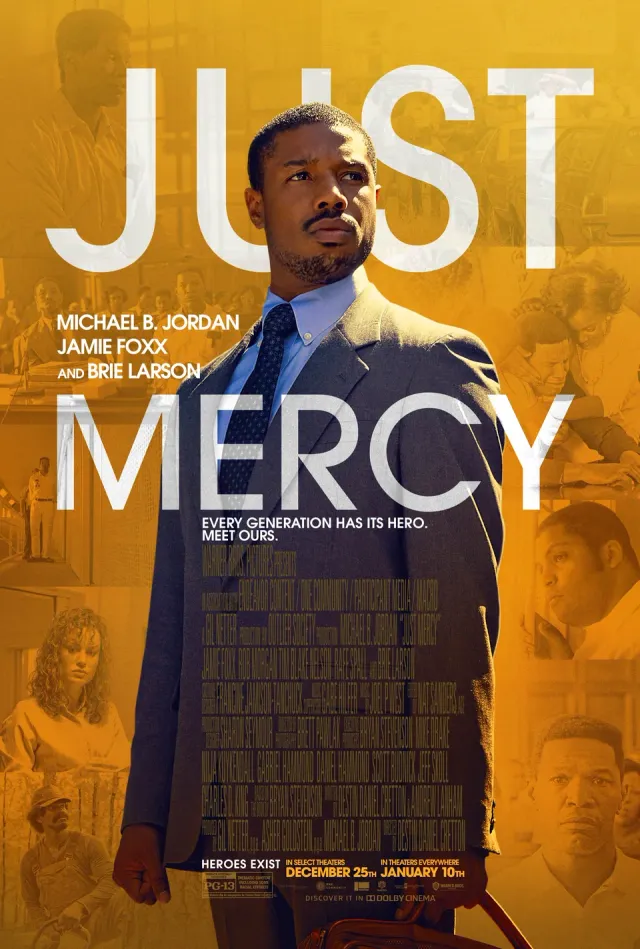
Young lawyer Bryan Stevenson travels to Alabama to defend people who cannot afford representation and takes up Walter McMillian’s case after a questionable murder conviction. The legal fight reveals suppressed evidence, racial bias and the unequal power of the state. Adapted from Stevenson’s memoir, the drama follows the patient work of investigation and advocacy while showing how one case reflects a much wider pattern.
Based on recorded story, mood and style. Your preferences can change the order.
Investigation
What changes The Verdict: measured and courtroom escalation. The Burial: procedural, argument-driven, steady and climactic.
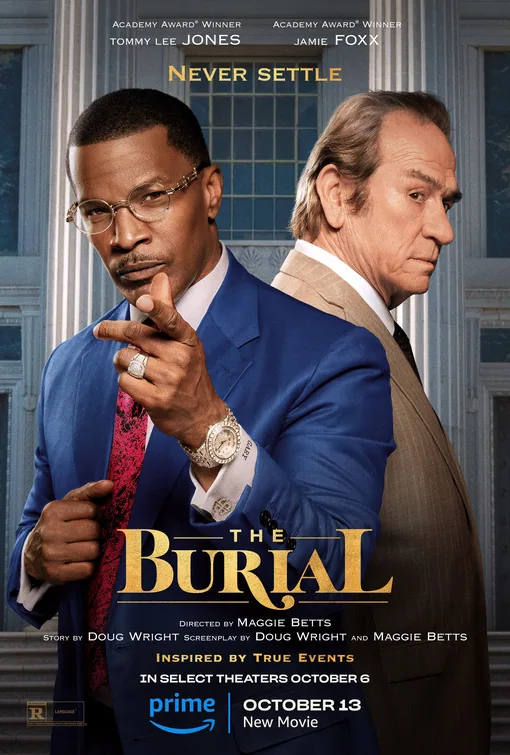
Mississippi funeral-home owner Jeremiah O’Keefe brings in charismatic trial lawyer Willie E. Gary after a business deal with the Loewen Group threatens to overwhelm his family company. The case becomes a courtroom fight over contract terms, competition and power in the funeral industry, with the two men developing an unlikely working partnership. Maggie Betts’s legal drama is based on the real dispute reported in Jonathan Harr’s 1999 New Yorker article.
Based on recorded story, mood and style. Your preferences can change the order.
Investigation
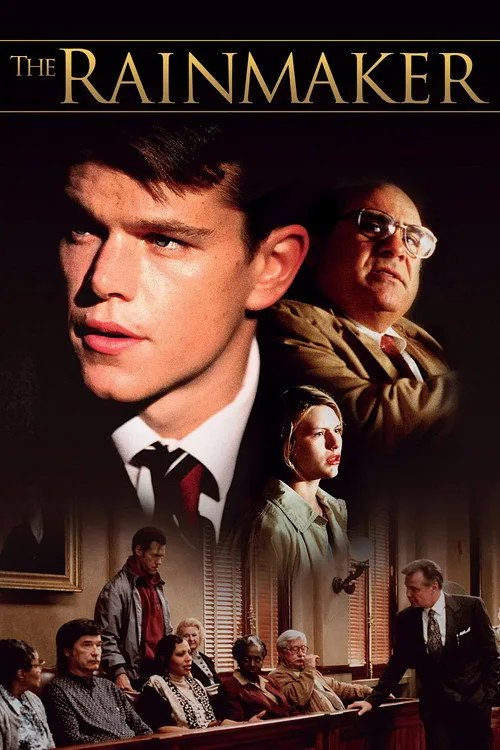
What changes The Verdict: measured and courtroom escalation. The Rainmaker: procedural, character-led and building to trial.
Newly licensed lawyer Rudy Baylor opens a small practice with paralegal Deck Shifflet after his first employer disappears during an FBI raid. They take a case for a Memphis family whose insurer denied treatment that might have saved their son. Rudy faces a formidable legal team while also helping Kelly Riker, a hospital patient experiencing domestic abuse. Francis Ford Coppola’s adaptation of John Grisham’s novel follows a novice advocate confronting institutional power, courtroom strategy, and difficult choices beyond the trial.
Based on recorded story, mood and style. Your preferences can change the order.
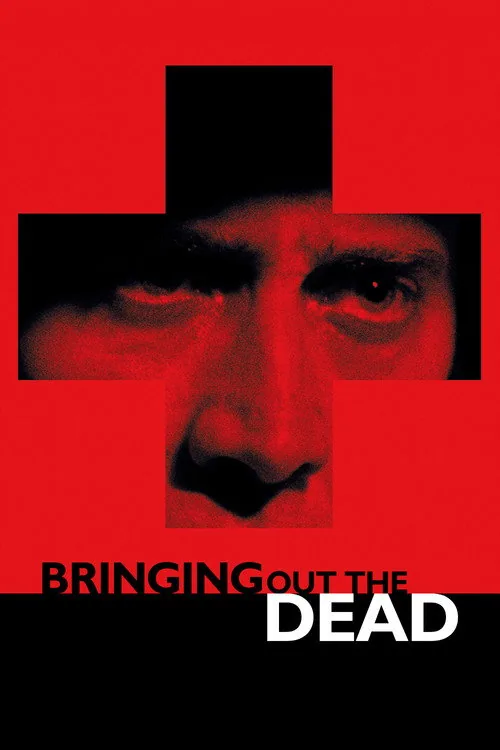
What changes The Verdict: measured and courtroom escalation. Bringing Out the Dead: episodic calls, unrelenting urban rhythm and psychological intensification.
New York paramedic Frank Pierce works through exhausting night shifts while struggling with insomnia, depression, and the memory of a young patient he could not save. The people he encounters on the streets and in ambulances keep blurring into his own unresolved guilt, and his rotating partners each approach the job differently. Over roughly two days, Frank attempts to keep functioning while wondering whether he can continue in emergency medicine. Martin Scorsese’s adaptation of Joe Connelly’s novel is an intense psychological drama about care, burnout, and the limits of rescue.
Based on recorded story, mood and style. Your preferences can change the order.
Investigation
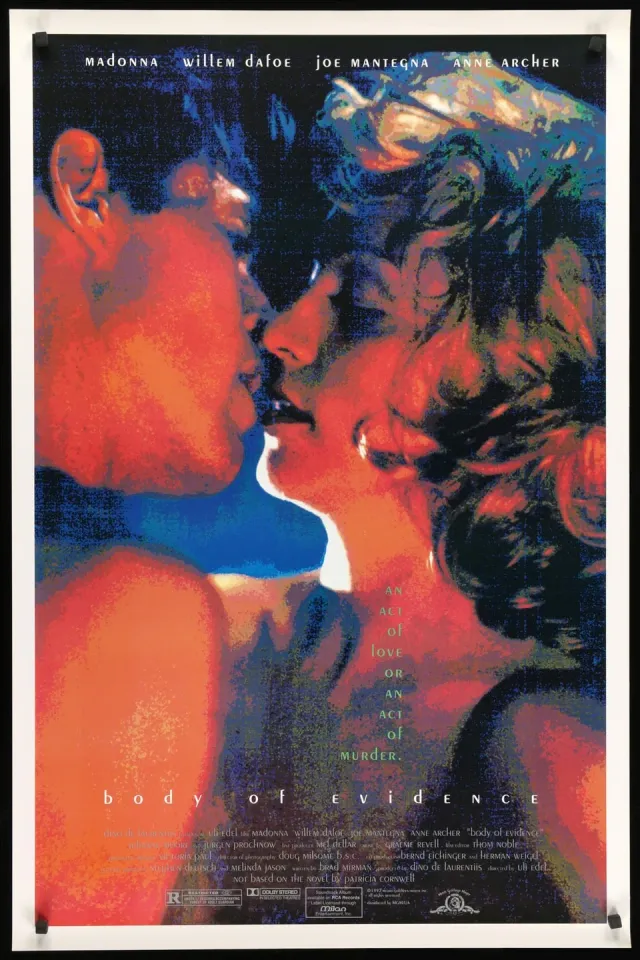
What changes The Verdict: measured and courtroom escalation. Body of Evidence: legal argument and erotic entanglement intensify together as each new disclosure shifts suspicion.
After wealthy businessman Andrew Marsh dies during an erotic encounter, his lover Rebecca Carlson becomes the chief suspect because she stands to inherit his fortune. Defense attorney Frank Dulaney believes her denials and takes her case against prosecutor Robert Garrett. While the trial unfolds, Frank and Rebecca begin a secret relationship that compromises his judgment and endangers his marriage. Testimony about Rebecca’s past brings new doubts about her dealings with wealthy partners. The case turns into a contest over how much of Rebecca’s private life can prove motive, leaving Frank to separate his attraction from the evidence he is meant to assess.
Both centre on professional pursuit and institutional investigation.
Why this matches +
Genres: Crime / Drama
Shared film traits
Based on recorded story, mood and style. Your preferences can change the order.
Investigation
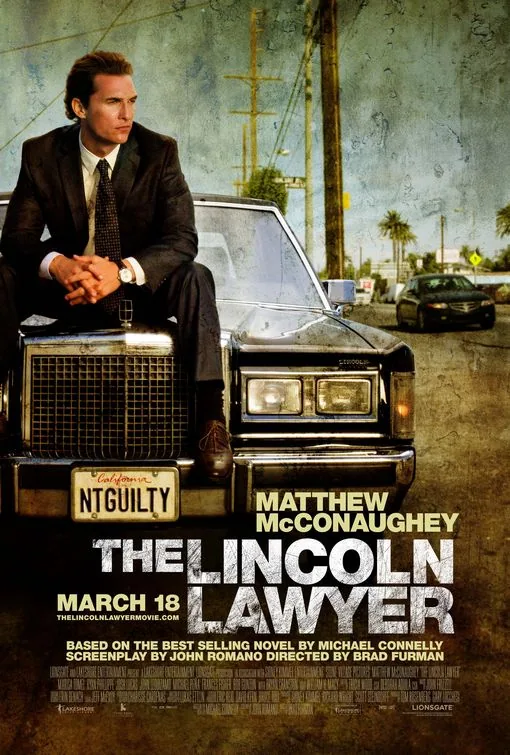
What changes The Verdict: measured and courtroom escalation. The Lincoln Lawyer: case investigation and courtroom turns.
Defense attorney Mickey Haller runs his practice from the back seat of a Lincoln and takes a high-profile case involving wealthy client Louis Roulet, accused of assaulting a woman. The evidence seems to offer Mickey a chance at a lucrative, straightforward defense, but similarities to an older case begin to unsettle his certainty. As he investigates, he must navigate legal ethics, pressure from prosecutors and the safety of those close to him. Brad Furman’s adaptation turns courtroom procedure into a moral thriller about what a defense lawyer can know and what client confidentiality may require him to protect.
Both share themes of justice, plus a somber atmosphere.
Why this matches +
Genres: Drama
Shared film traits
Based on recorded story, mood and style. Your preferences can change the order.
Investigation
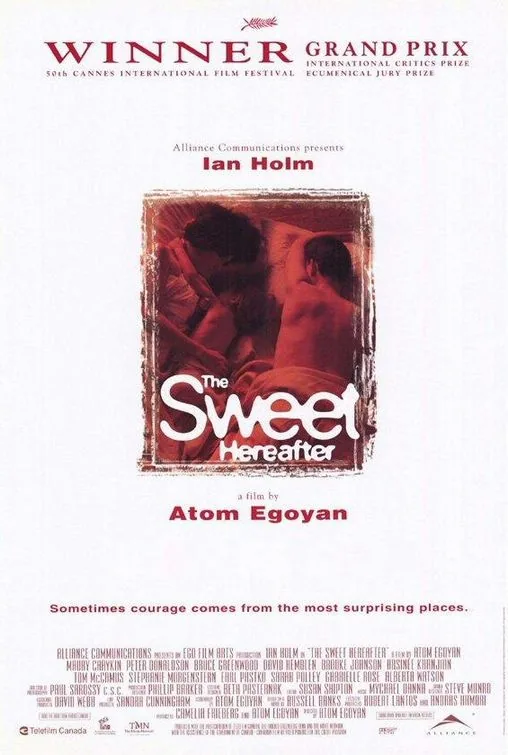
What changes The Verdict: measured and courtroom escalation. The Sweet Hereafter: interwoven memories and present-day interviews reveal how the crash reshapes the town and the case.
A school bus crash kills fourteen children in the small British Columbia town of Sam Dent. Lawyer Mitchell Stephens arrives to organize a lawsuit, carrying private grief over his estranged daughter’s addiction. The case depends on testimony from survivors and the bus driver, and Stephens tries to shape what the witnesses will say about the crash. Nicole Burnell, a teenager who survived with a serious injury, makes a choice at her deposition that stops the suit. Her decision leaves the community to live with grief outside the promise of legal compensation.
Based on recorded story, mood and style. Your preferences can change the order.
Investigation
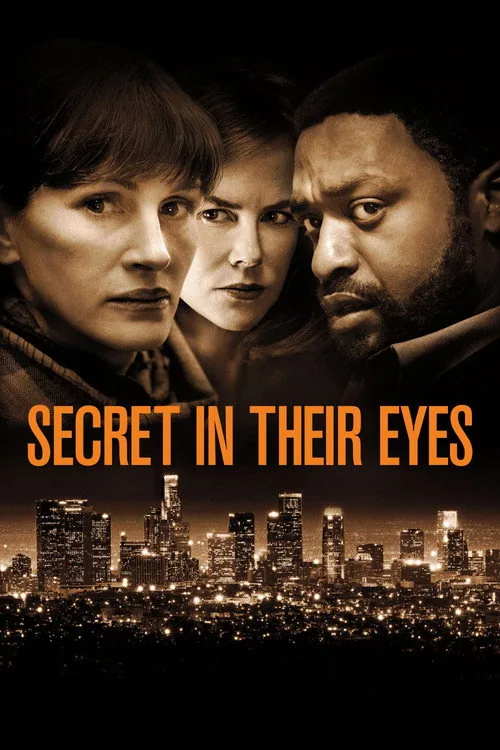
What changes The Verdict: measured and courtroom escalation. The Secret in Their Eyes: past-and-present structure, case file reconstruction and late moral revelation.
Years after a young woman is murdered, retired investigator Ray Kasten returns to Los Angeles and tries to reopen the case alongside former colleague Claire Sloan. The victim was the daughter of Ray's friend Jess, whose grief and search for justice shaped the original investigation. A suspect connected to a terrorism inquiry was never brought to trial, and the old team must confront why the case stalled. The American adaptation combines a murder investigation with unresolved love, institutional compromise, and the long reach of trauma.
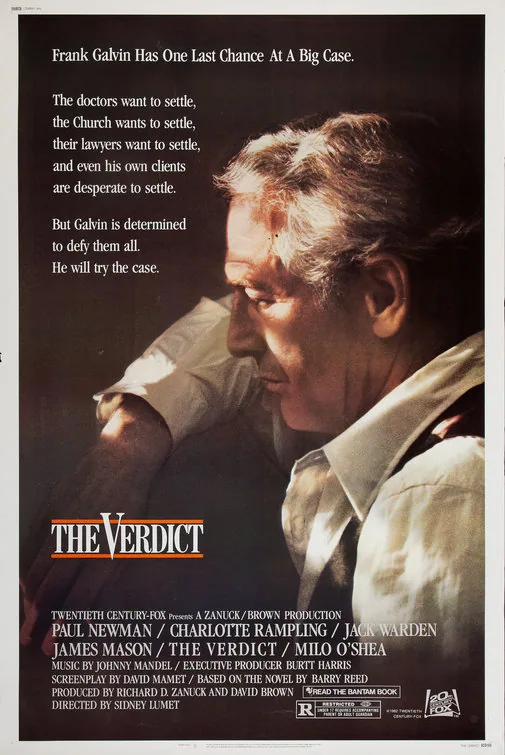
Frank Galvin is a once-promising Boston lawyer whose drinking and professional decline have left him chasing minor cases. His former colleague gives him a medical malpractice suit involving a young woman left comatose after childbirth, expecting him to accept a settlement from the hospital’s powerful legal team. A visit to the patient changes Frank’s response: he decides that a trial may expose what happened, even though his preparation is disorganized and witnesses prove difficult to secure. Opposing counsel Ed Concannon uses influence and procedure to contain the case, forcing Frank to choose between a quick payment and the uncertain chance to make the evidence heard. Frank’s rejection of the settlement also puts his professional credibility and the client’s legal remedy at risk.
What drives the story
A case expected to end in a settlement becomes a test of whether an impaired lawyer can turn a vulnerable client’s injury into public evidence.
The people at its centre
Frank’s self-doubt and drinking make his choice costly; Laura offers intimacy but also raises questions about whether he can trust anyone while rebuilding his professional judgment.
What it feels like
Sidney Lumet keeps the Boston streets and courtroom plain, concentrating tension in witness preparation, testimony and Frank’s often solitary decisions.
Worth knowing
For viewers seeking a grounded courtroom drama about professional decline, evidence and second chances. It is more character-centered and morally uneasy than a slick legal puzzle or triumphant underdog fantasy.
redemptionprofessional declinejustice
Mood
somber · tense · hopeful
Pacing
measured · courtroom escalation
Visual style
urban naturalism · plain interiors
Storytelling
medical malpractice trial · witness pursuit · evidence advocacy