Based on recorded story, mood and style. Your preferences can change the order.
Power and authority
What changes The Burial: procedural, argument-driven, steady and climactic. Nell: a time-limited assessment brings medical and legal and personal approaches into conflict.
After Violet Kellty dies in a secluded mountain cabin, physician Jerry Lovell finds her adult daughter Nell living in isolation and speaking a language that no one around her understands. Jerry brings in researcher Paula Olsen to help assess Nell, and their professional interest raises a question about whether she should be observed in a clinic or allowed to remain in the place she knows. The sheriff and others become involved as the limited time of a court order approaches. Jerry and Paula must separate scientific curiosity from Nell’s welfare while learning how she communicates and what kind of life she wants.
Based on recorded story, mood and style. Your preferences can change the order.
Investigation · Power and authority
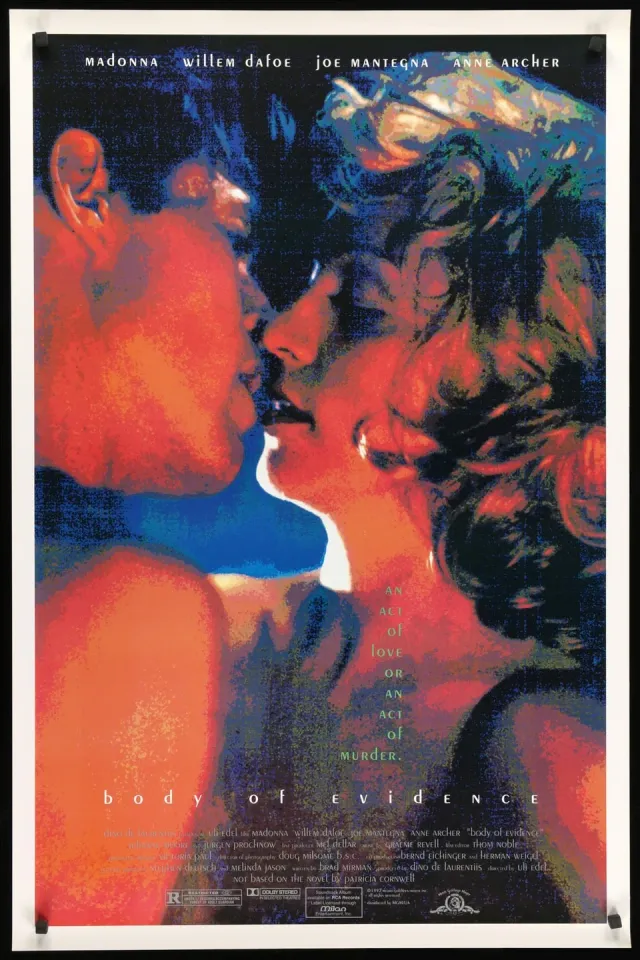
What changes The Burial: procedural, argument-driven, steady and climactic. Body of Evidence: legal argument and erotic entanglement intensify together as each new disclosure shifts suspicion.
After wealthy businessman Andrew Marsh dies during an erotic encounter, his lover Rebecca Carlson becomes the chief suspect because she stands to inherit his fortune. Defense attorney Frank Dulaney believes her denials and takes her case against prosecutor Robert Garrett. While the trial unfolds, Frank and Rebecca begin a secret relationship that compromises his judgment and endangers his marriage. Testimony about Rebecca’s past brings new doubts about her dealings with wealthy partners. The case turns into a contest over how much of Rebecca’s private life can prove motive, leaving Frank to separate his attraction from the evidence he is meant to assess.
Based on recorded story, mood and style. Your preferences can change the order.
Investigation
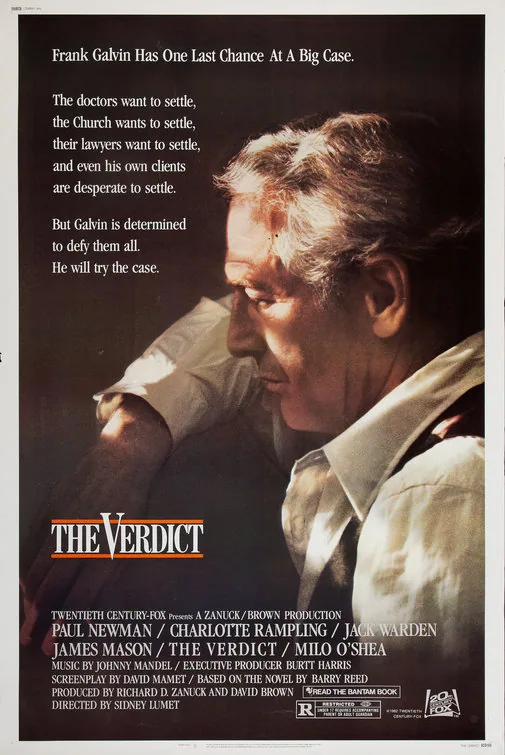
What changes The Burial: procedural, argument-driven, steady and climactic. The Verdict: measured and courtroom escalation.
Frank Galvin is a once-promising Boston lawyer whose drinking and professional decline have left him chasing minor cases. His former colleague gives him a medical malpractice suit involving a young woman left comatose after childbirth, expecting him to accept a settlement from the hospital’s powerful legal team. A visit to the patient changes Frank’s response: he decides that a trial may expose what happened, even though his preparation is disorganized and witnesses prove difficult to secure. Opposing counsel Ed Concannon uses influence and procedure to contain the case, forcing Frank to choose between a quick payment and the uncertain chance to make the evidence heard. Frank’s rejection of the settlement also puts his professional credibility and the client’s legal remedy at risk.
Based on recorded story, mood and style. Your preferences can change the order.
Investigation
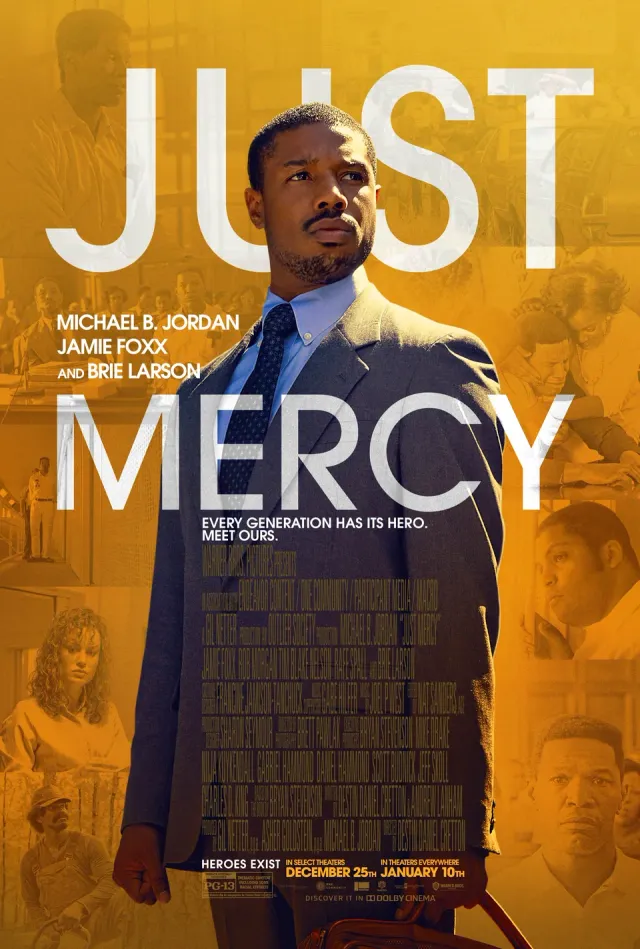
What changes The Burial: procedural, argument-driven, steady and climactic. Just Mercy: a case-by-case procedural builds toward a difficult appeal.
Young lawyer Bryan Stevenson travels to Alabama to defend people who cannot afford representation and takes up Walter McMillian’s case after a questionable murder conviction. The legal fight reveals suppressed evidence, racial bias and the unequal power of the state. Adapted from Stevenson’s memoir, the drama follows the patient work of investigation and advocacy while showing how one case reflects a much wider pattern.
Based on recorded story, mood and style. Your preferences can change the order.
What changes The Burial: procedural, argument-driven, steady and climactic. Manchester by the Sea: measured.
After his brother Joe dies, Lee Chandler returns to the Massachusetts town he left and learns that he has been named guardian of Joe's teenage son, Patrick. The practical arrangements bring him face to face with an earlier catastrophe: a house fire accidentally killed Lee's three children, and he could not remain in the community afterward. Patrick wants to stay with friends and his band, while Lee cannot imagine rebuilding a life there. The two negotiate care without a consoling cure, settling on a future that preserves a relationship Lee can bear.
Based on recorded story, mood and style. Your preferences can change the order.
Investigation · Social hierarchy
What changes The Burial: procedural, argument-driven, steady and climactic. Midnight in the Garden of Good and Evil: a feature assignment grows into a case investigation as kelso listens to conflicting accounts and follows the courtroom proceedings.
New York writer John Kelso travels to Savannah to report on the celebrated Christmas party of antiques dealer Jim Williams. The visit changes when Williams shoots Billy Hanson at his Mercer House, turning Kelso’s feature assignment into coverage of a murder case. As he meets Savannah regulars and follows the trial, Kelso encounters a city whose social rituals and eccentric residents complicate outsiders’ assumptions about what happened. The inquiry draws him deeper into Williams’s life and into Savannah’s carefully guarded histories.
Based on recorded story, mood and style. Your preferences can change the order.
Social hierarchy · Work and ambition
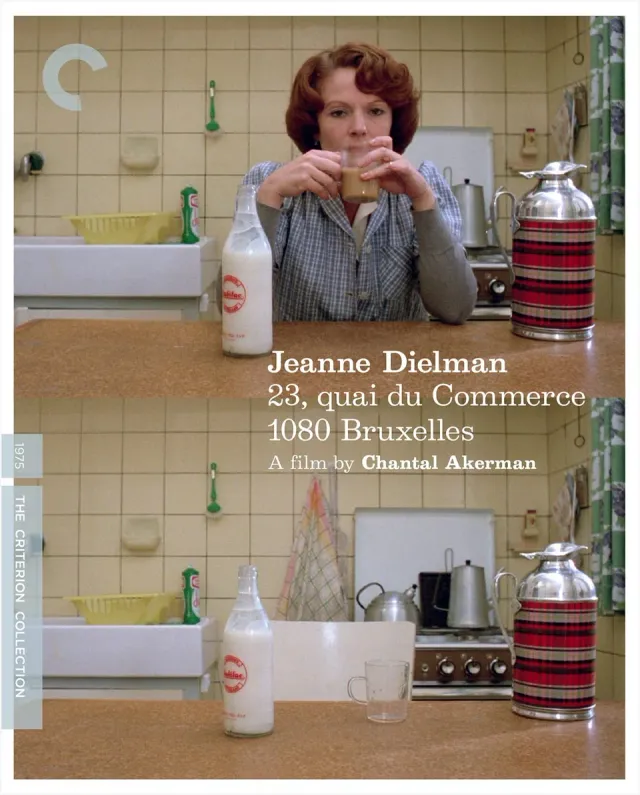
What changes The Burial: procedural, argument-driven, steady and climactic. Jeanne Dielman, 23 quai du Commerce, 1080 Bruxelles: slow, repetitive and deliberate.
For several days in Brussels, widowed Jeanne Dielman moves through a carefully repeated schedule of cooking, cleaning, shopping and caring for her teenage son. She also receives a client at home each afternoon, fitting that work into the same disciplined routine. Small disruptions accumulate—a meal overcooks, an errand goes wrong, a task slips—until the rituals that structure her life no longer hold. The drama stays close to ordinary time and domestic labor.
Based on recorded story, mood and style. Your preferences can change the order.
What changes The Burial: procedural, argument-driven, steady and climactic. Till: a focused historical account follows grief into public action.
Mamie Till-Mobley’s life changes after her son Emmett is murdered while visiting family in Mississippi in 1955. The historical drama follows her efforts to bring the crime before the public, insisting that the world witness what was done. By centering Mamie’s perspective, the film connects private maternal grief with organized resistance and the lasting political force of testimony.
Based on recorded story, mood and style. Your preferences can change the order.
Social hierarchy · Work and ambition
What changes The Burial: procedural, argument-driven, steady and climactic. To Leslie: measured, episodic, character-led and gradual.
Years after winning a local lottery, Leslie has lost the money and is living with alcoholism, unstable housing and damaged relationships. She returns to her West Texas hometown and reconnects with her adult son, whose offer of shelter comes with limits. Motel owner Sweeney eventually offers her work and a room, creating a fragile chance to rebuild trust. The drama focuses on recovery as a difficult series of choices supported by other people.
Mississippi funeral-home owner Jeremiah O’Keefe brings in charismatic trial lawyer Willie E. Gary after a business deal with the Loewen Group threatens to overwhelm his family company. The case becomes a courtroom fight over contract terms, competition and power in the funeral industry, with the two men developing an unlikely working partnership. Maggie Betts’s legal drama is based on the real dispute reported in Jonathan Harr’s 1999 New Yorker article.
What drives the story
Willie Gary and Jeremiah O’Keefe build a case against the Loewen Group as contract conflict turns into a courtroom battle.
The people at its centre
The unlikely legal partners learn to trust each other’s methods while confronting how their backgrounds shape their approach to the case.
What it feels like
A corporate contract dispute becomes a character-led trial story energized by the contrast between its two lawyers.
Worth knowing
A courtroom drama for viewers who like business cases, true-story legal battles and spirited trial performances.
justicebusiness ethicsrace
Mood
combative · witty · uplifting · serious
Pacing
procedural · argument-driven · steady · climactic
Visual style
Southern courthouse interiors · 1990s period detail · trial staging · contrasting lawyer personas
Storytelling
legal drama · true-story basis · business dispute · trial partnership · courtroom argument