Explore films connected to Bringing Out the Dead through Compassion and burnout, Guilt and forgiveness, Care amid urban crisis. Choose the qualities you want to carry into your next watch.
What should feel similar?
Find your next favourite
9 films · Closest overall matches
Hide films you’ve seen or don’t want. Saved on this device.
No matches for this combination yet.
Try another option or reset your choices to see more films.
Based on recorded story, mood and style. Your preferences can change the order.
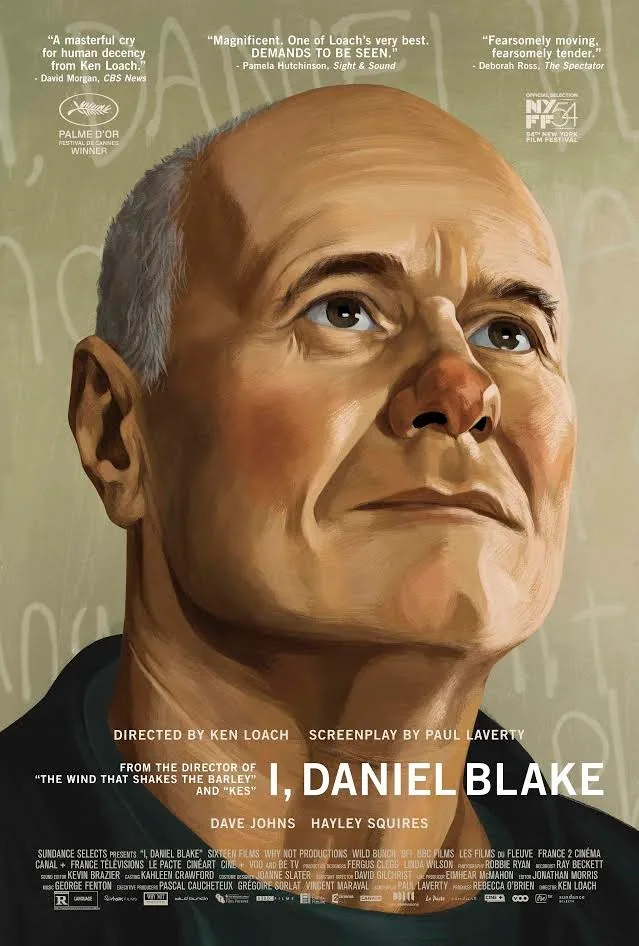
What changes Bringing Out the Dead: episodic calls, unrelenting urban rhythm and psychological intensification. I, Daniel Blake: measured.
A widowed carpenter unable to resume work after a heart attack is declared fit by a benefits assessment and pushed into requirements that contradict his doctor's advice. Seeking an appeal demands computer skills, repeated explanations and performances of job-seeking that do little to meet his immediate needs. Friendship with a single mother creates a small network of practical care within the same system's failures. The social drama makes administrative delay materially consequential, contrasting ordinary competence and solidarity with procedures that refuse to recognize either.
Based on recorded story, mood and style. Your preferences can change the order.
What changes Bringing Out the Dead: episodic calls, unrelenting urban rhythm and psychological intensification. Code 3: shift begins with routine emergencies, calls vary in urgency and absurdity and long day tests the crew's limits.
A burned-out paramedic works a final 24-hour shift alongside an overworked partner, responding to emergencies across a city where the calls rarely arrive in neat order. The crew must handle medical crises, difficult patients, and the emotional strain that builds when public need outpaces staffing and resources. As the shift continues, jokes and routine become ways to cope with fatigue, even as the work's human cost remains visible. This dark comedy-drama takes a day-in-the-life view of emergency medical services, balancing bloody situations with the camaraderie and exhaustion of frontline responders.
Based on recorded story, mood and style. Your preferences can change the order.
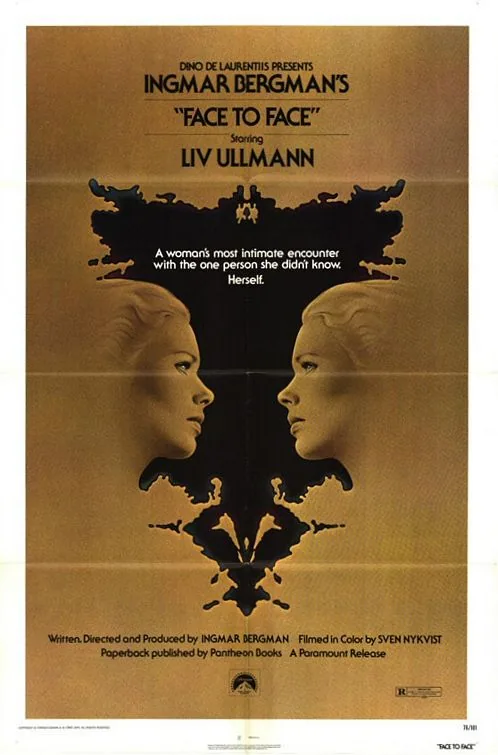
What changes Bringing Out the Dead: episodic calls, unrelenting urban rhythm and psychological intensification. Face to Face: slow, fragmented and intensifying.
Dr. Jenny Isaksson, a psychiatrist, takes a temporary post in a mental hospital while her husband and daughter are away. Staying in her grandparents' old home awakens painful childhood memories, and visions intrude on her daily life. As Jenny's professional duties and strained relationships press closer, the story moves between waking reality, dreams and crisis, examining the instability beneath a life built around understanding other people's minds.
Based on recorded story, mood and style. Your preferences can change the order.
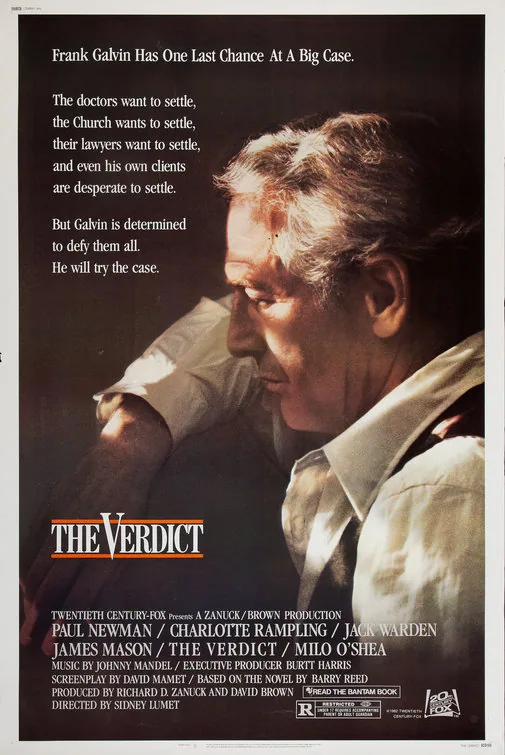
What changes Bringing Out the Dead: episodic calls, unrelenting urban rhythm and psychological intensification. The Verdict: measured and courtroom escalation.
Frank Galvin is a once-promising Boston lawyer whose drinking and professional decline have left him chasing minor cases. His former colleague gives him a medical malpractice suit involving a young woman left comatose after childbirth, expecting him to accept a settlement from the hospital’s powerful legal team. A visit to the patient changes Frank’s response: he decides that a trial may expose what happened, even though his preparation is disorganized and witnesses prove difficult to secure. Opposing counsel Ed Concannon uses influence and procedure to contain the case, forcing Frank to choose between a quick payment and the uncertain chance to make the evidence heard. Frank’s rejection of the settlement also puts his professional credibility and the client’s legal remedy at risk.
Based on recorded story, mood and style. Your preferences can change the order.
What changes Bringing Out the Dead: episodic calls, unrelenting urban rhythm and psychological intensification. Beautiful Boy: fragmented and recurrent.
Journalist David Sheff tries to understand and help his teenage son Nic through repeated cycles of drug use, treatment and relapse. The story shifts between the father's perspective and Nic's experience, showing how affection can persist alongside exhaustion and uncertainty. Felix van Groeningen adapts a family memoir into an intimate drama about addiction that avoids a simple recovery arc, focusing instead on care, fear and the limits of control.
Based on recorded story, mood and style. Your preferences can change the order.
What changes Bringing Out the Dead: episodic calls, unrelenting urban rhythm and psychological intensification. Mysterious Skin: interwoven timelines, character-led and gradual revelation.
Neil McCormick and Brian Lackey were Little League teammates who experienced abuse by their coach as children, but they remember and respond to the events differently. As young adults, Neil pursues older men while Brian interprets gaps in memory through fantasies of alien abduction. Their separate lives eventually bring them back together, where shared recollection changes Brian’s understanding of his past. Gregg Araki’s adaptation of Scott Heim’s novel is a difficult coming-of-age drama about trauma, memory, and the distinct ways survivors seek explanation.
Based on recorded story, mood and style. Your preferences can change the order.
What changes Bringing Out the Dead: episodic calls, unrelenting urban rhythm and psychological intensification. A Single Man: measured and interior.
In 1960s Los Angeles, a British professor is grieving the sudden death of his partner and tries to move through one day while deciding whether he can continue living alone. Encounters with a friend, a student and strangers alter the emotional texture of that day without undoing his loss. The film turns clothing, color and routine into close expressions of grief, loneliness and the fragile possibility of renewed attention.
Based on recorded story, mood and style. Your preferences can change the order.
What changes Bringing Out the Dead: episodic calls, unrelenting urban rhythm and psychological intensification. Magnolia: parallel and escalating.
Across one day in Los Angeles, quiz-show families, a dying television producer, an estranged son, a nurse, a police officer and a former child contestant move through intersecting crises. The connections are not a tidy conspiracy: they gather around parental harm, public performance, confession and the need to be recognized by someone who may not forgive. Frank Mackey’s brash persona conceals the childhood he refuses to discuss, while his father’s illness creates a belated opening for contact. An extraordinary event interrupts the ensemble’s emotional convergence without delivering equal repair to everyone. Paul Thomas Anderson’s long, music-driven drama balances coincidence with deliberate formal links; its moments of grace allow hope, not a guarantee that regret earns absolution.
Based on recorded story, mood and style. Your preferences can change the order.
What changes Bringing Out the Dead: episodic calls, unrelenting urban rhythm and psychological intensification. Nymphomaniac: episodic and measured.
After stranger Seligman finds Joe injured in an alley, he takes her to his apartment, where she recounts her sexual history across eight chapters and two volumes. Joe describes her adolescence, relationships, compulsions and later efforts to live with the consequences of her behavior, while Seligman repeatedly reframes her memories through his interests in music, fishing, mathematics and literature. Their conversation becomes an argument about whether her story can be separated from shame, diagnosis or the listener’s own needs. After Joe falls asleep, Seligman enters her room and attempts to assault her; she shoots him as he approaches, abruptly breaking the trust his listening seemed to build. The film’s structure moves between explicit memory and abstract analogy rather than presenting a neutral case history.
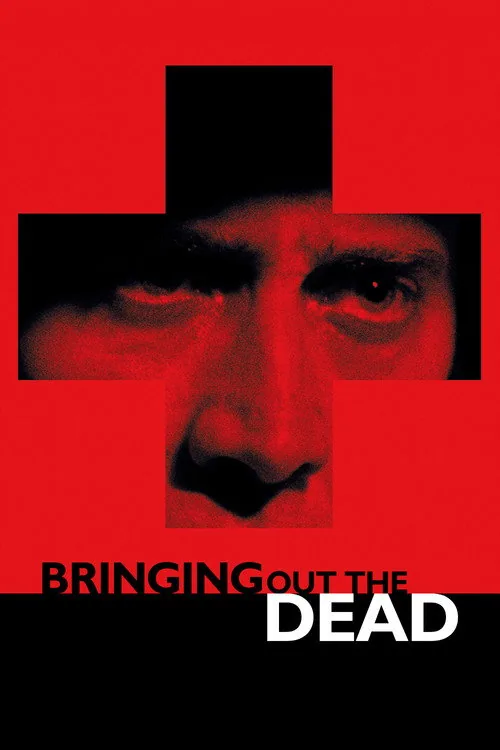
New York paramedic Frank Pierce works through exhausting night shifts while struggling with insomnia, depression, and the memory of a young patient he could not save. The people he encounters on the streets and in ambulances keep blurring into his own unresolved guilt, and his rotating partners each approach the job differently. Over roughly two days, Frank attempts to keep functioning while wondering whether he can continue in emergency medicine. Martin Scorsese’s adaptation of Joe Connelly’s novel is an intense psychological drama about care, burnout, and the limits of rescue.
What drives the story
Frank’s repeated emergency calls and encounters with patients build toward a confrontation with the loss he has been unable to process.
The people at its centre
His rotating partners embody different ways of coping with the work, while Mary’s family grief creates a personal bond beyond the ambulance.
What it feels like
The film combines urban sensory overload, hallucinations, substance use, and mental distress with moments of genuine tenderness.
Worth knowing
It is a subjective portrait of paramedic burnout rather than a procedural that celebrates emergency work as a sequence of solvable cases.
Compassion and burnoutGuilt and forgivenessCare amid urban crisis