Linked encounters and delayed revelations force characters to confront racial assumptions, while coincidence makes a city feel unusually compressed and morally interconnected.
Why this matches +
Selected for the central appeal: Interwoven ensemble dramas about family wounds, regret and the need for connection.
Genres: Drama
Shared film traits
Based on recorded story, mood and style. Your preferences can change the order.
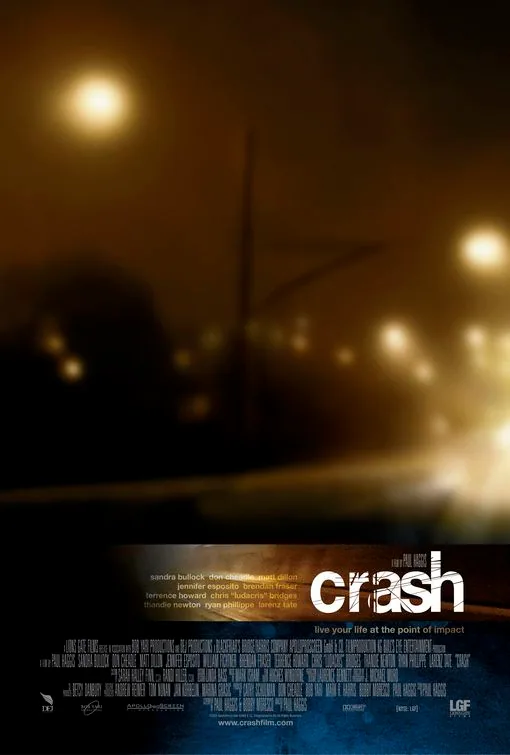
What changes Crash follows intersecting Los Angeles lives through emotional crises and consequential coincidences.
A series of interwoven encounters in Los Angeles brings police, carjackers, a district attorney's household, a Persian shop owner and other residents into contact across one volatile period. Characters move between vulnerability and the exercise of power, but those positions are not interchangeable: a moment of kindness cannot cancel sexual abuse, racial harassment or the authority behind it. The film's coincidences and abrupt moral reversals organize a deliberately emphatic melodrama, not a sociological survey or a reliable account of how racism resolves itself. A snowfall and a car accident provide the film's first links among otherwise separate lives.
A collision and its aftermath connect three lives through a fragmented chronology that withholds causes and consequences.
Why this matches +
Selected for the central appeal: Interwoven ensemble dramas about family wounds, regret and the need for connection.
Genres: Drama / Thriller
Shared film traits
Based on recorded story, mood and style. Your preferences can change the order.
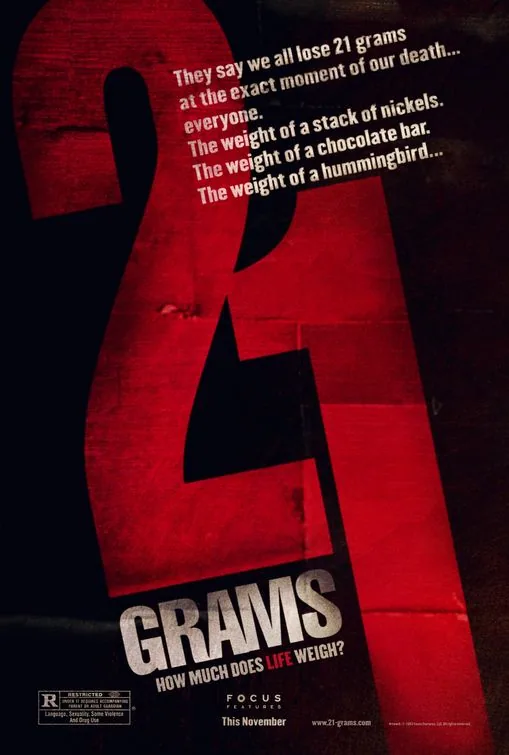
What changes 21 Grams uses fragmented storytelling to connect several people through grief, guilt and attempts at reconciliation.
A fatal traffic collision binds a grieving mother, a terminally ill mathematician, and a former convict trying to live through religious faith. As transplantation, desire, guilt, and revenge connect them, the film moves across different moments rather than presenting events in order. Each new fragment revises the meaning of an earlier encounter, making private suffering inseparable from another person's damaged life.
Caden’s effort to make his play truthful blurs the difference between directing life and living it.
Why this matches +
These offer a related experience with a meaningful difference in story, tone, or presentation.
An adjacent discovery: a related idea with a different viewing experience.
Genres: Drama
Shared film traits
Based on recorded story, mood and style. Your preferences can change the order.
Memory and identity
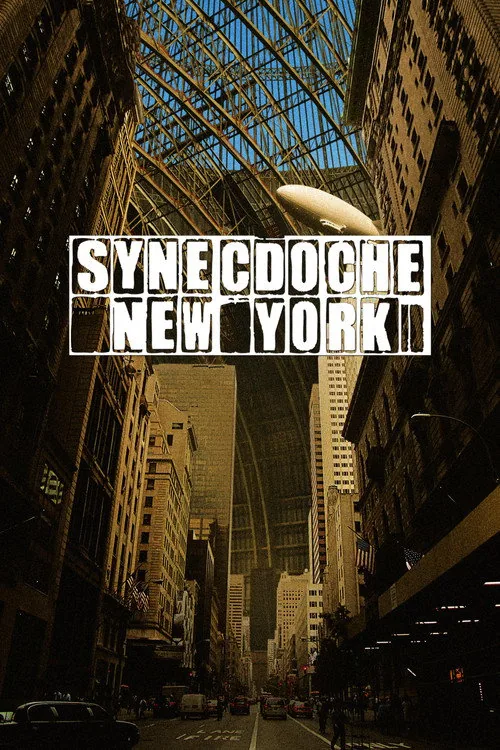
What changes Synecdoche, New York uses ambitious, surreal storytelling to examine regret, performance and family relationships.
Theater director Caden Cotard receives a large arts grant and decides to create a radically realistic play based on his life. He builds a full-scale replica of New York inside a warehouse, hires actors to play people he knows, and eventually casts doubles who reenact the actors themselves. As Caden’s relationships falter and decades pass, the boundaries between his life and the production become increasingly difficult to locate. Charlie Kaufman’s drama uses an expanding theatrical project to explore mortality, artistic ambition, memory, and the impossibility of representing a whole life.
A day in each woman’s life forms a braided structure; their choices echo one another while belonging to different relationships and historical moments.
Why this matches +
These offer a related experience with a meaningful difference in story, tone, or presentation.
An adjacent discovery: a related idea with a different viewing experience.
Genres: Drama / LGBTQ-related
Shared film traits
Based on recorded story, mood and style. Your preferences can change the order.
Memory and identity
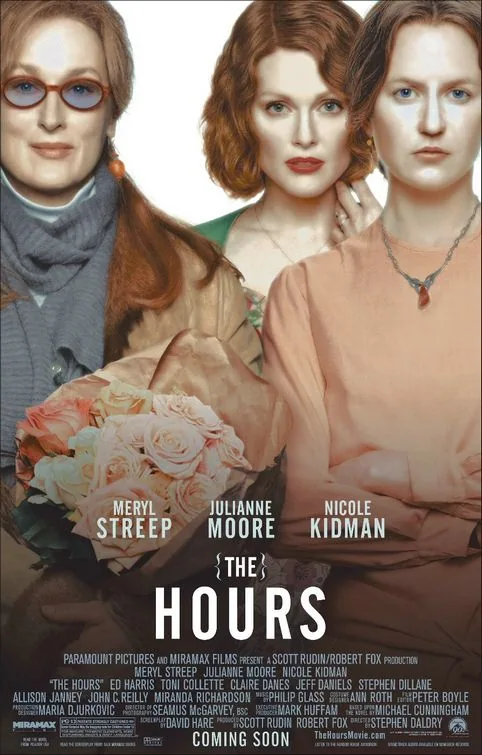
What changes The Hours connects multiple lives through family pain, private despair and moments of recognition.
The film follows three women on separate days in different decades: Virginia Woolf in 1920s England, Laura Brown in 1950s Los Angeles and Clarissa Vaughan in contemporary New York. Virginia writes Mrs. Dalloway while struggling with illness and the restrictions of her life; Laura reads the novel as domestic dissatisfaction closes around her; Clarissa cares for Richard, a poet and former lover dying of AIDS. Editing and recurring gestures connect the women without making their experiences identical. The result is a literary drama about care, escape and the futures people imagine for themselves.
Therapy brings adult Otis back to memories of working as a child actor alongside his difficult father.
Why this matches +
These offer a related experience with a meaningful difference in story, tone, or presentation.
An adjacent discovery: a related idea with a different viewing experience.
Genres: Biography / Drama
Shared film traits
Based on recorded story, mood and style. Your preferences can change the order.
Memory and identity
What changes Honey Boy explores the lasting effects of a parent's harm and the difficult possibility of reconciliation.
Actor Otis Lort enters rehabilitation after a destructive incident, where therapy encourages him to revisit his childhood. In flashbacks, young Otis works on film sets while living with his father James, a former rodeo clown whose support and volatility are difficult to separate. The story moves between adult treatment and the boy’s memories, exploring how performance, work, and a complicated parent-child bond shape Otis’s understanding of himself.
Across one day in Los Angeles, quiz-show families, a dying television producer, an estranged son, a nurse, a police officer and a former child contestant move through intersecting crises. The connections are not a tidy conspiracy: they gather around parental harm, public performance, confession and the need to be recognized by someone who may not forgive. Frank Mackey’s brash persona conceals the childhood he refuses to discuss, while his father’s illness creates a belated opening for contact. An extraordinary event interrupts the ensemble’s emotional convergence without delivering equal repair to everyone. Paul Thomas Anderson’s long, music-driven drama balances coincidence with deliberate formal links; its moments of grace allow hope, not a guarantee that regret earns absolution.
What drives the story
The quiz show supplies a shared past, while separate stories of sickness, estrangement and public failure move toward moments of confession. The ensemble converges emotionally rather than through one solved external mystery.
The people at its centre
Children injured by adults become adults still organized around those injuries. Frank’s performance, his father’s request and the nurse’s advocacy show different forms of disclosure, care and responsibility that do not automatically restore trust.
What it feels like
Rapid tracking shots, interwoven editing and Aimee Mann’s songs make connections feel both orchestrated and contingent. A coordinated musical sequence provides an unusual pause before the film’s sudden breach of realism.
Worth knowing
The extraordinary interruption is not a moral reward system or a single explanation for suffering. Reconciliation remains uneven; a sincere confession can open a door without undoing the harm or obligating forgiveness.
Family harmForgivenessRecognition
Mood
Intense · Compassionate · Disturbing
Pacing
Parallel · Escalating
Visual style
Rapid ensemble movement · Shared music · Rupture of realism