Both share themes of memory, plus an intimate and reflective atmosphere.
Why this matches +
Genres: Drama / Biography
Shared film traits
Based on recorded story, mood and style. Your preferences can change the order.
Mental health · Memory and identity
What changes Honey Boy: memory-driven, alternating timelines and character-centered. Gods and Monsters: sittings and conversations deepen the connection and while whale’s memories and worsening health place new strain on it.
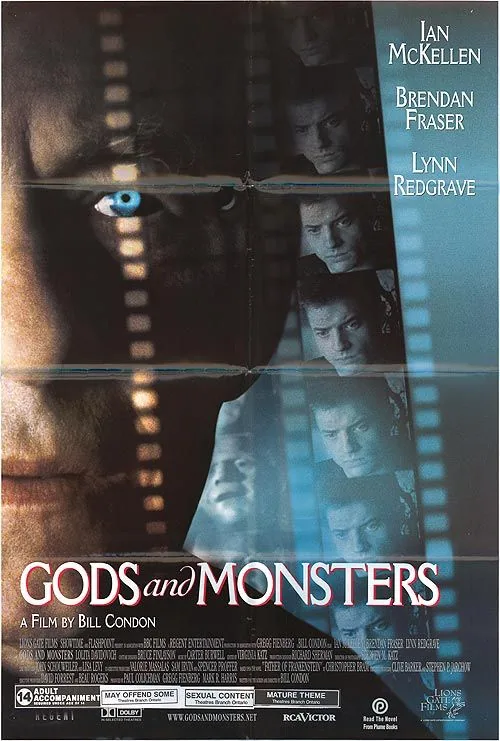
Retired filmmaker James Whale lives with his devoted housekeeper, Hanna, while coping with the effects of several strokes and memories of earlier losses. He befriends Clayton Boone, a young gardener who agrees to pose for his drawings, and the two build a wary connection across differences in age, class and experience. Whale’s stories about his past and his frankness about desire unsettle Boone, while declining health and depression make the friendship harder to navigate. Their conversations bring together Hollywood memory, loneliness and the need to be seen by another person.
Based on recorded story, mood and style. Your preferences can change the order.
Family and care · Work and ambition
What changes Honey Boy: memory-driven, alternating timelines and character-centered. Wildlife: measured, observational and character-led.
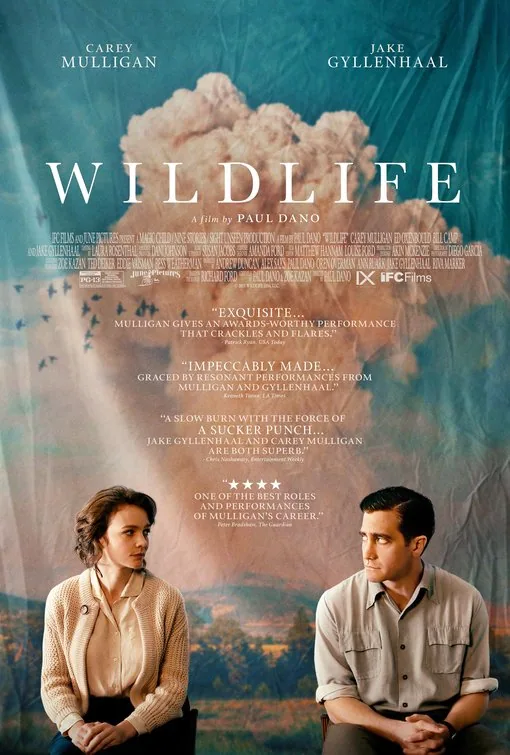
Set in 1960 Montana, Wildlife follows teenage Joe Brinson after his father Jerry loses his job and leaves home to join crews fighting a distant forest fire. Joe remains with his mother Jean in Great Falls, where financial strain and her new connection with a local businessman alter the family’s balance. Observing adults conceal and expose their needs, Joe tries to understand the marriage he grew up with and find his place as the household changes.
Based on recorded story, mood and style. Your preferences can change the order.
Memory and identity
What changes Honey Boy: memory-driven, alternating timelines and character-centered. The Tree of Life: fragmented and contemplative.
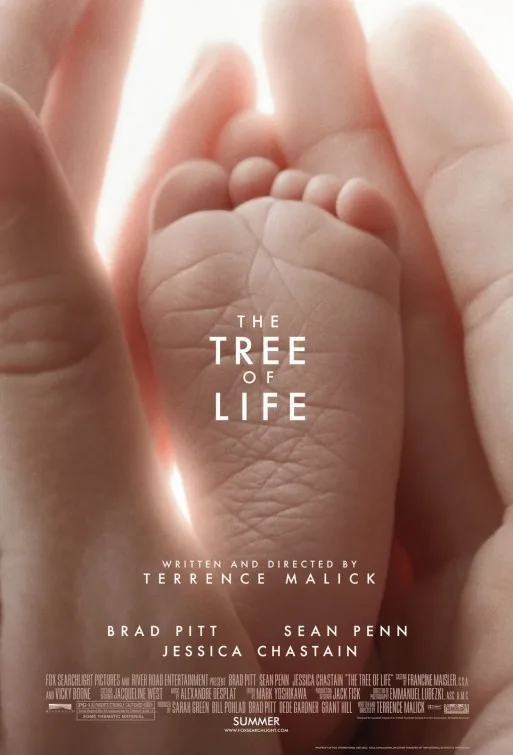
Adult Jack reflects on his childhood in 1950s Texas, where his mother's warmth and his father's strict, ambitious parenting shaped his ideas about love and power. The memory of a family loss runs through his recollections, making ordinary moments of play, discipline and sibling rivalry feel charged with questions he could not answer as a child. The film moves between Jack's present, fragmented family memories and vast images of the universe's origins, placing private grief beside the scale of creation. Rather than offer a single explanatory account of the past, it lets images, music and recurrence carry much of the emotional argument. Jack's adult search is for a way to hold anger, love and absence together.
Both share themes of memory and trauma, plus an intimate and raw atmosphere.
Why this matches +
Genres: Drama / Biography
Shared film traits
Based on recorded story, mood and style. Your preferences can change the order.
Mental health · Memory and identity
What changes Honey Boy: memory-driven, alternating timelines and character-centered. The Chronology of Water: episodic, associative and emotionally cumulative.
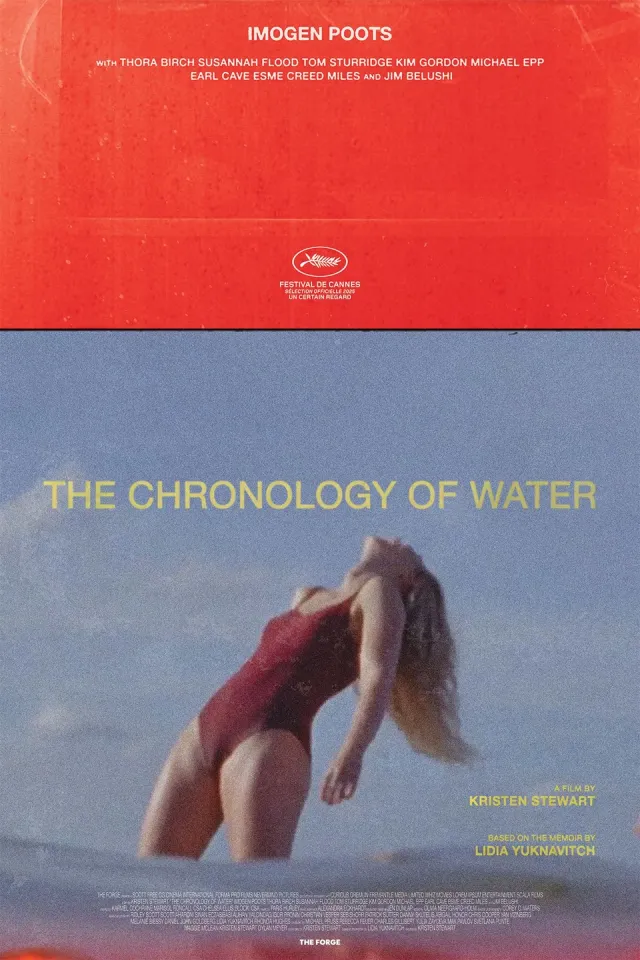
Adapted from Lidia Yuknavitch’s memoir, the film follows Lidia from a difficult childhood into adulthood, where competitive swimming, intimate relationships, addiction, and writing become entwined with her effort to understand her past. Kristen Stewart shapes the story through a nonlinear, sensory approach that treats memory as something revisited and rewritten. Water becomes both a physical discipline and a recurring image for survival and self-expression.
Both share themes of memory, plus a reflective atmosphere.
Why this matches +
Genres: Documentary / Biography
Shared film traits
Based on recorded story, mood and style. Your preferences can change the order.
Family and care · Mental health
What changes Honey Boy: memory-driven, alternating timelines and character-centered. Still: A Michael J. Fox Movie: interwoven, brisk and reflective.
Michael J. Fox looks back on his childhood, acting career, family life and public advocacy while speaking candidly about living with Parkinson's disease. Davis Guggenheim combines a present-day interview with archival footage and dramatized images evoking Fox's memories and physical experience. The documentary moves between fame, illness, resilience and private relationships, showing how a familiar screen persona and a changing body coexist in one life.
Based on recorded story, mood and style. Your preferences can change the order.
Family and care · Memory and identity
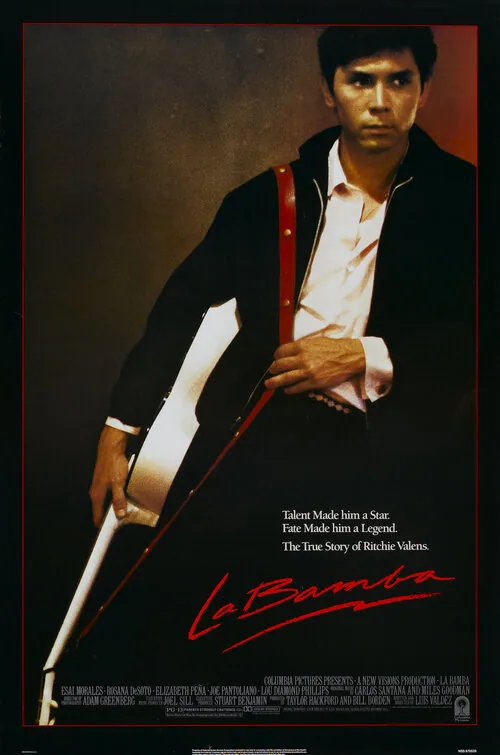
What changes Honey Boy: memory-driven, alternating timelines and character-centered. La Bamba: coming-of-age progression, performance set pieces, parallel family drama and biographical tragedy.
Growing up in a poor Mexican-American family in California, teenager Ritchie Valens dreams of making rock-and-roll music. His half-brother Bob returns from jail and brings instability into their household, but the family moves south and Ritchie begins performing with local musicians. He catches the attention of a manager, signs a recording deal and develops a relationship with Donna Ludwig as his songs reach a national audience. Success changes the family’s finances and intensifies Bob’s jealousy and personal struggles. The film follows Ritchie’s rapid rise from school performances to touring, placing the promise of his career beside the family tensions and the fatal 1959 plane crash that ended his life.
Based on recorded story, mood and style. Your preferences can change the order.
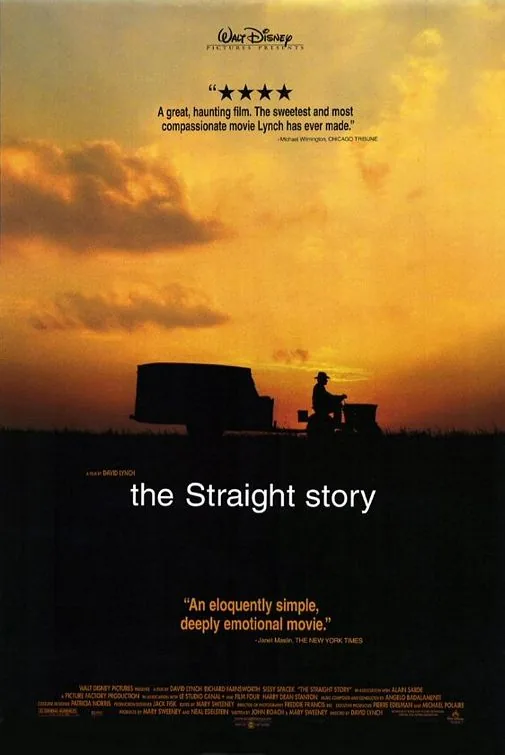
What changes Honey Boy: memory-driven, alternating timelines and character-centered. The Straight Story: unhurried and road-shaped.
When 73-year-old Alvin Straight hears that his estranged brother Lyle has suffered a stroke, he decides to travel from Iowa to Wisconsin to see him. Alvin cannot drive because of his eyesight and refuses to depend on the family car, so he sets out on a small John Deere riding mower with a trailer. Mechanical problems slow the trip, and conversations with people he meets reveal pieces of his marriage, his wartime past and the long silence between the brothers. His daughter Rose worries about his health and the journey's practical risks, but Alvin persists. The distance is modest by road-movie standards and immense for the vehicle, turning each stop into an opportunity to decide what reconciliation can still mean.
Both share themes of recovery, plus a raw and reflective atmosphere.
Why this matches +
Genres: Drama / Adventure
Shared film traits
Based on recorded story, mood and style. Your preferences can change the order.
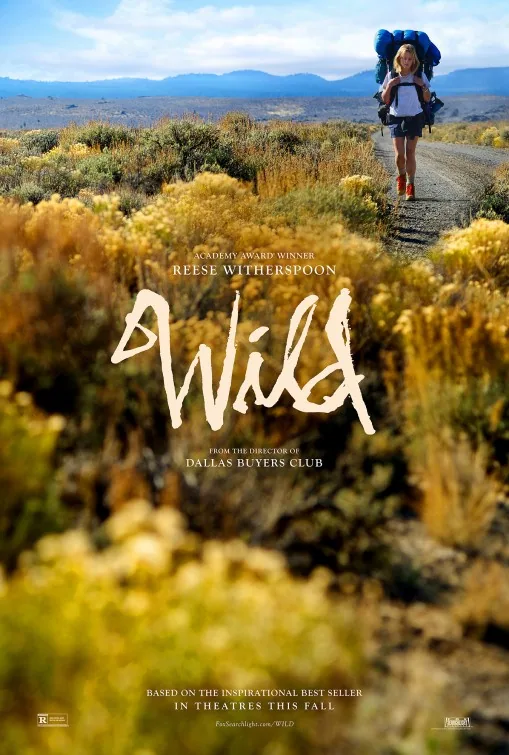
What changes Honey Boy: memory-driven, alternating timelines and character-centered. Wild: episodic hike and flashback structure.
After the death of her mother and the unraveling of her marriage, Cheryl Strayed sets out alone on a long hike along the Pacific Crest Trail. She is inexperienced with the route and the weight of her pack, and each practical hardship brings memories of choices and losses she has tried to leave behind. Encounters with fellow hikers punctuate the solitude without turning the trail into a simple cure. Adapted from Strayed’s memoir, the film follows an interior recovery through physical distance and repeated effort. The film alternates trail hardships with remembered events, so resilience arrives through accumulation rather than one insight. Small errors with gear make each day's progress uncertain.
Based on recorded story, mood and style. Your preferences can change the order.
Memory and identity
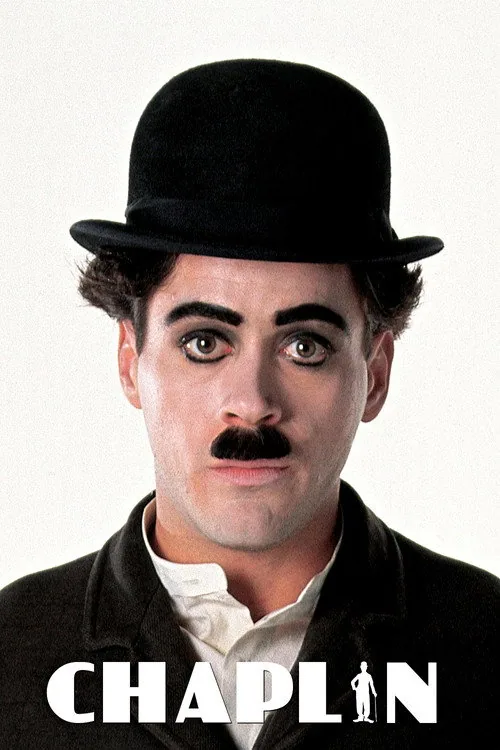
What changes Honey Boy: memory-driven, alternating timelines and character-centered. Chaplin: decades-spanning biography, framed recollection and episodic career milestones.
An elderly Charlie Chaplin looks back on his life during a conversation in Switzerland, recalling a poor childhood in South London and his rise through the music halls to international fame. The film follows the creation of his silent-screen persona, his creative control, personal relationships, political scrutiny, and eventual exile from the United States. Richard Attenborough frames a broad biographical sweep around the tension between the vulnerable man and the comic figure audiences adored. Robert Downey Jr.'s performance anchors a story about art, fame, and the cost of being watched.
Actor Otis Lort enters rehabilitation after a destructive incident, where therapy encourages him to revisit his childhood. In flashbacks, young Otis works on film sets while living with his father James, a former rodeo clown whose support and volatility are difficult to separate. The story moves between adult treatment and the boy’s memories, exploring how performance, work, and a complicated parent-child bond shape Otis’s understanding of himself.
What drives the story
Therapy brings adult Otis back to memories of working as a child actor alongside his difficult father.
The people at its centre
Otis’s need for care and James’s need for connection are complicated by anger, dependence, and blurred family roles.
What it feels like
A compact autobiographical drama uses therapy and memory to examine an intimate relationship without simplifying its hurt or affection.
Worth knowing
It centers on a son revisiting his childhood relationship with his father, rather than the public career of an adult film star.