Both share themes of recovery, plus a reflective and raw atmosphere.
Why this matches +
Genres: Drama
Shared film traits
Based on recorded story, mood and style. Your preferences can change the order.
Survival
What changes Wild: episodic hike and flashback structure. The Outrun: nonlinear, reflective and gradually grounding.
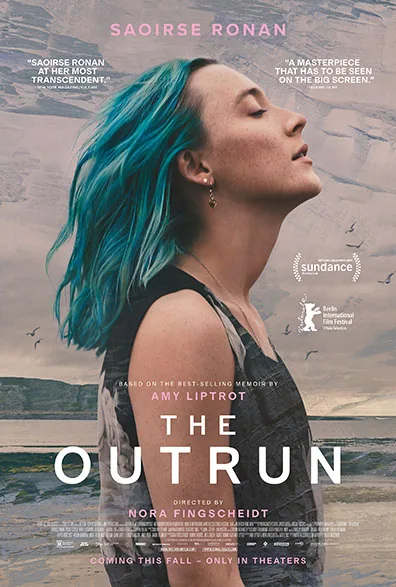
After years of drinking in London, Rona returns to the remote Orkney islands where she grew up and begins rebuilding her life. The film moves between her present attempt at sobriety, memories of a difficult childhood and the relationships that led her to leave. Working among wind, sea and wildlife gives Rona a practical daily rhythm, but recovery remains uneven, shaped by family care, shame and her search for a way to inhabit the place again.
Based on recorded story, mood and style. Your preferences can change the order.
Survival
What changes Wild: episodic hike and flashback structure. Tomb Raider: mission-driven and escalating.
Lara Croft has avoided taking control of her father’s business since he vanished years earlier. When she discovers clues left by him, she follows the trail to a remote island where an ancient tomb is being exploited by the Trinity organization. The expedition becomes a fight to survive the island’s traps and to prevent a sealed danger from being released. Lara’s relationship with her father’s legacy shifts from refusal to a need to decide what kind of successor she wants to be, while the practical demands of the journey force her to rely on skill rather than wealth. The island trek exposes Lara to severe weather and physical setbacks before the archaeological mystery can be resolved.
Based on recorded story, mood and style. Your preferences can change the order.
Survival
What changes Wild: episodic hike and flashback structure. Alive: long ordeal and recovery and builds toward a rescue journey.
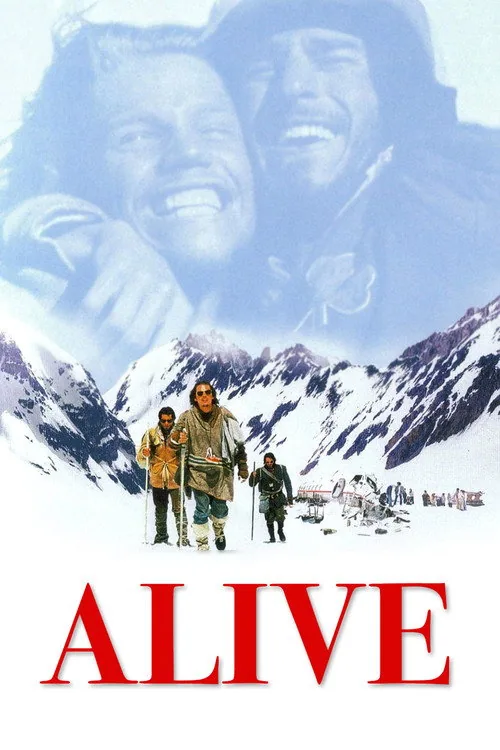
After a plane carrying a Uruguayan rugby team crashes high in the Andes, the survivors face freezing conditions, injuries, and little food while rescuers search in vain. When they learn that the search has ended, a small group attempts a dangerous journey through the mountains to find help. Frank Marshall’s survival drama is based on the 1972 crash and the survivors’ account, focusing on endurance, collective decision-making, and the emotional and ethical strain of living through an ordeal with almost no resources.
Based on recorded story, mood and style. Your preferences can change the order.
Survival
What changes Wild: episodic hike and flashback structure. 127 Hours: intense.
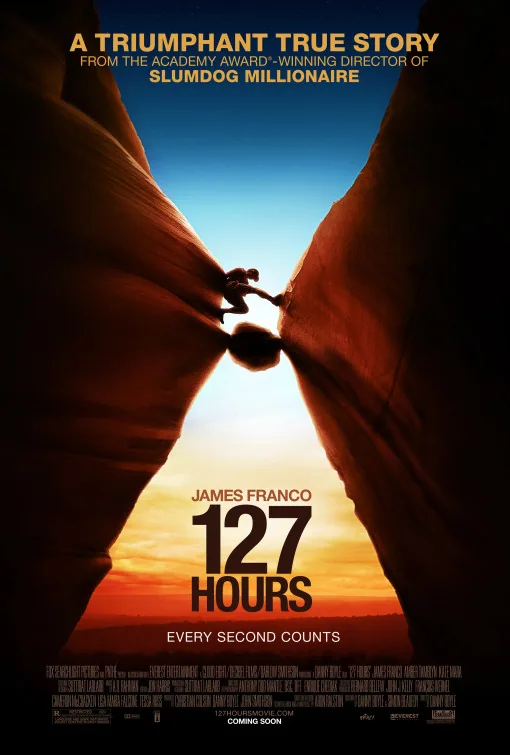
An experienced outdoorsman exploring a remote canyon alone becomes trapped when a falling boulder pins his arm. Without a companion who knows his route, he must ration limited supplies and test improvised solutions as time changes the physical problem. Recorded messages, remembered relationships and visions of possible futures expose the gap between an identity built around self-sufficiency and the connections he has treated as optional.
Based on recorded story, mood and style. Your preferences can change the order.
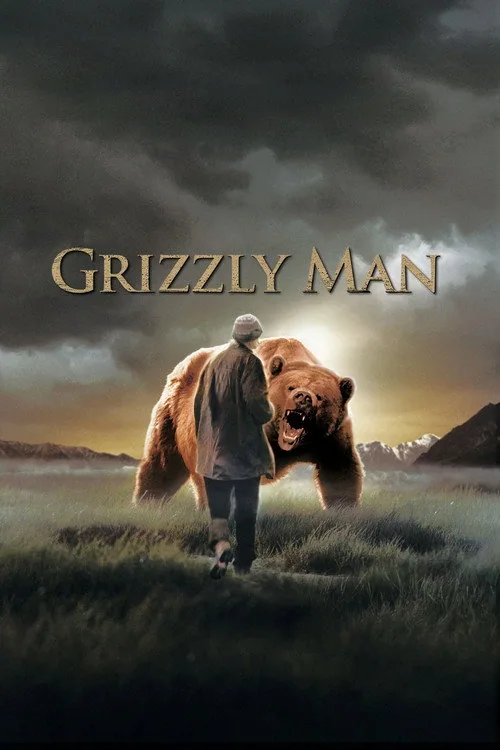
What changes Wild: episodic hike and flashback structure. Grizzly Man: essay-like documentary flow and alternates field footage and reflection.
Werner Herzog assembles footage shot by Timothy Treadwell during summers spent living near grizzly bears in Alaska, along with interviews with people who knew him and experts familiar with the animals. The documentary considers Treadwell’s devotion to bear conservation, his charismatic public persona, and the risks of his chosen way of life, while Herzog’s narration brings a contrasting perspective on wilderness and human desire. Rather than offering a simple verdict, the film explores the tension between Treadwell’s intimate images and the dangers they cannot fully control.
Based on recorded story, mood and style. Your preferences can change the order.
Survival
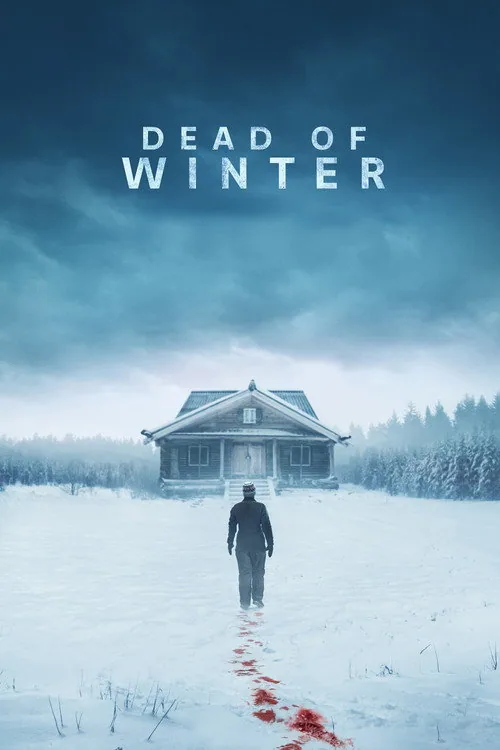
What changes Wild: episodic hike and flashback structure. Dead of Winter: grief motivates the winter journey, cabin discovery creates immediate danger and rescue effort becomes a survival contest.
Recently widowed fisherwoman Barb drives through snowbound northern Minnesota to scatter her husband's ashes at the remote lake where they first met. A storm and a stop at an isolated cabin reveal that a teenage girl is being held captive there. With no phone service and the nearest town hours away, Barb becomes the girl's only immediate hope. She must use her resourcefulness and resolve against the kidnappers while navigating the frozen landscape. The survival thriller pairs grief with a tense rescue story led by an ordinary older woman pushed into extraordinary action.
Both share themes of recovery, plus a reflective and raw atmosphere.
Why this matches +
Genres: Biography / Drama
Shared film traits
Based on recorded story, mood and style. Your preferences can change the order.
What changes Wild: episodic hike and flashback structure. Honey Boy: memory-driven, alternating timelines and character-centered.
Actor Otis Lort enters rehabilitation after a destructive incident, where therapy encourages him to revisit his childhood. In flashbacks, young Otis works on film sets while living with his father James, a former rodeo clown whose support and volatility are difficult to separate. The story moves between adult treatment and the boy’s memories, exploring how performance, work, and a complicated parent-child bond shape Otis’s understanding of himself.
Based on recorded story, mood and style. Your preferences can change the order.
Survival
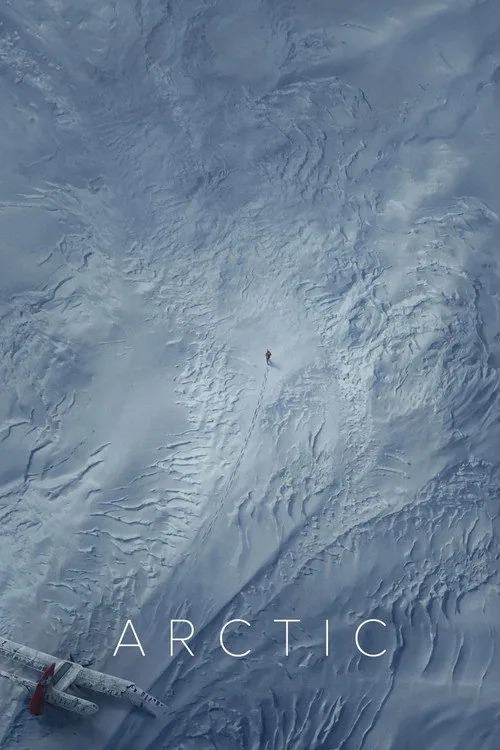
What changes Wild: episodic hike and flashback structure. Arctic: deliberate survival process, episodic setbacks and steady physical escalation.
Overgård has survived a plane crash in the Arctic by turning its wreckage into shelter and following a strict routine for food and signaling. When a rescue helicopter crashes nearby, its injured passenger needs help, and Overgård must choose between staying with the supplies he knows and taking a dangerous journey toward a possible refuge. The film follows the physical details of movement, cold, and dwindling strength rather than explaining how he became stranded. Joe Penna's survival drama centers persistence and caretaking in an unforgiving landscape.
Based on recorded story, mood and style. Your preferences can change the order.
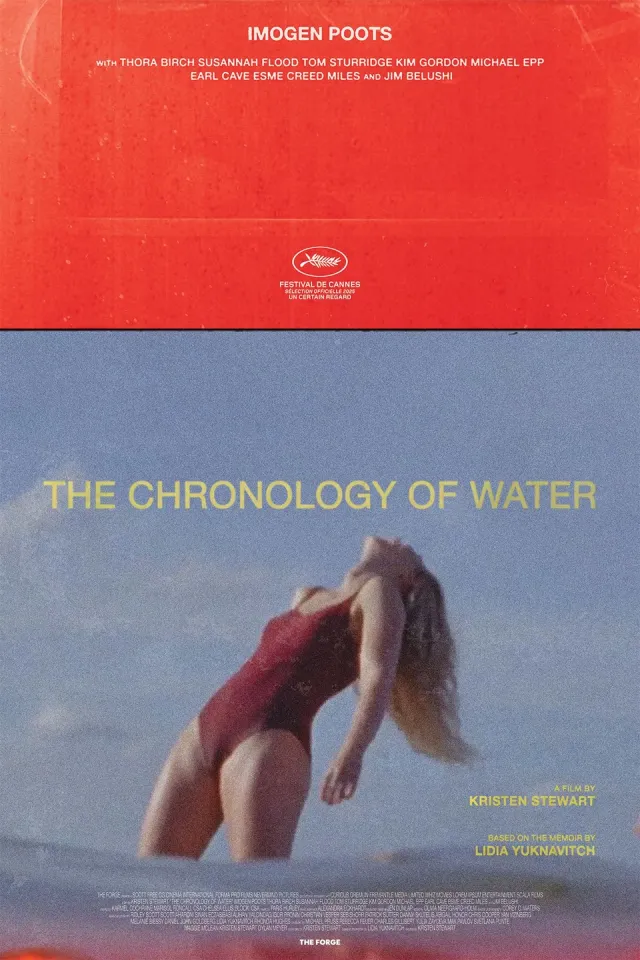
What changes Wild: episodic hike and flashback structure. The Chronology of Water: episodic, associative and emotionally cumulative.
Adapted from Lidia Yuknavitch’s memoir, the film follows Lidia from a difficult childhood into adulthood, where competitive swimming, intimate relationships, addiction, and writing become entwined with her effort to understand her past. Kristen Stewart shapes the story through a nonlinear, sensory approach that treats memory as something revisited and rewritten. Water becomes both a physical discipline and a recurring image for survival and self-expression.
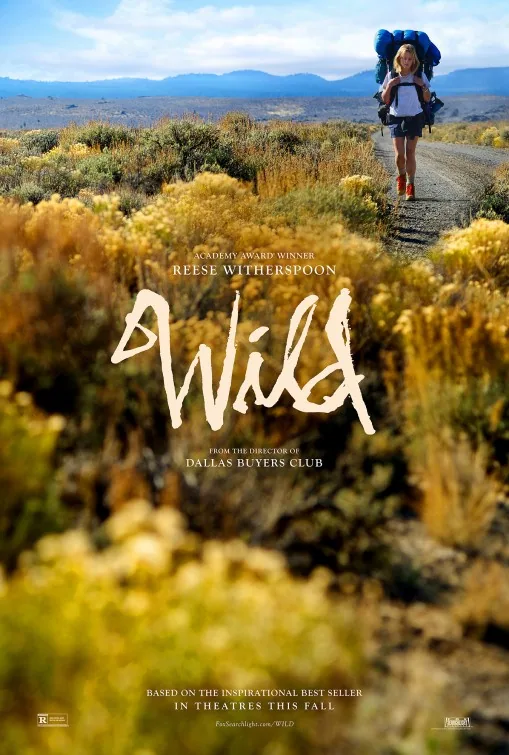
After the death of her mother and the unraveling of her marriage, Cheryl Strayed sets out alone on a long hike along the Pacific Crest Trail. She is inexperienced with the route and the weight of her pack, and each practical hardship brings memories of choices and losses she has tried to leave behind. Encounters with fellow hikers punctuate the solitude without turning the trail into a simple cure. Adapted from Strayed’s memoir, the film follows an interior recovery through physical distance and repeated effort. The film alternates trail hardships with remembered events, so resilience arrives through accumulation rather than one insight. Small errors with gear make each day's progress uncertain.
What drives the story
The trail gives Cheryl a demanding present tense in which past grief can return without stopping the next day’s walk.
The people at its centre
Cheryl’s toughness is mixed with self-destructive history and vulnerability; brief encounters offer connection without making other people responsible for her recovery.
What it feels like
The film alternates rugged landscape and close subjective flashbacks, with the hike’s repetition shaping its reflective pace.
Worth knowing
A fit for intimate survival and recovery stories where landscape meets personal reckoning. Its solitary, memoir-based structure differs from a wilderness adventure focused on external threats.