Explore films connected to Chaplin through public persona and private self, art and authorship, fame and political scrutiny. Choose the qualities you want to carry into your next watch.
What should feel similar?
Find your next favourite
9 films · Closest overall matches
Hide films you’ve seen or don’t want. Saved on this device.
No matches for this combination yet.
Try another option or reset your choices to see more films.
Based on recorded story, mood and style. Your preferences can change the order.
Music and performance
What changes Chaplin: decades-spanning biography, framed recollection and episodic career milestones. Yankee Doodle Dandy: retrospective and musical numbers.
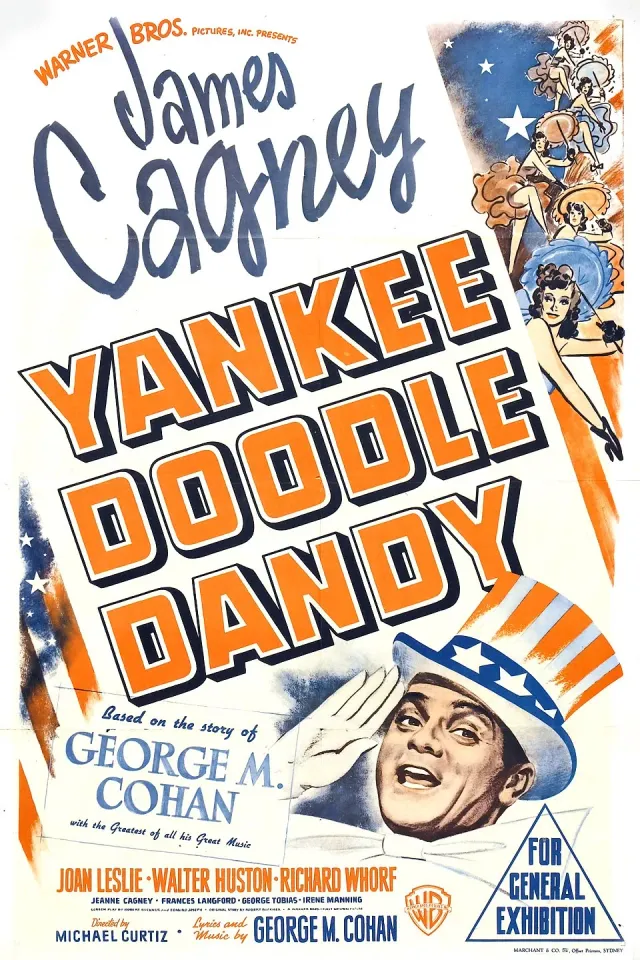
The film frames George M. Cohan’s career through a visit to the White House, where he recounts his life to President Franklin Roosevelt. In flashbacks, Cohan grows up in a vaudeville family, finds success as a performer and songwriter, builds a partnership with Sam Harris, and becomes associated with patriotic stage songs such as “Over There.” James Cagney’s musical performance carries the story from family acts to Broadway spectacle. The film is an openly celebratory portrait made during wartime, and its polished biography compresses or reshapes the historical record for a show-business legend. Its finale transforms Cohan’s songs into a national memory performance.
Based on recorded story, mood and style. Your preferences can change the order.
Music and performance
What changes Chaplin: decades-spanning biography, framed recollection and episodic career milestones. Babylon: frenetic and measured.
In late-1920s Hollywood, ambitious newcomers and established performers chase work inside an industry changing from silent pictures to sound. Manny's rise, Nellie's volatile stardom and Jack Conrad's established career each meet a different form of obsolescence; sound reorganizes not only technique but which voices and bodies studios will tolerate. Parties and huge productions display the industry's appetite for spectacle while the people who make it absorb humiliation and risk. Damien Chazelle's fictional ensemble is a feverish, often abrasive meditation on cinema's capacity to preserve images while discarding workers.
Based on recorded story, mood and style. Your preferences can change the order.
Memory and identity
What changes Chaplin: decades-spanning biography, framed recollection and episodic career milestones. The Wonderful Story of Henry Sugar: compressed, chaptered, narration-led and fable-like.
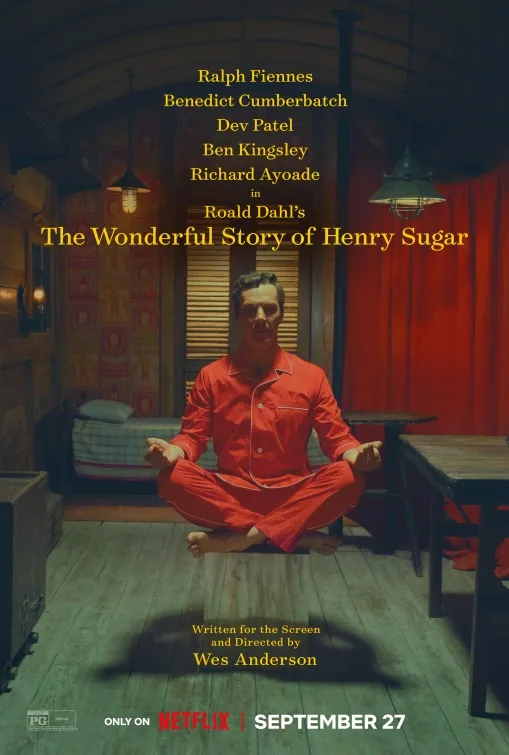
Wes Anderson adapts Roald Dahl’s short story as a compact, theatrical tale about Henry Sugar, a wealthy man who learns of a performer able to see without using his eyes. A doctor’s account leads into the history of Imdad Khan and the yogi who taught him an extraordinary discipline. Henry studies the technique for gambling, but his new ability eventually changes what he wants to do with his fortune. The short film makes narration and stagecraft visible parts of the story.
Based on recorded story, mood and style. Your preferences can change the order.
Music and performance · Memory and identity
What changes Chaplin: decades-spanning biography, framed recollection and episodic career milestones. Shine: life-stage progression, concert performance peaks and gentle recovery arc.
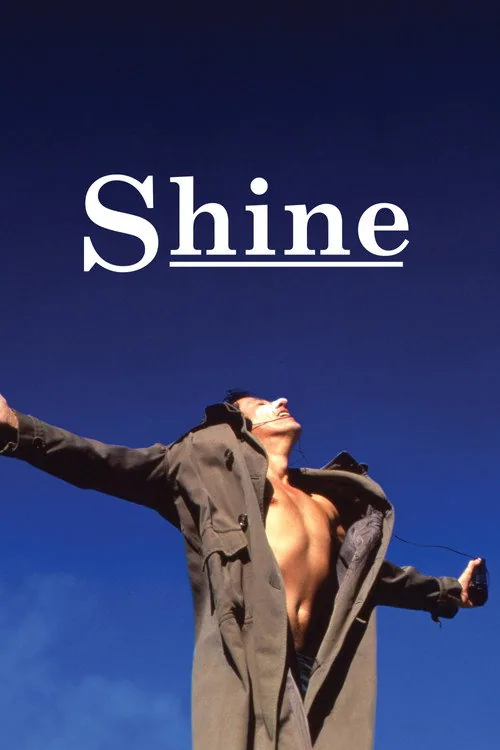
Pianist David Helfgott grows up in Adelaide under a father whose demanding approach to music is bound up with pride, control, and family history. David's talent takes him from local performances to advanced study abroad, but the pressure and his father's refusal to let him go contribute to a psychological breakdown. Years later, David returns to public life and begins playing again with help from people he meets. The biographical drama contrasts a gifted childhood with an adult search for music and connection.
Based on recorded story, mood and style. Your preferences can change the order.
Memory and identity
What changes Chaplin: decades-spanning biography, framed recollection and episodic career milestones. Honey Boy: memory-driven, alternating timelines and character-centered.
Actor Otis Lort enters rehabilitation after a destructive incident, where therapy encourages him to revisit his childhood. In flashbacks, young Otis works on film sets while living with his father James, a former rodeo clown whose support and volatility are difficult to separate. The story moves between adult treatment and the boy’s memories, exploring how performance, work, and a complicated parent-child bond shape Otis’s understanding of himself.
Based on recorded story, mood and style. Your preferences can change the order.
Memory and identity
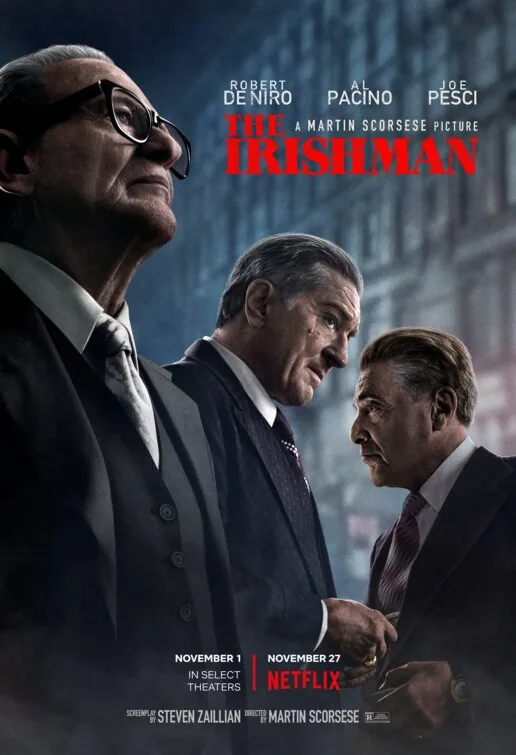
What changes Chaplin: decades-spanning biography, framed recollection and episodic career milestones. The Irishman: decades-long accumulation and late-life reckoning.
In old age, Frank Sheeran recounts his claimed life as a union driver who became a hitman connected to Russell Bufalino’s crime family and Teamsters leader Jimmy Hoffa. The film follows Frank’s loyalty to Russell and Hoffa across decades of labour politics, family strain and organized crime, before Hoffa’s disappearance forces him to choose between competing obligations. Martin Scorsese uses recollection and long stretches of routine to make violence feel embedded in ordinary life. The story draws on Sheeran’s disputed memoir claims, so its central historical assertions should not be treated as independently established fact.
Based on recorded story, mood and style. Your preferences can change the order.
Music and performance · Memory and identity
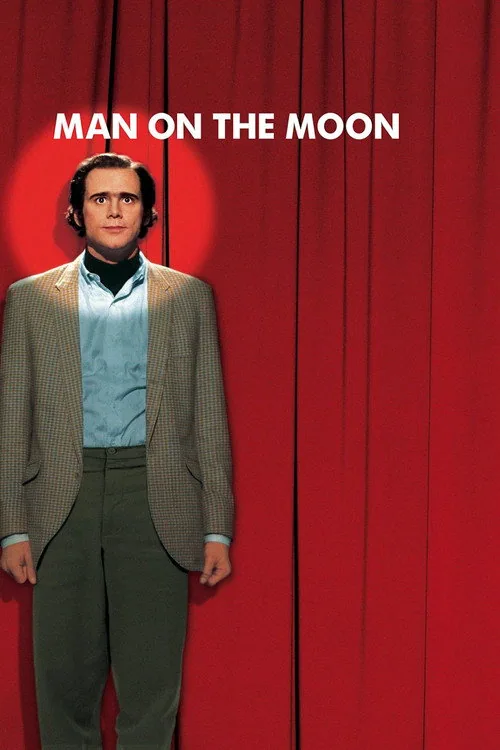
What changes Chaplin: decades-spanning biography, framed recollection and episodic career milestones. Man on the Moon: a career-spanning sequence of performances and public confrontations.
Andy Kaufman moves from childhood ambitions to comedy-club performances, television fame, wrestling stunts, and his elaborate alter ego Tony Clifton. Manager George Shapiro and friend Bob Zmuda try to support a performer who blurs jokes, antagonism, and private life so thoroughly that audiences and colleagues cannot always tell when a bit has ended. This biographical tragicomedy follows Kaufman’s singular performance style as both artistic method and source of personal distance.
Based on recorded story, mood and style. Your preferences can change the order.
Music and performance · Memory and identity
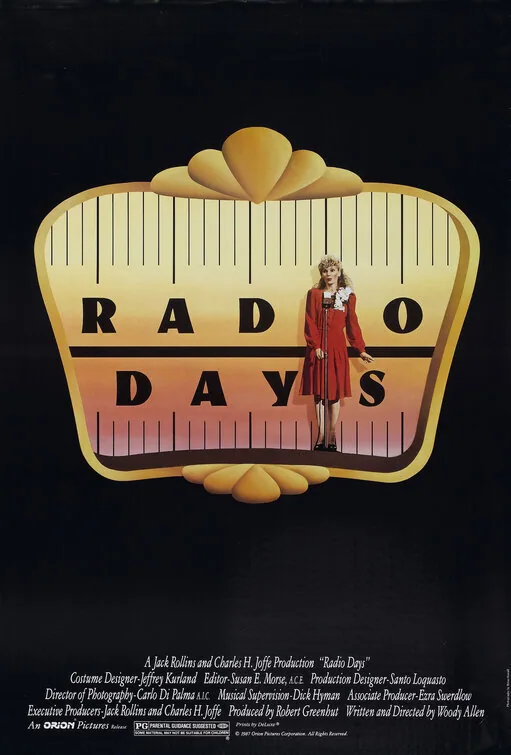
What changes Chaplin: decades-spanning biography, framed recollection and episodic career milestones. Radio Days: a chain of recollected episodes.
A boy growing up in a working-class New York family remembers the people, songs and programs that shaped daily life when radio was the dominant entertainment. The film strings together comic and affectionate episodes around family members and radio personalities, moving between neighborhood routines and the imagined glamour of broadcast fame. Woody Allen treats memory as an ensemble of small scenes rather than a single plot.
Based on recorded story, mood and style. Your preferences can change the order.
Memory and identity
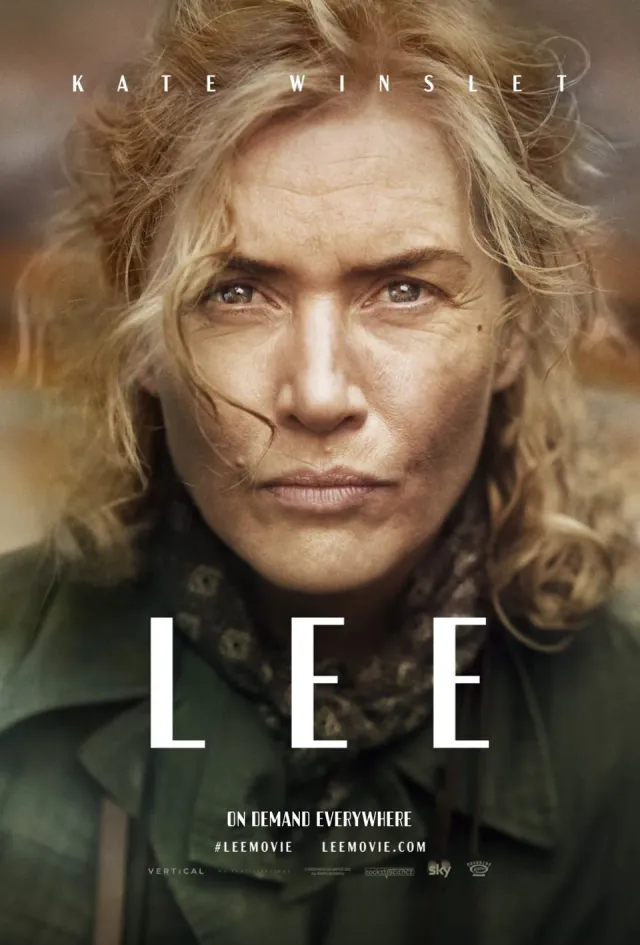
What changes Chaplin: decades-spanning biography, framed recollection and episodic career milestones. Lee: episodic, flashback-framed and intensifying.
After finding a new purpose in photography, Lee Miller moves from modeling and artistic circles into the work of documenting the Second World War. As a correspondent, she travels with the Allied forces and records the human consequences of combat and liberation, including images that challenge the distance between observer and subject. The film frames this public work through an older Miller recalling her life, giving attention to the choices, relationships and personal cost behind a body of war photography.
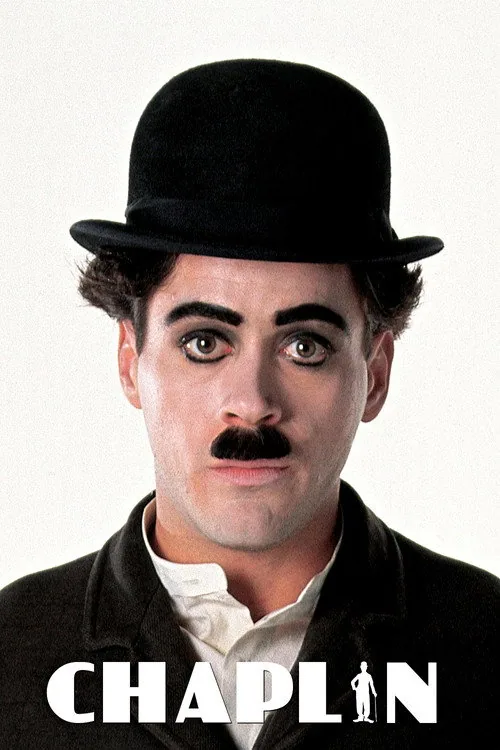
An elderly Charlie Chaplin looks back on his life during a conversation in Switzerland, recalling a poor childhood in South London and his rise through the music halls to international fame. The film follows the creation of his silent-screen persona, his creative control, personal relationships, political scrutiny, and eventual exile from the United States. Richard Attenborough frames a broad biographical sweep around the tension between the vulnerable man and the comic figure audiences adored. Robert Downey Jr.'s performance anchors a story about art, fame, and the cost of being watched.
What drives the story
Chaplin's recollections trace how a childhood performer built an enduring comic character while navigating fame and public controversy.
The people at its centre
Creative partnership, family ties, and romantic relationships complicate the distance between Chaplin's adored persona and private temperament.
What it feels like
The film recreates scenes from silent-era performance within a large-scale, sometimes elegiac biography.
Worth knowing
Its life story follows one artist's career and exile, rather than offering a general history of silent-film comedy.
public persona and private selfart and authorshipfame and political scrutiny
Mood
reflective · melancholic · showbiz
Pacing
decades-spanning biography · framed recollection · episodic career milestones
Visual style
period recreations of silent cinema · black-and-white performance scenes · classic biographical staging
Storytelling
elderly artist recalls life in flashback · performer creates iconic screen persona · career intersects with political controversy and exile