Explore films connected to The Wonderful Story of Henry Sugar through greed, discipline, generosity. Choose the qualities you want to carry into your next watch.
What should feel similar?
Find your next favourite
9 films · Closest overall matches
Hide films you’ve seen or don’t want. Saved on this device.
No matches for this combination yet.
Try another option or reset your choices to see more films.
Based on recorded story, mood and style. Your preferences can change the order.
What changes The Wonderful Story of Henry Sugar: compressed, chaptered, narration-led and fable-like. Tom Jones: episodic and brisk.
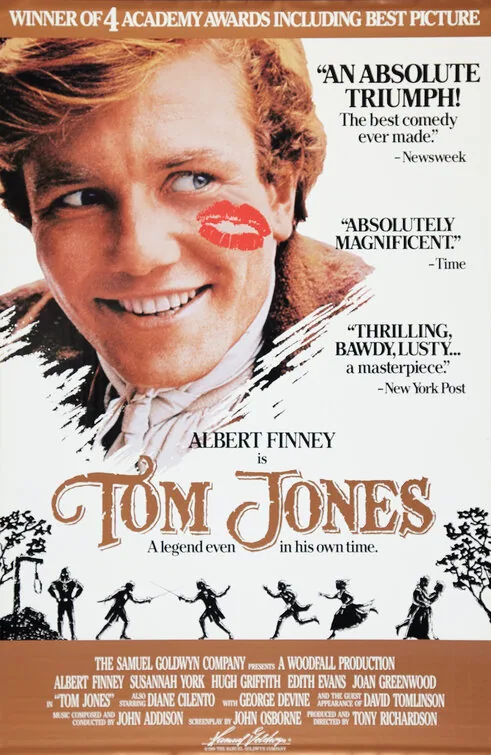
Raised as the foundling son of a wealthy squire, Tom Jones grows into a generous but impulsive young man whose romantic appetites repeatedly create trouble. His affection for Sophia Western is challenged by class expectations and by Blifil, the apparently respectable heir who schemes to keep Tom away from her. A series of misunderstandings and social encounters sends Tom from the country estate toward London and ultimately into danger. The adaptation of Henry Fielding’s novel treats sexual reputation, money and respectability as comic forces, while inviting the audience to notice how easily appearances distort judgment. Tom’s confidence about love is tested by a false accusation and an unexpected change in his social standing.
Based on recorded story, mood and style. Your preferences can change the order.
Memory and identity
What changes The Wonderful Story of Henry Sugar: compressed, chaptered, narration-led and fable-like. Chaplin: decades-spanning biography, framed recollection and episodic career milestones.
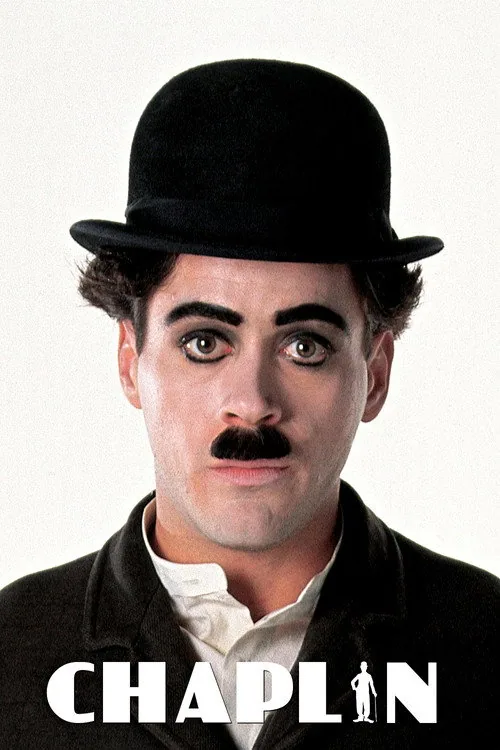
An elderly Charlie Chaplin looks back on his life during a conversation in Switzerland, recalling a poor childhood in South London and his rise through the music halls to international fame. The film follows the creation of his silent-screen persona, his creative control, personal relationships, political scrutiny, and eventual exile from the United States. Richard Attenborough frames a broad biographical sweep around the tension between the vulnerable man and the comic figure audiences adored. Robert Downey Jr.'s performance anchors a story about art, fame, and the cost of being watched.
Based on recorded story, mood and style. Your preferences can change the order.
Constructed reality
What changes The Wonderful Story of Henry Sugar: compressed, chaptered, narration-led and fable-like. Harold and the Purple Crayon: a fish-out-of-water adventure turns drawing into a chain of comic set pieces.
Harold has grown up inside a book where his purple crayon can create anything he draws. When he and his friends cross into the real world, he must learn how imagination works in a place that does not follow his familiar rules. The family fantasy adapts a picture-book premise into a story about creativity, growing up, and the difference between making a world and participating in one.
Based on recorded story, mood and style. Your preferences can change the order.
What changes The Wonderful Story of Henry Sugar: compressed, chaptered, narration-led and fable-like. Arthur: comic misadventures toward choice.
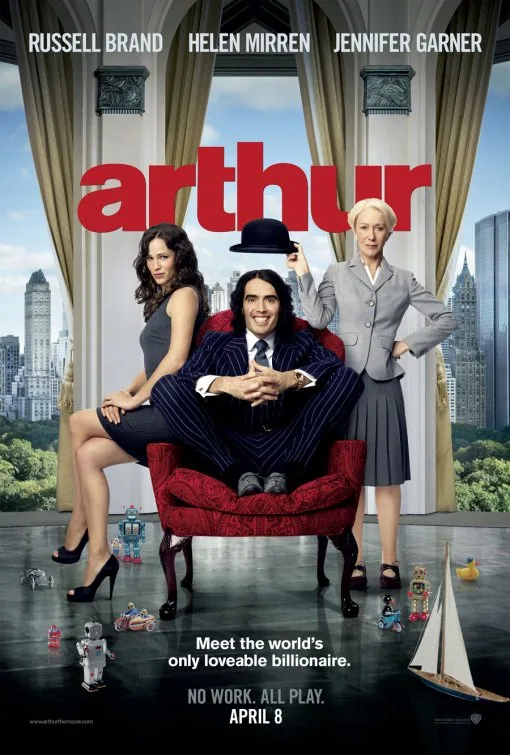
Arthur Bach, a wealthy heir known for reckless drinking, is told that he must marry Susan Johnson to preserve his family’s business. He falls for Naomi, a tour guide, and must decide whether privilege and security are worth a life chosen by his mother. The remake recasts the earlier story as a romantic comedy about dependence, public reputation and the difficult work of becoming responsible without losing one’s playful spirit.
Based on recorded story, mood and style. Your preferences can change the order.
Memory and identity
What changes The Wonderful Story of Henry Sugar: compressed, chaptered, narration-led and fable-like. The White Tiger: reflective narration and steady rise-and-fall momentum.
Balram Halwai narrates his rise from poverty in a rural Indian village to success as an entrepreneur in modern Bangalore. Ambitious and observant, he becomes the driver for a wealthy couple returning from the United States and learns how service, caste, and money shape the household around him. A betrayal forces him to reassess the system and the choices available to him. Ramin Bahrani adapts Aravind Adiga’s novel as a darkly comic social drama, framing Balram’s story as both self-made success and moral escape.
Based on recorded story, mood and style. Your preferences can change the order.
Constructed reality · Work and ambition
What changes The Wonderful Story of Henry Sugar: compressed, chaptered, narration-led and fable-like. Certified Copy: measured, dialogue-driven and gradually shifting.
At a book event in Tuscany, writer James Miller meets a French antiques dealer who has brought her son and several copies of his book about authenticity in art. After a strained first exchange, they spend an afternoon driving, walking through town and debating originals, reproductions and intimate relationships. Their conversation gradually takes on the rhythms of a long-established couple, though the film leaves the status of their roles unsettled. The encounter tests whether an experience can gain meaning regardless of its origin.
Based on recorded story, mood and style. Your preferences can change the order.
Work and ambition · Memory and identity
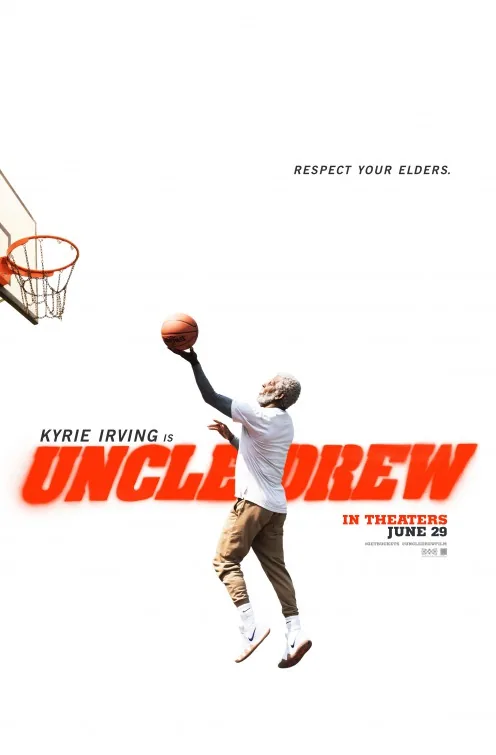
What changes The Wonderful Story of Henry Sugar: compressed, chaptered, narration-led and fable-like. Uncle Drew: travel-and-recruitment episodes, sports set pieces and tournament finale.
After losing his basketball team before a neighborhood tournament, Harlem coach Dax Winslow seeks out the legendary Uncle Drew, a player whose name has become part of streetball history. Drew agrees to help reunite his old teammates, and the group travels across the country to recruit them. The journey brings aging players, old rivalries, and Dax’s own ambitions into a road comedy built around basketball culture and the Rucker Classic.
Based on recorded story, mood and style. Your preferences can change the order.
What changes The Wonderful Story of Henry Sugar: compressed, chaptered, narration-led and fable-like. Rental Family: episodic and quiet emotional accumulation.
An American actor living in Tokyo struggles to find purpose until he takes work with a rental-family agency, playing stand-in roles for clients who need a relative, friend, or companion. As he steps into different households and ceremonies, the performances begin to create genuine affection and obligations that complicate the job. Hikari’s comedy-drama follows the actor through a series of carefully constructed relationships, asking where acting ends and care begins. Its contemporary Tokyo setting gives the film a warm, observant perspective on loneliness, belonging, and chosen connection.
Based on recorded story, mood and style. Your preferences can change the order.
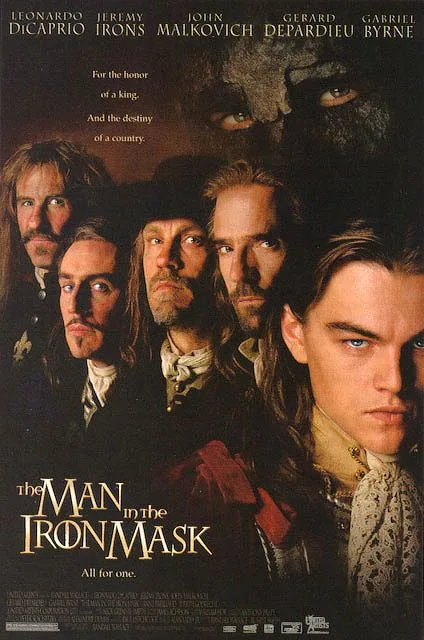
What changes The Wonderful Story of Henry Sugar: compressed, chaptered, narration-led and fable-like. The Man in the Iron Mask: court intrigue and escape and exchange.
In Louis XIV’s France, musketeers Athos, Porthos and Aramis discover that a masked prisoner may be the king’s identical twin, Philippe. The king’s harsh rule has left the country near unrest, and the former friends disagree over whether to help replace him. D’Artagnan remains loyal to the crown, even as his personal history complicates the choice. The musketeers attempt to free Philippe and prepare him to take the throne, turning a rescue into a political and family drama. The film loosely adapts Alexandre Dumas’s novel and reshapes its historical setting for adventure.
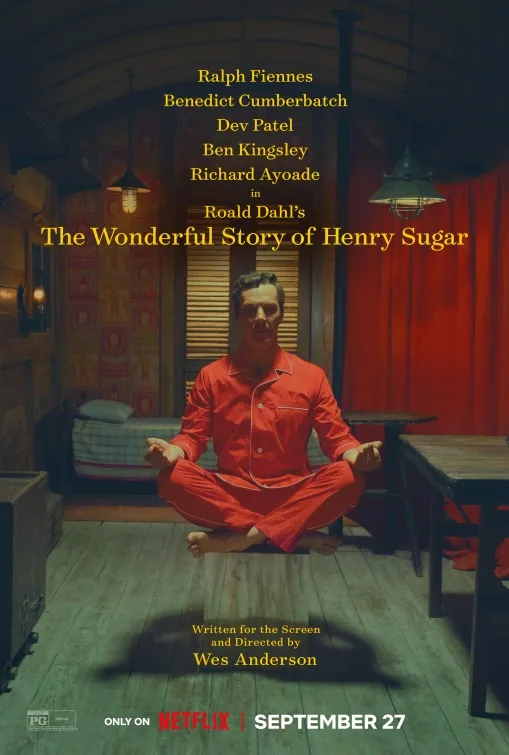
Wes Anderson adapts Roald Dahl’s short story as a compact, theatrical tale about Henry Sugar, a wealthy man who learns of a performer able to see without using his eyes. A doctor’s account leads into the history of Imdad Khan and the yogi who taught him an extraordinary discipline. Henry studies the technique for gambling, but his new ability eventually changes what he wants to do with his fortune. The short film makes narration and stagecraft visible parts of the story.
What drives the story
Henry learns Imdad Khan’s method of sightless vision and initially uses it to win money before changing his purpose.
The people at its centre
Henry moves from using secret knowledge for personal gain to employing his wealth and skill in generous service.
What it feels like
Its visible staging, narrator handoffs and rapid production changes turn Dahl’s fable into a playful screen performance.
Worth knowing
A stylized short film for viewers who enjoy Wes Anderson’s formal design and compact, narrated literary adaptations.