A child's determined campaign for a specific gift links a series of seasonal setbacks into a memory shaped by adult narration.
Why this matches +
Selected for the central appeal: A boy recalls his working-class New York family and the radio programs that shaped their everyday lives.
Genres: Comedy / Family
Shared film traits
Based on recorded story, mood and style. Your preferences can change the order.
What changes An adult narrator fondly recalls childhood, family eccentricities and the popular culture of an earlier American era.
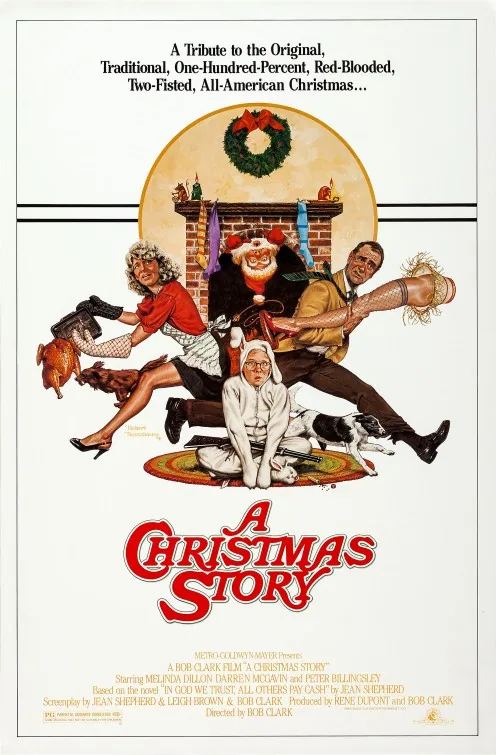
In 1940s Hammond, Indiana, young Ralphie Parker has one consuming Christmas wish: a Red Ryder air rifle. Adult Ralphie narrates the season's disasters and small victories, from schoolyard humiliations and winter clothing to the family's uneasy encounters with department-store Santa. The comedy sees childhood as both epic and embarrassing, using remembered details and dry hindsight to make an ordinary family holiday feel enormous from a child's point of view.
A writer must keep a famous guest star fit for a live broadcast.
Why this matches +
These offer a related experience with a meaningful difference in story, tone, or presentation.
An adjacent discovery: a related idea with a different viewing experience.
Genres: Comedy
Shared film traits
Based on recorded story, mood and style. Your preferences can change the order.
Music and performance
What changes A nostalgic entertainment-world comedy remembers a young person's encounter with performers and the personalities behind a beloved broadcast.
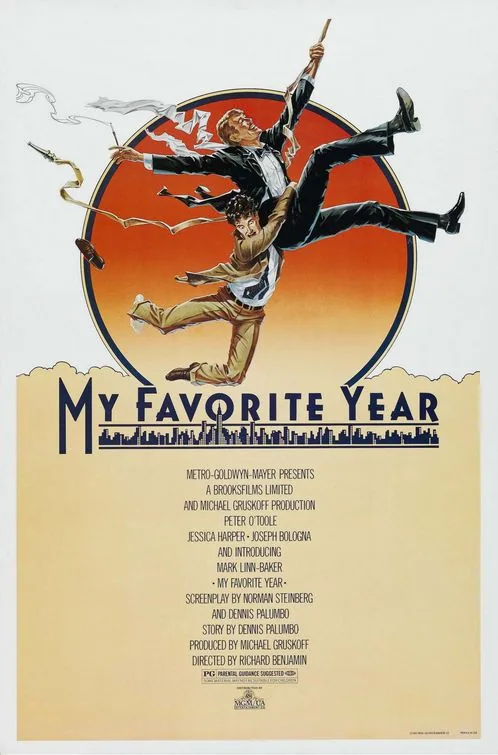
A young writer at a live television comedy program is assigned to escort a celebrated but unreliable movie star through New York before a broadcast. The star's appetite for drink and distraction threatens the episode, while the writer discovers a more complicated person beneath the public image. The comedy draws on backstage chaos and a mentor-like connection between a novice and a performer.
A new boy finds friends through a neighborhood baseball team.
Why this matches +
These offer a related experience with a meaningful difference in story, tone, or presentation.
An adjacent discovery: a related idea with a different viewing experience.
Genres: Family / Comedy
Shared film traits
Based on recorded story, mood and style. Your preferences can change the order.
What changes An adult looks back on boyhood friendships and neighborhood rituals in a warm, episodic portrait of growing up.
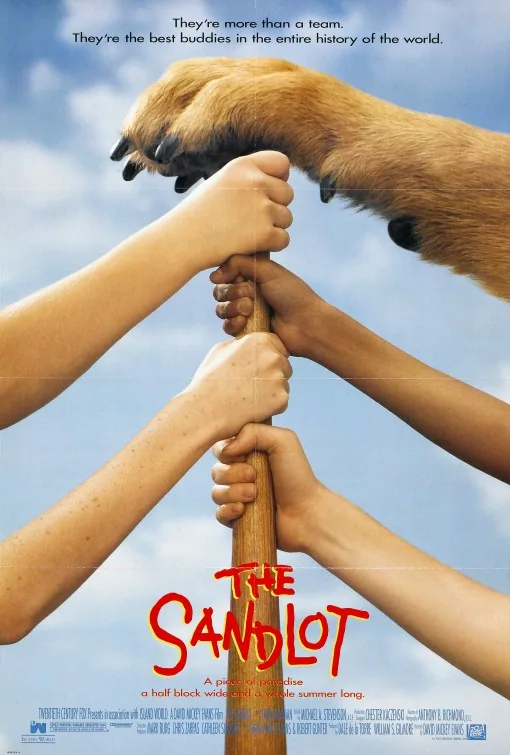
In 1962, new arrival Scotty Smalls joins a neighborhood group of boys who spend their summer playing baseball. Their games, teasing and small adventures gradually give him a sense of belonging, while a ball hit into a neighboring yard creates a larger challenge. The nostalgic comedy treats childhood friendship as a world with its own legends and rituals, seen from the perspective of someone learning to fit in.
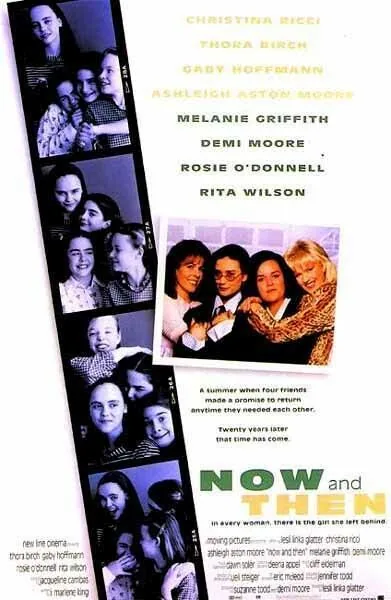
The friends’ reunion invites them to revisit the summer when the girls began making choices about identity and belonging.
Why this matches +
These offer a related experience with a meaningful difference in story, tone, or presentation.
An adjacent discovery: a related idea with a different viewing experience.
Genres: Drama / Comedy
Shared film traits
Based on recorded story, mood and style. Your preferences can change the order.
Memory and identity
What changes An ensemble revisits childhood friendships and family life through affectionate memories of a particular time and place.
In 1995, four women return to their Indiana hometown and remember the summer they spent together as twelve-year-olds in 1970. Samantha, Teeny, Roberta and Chrissy each faced different questions about family, growing up and the people they hoped to become. Their childhood plan to build a tree house gives the summer a shared purpose, while a local mystery draws them toward the story of a boy who died years earlier. Adult conversation and flashbacks connect the friends’ present lives with the bonds and discoveries that shaped them, showing how their memories remain a part of who they are.
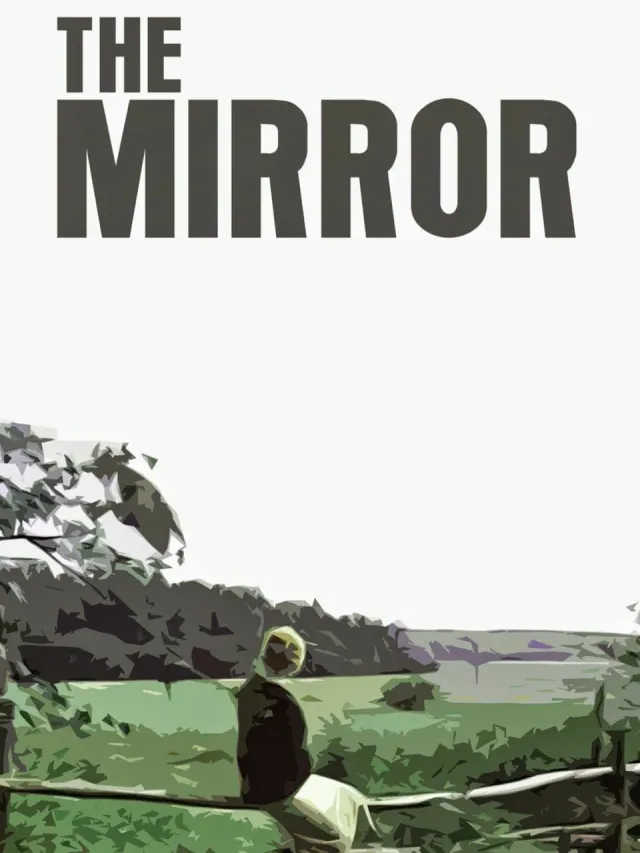
Recurring images and family memories accumulate associatively, connecting private experience with the upheavals of Soviet history rather than driving toward one external goal.
Why this matches +
These offer a related experience with a meaningful difference in story, tone, or presentation.
An adjacent discovery: a related idea with a different viewing experience.
Genres: Drama / Biography
Shared film traits
Based on recorded story, mood and style. Your preferences can change the order.
Memory and identity
What changes Fragments of childhood, family life and public history mingle in a portrait structured around memory rather than a single plot.
A dying man’s memories unfold in fragments across childhood, adulthood and wartime, with the film shifting between a boy named Alex, his mother and the adult voice remembering them. Images of a country house, a printing press and family separations recur without being arranged into a conventional chronological plot. Andrei Tarkovsky weaves autobiographical material, poetry and historical footage into a meditation on memory and inheritance. The scenes do not always clarify whether they belong to recollection, dream or present action; their emotional links matter more than a single explanatory mystery.
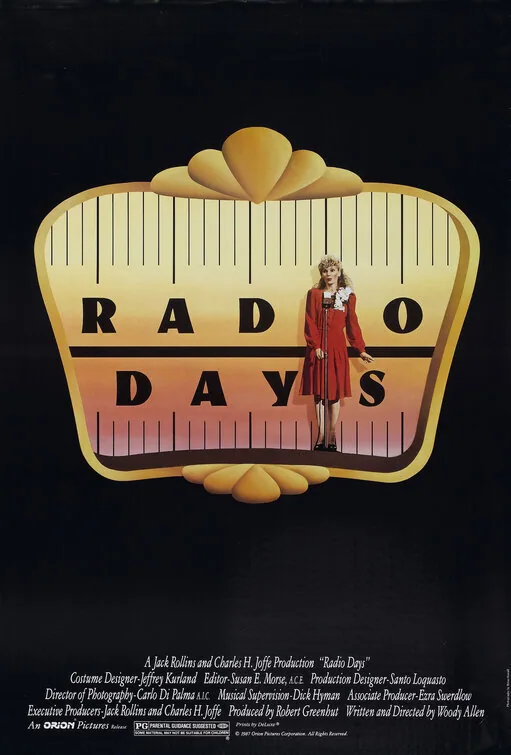
A boy growing up in a working-class New York family remembers the people, songs and programs that shaped daily life when radio was the dominant entertainment. The film strings together comic and affectionate episodes around family members and radio personalities, moving between neighborhood routines and the imagined glamour of broadcast fame. Woody Allen treats memory as an ensemble of small scenes rather than a single plot.
What drives the story
A boy recalls his family and the radio voices that filled their home.
The people at its centre
The child's memories connect private family rituals with the wider culture he hears over the air.
What it feels like
The episodic form lets recurring broadcasts link loosely connected scenes.
Worth knowing
Its nostalgia is built from everyday listening and neighborhood life, not from a single show-business rise.
MemoryFamilyEntertainment
Mood
Nostalgic · Affectionate · Comic
Pacing
A chain of recollected episodes
Visual style
Period ensemble comedy · Radio performance and songs
Storytelling
Radio broadcasts · Childhood memories · Working-class family