A new boy finds friends through a neighborhood baseball team.
Why this matches +
Selected for the central appeal: An adult narrator recalls the comic humiliations and intense wishes of a child during a family Christmas.
Genres: Family / Comedy
Shared film traits
Based on recorded story, mood and style. Your preferences can change the order.
What changes A nostalgic adult perspective recalls the rituals and embarrassments of childhood; summer baseball replaces Christmas.
In 1962, new arrival Scotty Smalls joins a neighborhood group of boys who spend their summer playing baseball. Their games, teasing and small adventures gradually give him a sense of belonging, while a ball hit into a neighboring yard creates a larger challenge. The nostalgic comedy treats childhood friendship as a world with its own legends and rituals, seen from the perspective of someone learning to fit in.
The Herdmans’ disruption exposes how much the community has mistaken convention for understanding.
Why this matches +
Selected for the central appeal: An adult narrator recalls the comic humiliations and intense wishes of a child during a family Christmas.
Genres: Family / Comedy
Shared film traits
Based on recorded story, mood and style. Your preferences can change the order.
What changes Children and adults negotiate comic holiday mishaps and expectations; a community pageant replaces a coveted gift.
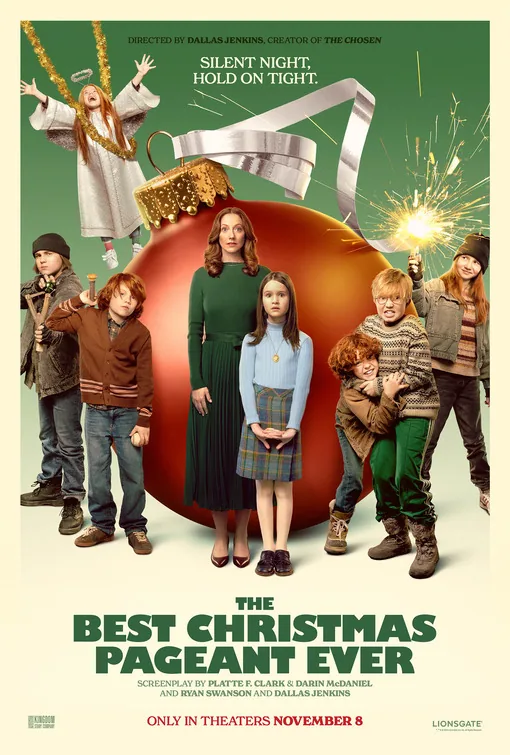
The unruly Herdman siblings take over the leading roles in a church Christmas pageant after they hear there may be snacks at Sunday school. Their arrival unsettles the children and adults who expect the familiar show to run smoothly. As the rehearsal forces the Herdmans to encounter the Nativity story, Grace Bradley’s willingness to include them challenges the town’s judgments and gives the pageant a new emotional meaning.
A boy recalls his family and the radio voices that filled their home.
Why this matches +
Selected for the central appeal: An adult narrator recalls the comic humiliations and intense wishes of a child during a family Christmas.
Genres: Comedy
Shared film traits
Based on recorded story, mood and style. Your preferences can change the order.
What changes An adult narrator revisits family life and childhood memories with affectionate period detail; radio culture rather than Christmas.
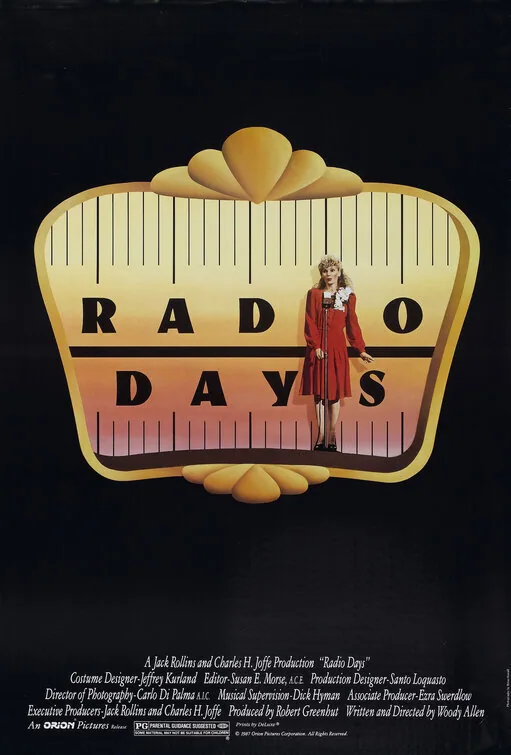
A boy growing up in a working-class New York family remembers the people, songs and programs that shaped daily life when radio was the dominant entertainment. The film strings together comic and affectionate episodes around family members and radio personalities, moving between neighborhood routines and the imagined glamour of broadcast fame. Woody Allen treats memory as an ensemble of small scenes rather than a single plot.
A promised gift sends two fathers racing across a city after the same scarce toy.
Why this matches +
These offer a related experience with a meaningful difference in story, tone, or presentation.
An adjacent discovery: a related idea with a different viewing experience.
Genres: Comedy / Family
Shared film traits
Based on recorded story, mood and style. Your preferences can change the order.
What changes A coveted Christmas gift drives a series of frantic comic mishaps; follows a father rather than a child.
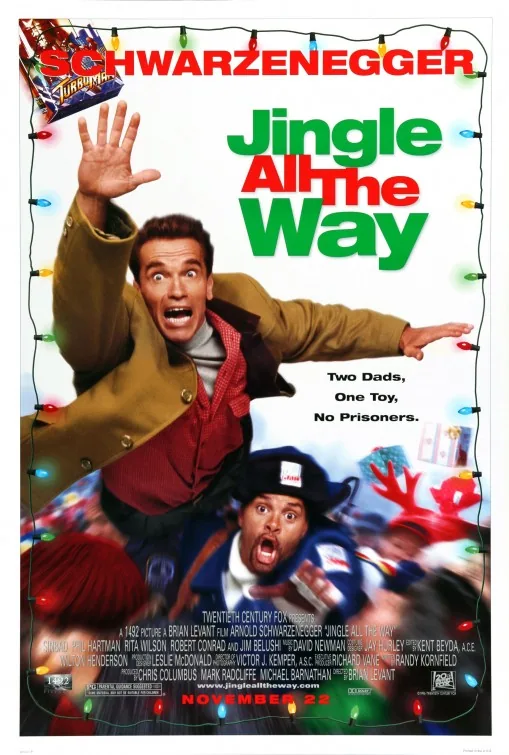
Workaholic Minneapolis father Howard Langston promises his son the season's must-have Turbo Man toy, then discovers that he has left the shopping until Christmas Eve. A rival father, Myron, is searching for the same scarce figure, and their escalating competition turns the city into a comic obstacle course. The holiday rush eventually exposes Howard's deeper failure to give his family attention.
A father tries to stage a perfect family Christmas, but relatives, mishaps and financial uncertainty repeatedly undo his careful plans.
Why this matches +
These offer a related experience with a meaningful difference in story, tone, or presentation.
An adjacent discovery: a related idea with a different viewing experience.
Genres: Comedy / Family
Shared film traits
Based on recorded story, mood and style. Your preferences can change the order.
What changes A family's ideal Christmas dissolves into escalating domestic mishaps; adult-centered and broader.
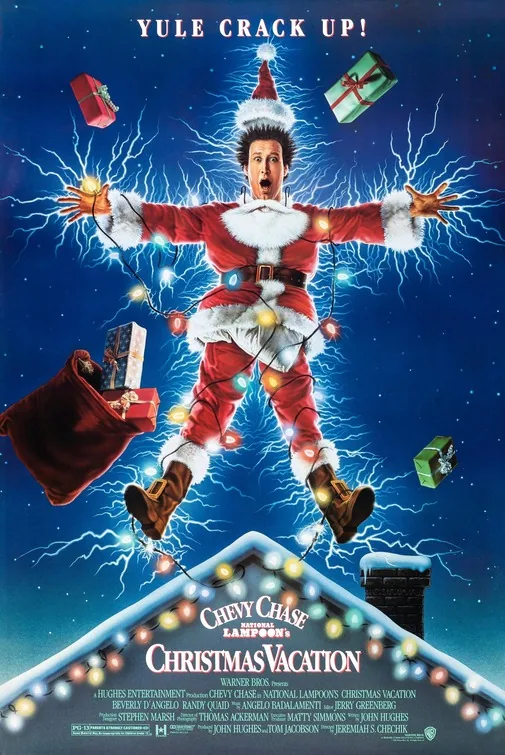
Clark Griswold plans an ideal family Christmas at home, complete with elaborate lights, a tree and a large gathering of relatives. His carefully managed holiday quickly loses control as visitors arrive, household mishaps multiply and the expected bonus becomes uncertain. The comedy builds through escalating domestic disasters, contrasting Clark's insistence on a perfect celebration with the unpredictability of family life and his own increasingly strained attempts to keep everyone festive.
A department-store Santa's claim to be genuine becomes a courtroom question after a psychologist's judgment threatens his freedom.
Why this matches +
These offer a related experience with a meaningful difference in story, tone, or presentation.
An adjacent discovery: a related idea with a different viewing experience.
Genres: Fantasy / Comedy
Shared film traits
Based on recorded story, mood and style. Your preferences can change the order.
What changes A child's hopes and adults' skepticism shape a warm Christmas story; more magical and less nostalgic.
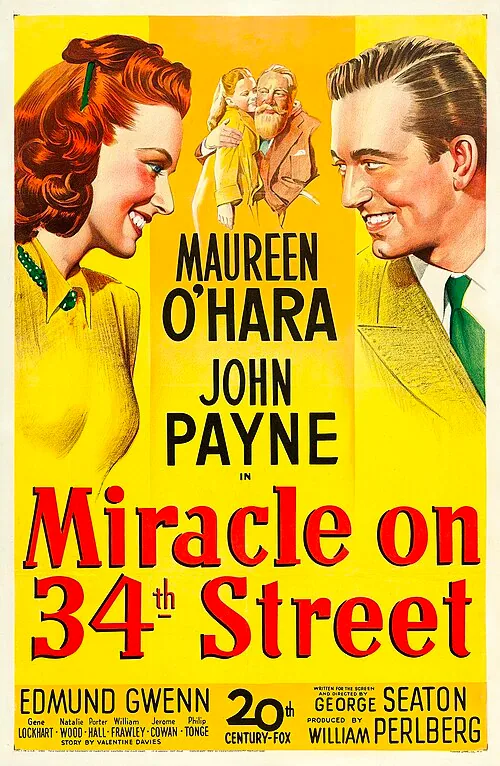
When the Macy's parade Santa is drunk, kindly Kris Kringle takes his place and becomes the store's popular new Santa by sending shoppers to competitors when Macy's is out of stock. His insistence that he is the real Santa worries practical event director Doris Walker, especially because her daughter Susan has been raised not to believe in fairy tales. After a hostile store psychologist has Kris committed, neighbor and lawyer Fred Gailey defends him in court. Public trust and an ingenious use of delivered mail make the legal dispute a test of what evidence can establish in a holiday story.
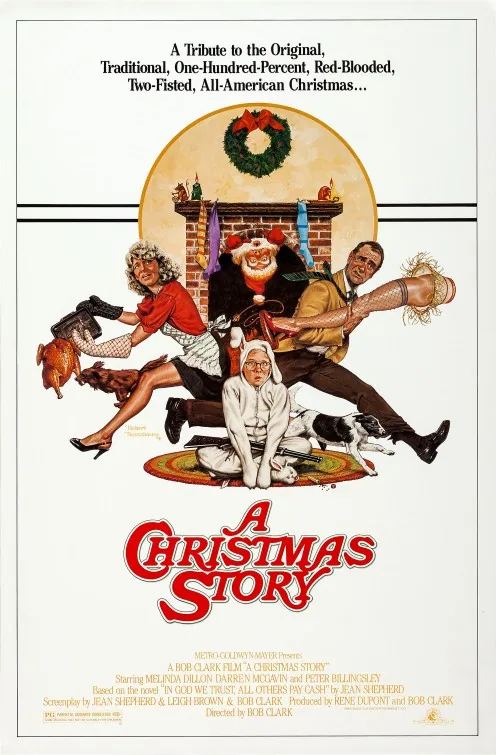
In 1940s Hammond, Indiana, young Ralphie Parker has one consuming Christmas wish: a Red Ryder air rifle. Adult Ralphie narrates the season's disasters and small victories, from schoolyard humiliations and winter clothing to the family's uneasy encounters with department-store Santa. The comedy sees childhood as both epic and embarrassing, using remembered details and dry hindsight to make an ordinary family holiday feel enormous from a child's point of view.
What drives the story
A child's determined campaign for a specific gift links a series of seasonal setbacks into a memory shaped by adult narration.
The people at its centre
Ralphie's private ambitions collide with parental caution, schoolyard status and his younger brother's competing needs.
What it feels like
The episodic structure and affectionate hindsight make the comedy feel like an intimate collection of remembered family moments.
Worth knowing
Its appeal rests on childhood memory and domestic holiday ritual rather than a magical Christmas rescue or romance.