Both share themes of memory and war, plus a reflective atmosphere.
Why this matches +
Genres: Documentary / History
Shared film traits
Based on recorded story, mood and style. Your preferences can change the order.
War and civilian life · Memory and identity
What changes Lee: episodic, flashback-framed and intensifying. The Fog of War: interviews and archival sequences move between mcnamara’s career and major crises and retrospective judgments.
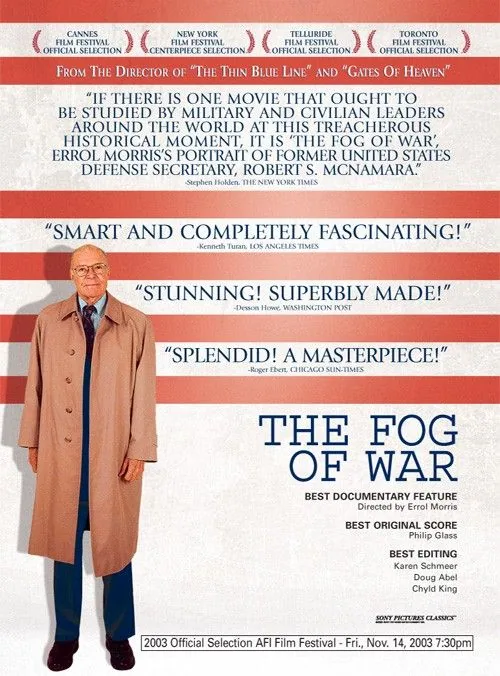
Director Errol Morris interviews former U.S. Secretary of Defense Robert McNamara, pairing his recollections with archival footage and recordings from government discussions. Structured around eleven lessons, the documentary follows McNamara’s life and examines his role in the bombing campaigns of World War II, the Cuban Missile Crisis and the escalation of the Vietnam War. He reflects on how leaders make decisions with incomplete information and sometimes speaks critically about his own actions. The film leaves viewers weighing the distance between strategic reasoning and human consequences.
Based on recorded story, mood and style. Your preferences can change the order.
War and civilian life
What changes Lee: episodic, flashback-framed and intensifying. Civil War: escalating.
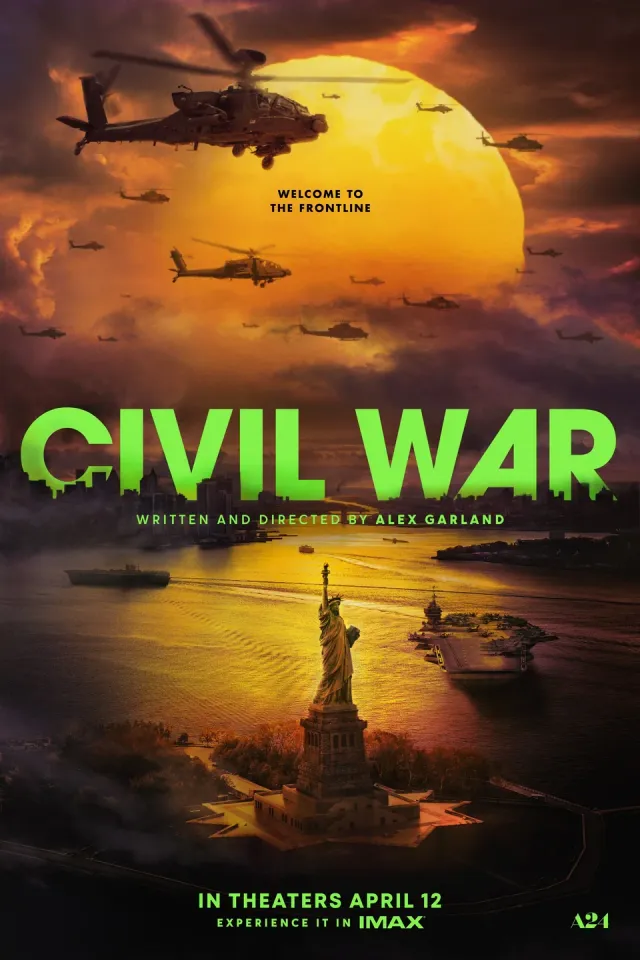
In a near-future America divided by an unexplained civil conflict, veteran photographer Lee leads a small press group toward Washington to interview the president. Young Jessie joins them, eager to make images and increasingly exposed to the cost of that ambition. Their journey tests the idea that a camera guarantees neutrality: documenting violence can preserve evidence, but the photographer remains physically present and emotionally changed by what she sees. The film leaves the coalitions and causes largely undefined, directing attention toward witnessing and professional detachment rather than a predictive political map. Lee's group crosses the country toward a president who has not spoken publicly in months.
Both share themes of war, plus a reflective and somber atmosphere.
Why this matches +
Genres: Drama / War
Shared film traits
Based on recorded story, mood and style. Your preferences can change the order.
War and civilian life · Memory and identity
Expect comic and adventurous, with adventure-driven and episodic pacing.
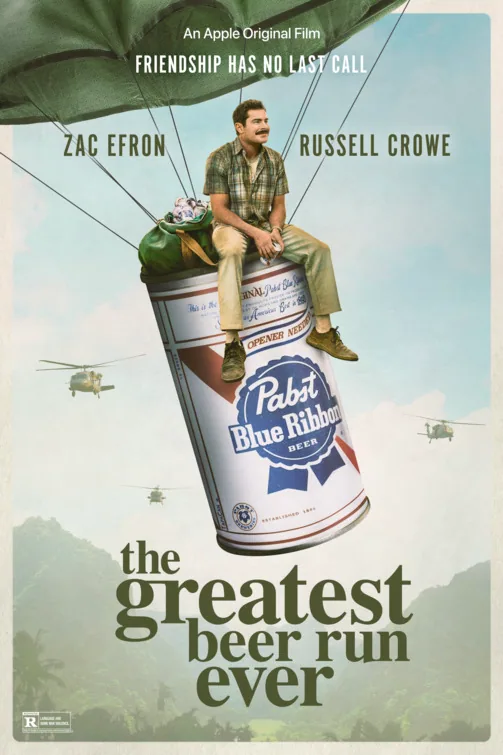
In 1967, New Yorker Chickie Donohue decides to carry beer to friends serving in Vietnam, treating the trip as a morale-boosting gesture. His route through bases and conflict zones gives him a direct view of a war that his family and neighbors debate from home. Peter Farrelly’s drama balances a comic premise with a changing understanding of friendship, service and what civilians can know about a war from a distance.
Based on recorded story, mood and style. Your preferences can change the order.
War and civilian life
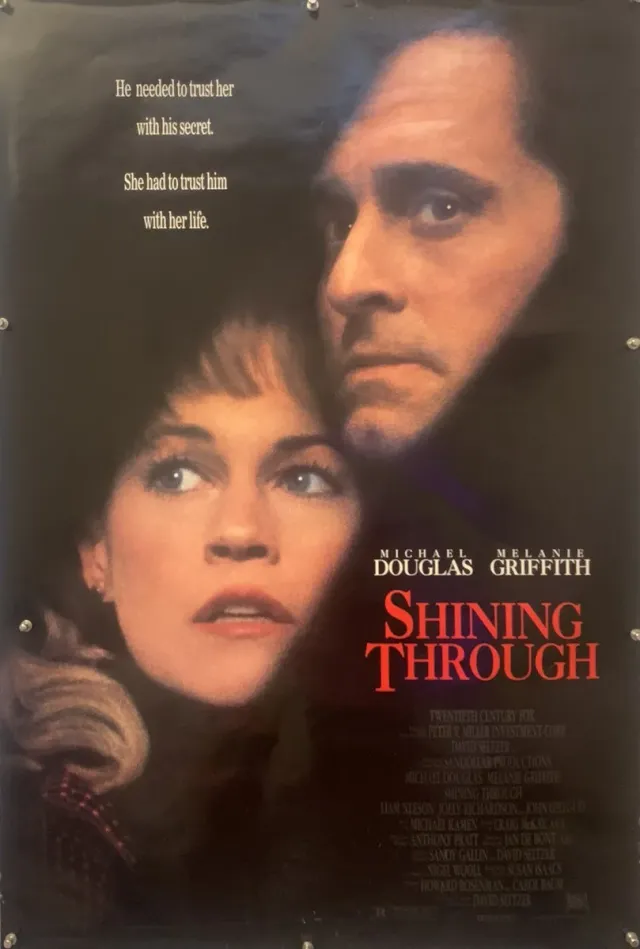
What changes Lee: episodic, flashback-framed and intensifying. Shining Through: gradual escalation.
Linda Voss, a German-speaking secretary in New York, is recruited to assist an American official during World War II and later enters Nazi Germany under a covert identity. Her knowledge of language and daily customs becomes crucial as she tries to gather intelligence and survive the danger around her. The romantic war drama follows a civilian's transformation from office worker to spy while emphasizing the strain of balancing affection, duty and secrecy.
Based on recorded story, mood and style. Your preferences can change the order.
War and civilian life
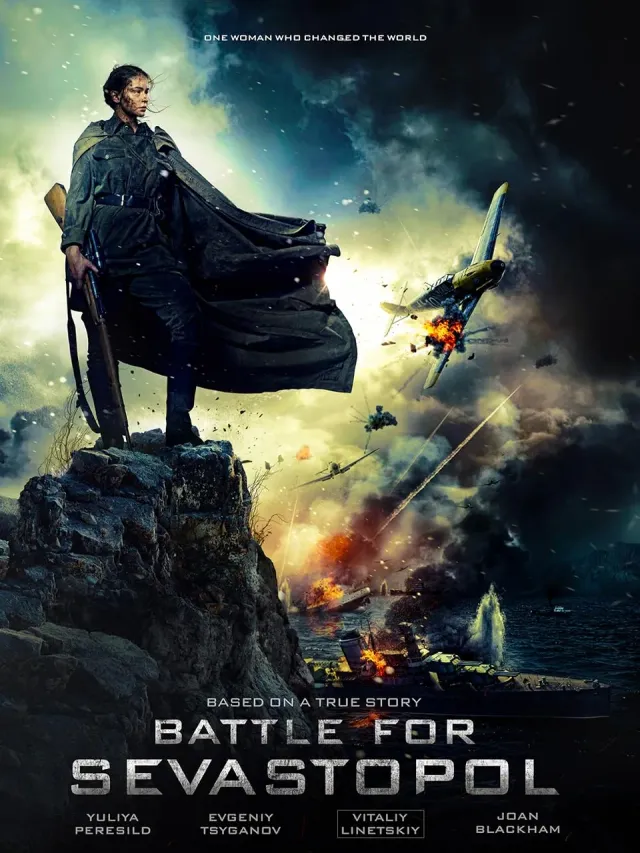
What changes Lee: episodic, flashback-framed and intensifying. Battle for Sevastopol: chronological and war-driven.
The film follows Lyudmila Pavlichenko from her studies in Kyiv into the Soviet army, where her skill as a sniper brings her to the Eastern Front. Her wartime service, relationships and later public advocacy take shape amid escalating violence and political pressure. Sergey Mokritsky combines a biographical portrait with large battle scenes, emphasizing both the cost of conflict and the way a woman’s achievements become part of a larger public narrative.
Based on recorded story, mood and style. Your preferences can change the order.
War and civilian life
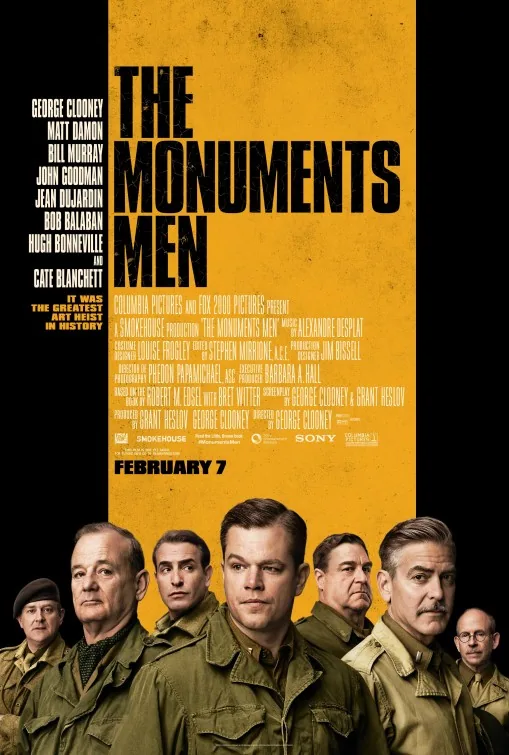
What changes Lee: episodic, flashback-framed and intensifying. Monuments Men: steady and escalating.
During the Second World War, museum directors, curators and historians form an Allied unit to locate art stolen by the Nazis and return it to its owners. Frank Stokes must persuade military leaders that protecting cultural objects is worth diverting resources, while James Granger gradually earns the help of French curator Claire Simone, who fears the Americans may seize the collection for themselves. The team finds caches in mines and castles as the war nears its end, competing with Soviet forces and German orders to destroy art. Their mission becomes a race to preserve objects and trace rightful ownership.
Based on recorded story, mood and style. Your preferences can change the order.
War and civilian life
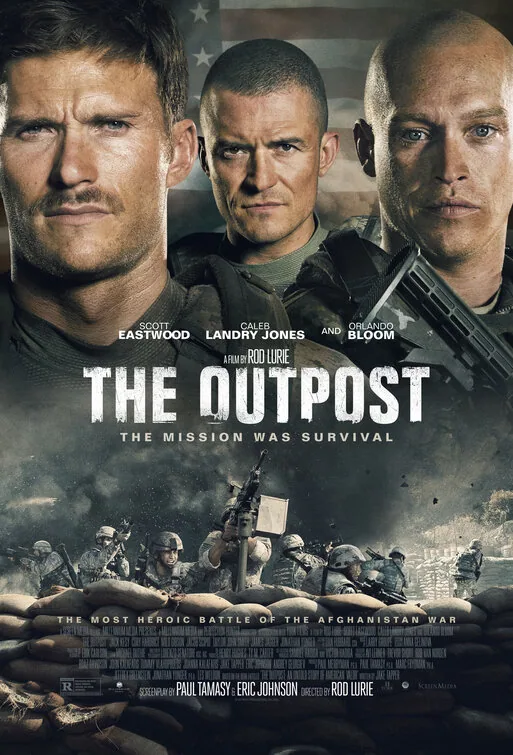
What changes Lee: episodic, flashback-framed and intensifying. The Outpost: base routines and patrols, attacks escalate, battle geography narrows options and collective defense climax.
U.S. soldiers stationed at Combat Outpost Keating in Afghanistan face repeated attacks from Taliban fighters and the dangers of holding an exposed base in a remote mountain valley. Captain Keating and later Staff Sergeant Clint Romesha lead a unit whose daily routines, patrols, and relationships unfold under sustained pressure. When a major assault overwhelms the position, the soldiers must defend one another and find a way to survive. Rod Lurie’s war film adapts Jake Tapper’s account of the Battle of Kamdesh as an ensemble story of isolation, leadership, and combat duty.
Based on recorded story, mood and style. Your preferences can change the order.
War and civilian life
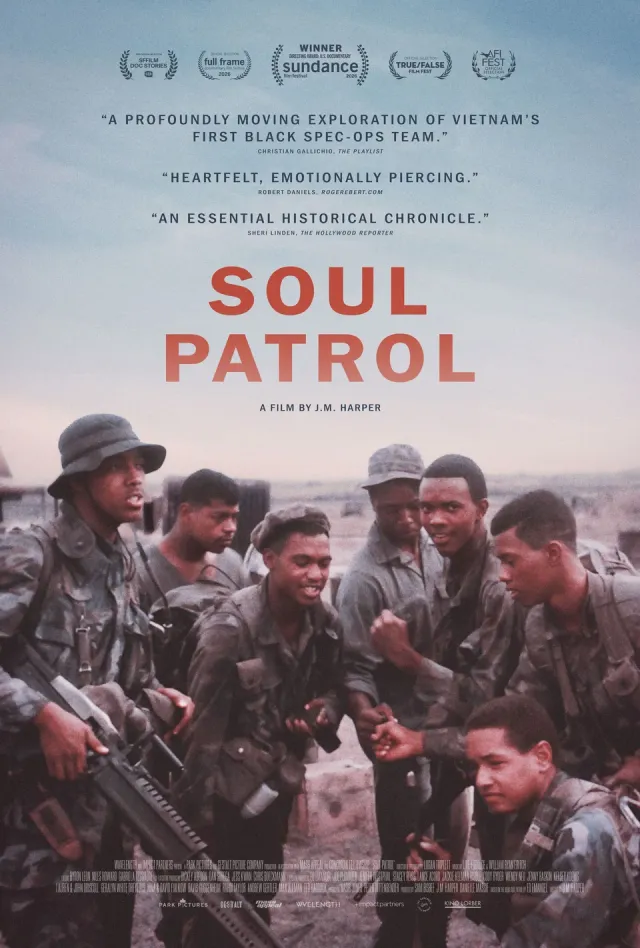
What changes Lee: episodic, flashback-framed and intensifying. Soul Patrol: observational.
Surviving members of a pioneering Black special operations team revisit their service in Vietnam and its long aftermath. J.M. Harper brings their testimony together with photographs, recordings and personal film archives. The documentary considers the bond formed by dangerous missions alongside the contradiction of fighting for American freedom while facing racial inequality, making memory and life after combat as significant as battlefield history.
Based on recorded story, mood and style. Your preferences can change the order.
War and civilian life
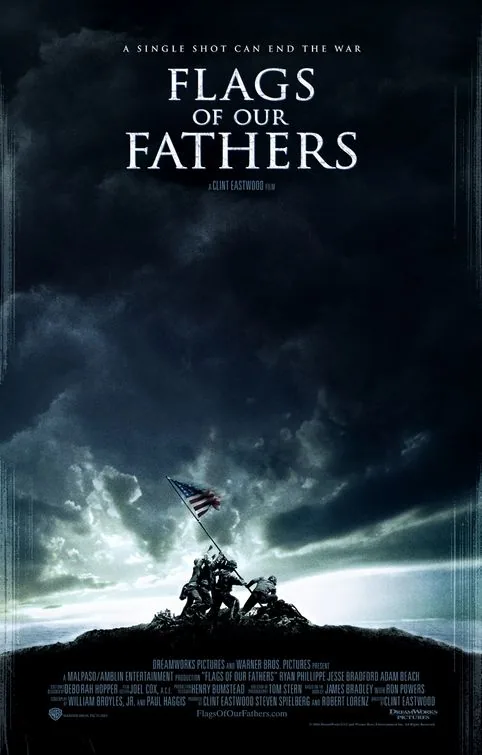
What changes Lee: episodic, flashback-framed and intensifying. Flags of Our Fathers: measured and nonlinear.
After the flag raising at Iwo Jima is photographed, surviving men are brought home to help sell war bonds, and public celebration turns them into symbols before they can agree on what the image means. Flashbacks revisit the battle and the men around the flag, while the campaign asks survivors to perform a heroic story that cannot contain their losses or the experience of those left behind. The 2006 film predates the Marine Corps’ later identity correction: corpsman John Bradley was not in Rosenthal’s famous second-flag photograph; Harold Schultz was. Its reenacted memories and public symbolism should be read separately from that archival record.
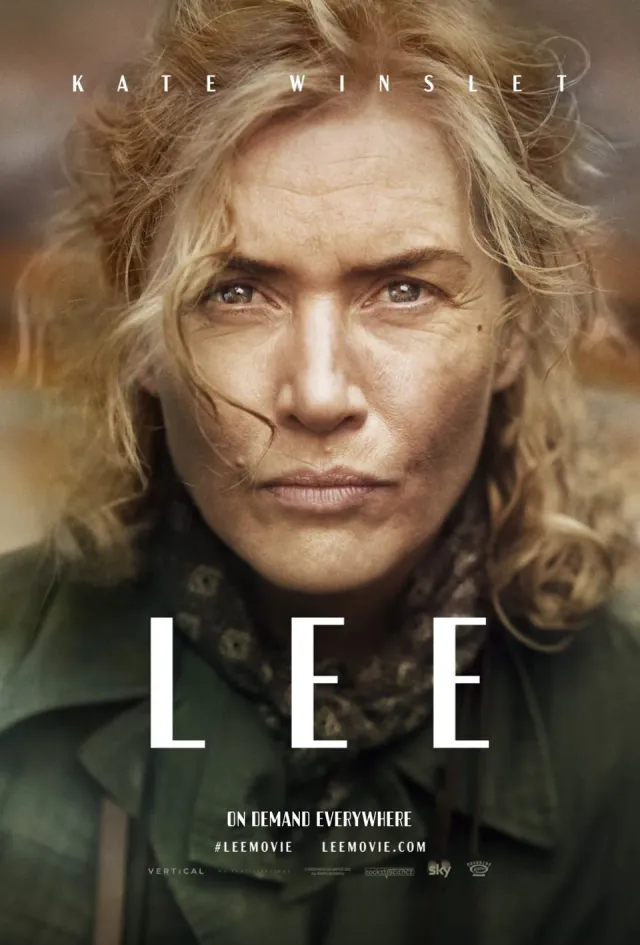
After finding a new purpose in photography, Lee Miller moves from modeling and artistic circles into the work of documenting the Second World War. As a correspondent, she travels with the Allied forces and records the human consequences of combat and liberation, including images that challenge the distance between observer and subject. The film frames this public work through an older Miller recalling her life, giving attention to the choices, relationships and personal cost behind a body of war photography.
What drives the story
Lee Miller becomes a war correspondent and documents the consequences of battle and liberation.
The people at its centre
Miller balances her personal relationships with a determination to work as an observer in male-dominated wartime spaces.
What it feels like
A retrospective frame connects professional images to the risks and emotional weight of making them.
Worth knowing
The biography centers photographic witnessing and memory, not a military campaign or conventional action narrative.
artmemorywar
Mood
reflective · urgent · somber · determined
Pacing
episodic · flashback-framed · intensifying
Visual style
wartime photography motifs · period landscapes · close portraiture · muted palette
Storytelling
artist biography · war correspondent · retrospective interview · historical witness