Both share themes of survival, plus a gritty and tense atmosphere.
Why this matches +
Genres: Action / Thriller
Shared film traits
Based on recorded story, mood and style. Your preferences can change the order.
Family and care
What changes The Outpost: base routines and patrols, attacks escalate, battle geography narrows options and collective defense climax. Valiant One: propulsive, escalating and action-led.
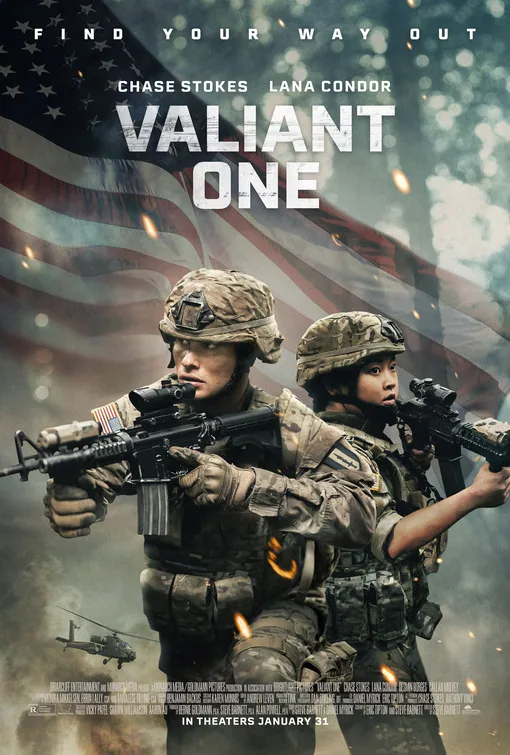
A U.S. Army unit is sent to evacuate civilians during a dangerous mission in a conflict zone. When a helicopter crash leaves soldiers and a civilian translator separated from support, the group must navigate hostile territory and decide whom they can trust. The action thriller centers on tactical survival and cooperation under pressure, following people whose training is tested by unfamiliar terrain and rapidly changing threats.
Based on recorded story, mood and style. Your preferences can change the order.
War and civilian life
What changes The Outpost: base routines and patrols, attacks escalate, battle geography narrows options and collective defense climax. 12 Strong: mission-based escalation.
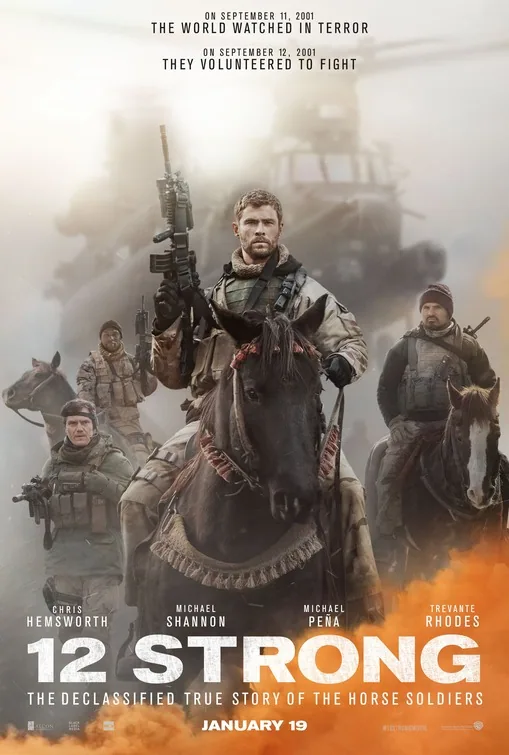
Following the September 11 attacks, a small U.S. Army Special Forces team deploys to Afghanistan and partners with local commander Abdul Rashid Dostum. The soldiers move across difficult terrain on horseback while trying to coordinate against Taliban forces and gain control of strategic locations. The war film frames the operation through unit discipline and alliance, while showing how unfamiliar tactics and trust shape a dangerous early mission.
Based on recorded story, mood and style. Your preferences can change the order.
War and civilian life · Survival
What changes The Outpost: base routines and patrols, attacks escalate, battle geography narrows options and collective defense climax. Warfare: a near-continuous combat sequence follows a unit’s attempt to evacuate casualties.
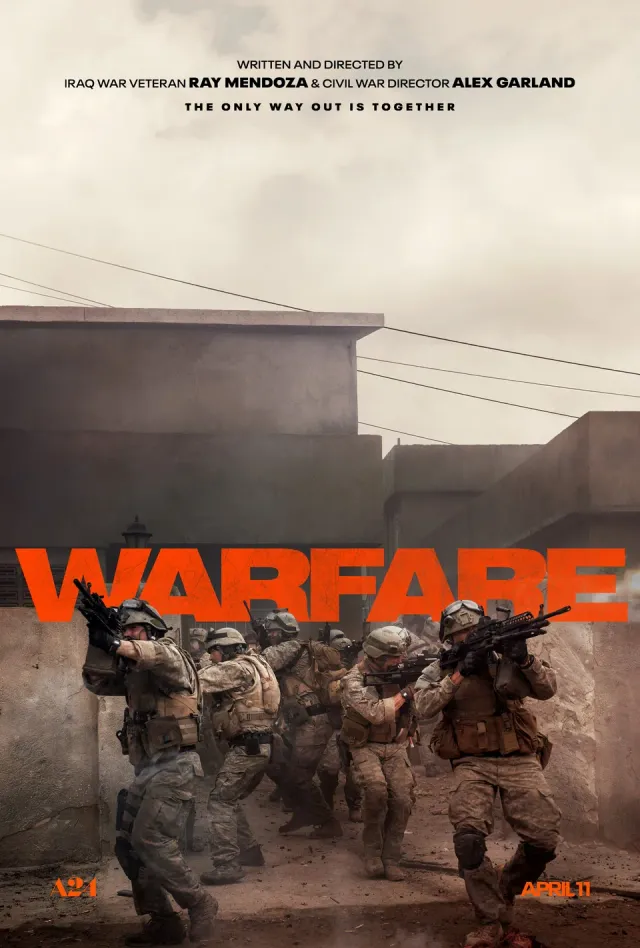
During the Iraq War, a Navy SEAL platoon occupies a house in Ramadi to monitor enemy activity and support a larger operation. When an explosion and ambush leave several men wounded, the group must coordinate evacuation under fire. Based on Ray Mendoza’s experience, the film focuses on the immediate confusion of combat, presenting battlefield survival through communication, interdependence, and the physical limits of those trying to protect one another.
Based on recorded story, mood and style. Your preferences can change the order.
War and civilian life
What changes The Outpost: base routines and patrols, attacks escalate, battle geography narrows options and collective defense climax. Lions for Lambs: parallel conversation threads, limited battlefield action and argument-centered ending.
A senator explains a new Afghanistan strategy to a skeptical television reporter while two young soldiers execute a dangerous mission on the ground. At a West Coast university, a professor tries to reach an apathetic student whose past choices intersect with those soldiers' enlistment. The three strands unfold over roughly the same period, linking policy, journalism, education, and combat. The political drama is structured around conversations and cross-cutting rather than action, asking how people justify participation or withdrawal from public life.
Based on recorded story, mood and style. Your preferences can change the order.
War and civilian life
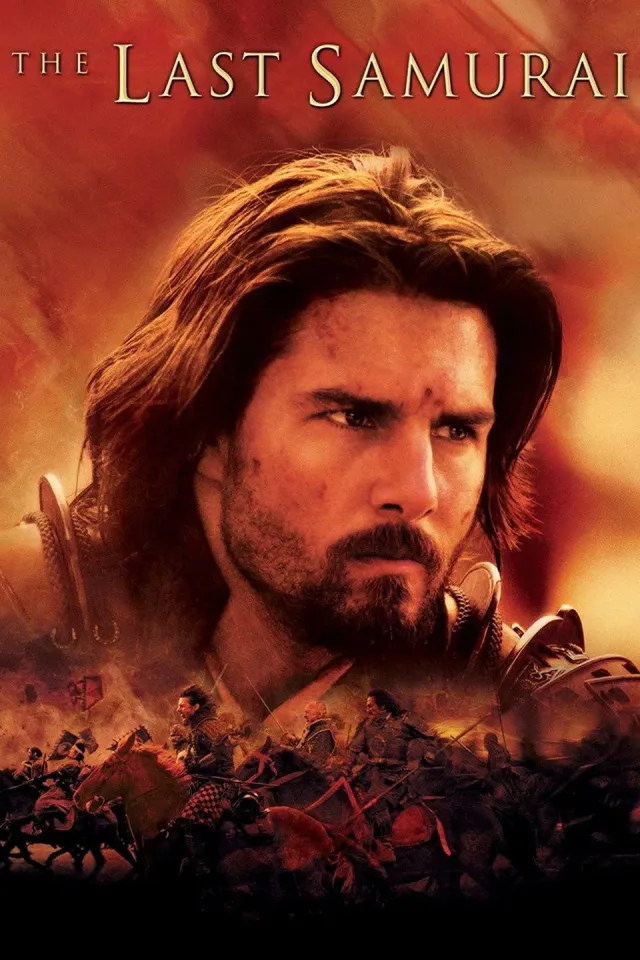
What changes The Outpost: base routines and patrols, attacks escalate, battle geography narrows options and collective defense climax. The Last Samurai: training and cultural adjustment and final battle.
Former U.S. Army captain Nathan Algren is hired to train Japan’s new imperial army, but its recruits are sent into battle before they are ready. Captured by samurai leader Katsumoto, Algren is taken to a village where he gradually learns the language and daily rhythms of the people he was sent to fight. His military past and his experiences in the village change how he understands the conflict, while Katsumoto challenges the government’s rapid modernization. When the imperial army prepares a final attack, Algren must decide where his loyalties lie. The film frames the rebellion through an American outsider’s transformation, making that perspective a major part of its appeal and its limits.
Based on recorded story, mood and style. Your preferences can change the order.
War and civilian life · Survival
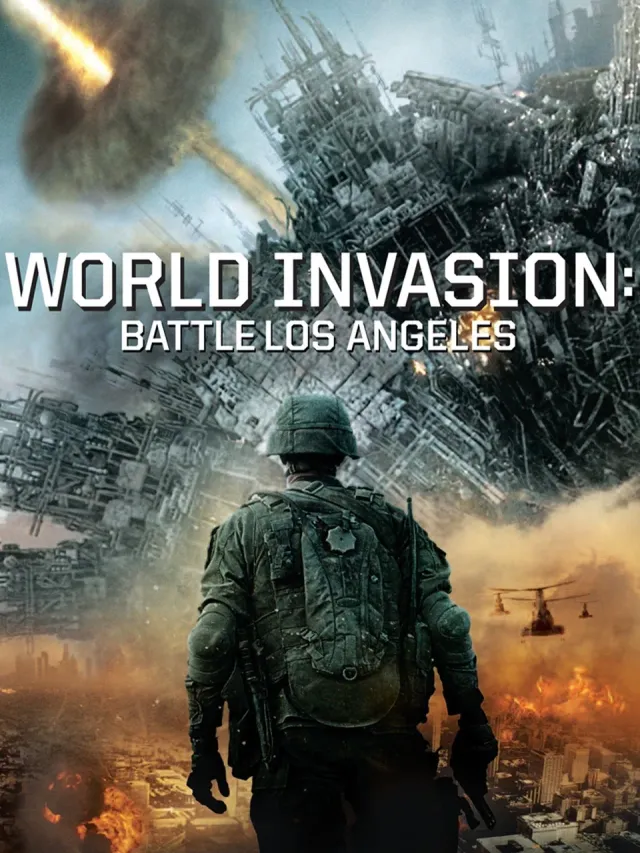
What changes The Outpost: base routines and patrols, attacks escalate, battle geography narrows options and collective defense climax. Battle: Los Angeles: continuous and combat-driven.
A veteran Marine staff sergeant leads a mixed group of soldiers and civilians through a city under alien attack. The mission begins as an evacuation and narrows into an attempt to reach trapped survivors while an apparently unstoppable enemy controls the streets. The film treats invasion as a ground-level military emergency, focusing on unit cohesion, civilian protection and exhausted people making decisions under fire.
Based on recorded story, mood and style. Your preferences can change the order.
War and civilian life
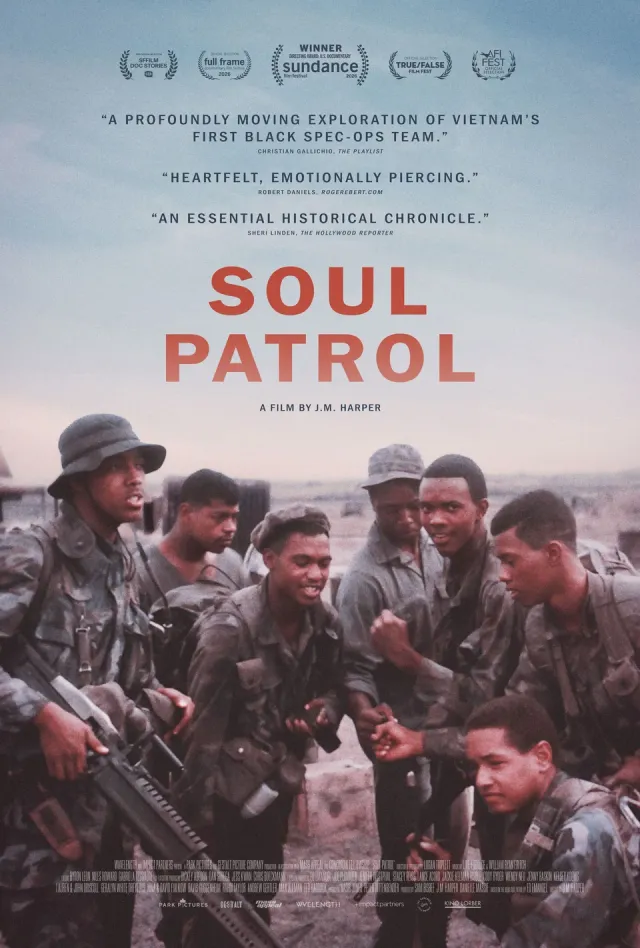
What changes The Outpost: base routines and patrols, attacks escalate, battle geography narrows options and collective defense climax. Soul Patrol: observational.
Surviving members of a pioneering Black special operations team revisit their service in Vietnam and its long aftermath. J.M. Harper brings their testimony together with photographs, recordings and personal film archives. The documentary considers the bond formed by dangerous missions alongside the contradiction of fighting for American freedom while facing racial inequality, making memory and life after combat as significant as battlefield history.
Based on recorded story, mood and style. Your preferences can change the order.
War and civilian life
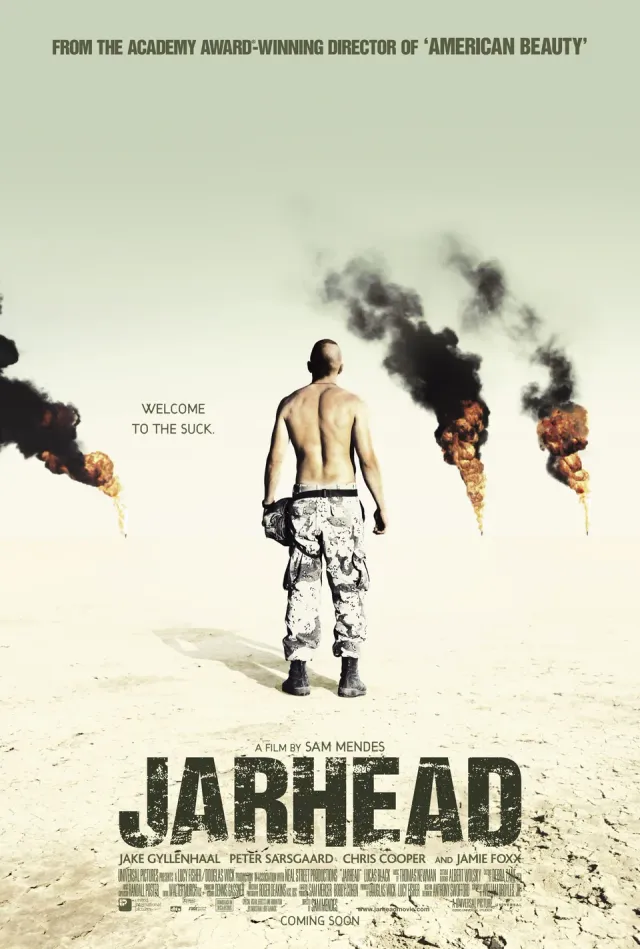
What changes The Outpost: base routines and patrols, attacks escalate, battle geography narrows options and collective defense climax. Jarhead: measured and intermittent surges.
A young Marine enlists during the Gulf War and trains for deployment, only to find that much of military life consists of waiting under severe physical and psychological pressure. The film follows his unit through preparation, boredom and sudden danger, focusing on what conflict does to identity when direct combat is intermittent. It is a war drama about routine, frustration and expectation.
Based on recorded story, mood and style. Your preferences can change the order.
War and civilian life · Survival
What changes The Outpost: base routines and patrols, attacks escalate, battle geography narrows options and collective defense climax. Hamburger Hill: attritional battle with periods of preparation.
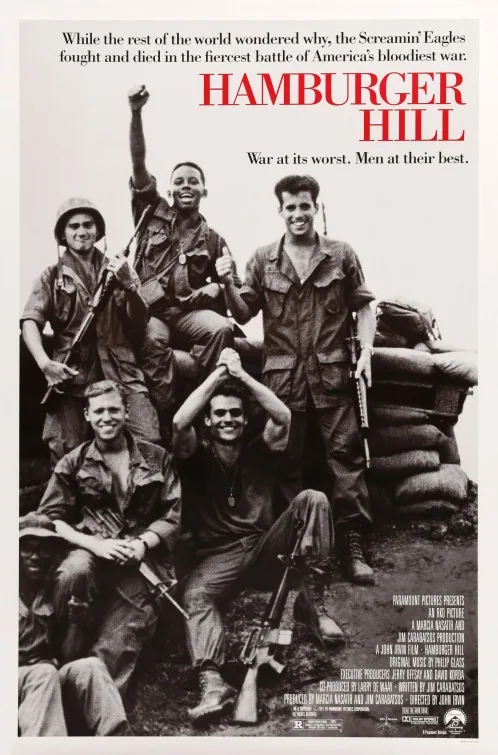
A platoon of American soldiers arrives in Vietnam in 1969 with inexperienced replacements and a battle-weary leadership. Their mission is to seize Hill 937, a steep and fortified position that becomes the focus of repeated assaults. The film follows the physical cost of attritional combat and the tensions among soldiers, including racial inequities, as the unit struggles to understand what its repeated sacrifices will accomplish.
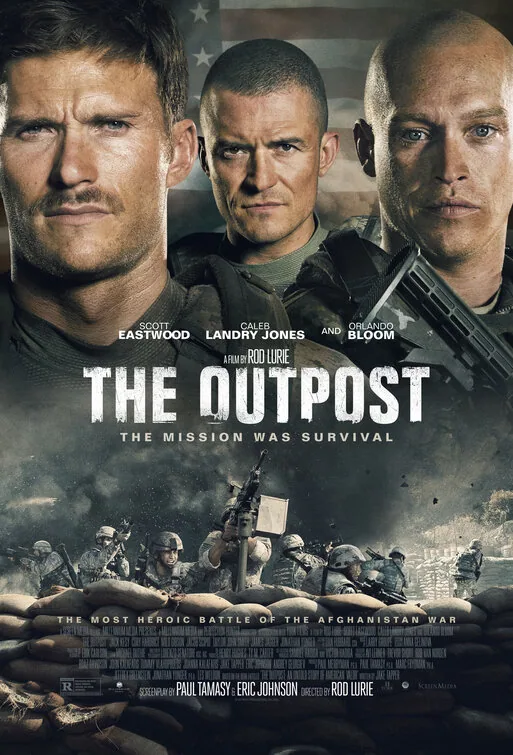
U.S. soldiers stationed at Combat Outpost Keating in Afghanistan face repeated attacks from Taliban fighters and the dangers of holding an exposed base in a remote mountain valley. Captain Keating and later Staff Sergeant Clint Romesha lead a unit whose daily routines, patrols, and relationships unfold under sustained pressure. When a major assault overwhelms the position, the soldiers must defend one another and find a way to survive. Rod Lurie’s war film adapts Jake Tapper’s account of the Battle of Kamdesh as an ensemble story of isolation, leadership, and combat duty.
What drives the story
A small U.S. unit holds an isolated Afghan outpost as repeated attacks culminate in a major battle for survival.
The people at its centre
Romesha and the other soldiers rely on practiced teamwork as leadership changes and the position becomes increasingly vulnerable.
What it feels like
The battle is shaped by the outpost’s remote mountain geography, which turns resupply, movement, and defense into constant problems.
Worth knowing
It centers the soldiers’ experience inside one exposed base during the Battle of Kamdesh, rather than following a broad campaign across Afghanistan.
camaraderiesurvivalleadership
Mood
gritty · immersive · tense · somber
Pacing
base routines and patrols · attacks escalate · battle geography narrows options · collective defense climax