Both share themes of survival, plus a tense and gritty atmosphere.
Why this matches +
Genres: Action / Drama
Shared film traits
Based on recorded story, mood and style. Your preferences can change the order.
Family and care
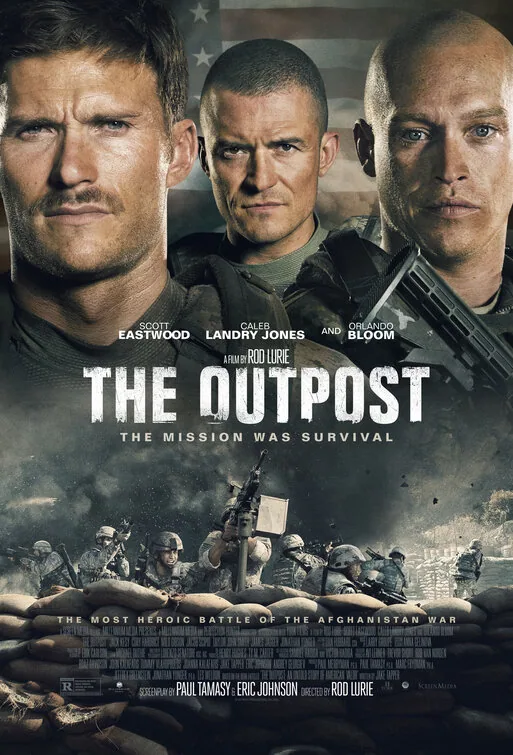
What changes Valiant One: propulsive, escalating and action-led. The Outpost: base routines and patrols, attacks escalate, battle geography narrows options and collective defense climax.
U.S. soldiers stationed at Combat Outpost Keating in Afghanistan face repeated attacks from Taliban fighters and the dangers of holding an exposed base in a remote mountain valley. Captain Keating and later Staff Sergeant Clint Romesha lead a unit whose daily routines, patrols, and relationships unfold under sustained pressure. When a major assault overwhelms the position, the soldiers must defend one another and find a way to survive. Rod Lurie’s war film adapts Jake Tapper’s account of the Battle of Kamdesh as an ensemble story of isolation, leadership, and combat duty.
Based on recorded story, mood and style. Your preferences can change the order.
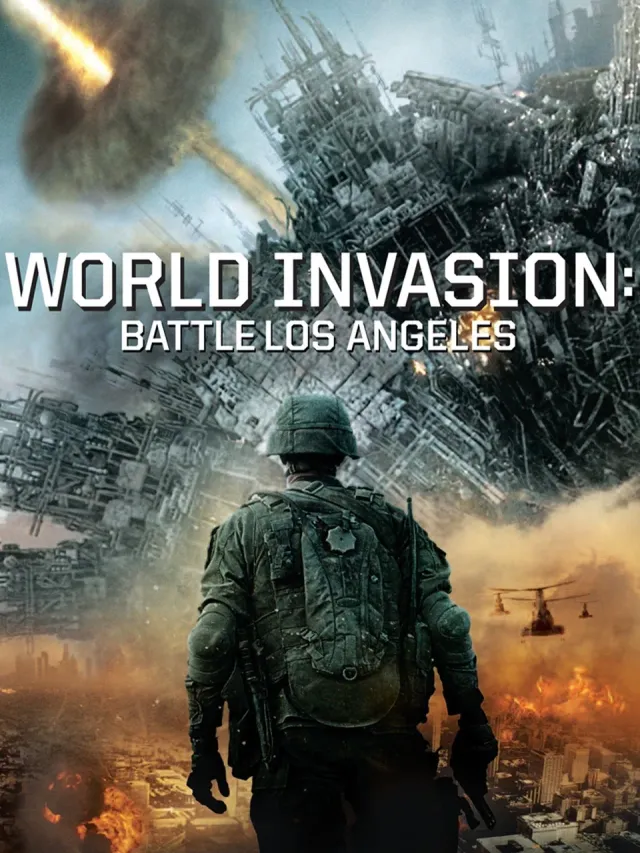
What changes Valiant One: propulsive, escalating and action-led. Battle: Los Angeles: continuous and combat-driven.
A veteran Marine staff sergeant leads a mixed group of soldiers and civilians through a city under alien attack. The mission begins as an evacuation and narrows into an attempt to reach trapped survivors while an apparently unstoppable enemy controls the streets. The film treats invasion as a ground-level military emergency, focusing on unit cohesion, civilian protection and exhausted people making decisions under fire.
Based on recorded story, mood and style. Your preferences can change the order.
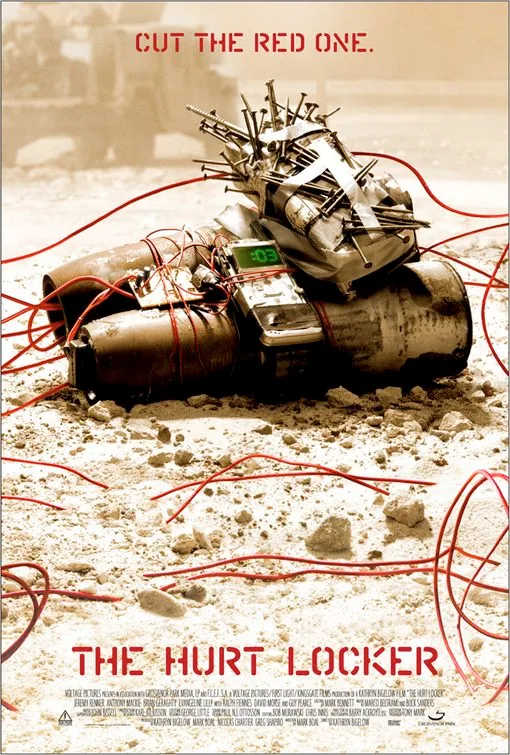
What changes Valiant One: propulsive, escalating and action-led. The Hurt Locker: intense.
A bomb-disposal team in Iraq receives a new leader whose technical ability comes with an appetite for risk that unsettles the men protecting him. Successive calls turn ordinary streets, vehicles and civilian encounters into uncertain threats, while each operation exposes a different limit in the team's trust. As their rotation nears its end, survival appears less difficult to imagine than a shared understanding of what returning to ordinary life would mean.
Based on recorded story, mood and style. Your preferences can change the order.
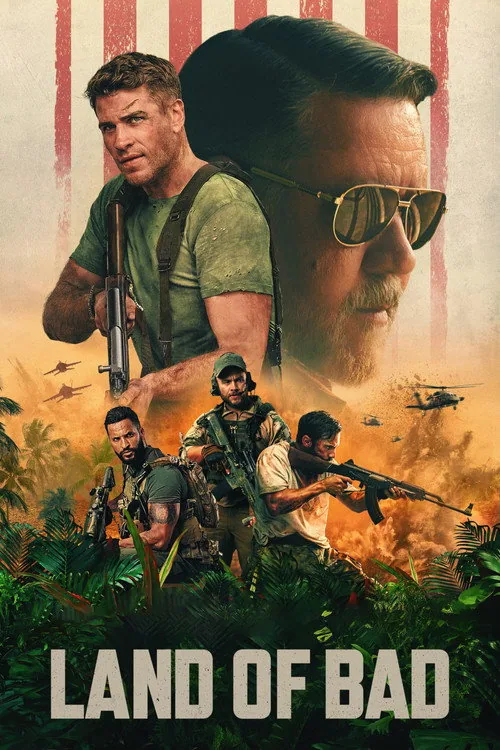
What changes Valiant One: propulsive, escalating and action-led. Land of Bad: ground-level pursuit, intercut command-room tension and action-heavy extraction.
A U.S. special operations team enters the southern Philippines to rescue an intelligence asset, but an ambush leaves young airman JJ Kinney isolated behind enemy lines. Air Force drone pilot Eddie Grimm, callsign Reaper, guides him toward extraction while coordinating remote air support with a small team at base. Their voices connect two very different kinds of combat, as Kinney must keep moving on the ground and Reaper faces bureaucratic and technical limits from thousands of miles away.
Based on recorded story, mood and style. Your preferences can change the order.
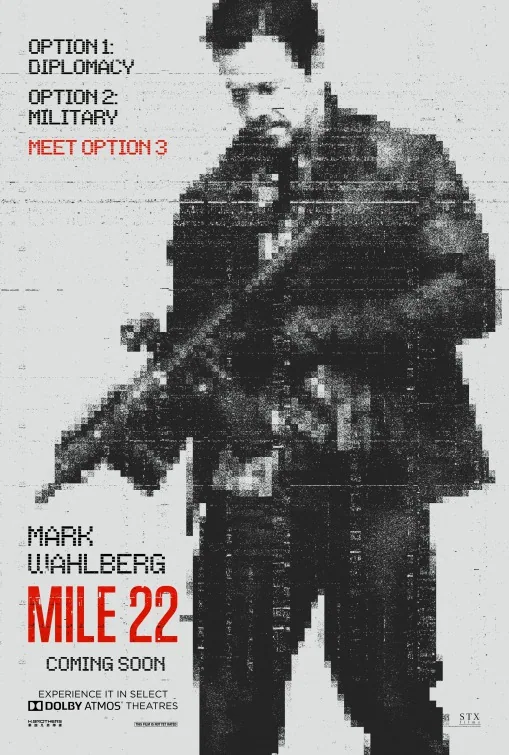
What changes Valiant One: propulsive, escalating and action-led. Mile 22: mission beats progress through rapid tactical reversals.
An elite CIA paramilitary unit must escort a source carrying sensitive intelligence from a hostile city to an extraction point. The mission becomes a race against armed forces and compromised information, with team leader James Silva making increasingly severe decisions. The action thriller emphasizes operational urgency, fragmented communication and the friction between field agents and distant authorities rather than an expansive account of the political conflict around them.
Both share themes of war and survival, plus a tense and urgent atmosphere.
Why this matches +
Genres: Action / Thriller
Shared film traits
Based on recorded story, mood and style. Your preferences can change the order.
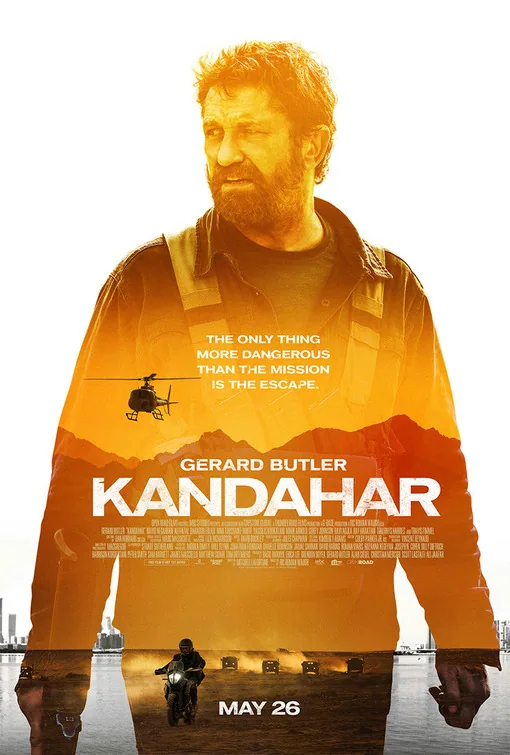
What changes Valiant One: propulsive, escalating and action-led. Kandahar: mission-driven, fast, pursuit-based and action-heavy.
CIA undercover operative Tom Harris completes a covert mission at an Iranian nuclear facility, but a journalist’s revelations expose his identity and make him a target. Stranded in Afghanistan, he must travel toward an extraction point with interpreter Mohammad “Mo” Doud, crossing territory contested by armed groups and intelligence services. Ric Roman Waugh’s action thriller frames the escape as a test of professional trust, political consequence and the bond between the two men.
Based on recorded story, mood and style. Your preferences can change the order.
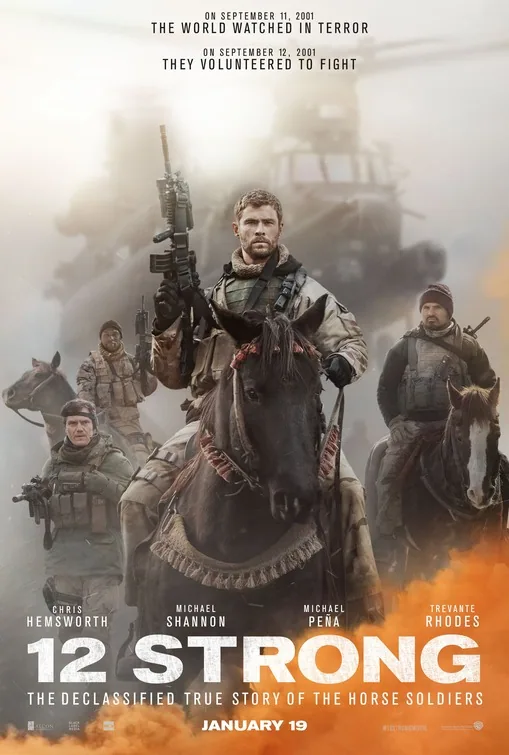
What changes Valiant One: propulsive, escalating and action-led. 12 Strong: mission-based escalation.
Following the September 11 attacks, a small U.S. Army Special Forces team deploys to Afghanistan and partners with local commander Abdul Rashid Dostum. The soldiers move across difficult terrain on horseback while trying to coordinate against Taliban forces and gain control of strategic locations. The war film frames the operation through unit discipline and alliance, while showing how unfamiliar tactics and trust shape a dangerous early mission.
Both share themes of teamwork, plus a tense atmosphere.
Why this matches +
Genres: Science Fiction / Action
Shared film traits
Based on recorded story, mood and style. Your preferences can change the order.
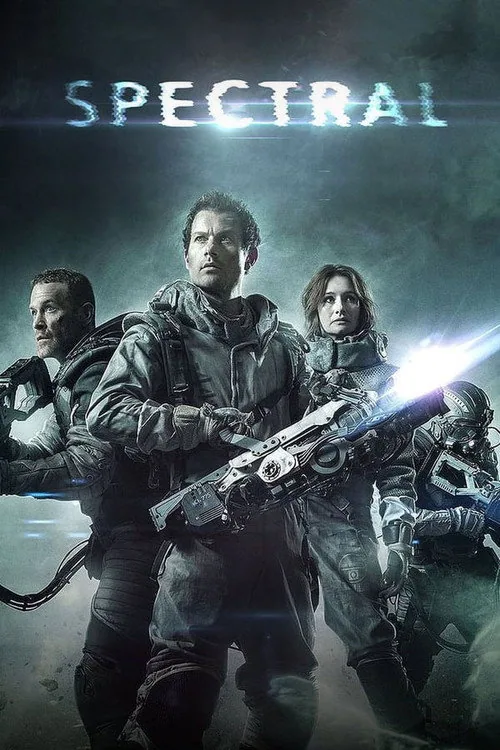
What changes Valiant One: propulsive, escalating and action-led. Spectral: mission-driven escalation and action-forward.
A scientist specializing in advanced imaging is sent to a war-torn Moldovan city after soldiers report encounters with an invisible force that kills on contact. Joining a special-operations unit, he studies the evidence and works with the team to find a way to confront the phenomenon before more civilians and troops are lost. Spectral mixes military science fiction with a haunted-house premise, emphasizing field investigation, engineered countermeasures, and squad survival as its characters move through a devastated urban landscape.
Based on recorded story, mood and style. Your preferences can change the order.
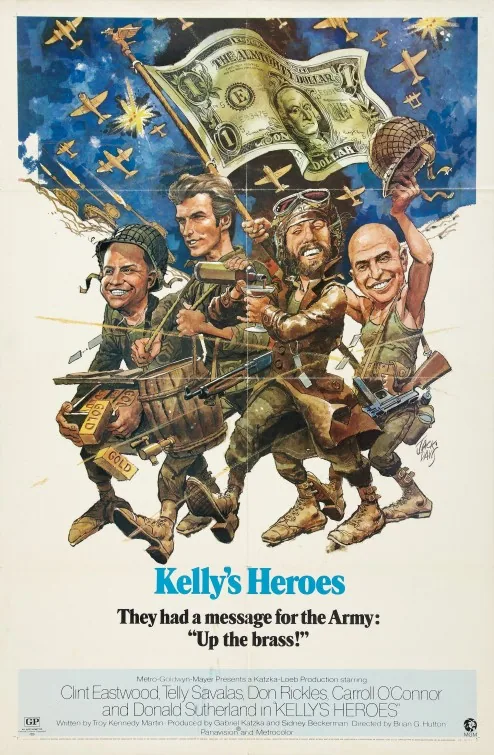
What changes Valiant One: propulsive, escalating and action-led. Kelly's Heroes: brisk and escalating.
An American soldier learns of gold held behind enemy lines and recruits men willing to use their military access for private profit. Planning requires supplies, armor and passage through a battlefield where even friendly forces can destroy the means of escape. As the operation expands, commanders misread its progress as exemplary aggression. The war caper turns dissatisfaction with official purpose into an opportunistic alternative, mixing anti-authoritarian humor with danger that cannot be entirely converted into a joke or a clean division of spoils.
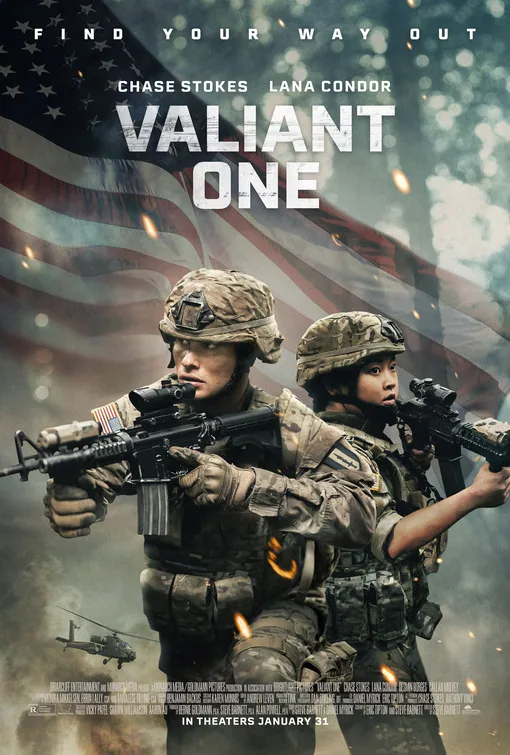
A U.S. Army unit is sent to evacuate civilians during a dangerous mission in a conflict zone. When a helicopter crash leaves soldiers and a civilian translator separated from support, the group must navigate hostile territory and decide whom they can trust. The action thriller centers on tactical survival and cooperation under pressure, following people whose training is tested by unfamiliar terrain and rapidly changing threats.
What drives the story
Soldiers and a translator try to reach safety after an extraction mission goes wrong.
The people at its centre
The unit's discipline is tested as soldiers and civilian allies negotiate competing risks.
What it feels like
Terrain and limited information keep the escape route uncertain and dangerous.
Worth knowing
The film emphasizes team survival and tactical action rather than a broad political overview of conflict.