An isolated posting becomes a process of reciprocal contact that eventually creates a direct conflict with the officer's original allegiance.
Why this matches +
Selected for the central appeal: An American soldier captured by samurai learns their way of life and reconsiders his loyalty to a modernizing army.
Genres: Drama / Adventure
Shared film traits
Based on recorded story, mood and style. Your preferences can change the order.
War and civilian life
What changes A soldier living among people he was sent to oppose develops new loyalties that conflict with the military institution he served.
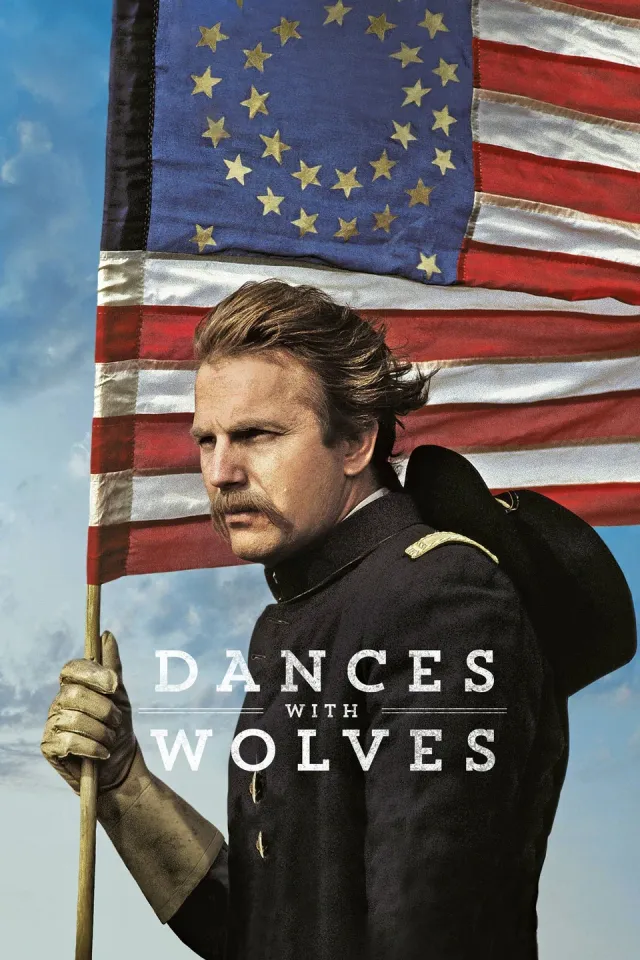
A Union officer posted to a remote frontier position begins contact with a nearby Lakota community and gradually learns to communicate beyond the assumptions of his original assignment. Hospitality, work and a developing attachment give him a place whose significance cannot be reduced to observation. The return of organised military authority makes his loyalties visible, forcing him to confront the violence carried by an institution he once served without imagining an alternative.
The tactical shift to a defense from caves and tunnels changes the battle from an open-front engagement into a prolonged survival problem. Letters provide a second structure, carrying home lives into a position where return is unlikely.
Why this matches +
These offer a related experience with a meaningful difference in story, tone, or presentation.
An adjacent discovery: a related idea with a different viewing experience.
Genres: War / Drama
Shared film traits
Based on recorded story, mood and style. Your preferences can change the order.
War and civilian life
What changes Japanese soldiers face overwhelming military force while personal loyalties and cultural expectations shape their response.
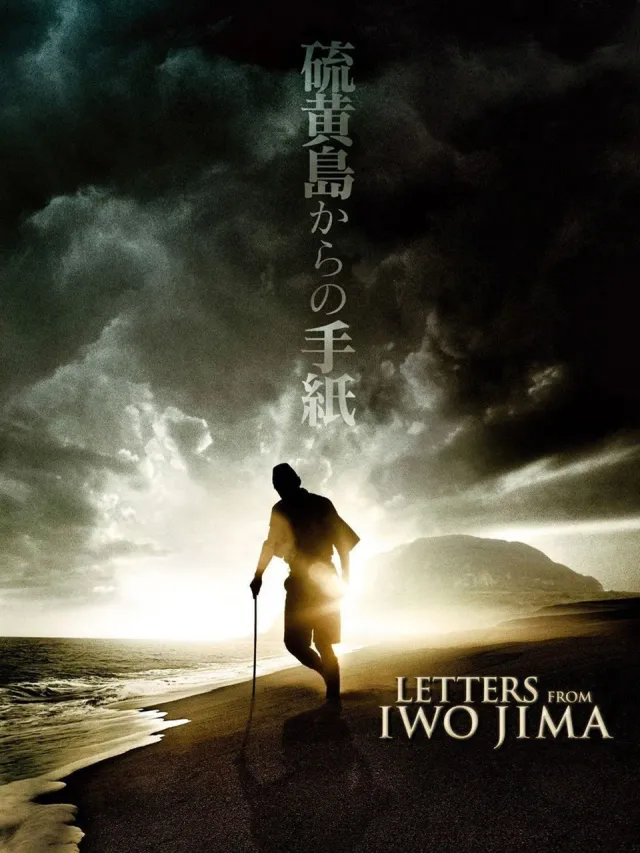
As U.S. forces approach Iwo Jima in 1945, Japanese soldiers prepare to defend an island they know they may not survive. Letters and flashbacks follow General Kuribayashi, Saigo the baker and other men whose motives range from duty and fear to attachment to families at home. Their human individuality complicates the language of national honor without making the film a full account of the Pacific War or Japanese imperial responsibility. Clint Eastwood’s Japanese-language companion to Flags of Our Fathers focuses on one selected military perspective; it does not stand for every Japanese soldier or civilian. The battle’s underground tunnels and fragmented correspondence turn defense into an intimate, enclosed ordeal, while the historical context remains larger than the film’s sympathetic frame.
A father's refusal to fight ends when state violence reaches his family; his irregular campaign then makes personal vengeance part of a wider war.
Why this matches +
These offer a related experience with a meaningful difference in story, tone, or presentation.
An adjacent discovery: a related idea with a different viewing experience.
Genres: Drama / Action
Shared film traits
Based on recorded story, mood and style. Your preferences can change the order.
War and civilian life
What changes A veteran drawn into a conflict must decide whether to fight alongside a community threatened by a powerful military force.
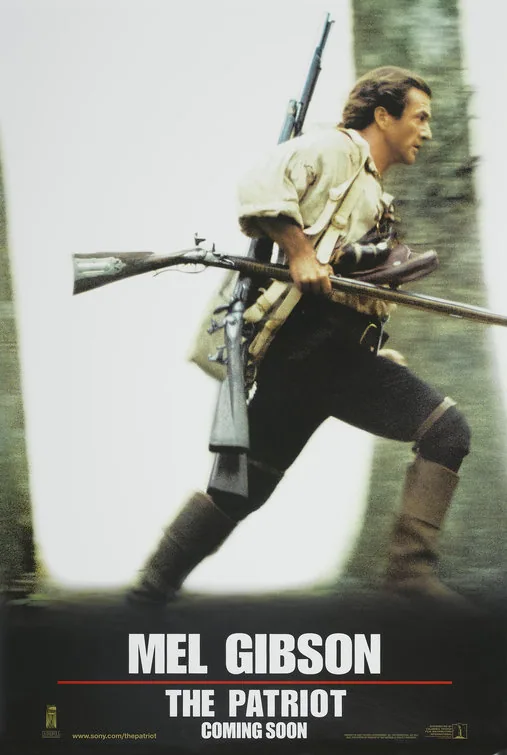
Widower and veteran Benjamin Martin opposes South Carolina’s entry into the Revolutionary War, but his son Gabriel joins the Continental Army. When British officer William Tavington kills another of Benjamin’s sons and burns the family home, Benjamin takes up arms and leads a militia in guerrilla attacks. The film presents him as having freed the enslaved Occam, yet largely removes plantation slavery from its view of South Carolina. It also uses a fictional church-burning massacre, modeled on a twentieth-century atrocity, to turn British troops into a singular villain. Gabriel returns to fight alongside his father, and family revenge becomes the engine of a campaign whose composite characters and altered events make it action melodrama rather than a measured history.
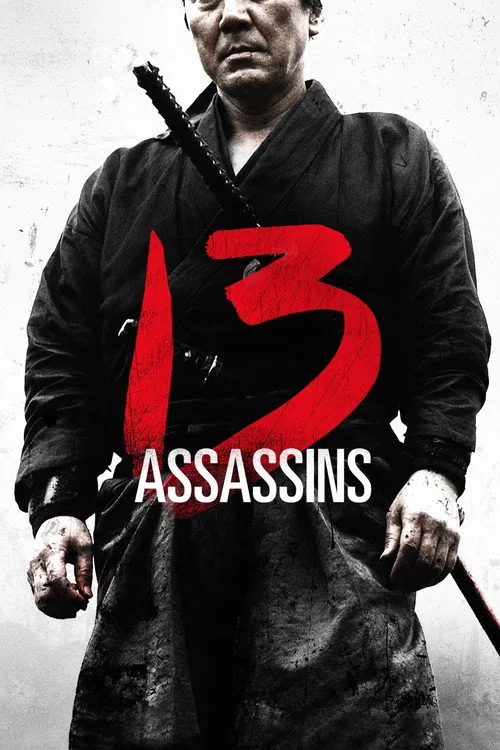
Shinzaemon gathers a small force and prepares a village ambush to prevent Naritsugu from gaining greater political power.
Why this matches +
These offer a related experience with a meaningful difference in story, tone, or presentation.
An adjacent discovery: a related idea with a different viewing experience.
Genres: Action / Drama
Shared film traits
Based on recorded story, mood and style. Your preferences can change the order.
War and civilian life
What changes A band of samurai confronts a powerful ruler, weighing loyalty, sacrifice and the violent consequences of political change.
In 1844, samurai Shinzaemon Shimada is asked to stop Lord Naritsugu, a cruel member of the ruling family whose appointment threatens the lives of many. Shinzaemon assembles twelve additional warriors and plans an ambush designed to trap Naritsugu’s much larger escort. Takashi Miike’s Japanese period action film follows the group’s preparation and final battle, using the mission to explore honor, political obligation, and the limits of a samurai code under a corrupt shogunate.
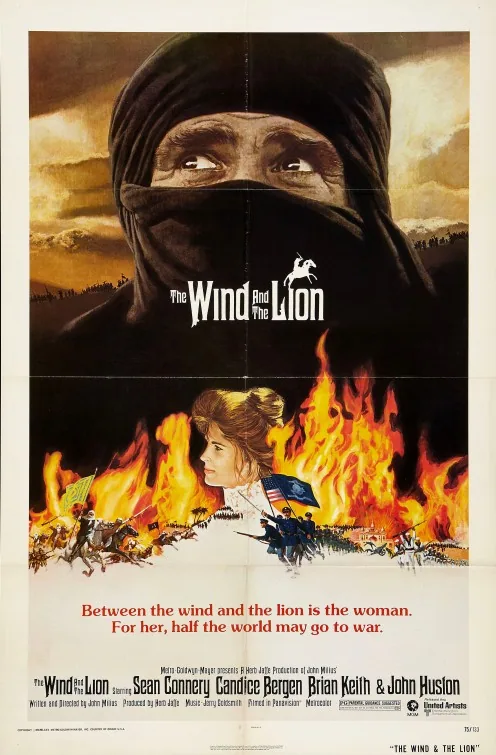
Raisuli’s kidnapping of Eden and her children becomes an international crisis, with Roosevelt using the event to demonstrate American power abroad.
Why this matches +
These offer a related experience with a meaningful difference in story, tone, or presentation.
An adjacent discovery: a related idea with a different viewing experience.
Genres: Adventure / Action
Shared film traits
Based on recorded story, mood and style. Your preferences can change the order.
War and civilian life
What changes An outsider's encounter with an unfamiliar culture exposes competing political interests and the tension between tradition and outside power.
In 1904 Morocco, Berber leader Raisuli kidnaps American Eden Pedecaris and her children, provoking a dispute among local rulers and foreign powers. In Washington, President Theodore Roosevelt turns the crisis into a test of national prestige while military ships move toward Tangier. The film follows the hostages, the negotiators and the politicians whose competing aims make a rescue inseparable from imperial theater.
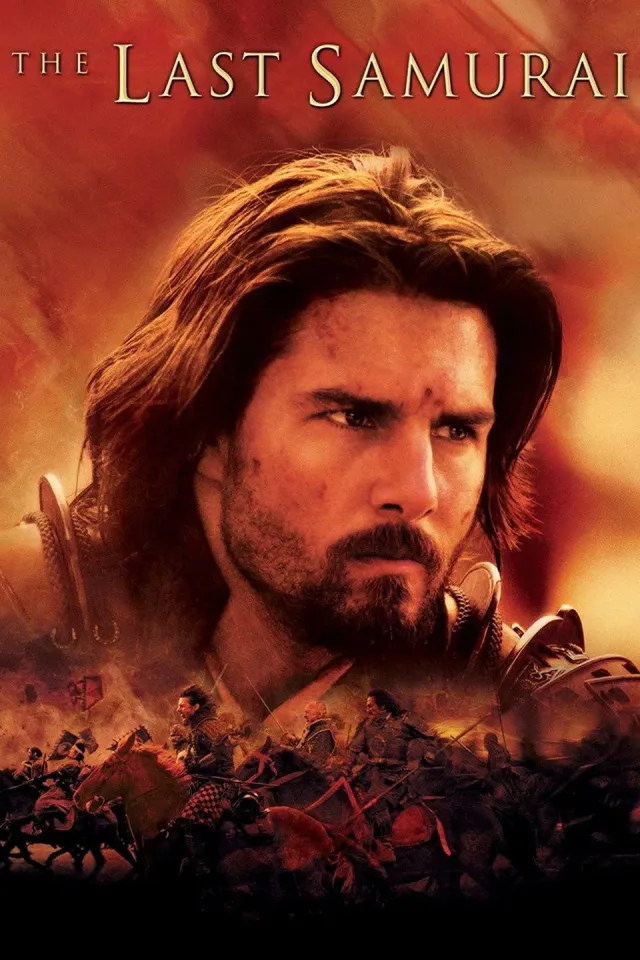
Former U.S. Army captain Nathan Algren is hired to train Japan’s new imperial army, but its recruits are sent into battle before they are ready. Captured by samurai leader Katsumoto, Algren is taken to a village where he gradually learns the language and daily rhythms of the people he was sent to fight. His military past and his experiences in the village change how he understands the conflict, while Katsumoto challenges the government’s rapid modernization. When the imperial army prepares a final attack, Algren must decide where his loyalties lie. The film frames the rebellion through an American outsider’s transformation, making that perspective a major part of its appeal and its limits.
What drives the story
Capture gives Algren time to understand the people he was hired to defeat; his shift in allegiance leads into a final battle over modernization and power.
The people at its centre
Algren’s guilt and outsider status shape his growing attachment to Katsumoto’s community. Katsumoto seeks to preserve a way of life while recognizing that political change cannot simply be reversed.
What it feels like
A polished historical action drama combines training scenes, village life and large battle sequences, with an emotional arc centered on the foreign soldier’s change of heart.
Worth knowing
A fit for martial-arts-adjacent historical epics and outsider-transformation stories. The samurai and political conflict are heavily fictionalized, and the central American viewpoint needs a fuller cultural and historical review.
HonorModernizationBelonging
Mood
Epic · Reflective · Combative
Pacing
Training and cultural adjustment · Final battle
Visual style
Expansive landscapes · Large battle sequences
Storytelling
American veteran captured · Samurai rebellion · Imperial army conflict