Explore films connected to The Wind and the Lion through Empire, Political theater, Power. Choose the qualities you want to carry into your next watch.
What should feel similar?
Find your next favourite
9 films · Closest overall matches
Hide films you’ve seen or don’t want. Saved on this device.
No matches for this combination yet.
Try another option or reset your choices to see more films.
Based on recorded story, mood and style. Your preferences can change the order.
War and civilian life
What changes The Wind and the Lion: expansive, steady and building. Rules of Engagement: measured and investigation-led.
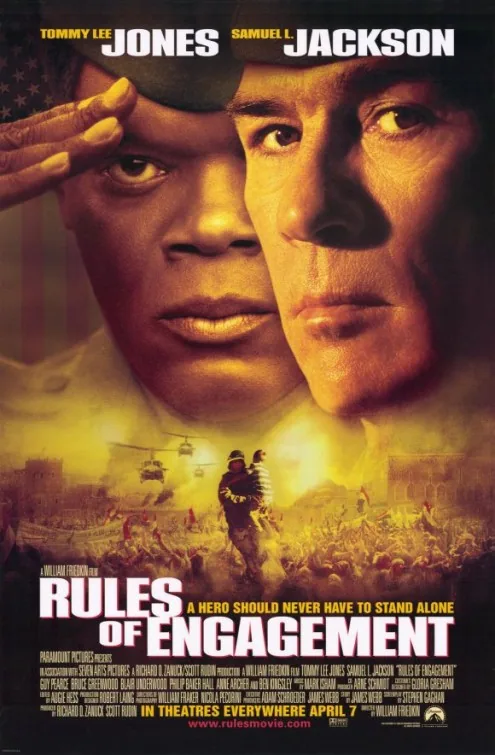
After a U.S. military operation in Yemen leaves civilians dead, decorated officer Terry Childers is charged with violating the rules governing the mission. He asks his longtime friend, lawyer Hays Hodges, to defend him, and the case turns on what can be established from chaotic events and testimony shaped by command structures. The drama weighs military duty, legal accountability and the difficulty of judging decisions made under immediate threat.
Based on recorded story, mood and style. Your preferences can change the order.
War and civilian life · Political resistance
What changes The Wind and the Lion: expansive, steady and building. Lawrence of Arabia: epic and measured.
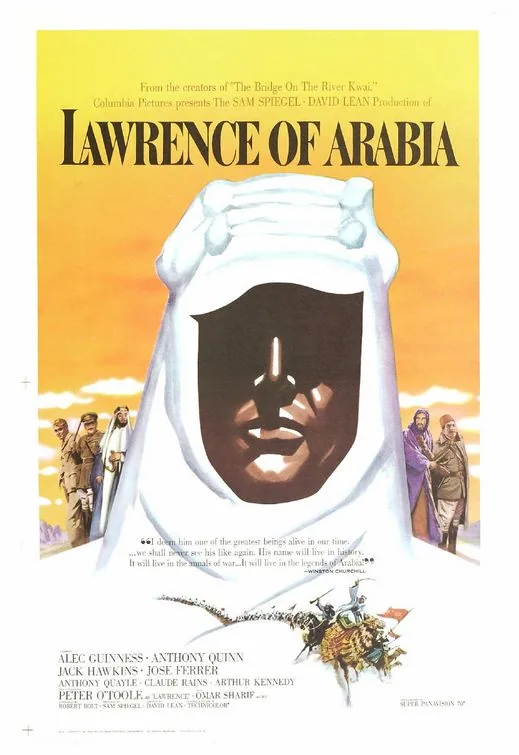
A British officer posted to the Middle East during the First World War joins Arab forces opposing Ottoman rule and becomes a celebrated figure in their campaign. His identification with the desert and hunger for extraordinary achievement grow entangled with competing local aims and British strategic interests. Victories intensify rather than resolve questions about violence, self-invention and who is permitted to claim ownership of a liberation struggle.
Both share an adventurous and reflective atmosphere.
Why this matches +
Genres: Adventure / Action
Shared film traits
Based on recorded story, mood and style. Your preferences can change the order.
What changes The Wind and the Lion: expansive, steady and building. Indiana Jones and the Kingdom of the Crystal Skull: fast and escalating.
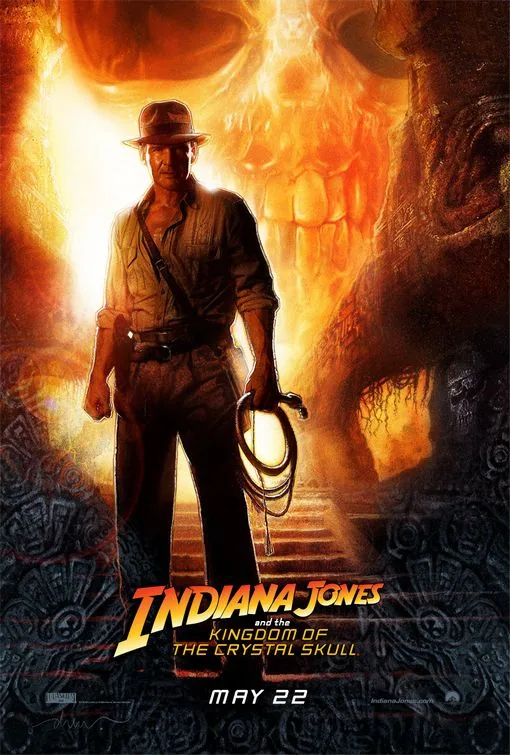
A Cold War abduction draws an archaeologist toward an object that Soviet agents believe could provide power over human minds. A younger man's request for help reconnects him with missing colleagues and an old partner, turning the search into an unexpected family reunion. Deciphering a trail through Peru requires distinguishing assistance from repeated betrayal. The serial adventure relocates the familiar antiquities race into a period of nuclear anxiety and speculative otherworldly contact, with knowledge pursued both as understanding and as an instrument of domination.
Based on recorded story, mood and style. Your preferences can change the order.
War and civilian life
Expect somber and defiant, with steady and escalating pacing.
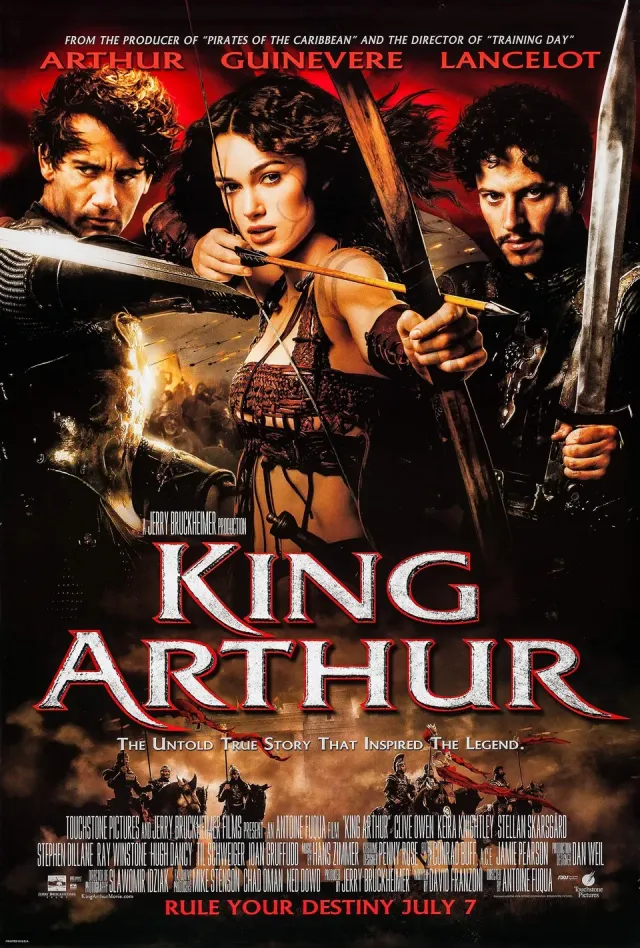
Soldiers who have completed years of service to Rome are ordered into one final evacuation beyond a frontier wall. The people they find expose cruelty inside the civilization whose legitimacy their commander has defended. Escorting refugees through an advancing invasion changes the meaning of freedom, because formal discharge no longer settles whom he believes he must protect. The revisionist adventure gives an Arthurian group a military-withdrawal story, turning allegiance toward a vulnerable local future rather than the distant authority promising reward.
Based on recorded story, mood and style. Your preferences can change the order.
War and civilian life · Political resistance
What changes The Wind and the Lion: expansive, steady and building. Red Dawn: action escalation through resistance operations.
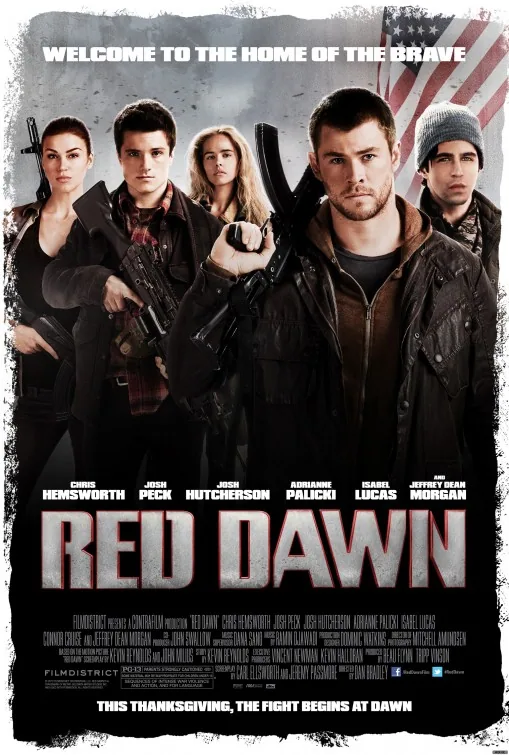
When a coordinated invasion strikes Spokane, Marine Jed Eckert and a group of young people escape into the surrounding wilderness. They organize resistance while trying to protect family members and learn how to operate as an irregular unit. The remake updates the original’s invasion premise into a contemporary action film about occupation, local identity and the difficult transition from frightened civilians to a fighting community.
Based on recorded story, mood and style. Your preferences can change the order.
War and civilian life
What changes The Wind and the Lion: expansive, steady and building. The Last Samurai: training and cultural adjustment and final battle.
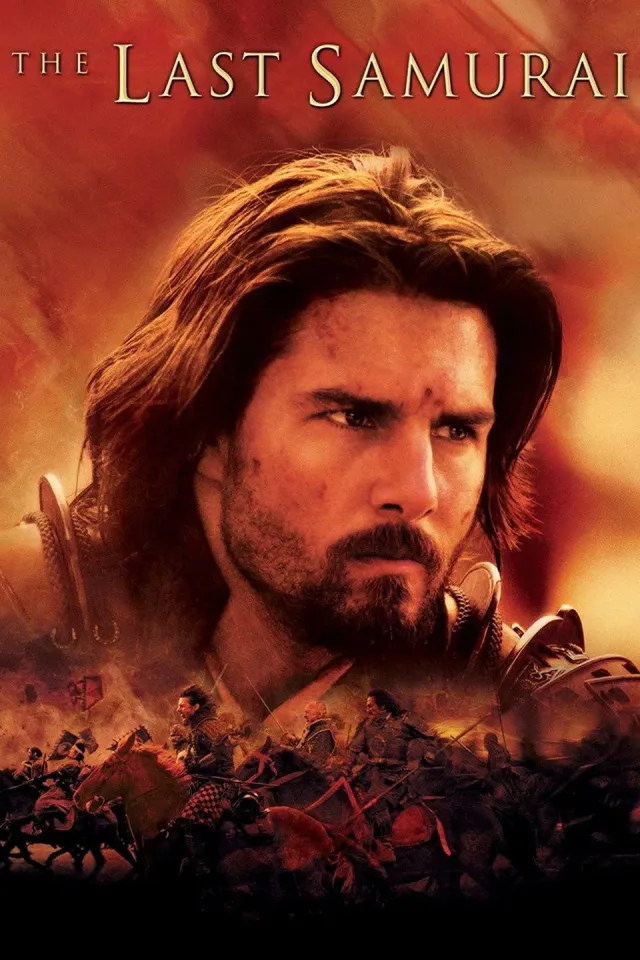
Former U.S. Army captain Nathan Algren is hired to train Japan’s new imperial army, but its recruits are sent into battle before they are ready. Captured by samurai leader Katsumoto, Algren is taken to a village where he gradually learns the language and daily rhythms of the people he was sent to fight. His military past and his experiences in the village change how he understands the conflict, while Katsumoto challenges the government’s rapid modernization. When the imperial army prepares a final attack, Algren must decide where his loyalties lie. The film frames the rebellion through an American outsider’s transformation, making that perspective a major part of its appeal and its limits.
Based on recorded story, mood and style. Your preferences can change the order.
War and civilian life · Political resistance
What changes The Wind and the Lion: expansive, steady and building. Underground: multi-decade and episodic shifts.
In occupied Belgrade during World War II, Marko hides his friend Blacky and others in an underground cellar where they make weapons for the resistance. Marko continues profiting from the arrangement long after the war has ended, telling those below that the conflict is still ongoing and keeping Blacky away from the actress Natalija they both love. The deception stretches across decades as political reality changes above ground and the cellar’s inhabitants build a distorted version of the world from scraps of information. When they finally emerge, they find a country whose history has not resolved into peace. Emir Kusturica’s film mixes slapstick, music, melodrama and historical allegory, presenting individual betrayal as one thread in a much wider, unstable account of Yugoslavia.
Based on recorded story, mood and style. Your preferences can change the order.
War and civilian life · Political resistance
What changes The Wind and the Lion: expansive, steady and building. The Wild Geese: mission-driven, escalating and combat-focused.
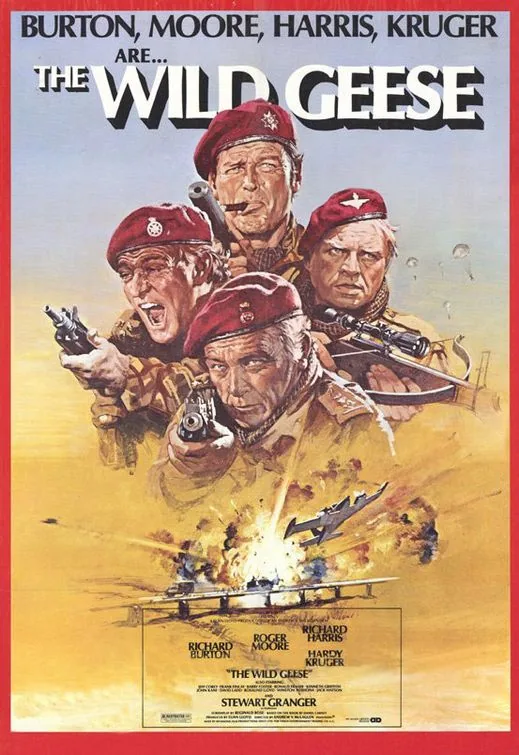
Mercenary officer Allen Faulkner is hired by a financier to rescue Julius Limbani, a deposed African president held in a guarded prison. Faulkner recruits former soldiers and specialists, including tactician Rafer Janders and pilot Shawn Fynn, and trains them for the operation. The mission succeeds, but the group soon learns that their employer has changed his political plans and may leave them stranded. The men must decide whether to complete the rescue and find a way out while facing betrayal, shifting loyalties, and overwhelming military opposition.
Based on recorded story, mood and style. Your preferences can change the order.
War and civilian life · Political resistance
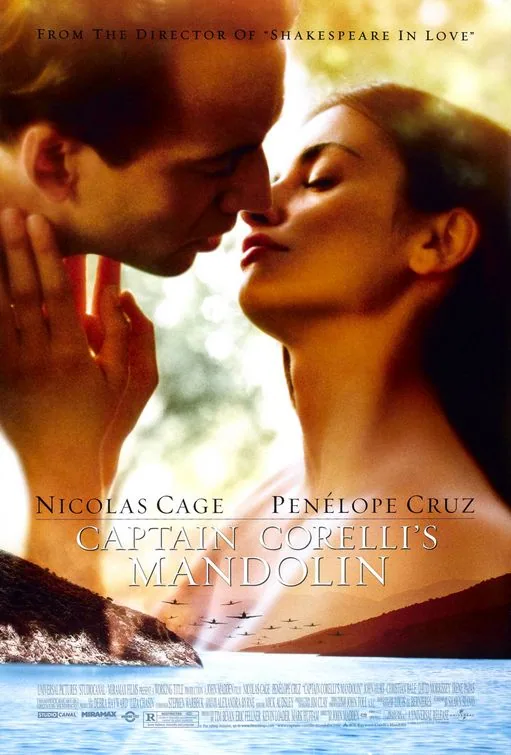
What changes The Wind and the Lion: expansive, steady and building. Captain Corelli's Mandolin: measured and melodramatic build.
On the Greek island of Cephalonia during the Second World War, a local woman and an Italian officer form a bond while occupying forces and shifting allegiances alter the lives around them. Their romance unfolds against military pressure, resistance and the eventual devastation of wartime events. The film balances intimate choices with a broad historical canvas, asking how affection survives when political loyalties become dangerous.
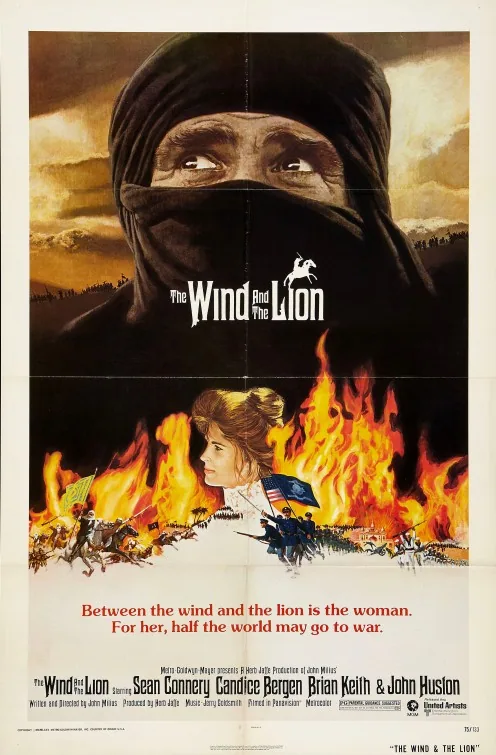
In 1904 Morocco, Berber leader Raisuli kidnaps American Eden Pedecaris and her children, provoking a dispute among local rulers and foreign powers. In Washington, President Theodore Roosevelt turns the crisis into a test of national prestige while military ships move toward Tangier. The film follows the hostages, the negotiators and the politicians whose competing aims make a rescue inseparable from imperial theater.
What drives the story
Raisuli’s kidnapping of Eden and her children becomes an international crisis, with Roosevelt using the event to demonstrate American power abroad.
The people at its centre
Eden and Raisuli develop a wary respect under pressure, while Roosevelt’s public bravado differs from the caution of his diplomatic advisers.
What it feels like
Large-scale action and desert landscapes give the story an adventurous sweep, balanced by scenes of negotiation and political calculation.
Worth knowing
Rather than a simple rescue tale, it treats power as performance and gives the captor, hostage and president distinct motives within an imperial conflict.
EmpirePolitical theaterPower
Mood
Adventurous · Rousing · Reflective
Pacing
Expansive · Steady · Building
Visual style
Expansive · Period detail · Desert landscapes
Storytelling
Kidnapping · International crisis · Historical adventure · Conflicting loyalties