An imperial transfer of control conceals a trap that pushes an aristocratic survivor towards a colonised population and a dangerous political identity.
Why this matches +
These offer a related experience with a meaningful difference in story, tone, or presentation.
An adjacent discovery: a related idea with a different viewing experience.
Genres: Science fiction / Adventure
Shared film traits
Based on recorded story, mood and style. Your preferences can change the order.
Political resistance
What changes An outsider becomes involved in a desert people's struggle, with leadership, cultural identification and imperial power entangled.
A young heir accompanies his powerful family to a desert planet whose scarce resource sustains an interstellar order. Their apparent promotion places them inside a struggle among imperial power, rival houses and a population living under extractive rule. Betrayal forces the heir and his mother into the desert, where inherited political ambitions intersect with religious expectations and a local society whose purposes cannot be reduced to rescuing displaced aristocrats.
An isolated posting becomes a process of reciprocal contact that eventually creates a direct conflict with the officer's original allegiance.
Why this matches +
These offer a related experience with a meaningful difference in story, tone, or presentation.
An adjacent discovery: a related idea with a different viewing experience.
Genres: Drama / Adventure
Shared film traits
Based on recorded story, mood and style. Your preferences can change the order.
War and civilian life
What changes A soldier grows close to a community outside his own culture while military expansion threatens its autonomy.
A Union officer posted to a remote frontier position begins contact with a nearby Lakota community and gradually learns to communicate beyond the assumptions of his original assignment. Hospitality, work and a developing attachment give him a place whose significance cannot be reduced to observation. The return of organised military authority makes his loyalties visible, forcing him to confront the violence carried by an institution he once served without imagining an alternative.
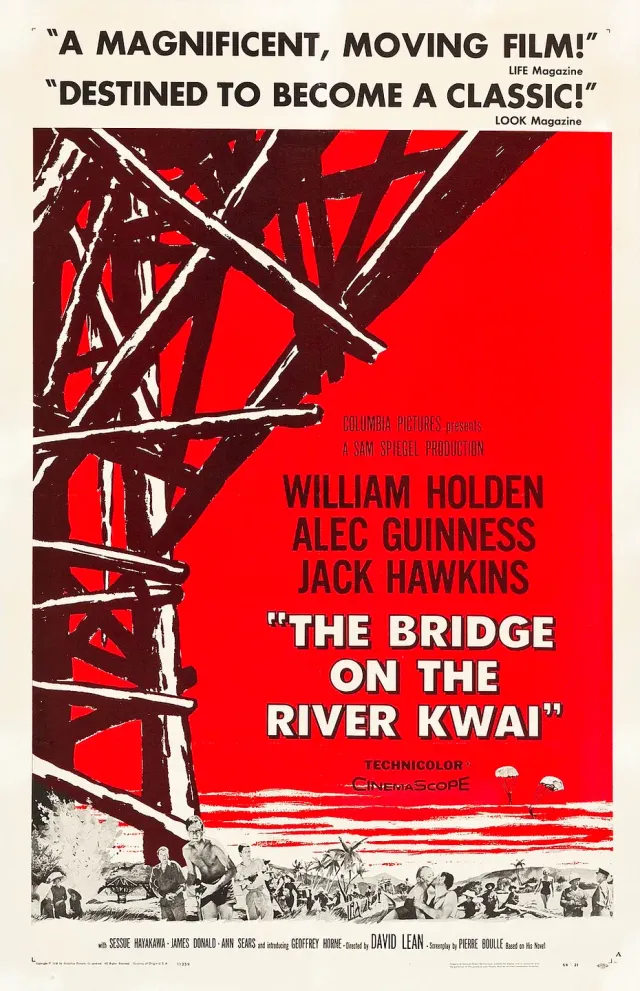
A prisoner's defence of military standards becomes identification with an enemy project that an allied sabotage team is trying to destroy.
Why this matches +
These offer a related experience with a meaningful difference in story, tone, or presentation.
An adjacent discovery: a related idea with a different viewing experience.
Genres: Drama / War
Shared film traits
Based on recorded story, mood and style. Your preferences can change the order.
Both directed by David Lean.
War and civilian life
What changes A British officer's fixation on military identity and achievement becomes morally complicated in a wartime setting.
British prisoners in a Japanese camp are ordered to construct a railway bridge serving the enemy's war effort. Their commanding officer first resists the commandant on matters of principle, then begins treating an efficiently built bridge as proof of his men's discipline and dignity. Meanwhile, a separate mission seeks to destroy the same structure, turning professional pride and military duty into forces capable of working against their supposed purpose.
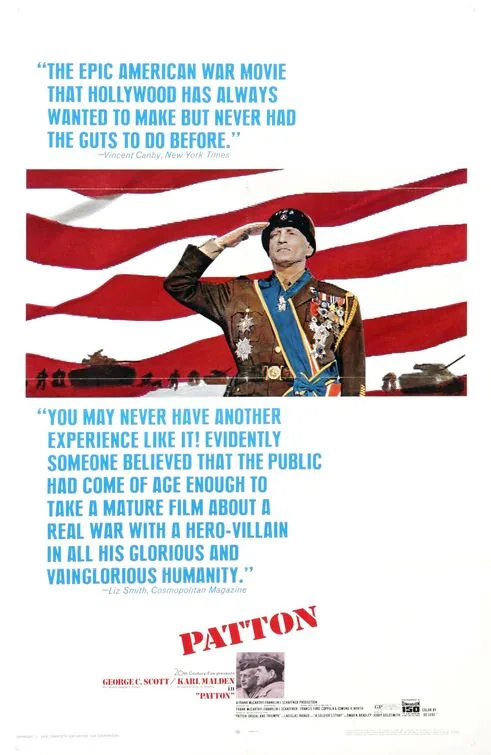
The film’s campaign episodes turn Patton’s appetite for decisive action into both an operational advantage and a recurring political liability.
Why this matches +
These offer a related experience with a meaningful difference in story, tone, or presentation.
An adjacent discovery: a related idea with a different viewing experience.
Genres: War / Biography
Shared film traits
Based on recorded story, mood and style. Your preferences can change the order.
War and civilian life
What changes A celebrated wartime commander pursues extraordinary achievement while personal ambition and military politics complicate his public image.
After the American defeat at Kasserine Pass, General George S. Patton takes command of the II Corps and imposes demanding discipline. His rivalry with British General Bernard Montgomery sharpens during the campaign in Sicily, where Patton pushes for a more ambitious advance. Two historical incidents in which he struck hospitalized soldiers there trigger a reprimand and temporarily sideline him; the film compresses that scandal into its own dramatic portrait. Later, his command of the Third Army brings rapid victories across France, but his public remarks and political conduct repeatedly threaten his position. The film follows his military drive alongside his pride, theatrical self-image and belief that battle is the route to lasting glory.
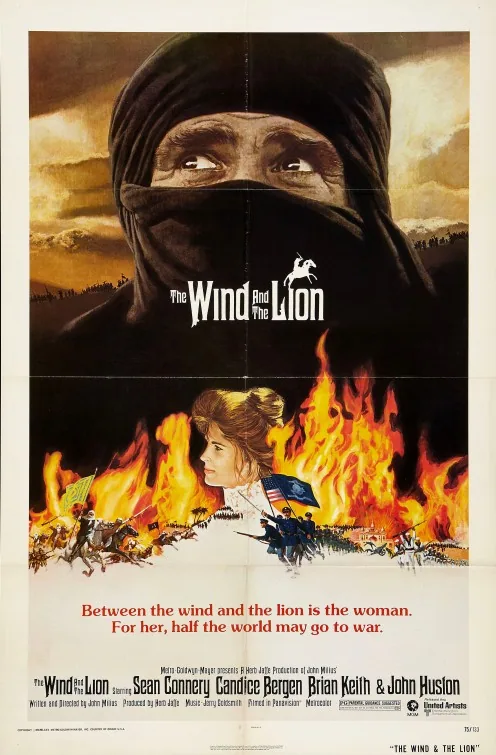
Raisuli’s kidnapping of Eden and her children becomes an international crisis, with Roosevelt using the event to demonstrate American power abroad.
Why this matches +
These offer a related experience with a meaningful difference in story, tone, or presentation.
An adjacent discovery: a related idea with a different viewing experience.
Genres: Adventure / Action
Shared film traits
Based on recorded story, mood and style. Your preferences can change the order.
Political resistance · War and civilian life
What changes An encounter between Western powers and a North African leader exposes competing political aims, romanticized identity and imperial influence.
In 1904 Morocco, Berber leader Raisuli kidnaps American Eden Pedecaris and her children, provoking a dispute among local rulers and foreign powers. In Washington, President Theodore Roosevelt turns the crisis into a test of national prestige while military ships move toward Tangier. The film follows the hostages, the negotiators and the politicians whose competing aims make a rescue inseparable from imperial theater.
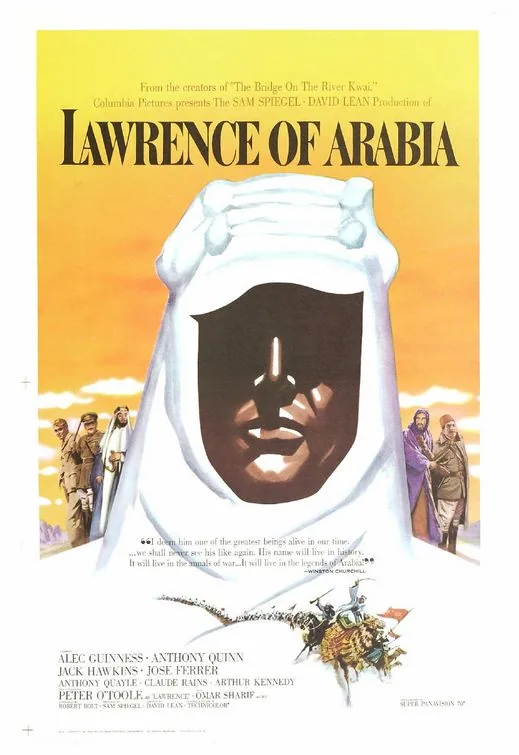
A British officer posted to the Middle East during the First World War joins Arab forces opposing Ottoman rule and becomes a celebrated figure in their campaign. His identification with the desert and hunger for extraordinary achievement grow entangled with competing local aims and British strategic interests. Victories intensify rather than resolve questions about violence, self-invention and who is permitted to claim ownership of a liberation struggle.
What drives the story
A liaison officer's military success magnifies the conflict between personal myth, a coalition's autonomy and the empire employing him.
The people at its centre
A charismatic outsider depends on Arab allies whose political interests exceed the heroic identity he builds around their shared campaign.
What it feels like
Monumental landscapes and long campaign movements combine epic scale with psychological ambiguity and disturbing encounters with violence.
Worth knowing
Its spectacle is inseparable from imperial politics and unstable self-mythology, not simply an adventurous biography of an unqualified hero.