Capture gives Algren time to understand the people he was hired to defeat; his shift in allegiance leads into a final battle over modernization and power.
Why this matches +
Selected for the central appeal: A frontier soldier forms ties with a Lakota community and confronts the violence of his former institution.
Genres: Drama / Action
Shared film traits
Based on recorded story, mood and style. Your preferences can change the order.
War and civilian life
What changes A soldier living among a community initially unfamiliar to him develops loyalties that conflict with the military power he once served.
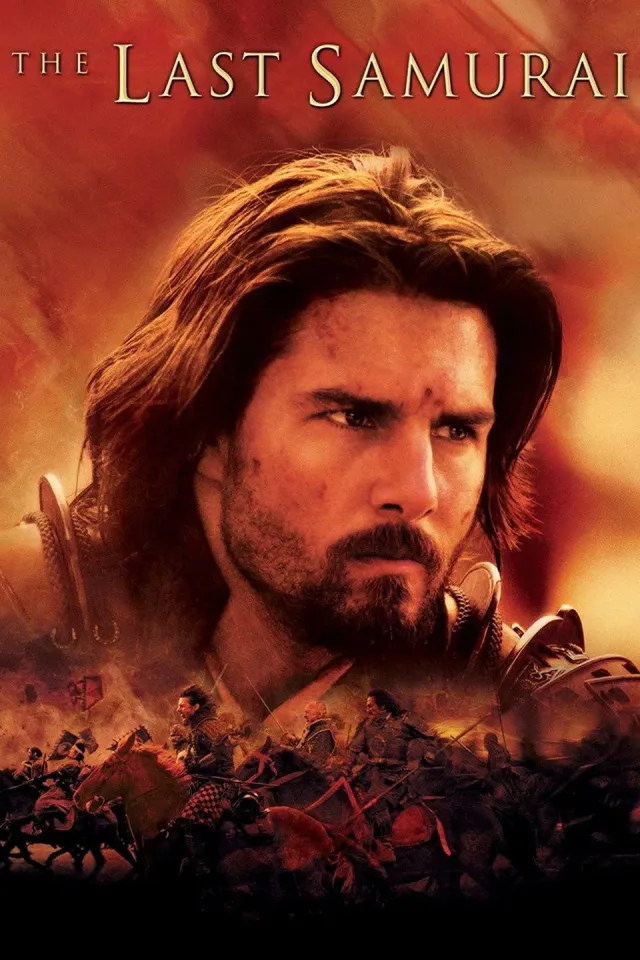
Former U.S. Army captain Nathan Algren is hired to train Japan’s new imperial army, but its recruits are sent into battle before they are ready. Captured by samurai leader Katsumoto, Algren is taken to a village where he gradually learns the language and daily rhythms of the people he was sent to fight. His military past and his experiences in the village change how he understands the conflict, while Katsumoto challenges the government’s rapid modernization. When the imperial army prepares a final attack, Algren must decide where his loyalties lie. The film frames the rebellion through an American outsider’s transformation, making that perspective a major part of its appeal and its limits.
A liaison officer's military success magnifies the conflict between personal myth, a coalition's autonomy and the empire employing him.
Why this matches +
These offer a related experience with a meaningful difference in story, tone, or presentation.
An adjacent discovery: a related idea with a different viewing experience.
Genres: Drama / Adventure
Shared film traits
Based on recorded story, mood and style. Your preferences can change the order.
War and civilian life
What changes An outsider joins a community resisting an empire and discovers that cultural attachment complicates his original military role.
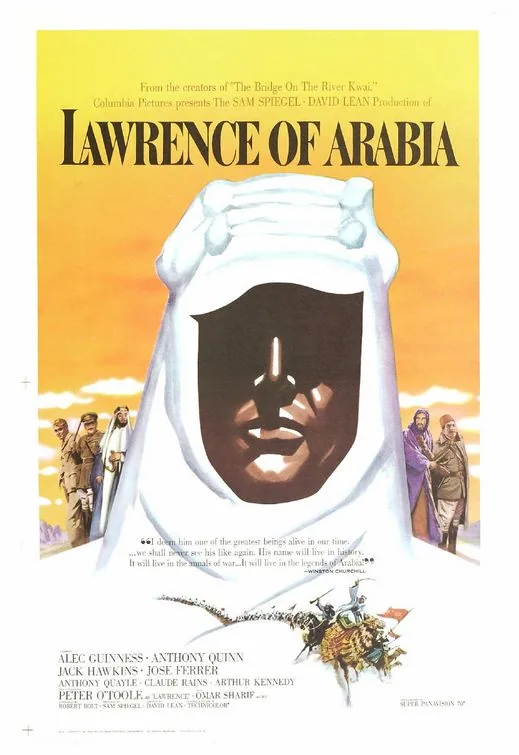
A British officer posted to the Middle East during the First World War joins Arab forces opposing Ottoman rule and becomes a celebrated figure in their campaign. His identification with the desert and hunger for extraordinary achievement grow entangled with competing local aims and British strategic interests. Victories intensify rather than resolve questions about violence, self-invention and who is permitted to claim ownership of a liberation struggle.
The escort order places former enemies in the same exposed journey where survival depends on cooperation.
Why this matches +
These offer a related experience with a meaningful difference in story, tone, or presentation.
An adjacent discovery: a related idea with a different viewing experience.
Genres: Drama / Western
Shared film traits
Based on recorded story, mood and style. Your preferences can change the order.
War and civilian life
What changes A frontier soldier's difficult encounters with Indigenous people challenge assumptions formed by violence and military service.
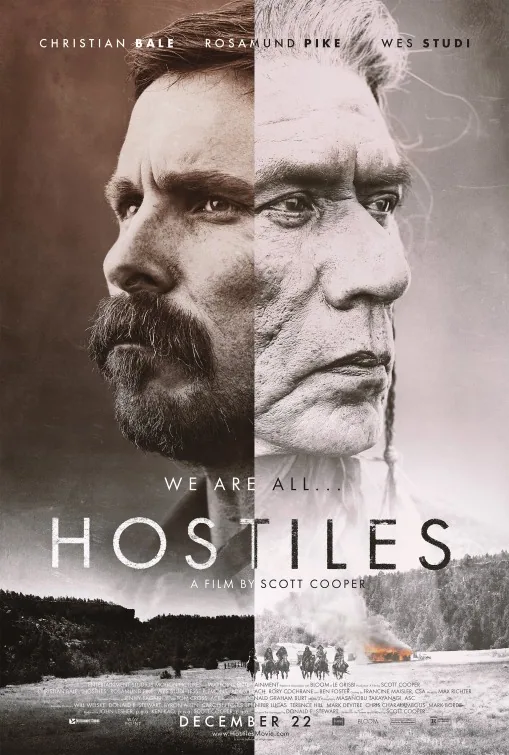
A U.S. Army captain is ordered to escort a Cheyenne chief and his family across dangerous territory to their homeland. The mission forces a group shaped by years of violence to travel together while facing threats from the surrounding frontier. The Western drama examines grief, racism and the possibility of limited cooperation without treating reconciliation as easy or complete.
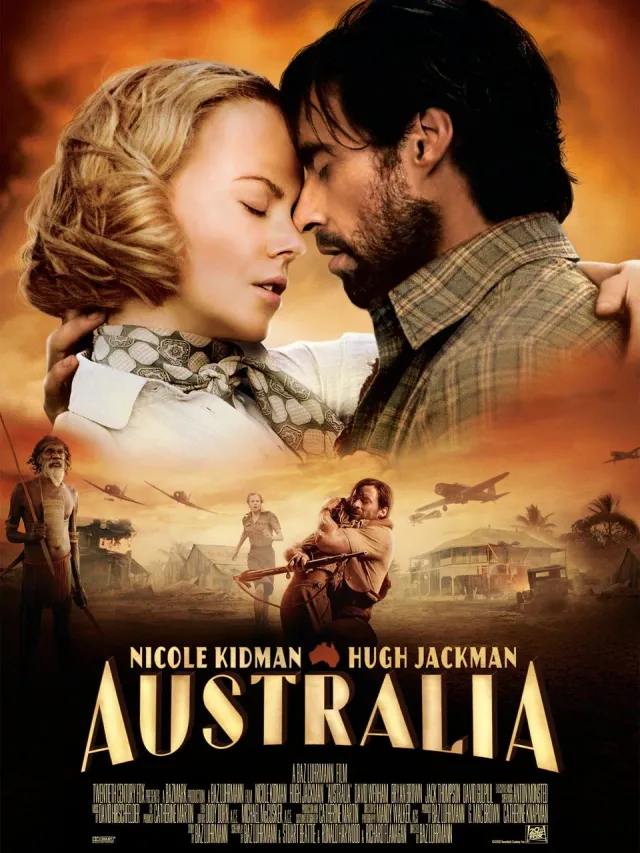
A threatened cattle property sends Sarah and the drover across the outback, then broadens into a fight to protect Nullah from wartime and racial institutions. The epic's romantic arc shares space with state coercion.
Why this matches +
These offer a related experience with a meaningful difference in story, tone, or presentation.
An adjacent discovery: a related idea with a different viewing experience.
Genres: Adventure / Drama
Shared film traits
Based on recorded story, mood and style. Your preferences can change the order.
War and civilian life
What changes People from different backgrounds form family ties across cultural divides while confronting the violent consequences of colonial power.
In 1939, English aristocrat Sarah Ashley reaches a remote cattle station to find her husband dead and the property threatened by a rival. She joins a drover and a mixed-descent Aboriginal child, Nullah, on an arduous cattle drive that brings romance and chosen family into a society organized by colonial power. As war reaches northern Australia, the child's safety is shaped by policies that remove Indigenous children from their families. Baz Luhrmann's sweeping melodrama acknowledges that violence but filters it through a white outsider's adventure, so its reconciliation is not a complete Indigenous history.
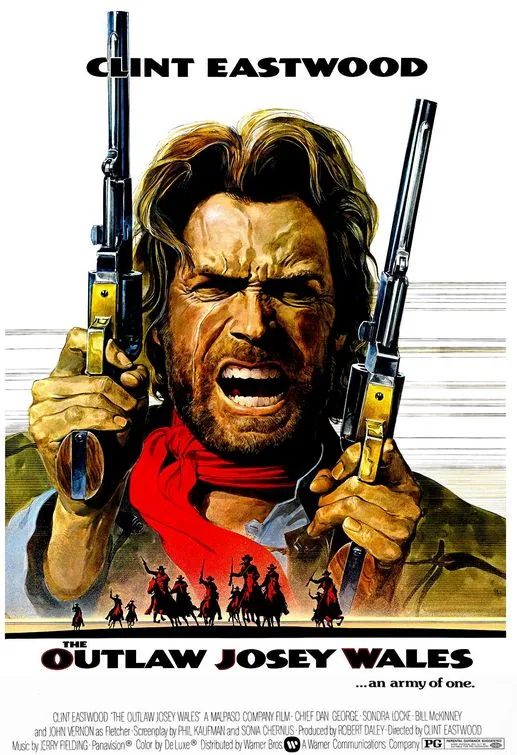
A survivor of family murder and a broken surrender promise is pursued across the frontier, where revenge slowly becomes protection of a makeshift community.
Why this matches +
These offer a related experience with a meaningful difference in story, tone, or presentation.
An adjacent discovery: a related idea with a different viewing experience.
Genres: Western / Vigilante
Shared film traits
Based on recorded story, mood and style. Your preferences can change the order.
War and civilian life
What changes A man displaced by war builds an unlikely community on the frontier while facing pursuit and conflict with military authorities.
After pro-Union raiders murder his family and burn his Missouri farm, Josey Wales joins Confederate guerrillas during the Civil War. When the surviving fighters accept a promised amnesty and are massacred, Wales refuses surrender and becomes a hunted outlaw. He heads toward Texas, pursued by Captain Terrill and bounty hunters, and gradually travels with people who need protection or have been pushed to society's margins. His reputation as a gunfighter makes him dangerous, but the new group gives his journey a purpose beyond revenge. The story shifts from a solitary vendetta toward the difficult possibility of building a community after political violence. Its frontier and war history are filtered through a revisionist Western and a disputed source author.
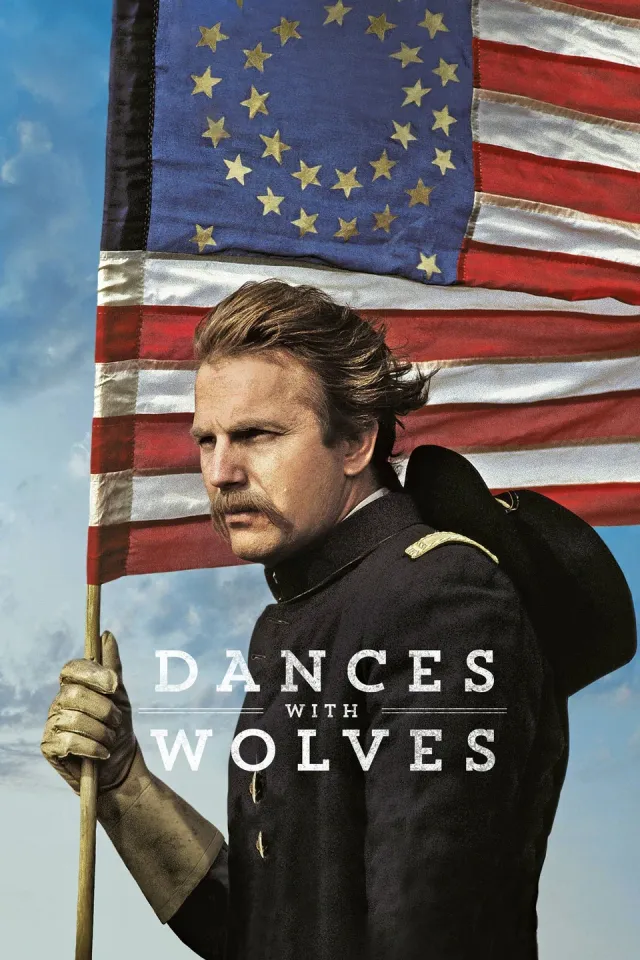
A Union officer posted to a remote frontier position begins contact with a nearby Lakota community and gradually learns to communicate beyond the assumptions of his original assignment. Hospitality, work and a developing attachment give him a place whose significance cannot be reduced to observation. The return of organised military authority makes his loyalties visible, forcing him to confront the violence carried by an institution he once served without imagining an alternative.
What drives the story
An isolated posting becomes a process of reciprocal contact that eventually creates a direct conflict with the officer's original allegiance.
The people at its centre
An outsider learns through named relationships while local hosts weigh the risks of accepting someone connected to an expanding military power.
What it feels like
Expansive landscapes and patient social encounters build towards danger and an emotionally direct account of changed belonging.
Worth knowing
Its outsider-centred perspective and romantic structure do not provide a complete Indigenous history or erase the unequal frame through which the audience enters the community.