A failed smuggling deal leaves Matko owing money and triggers an arranged marriage that threatens his son's romance.
Why this matches +
Selected for the central appeal: Boisterous private betrayals become a grotesque historical fable about people living inside a manufactured political reality.
Genres: Comedy / Romance
Shared film traits
Based on recorded story, mood and style. Your preferences can change the order.
What changes Manic Balkan music, criminal bargains and romantic entanglements turn communal life into elaborate physical farce; a more self-contained, celebratory caper replaces the source’s war-spanning historical tragedy.
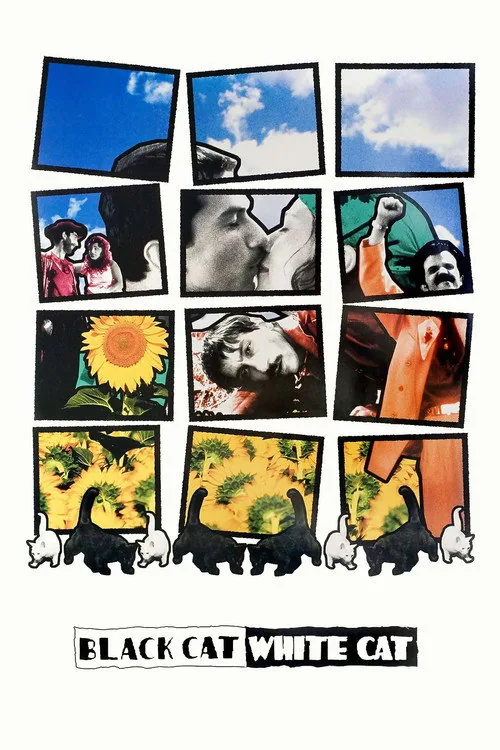
Small-time Romani smuggler Matko tries to finance a train robbery with help from his father’s old gangster friend, but his partner Dadan sabotages the plan and leaves him deep in debt. Dadan offers to cancel the loan if Matko's son Zare marries his sister, though Zare already loves another young woman. A lively community of relatives, gangsters, musicians, and animals becomes entangled in the attempted wedding. Emir Kusturica's farce turns a criminal scheme into a chaotic celebration of family and improvisation.
A family’s silence becomes a child’s confusing everyday reality, making political punishment legible through absences and careful adult behavior.
Why this matches +
Related viewing experiences with the specific differences recorded for each pair.
An adjacent discovery: a related idea with a different viewing experience.
Genres: Drama / Comedy
Shared film traits
Based on recorded story, mood and style. Your preferences can change the order.
Political resistance
What changes A Yugoslav family’s private story conceals the realities of political repression and paternal betrayal through a child’s partial understanding; an intimate household replaces the cellar’s decades-long collective historical deception.
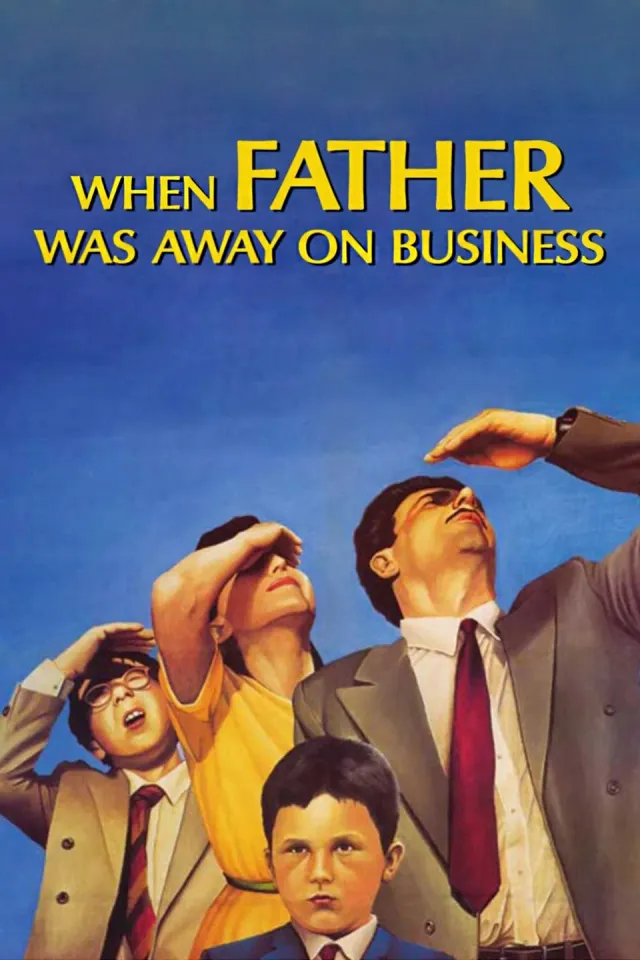
In postwar Yugoslavia, young Malik experiences family life through the shifting explanations adults provide when his father Meša is sent away to a labor camp. The official account of the absence is not the same as the truth, and the family must adapt to a political system that reaches into private relationships. Malik’s childhood games and first attachments continue alongside a growing awareness that adult loyalties can be dangerous. Emir Kusturica’s film frames political pressure through an observant child’s partial understanding rather than through a conventional account of state institutions. The camera stays close to Malik, so political danger arrives as rumors, separations and changed routines. Adults guard their language because a child's innocence cannot shield the family.
A young station worker's efforts to overcome sexual shame unfold beside routine occupation and an eventual act of resistance involving a military train.
Why this matches +
Related viewing experiences with the specific differences recorded for each pair.
An adjacent discovery: a related idea with a different viewing experience.
Genres: Drama / Comedy
Shared film traits
Based on recorded story, mood and style. Your preferences can change the order.
War and civilian life · Political resistance
What changes Sexual embarrassment and everyday comedy coexist with the lethal demands of occupation; a young railway worker’s brief coming of age replaces a sprawling allegory of prolonged historical manipulation.
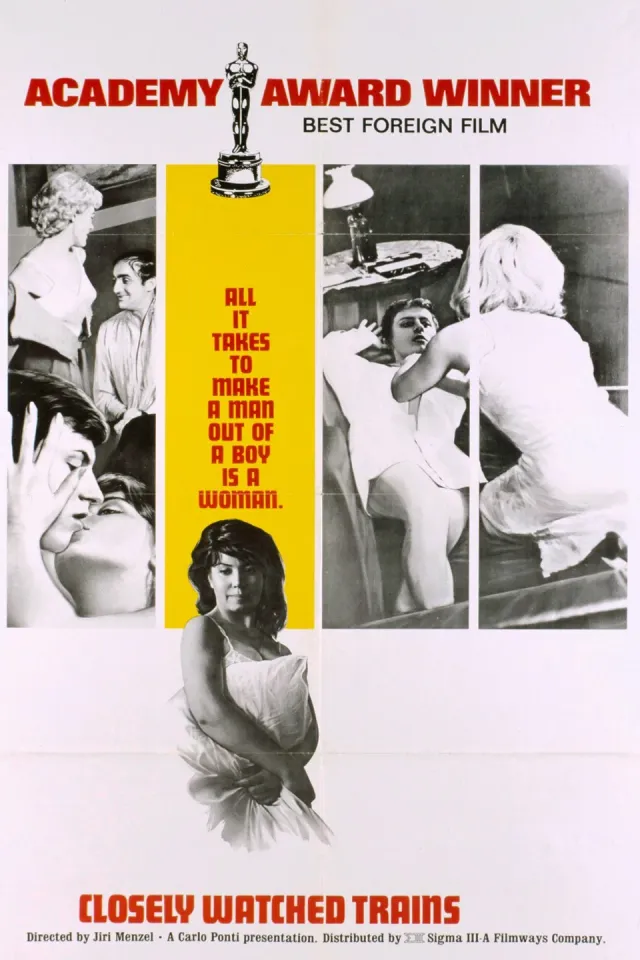
Near the end of Nazi-occupied Czechoslovakia, apprentice station guard Miloš is more consumed by sexual embarrassment than by the war around him. The staff's workplace comedy and sexual bravado make the railway station feel provincial and ordinary, yet its trains carry military cargo and a resistance plan draws Miloš into danger. His final act is not a prize for successful sexual initiation: the film lets courage emerge through an awkward person whose private shame and political world never become the same problem. Miloš's sexual anxieties share screen time with a station's seemingly routine wartime duties.
A boy's refusal to grow becomes a grotesque vantage point on family life and political change in Danzig before, during and after the war.
Why this matches +
Related viewing experiences with the specific differences recorded for each pair.
An adjacent discovery: a related idea with a different viewing experience.
Genres: Drama / War
Shared film traits
Based on recorded story, mood and style. Your preferences can change the order.
War and civilian life
What changes Grotesque personal performance and surreal images make a family story into a distorted account of twentieth-century European history; one boy’s refusal to grow replaces the concealed community’s interrupted time.
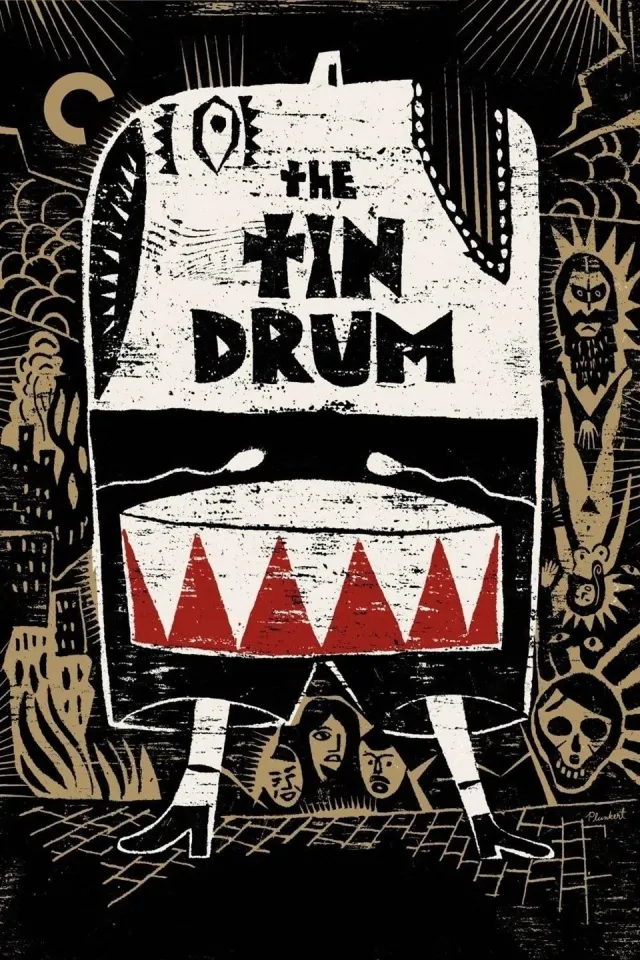
Oskar Matzerath narrates from an institution in postwar Germany, looking back on his childhood in the Free City of Danzig. On his third birthday he receives a tin drum and decides that he will not grow up in the world of adults; after a fall, his body stops developing while his voice can shatter glass. Oskar watches his family and neighbours navigate shifting loyalties as Nazism rises and war changes the city. He sometimes hides behind the appearance of a child, sometimes uses the drum to disrupt public spectacle, and often remains an unreliable observer of events in which he is implicated. The story follows his refusal through the collapse of the old order and its aftermath.
A protective lie about political continuity requires ever more elaborate staging until maintaining the illusion competes with the family's ability to acknowledge its own past.
Why this matches +
Related viewing experiences with the specific differences recorded for each pair.
An adjacent discovery: a related idea with a different viewing experience.
Genres: Comedy / Drama
Shared film traits
Based on recorded story, mood and style. Your preferences can change the order.
What changes A household preserves an obsolete political world through a sustained, fabricated account of outside events; affectionate post-unification comedy replaces profiteering, confinement and Yugoslav wartime catastrophe.
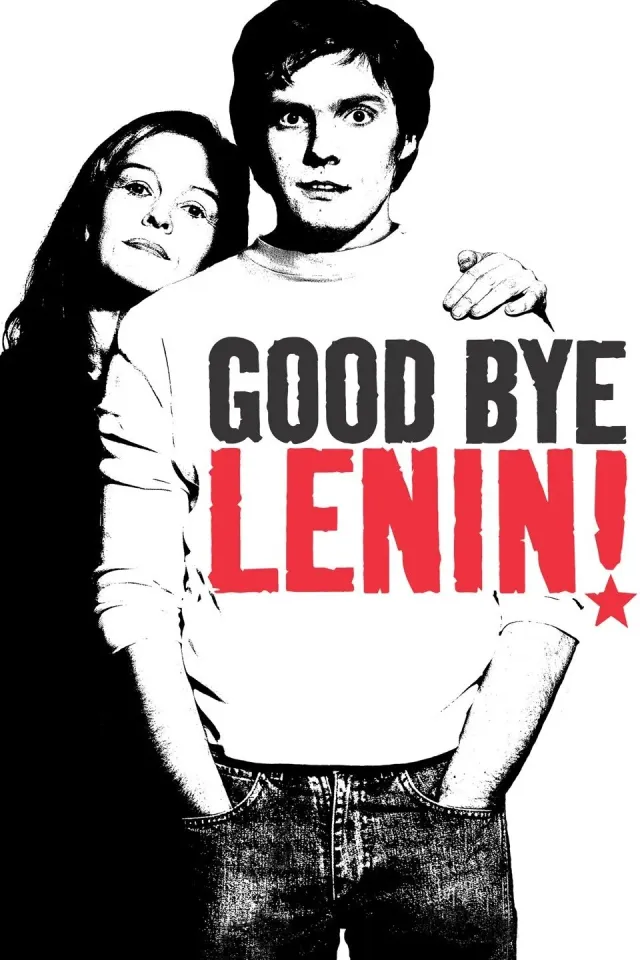
An East Berlin son conceals the collapse of the state from his mother after she wakes from a coma. What begins as a protective medical precaution expands into a domestic production of obsolete packaging, staged broadcasts and coordinated performances. Other relatives must live in a changing society while pretending it has stood still inside one room. The comedy gradually exposes how the invented world serves the son's own attachments, making public history, private memory and the limits of benevolent deception inseparable.
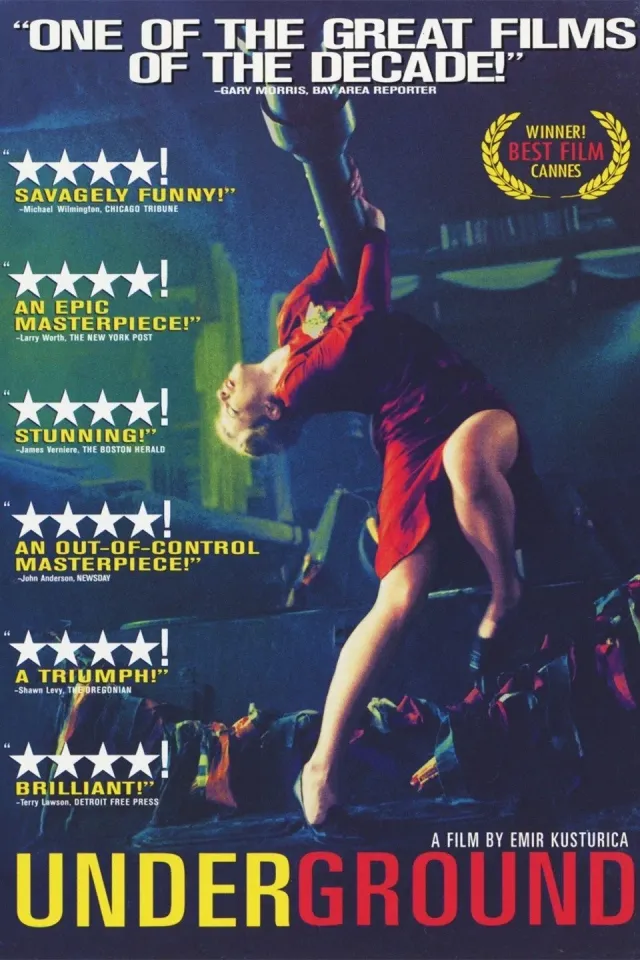
In occupied Belgrade during World War II, Marko hides his friend Blacky and others in an underground cellar where they make weapons for the resistance. Marko continues profiting from the arrangement long after the war has ended, telling those below that the conflict is still ongoing and keeping Blacky away from the actress Natalija they both love. The deception stretches across decades as political reality changes above ground and the cellar’s inhabitants build a distorted version of the world from scraps of information. When they finally emerge, they find a country whose history has not resolved into peace. Emir Kusturica’s film mixes slapstick, music, melodrama and historical allegory, presenting individual betrayal as one thread in a much wider, unstable account of Yugoslavia.
What drives the story
A false claim that the war continues lets Marko turn resistance into a profitable prison and reshape the lives of those who trust him.
The people at its centre
Blacky’s physical courage and Marko’s opportunism begin as a comic friendship but become entangled with love, political power and long-term betrayal.
What it feels like
Brass-band music, chaotic movement and sudden tonal shifts make the epic feel like a dark carnival rather than a sober chronology.
Worth knowing
For viewers drawn to absurdist political allegory, long-form history and volatile ensemble energy. Its symbolic portrait of Yugoslavia is contested and should not be mistaken for a neutral history lesson.