A transactional marriage produces unchosen guardianship, and growing care must survive state suspicion before political change enables a painful family reunion.
Why this matches +
Selected for the central appeal: Bittersweet family stories shaped by political change, protective fabrications and nostalgia.
Genres: Drama / Comedy
Shared film traits
Based on recorded story, mood and style. Your preferences can change the order.
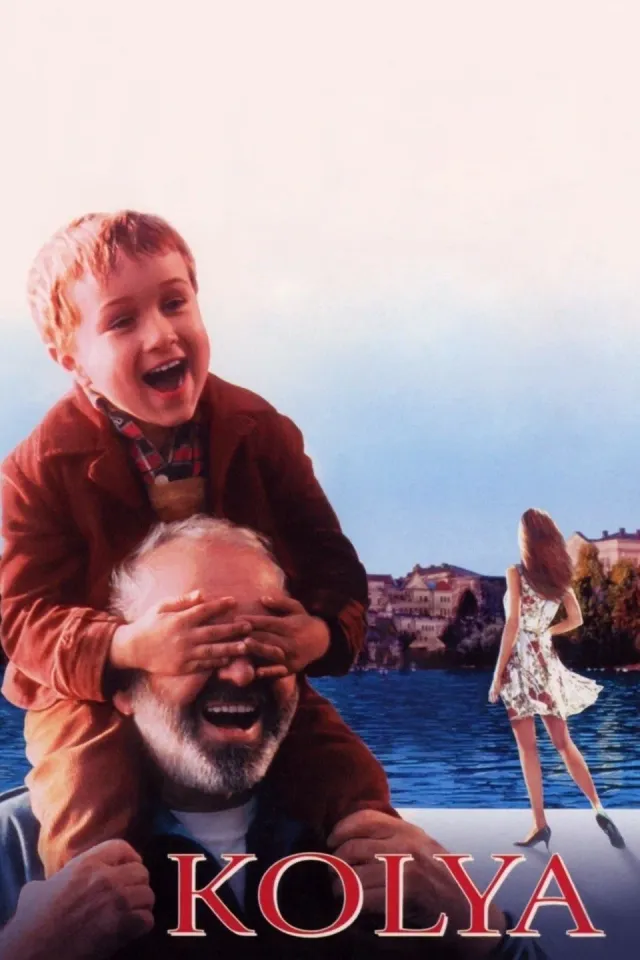
What changes Kolya combines a reluctant family bond with the upheaval surrounding the end of Communist rule.
A politically sidelined Czech musician agrees to a sham marriage for money and is unexpectedly left caring for the woman's young son. Language differences and resentment make the arrangement awkward, while scrutiny of the marriage threatens both his freedom and the child's future. Everyday care gradually becomes an attachment neither had planned. Changes in the political order create a possible reunion with the child's mother, making the success of the bond depend partly on accepting an ending that does not preserve the substitute household intact.
The son’s practical care opens a route back to people and ideas his father had left behind.
Why this matches +
These offer a related experience with a meaningful difference in story, tone, or presentation.
An adjacent discovery: a related idea with a different viewing experience.
Genres: Drama / Comedy
Shared film traits
Based on recorded story, mood and style. Your preferences can change the order.
Memory and identity
What changes The Barbarian Invasions combines family reconciliation, illness and reflection on past political ideals.
A Montreal professor nearing death is reunited with his estranged son, who tries to make his final days more comfortable and reconnects him with old friends and former lovers. Their visits expose differences in politics, values and memory, but also leave room for humor and reconciliation. The film treats mortality through conversation, friendship and the imperfect work of repairing a relationship before time runs out.
Two cousins take a heritage trip to Poland and respond very differently to their shared family history.
Why this matches +
These offer a related experience with a meaningful difference in story, tone, or presentation.
An adjacent discovery: a related idea with a different viewing experience.
Genres: Comedy / Drama
Shared film traits
Based on recorded story, mood and style. Your preferences can change the order.
Memory and identity
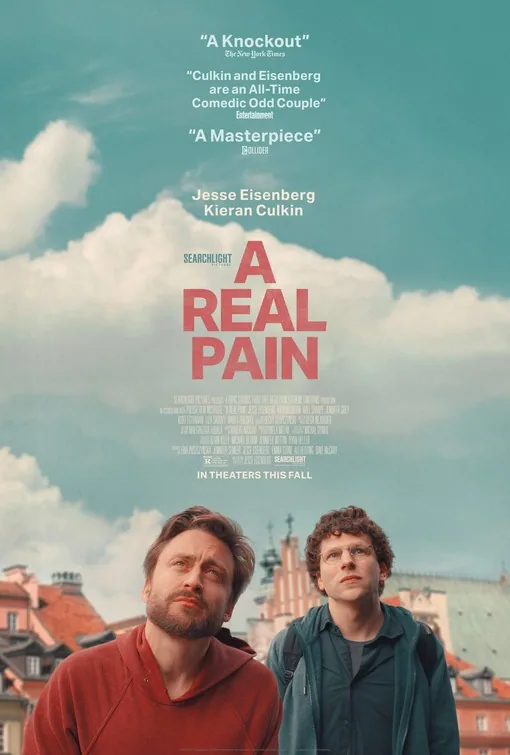
What changes A Real Pain mixes family comedy with an investigation of Central European history and inherited memory.
Cousins David and Benji travel through Poland on a heritage tour funded by their late grandmother, hoping to understand the place she came from. Their contrasting temperaments surface as they visit memorials, cities, and family sites alongside other travelers. Jesse Eisenberg's comedy-drama lets humor and discomfort coexist, following two relatives who share history but differ in how they express grief, belonging, and responsibility to the past.
An indoctrinated child's secret encounter with a persecuted teenager gradually undermines the ideology through which he interprets his world.
Why this matches +
These offer a related experience with a meaningful difference in story, tone, or presentation.
An adjacent discovery: a related idea with a different viewing experience.
Genres: Drama / Comedy
Shared film traits
Based on recorded story, mood and style. Your preferences can change the order.
What changes Jojo Rabbit mixes family relationships and political upheaval with comedy, though its wartime setting and tone are different.
A boy in wartime Germany measures himself against the Nazi ideals supplied by his youth group and an imaginary version of Hitler. Discovering that his mother is hiding a Jewish teenager makes those beliefs difficult to reconcile with an actual person living nearby. Their uneasy conversations unfold as the war approaches home, turning a childish search for acceptance into a painful confrontation with propaganda, courage and loss.
The media company’s profit motive helps turn a grotesque premise into a public spectacle.
Why this matches +
These offer a related experience with a meaningful difference in story, tone, or presentation.
An adjacent discovery: a related idea with a different viewing experience.
Genres: Comedy / Drama
Shared film traits
Based on recorded story, mood and style. Your preferences can change the order.
What changes Look Who's Back uses a figure displaced in time to satirize a transformed German society.
Adolf Hitler reappears in modern Berlin and is mistaken for an impersonator, then attracts attention through unscripted encounters and television appearances. A media producer sees commercial potential, while the visitor’s political ideas gain a platform under the cover of comedy. David Wnendt alternates fictional satire with documentary-style street interactions, asking how spectacle and entertainment can normalize dangerous rhetoric when audiences treat a performance as harmless.
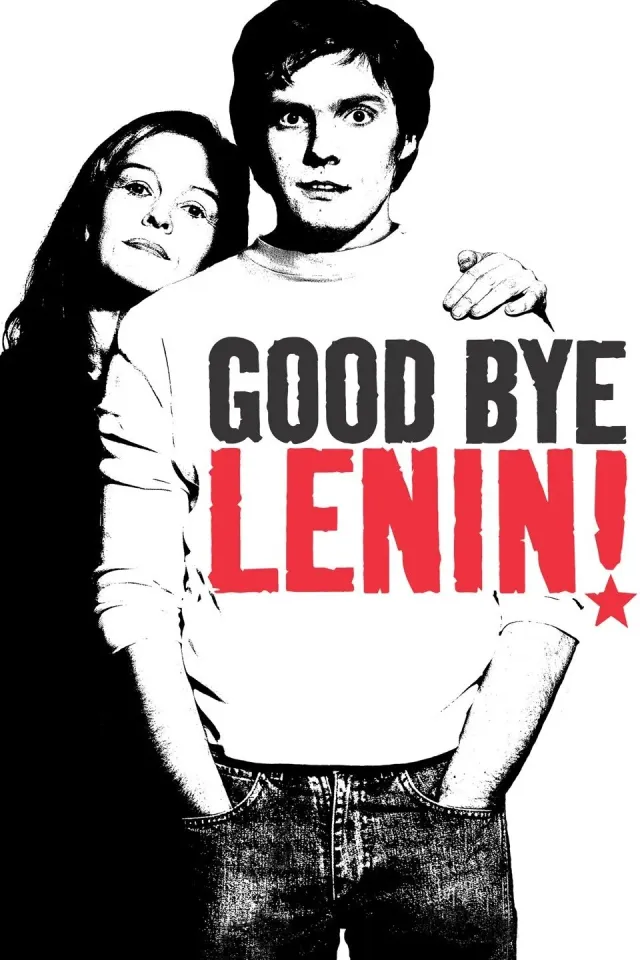
An East Berlin son conceals the collapse of the state from his mother after she wakes from a coma. What begins as a protective medical precaution expands into a domestic production of obsolete packaging, staged broadcasts and coordinated performances. Other relatives must live in a changing society while pretending it has stood still inside one room. The comedy gradually exposes how the invented world serves the son's own attachments, making public history, private memory and the limits of benevolent deception inseparable.
What drives the story
A protective lie about political continuity requires ever more elaborate staging until maintaining the illusion competes with the family's ability to acknowledge its own past.
The people at its centre
Alex's care shades into control, while his sister and girlfriend challenge the labor and emotional cost of making everyone inhabit his version of their mother's world.
What it feels like
Deadpan improvisation and recreated television reports mix absurdity with melancholy, treating rapid social change through the scale of a household performance.
Worth knowing
The fabricated East Germany reflects selective family longing rather than a neutral verdict on reunification; distinguish protective staging from a literally simulated universe.
MemoryFamilySocial change
Mood
Wry · Bittersweet · Reflective
Pacing
Measured · Escalating
Visual style
Recreated television reports · Domestic period detail
Storytelling
Staged political continuity · Protective lie · Domestic media fabrication