Explore films connected to When Father Was Away on Business through family, political repression, childhood. Choose the qualities you want to carry into your next watch.
What should feel similar?
Find your next favourite
9 films · Closest overall matches
Hide films you’ve seen or don’t want. Saved on this device.
No matches for this combination yet.
Try another option or reset your choices to see more films.
Based on recorded story, mood and style. Your preferences can change the order.
Political resistance
What changes When Father Was Away on Business: episodic and gradual awareness. Underground: multi-decade and episodic shifts.
In occupied Belgrade during World War II, Marko hides his friend Blacky and others in an underground cellar where they make weapons for the resistance. Marko continues profiting from the arrangement long after the war has ended, telling those below that the conflict is still ongoing and keeping Blacky away from the actress Natalija they both love. The deception stretches across decades as political reality changes above ground and the cellar’s inhabitants build a distorted version of the world from scraps of information. When they finally emerge, they find a country whose history has not resolved into peace. Emir Kusturica’s film mixes slapstick, music, melodrama and historical allegory, presenting individual betrayal as one thread in a much wider, unstable account of Yugoslavia.
Both share themes of family and childhood, plus an observant atmosphere.
Why this matches +
Genres: Drama
Shared film traits
Based on recorded story, mood and style. Your preferences can change the order.
What changes When Father Was Away on Business: episodic and gradual awareness. Nobody Knows: akira’s effort to preserve the hidden household grows more difficult as money and food run out.
A mother moves into a Tokyo apartment with her four children but hides the younger siblings from the landlord, leaving only eldest son Akira visible. When she leaves for months with little money, Akira takes responsibility for rent, food and his brothers’ and sister’s daily needs. The children have been kept out of school and away from public attention, so their shrinking resources make ordinary childhood harder to sustain. The film quietly follows the siblings’ improvised household as its fragile independence gives way to loss.
Based on recorded story, mood and style. Your preferences can change the order.
Political resistance
What changes When Father Was Away on Business: episodic and gradual awareness. Bajrangi Bhaijaan: pawan’s strict honesty complicates an unauthorized trip to reunite a child with her mother..
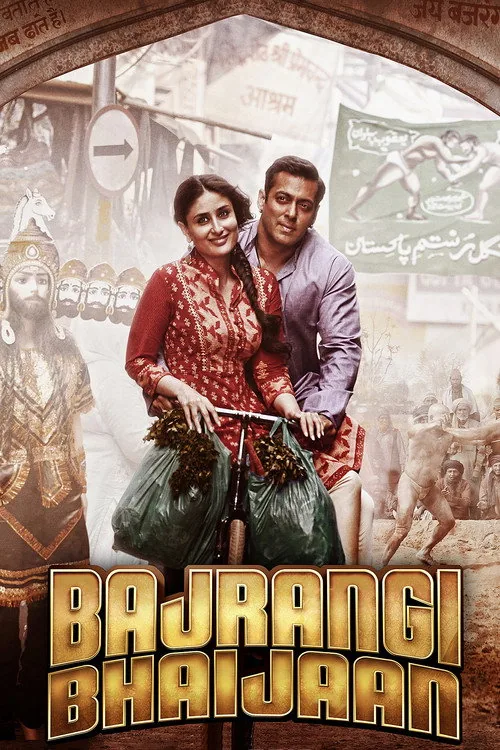
Six-year-old Shahida, a mute Pakistani girl, becomes separated from her mother during a journey in India and meets Pawan Kumar Chaturvedi, a devout Hanuman follower who calls her Munni. When he learns her nationality and finds that official channels cannot help, Pawan gives up his savings and travels with her across the border without a passport. A Pakistani journalist, Chand Nawab, begins by pursuing a sensational story and then helps them evade police and find her family. Kabir Khan’s drama builds a cross-border journey around trust, kindness, and a child’s return home.
Based on recorded story, mood and style. Your preferences can change the order.
What changes When Father Was Away on Business: episodic and gradual awareness. House Party: one-night journey builds through comic encounters and party performances.
Teenager Kid wants to attend his friend Play’s house party, but a school fight leads his father Pop to ground him. Kid slips out after his father falls asleep and heads across the neighborhood, where police, bullies and the hazards of the night repeatedly threaten to send him home. The gathering becomes a showcase for friendships, courtship, dancing and hip-hop performance, with DJ Bilal keeping the music moving. The comedy’s home-to-party journey follows Kid as he tries to enjoy one night of freedom while managing the expectations of family and the rivalries of his community.
Based on recorded story, mood and style. Your preferences can change the order.
What changes When Father Was Away on Business: episodic and gradual awareness. Little Fockers: brisk and episodic.
A father preparing a birthday celebration for his children is offered the role of family successor by the in-law who has repeatedly doubted him. The apparent vote of confidence brings another round of surveillance, especially when professional work is misread as evidence of infidelity. A former romantic rival and the demands of household status intensify the performance of being a suitable provider. The comedy makes acceptance conditional on satisfying tests whose rules keep changing, with reconciliation requiring limits to the authority that claims to protect the family.
Based on recorded story, mood and style. Your preferences can change the order.
What changes When Father Was Away on Business: episodic and gradual awareness. Pain and Glory: measured and fragmented.
Aging film director Salvador Mallo lives with chronic pain and creative paralysis, then attends a screening of one of his old films and reconnects with actor Alberto. Their reunion brings back memories of childhood in Paterna, his mother’s sacrifices and a past relationship with Federico. When Salvador tries heroin, the drug opens a path into memories he has avoided; meanwhile, Alberto stages a monologue from one of Salvador’s texts. The film moves between present-day illness, remembered youth and fiction, eventually revealing that some apparent memories belong to a film Salvador is making.
Based on recorded story, mood and style. Your preferences can change the order.
What changes When Father Was Away on Business: episodic and gradual awareness. Ivan's Childhood: nonlinear and measured.
A boy whose family has been destroyed by war crosses dangerous territory to report intelligence to Soviet soldiers. Officers attempt to redirect him toward safety, but revenge and the disappearance of ordinary childhood make another life difficult for him to imagine. Dreams interrupt the military present with tactile images of affection and freedom. The film places a child's usefulness to war beside what that usefulness cannot restore, refusing to let competence in danger stand as proof that his damaged world has become acceptable.
Based on recorded story, mood and style. Your preferences can change the order.
What changes When Father Was Away on Business: episodic and gradual awareness. Kuffs: case-driven action with comic asides.
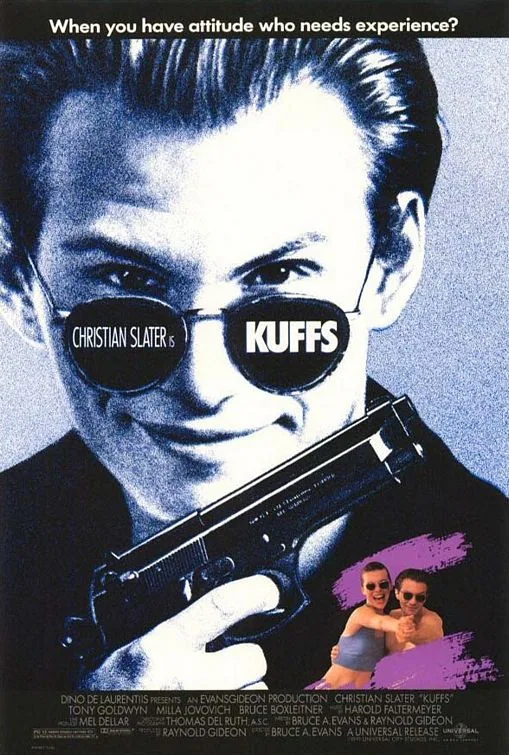
George Kuffs inherits his murdered brother's San Francisco patrol-special territory and tries to turn a personal vendetta into a job he barely understands. As he investigates the killing, he becomes entangled with police politics, his estranged girlfriend and the boundaries of private law enforcement. The action comedy uses a fast-talking young protagonist to poke at authority while still leaning into the era's urban chase spectacle.
Based on recorded story, mood and style. Your preferences can change the order.
Political resistance
What changes When Father Was Away on Business: episodic and gradual awareness. The Secret Agent: layered historical narrative, slow-burn political suspense and interwoven character threads.
During Brazil's military dictatorship in 1977, former researcher Armando travels to Recife and adopts the name Marcelo while seeking refuge near his young son. He joins a network of dissidents and refugees as corrupt officials pursue their own investigation through the city. The story unfolds amid Carnival, surveillance, and the everyday risks of living under authoritarian rule, connecting a father's private search for family with a larger political climate. Kleber Mendonça Filho's historical thriller layers social observation and crime elements into a portrait of memory, resistance, and life under repression.
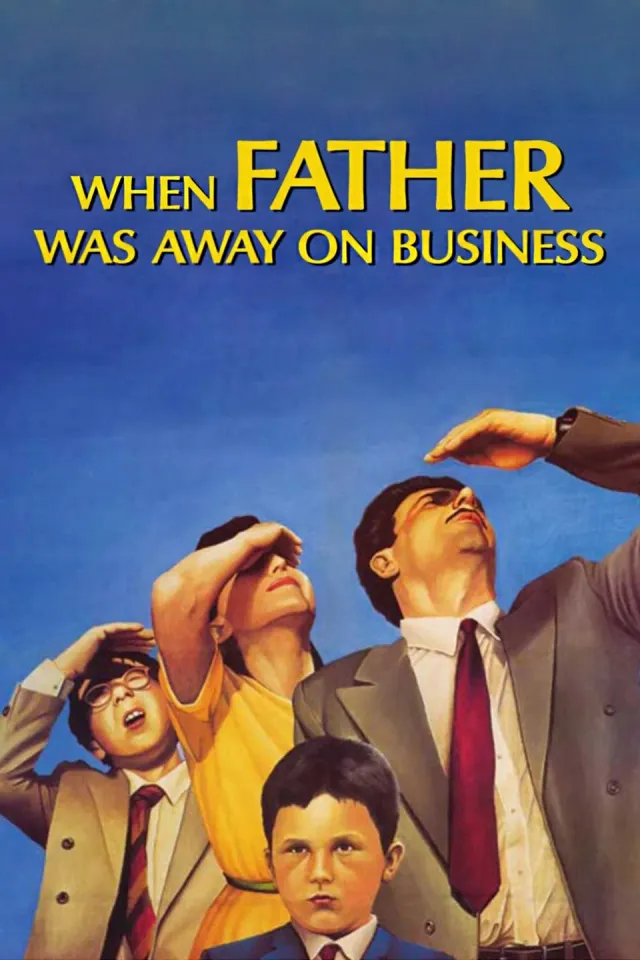
In postwar Yugoslavia, young Malik experiences family life through the shifting explanations adults provide when his father Meša is sent away to a labor camp. The official account of the absence is not the same as the truth, and the family must adapt to a political system that reaches into private relationships. Malik’s childhood games and first attachments continue alongside a growing awareness that adult loyalties can be dangerous. Emir Kusturica’s film frames political pressure through an observant child’s partial understanding rather than through a conventional account of state institutions. The camera stays close to Malik, so political danger arrives as rumors, separations and changed routines. Adults guard their language because a child's innocence cannot shield the family.
What drives the story
A family’s silence becomes a child’s confusing everyday reality, making political punishment legible through absences and careful adult behavior.
The people at its centre
Malik’s trust in his parents develops alongside his inability to grasp what has happened; the adults’ attempts to protect him can also keep him uninformed.
What it feels like
The film blends comic childhood episodes with melancholy and period detail, allowing the political context to enter indirectly through family life.
Worth knowing
A fit for historically situated dramas where political upheaval is experienced at home and through a child’s perspective. Its tone is bittersweet, not a broad comedy or an explanatory history lesson.
familypolitical repressionchildhood
Mood
bittersweet · observant · melancholic
Pacing
episodic · gradual awareness
Visual style
period domestic detail · child-level viewpoint
Storytelling
parental absence · political punishment · child perspective