Based on recorded story, mood and style. Your preferences can change the order.
Memory and identity · Music and performance
Expect reflective and intimate, with measured and interwoven pacing.
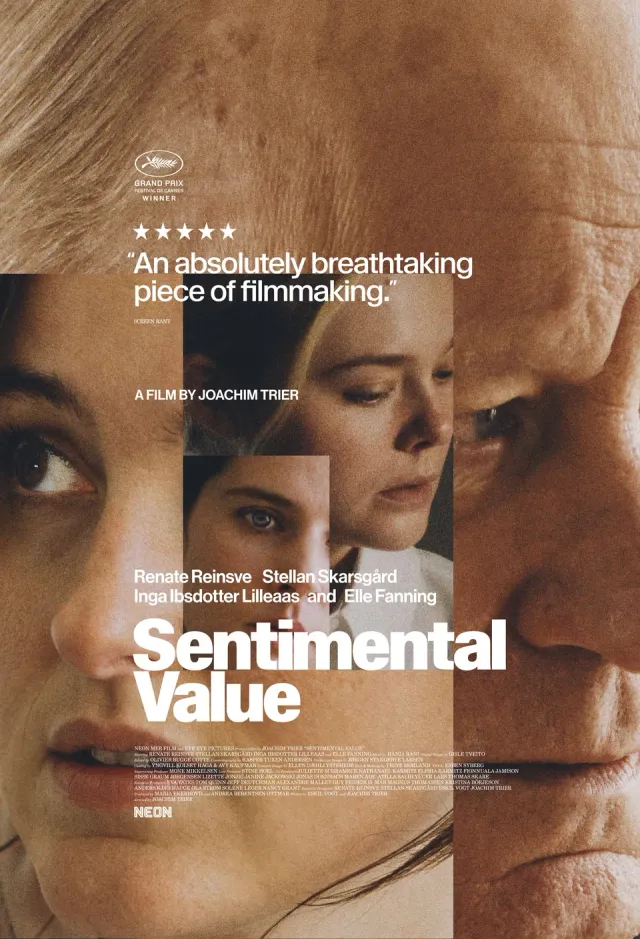
After their mother’s death, sisters Nora and Agnes face the return of their estranged father Gustav, a once-successful director who wants to make a film inspired by his own mother’s wartime trauma in their family home. Nora, a stage actor who struggles with performance anxiety, refuses the role he offers her; Agnes, a historian and parent, is more willing to hear him out. Gustav’s script turns private family memory into material for a production, and the dispute over where and how to film it exposes what each generation has inherited. The eventual staging asks whether art can create understanding without repairing the past by itself.
Both share themes of creativity, plus a melancholic and reflective atmosphere.
Why this matches +
Genres: Drama / Comedy
Shared film traits
Based on recorded story, mood and style. Your preferences can change the order.
Expect reflective and melancholic, with measured pacing.
After her mother's death, advertising executive Elsa keeps working through the December holidays rather than facing her loss. A crisis eventually takes her to Lanzarote with her friend Patricia. Another strand follows a filmmaker, bringing lived experience into contact with the stories people create from it. Grief, friendship and artistic invention intersect without turning the holiday setting into a promise of seasonal comfort.
Both share themes of memory, plus a melancholic and intimate atmosphere.
Why this matches +
Genres: Drama
Shared film traits
Based on recorded story, mood and style. Your preferences can change the order.
Memory and identity
What changes Pain and Glory: measured and fragmented. Julieta: a written recollection moves between decades of a mother’s life.
Julieta’s plans to leave Madrid change when she encounters a friend of her estranged daughter Antía. She returns to the apartment she once shared with Antía and begins writing a letter that recalls their relationship from childhood onward. The drama unfolds as a mother’s account of grief, guilt, and the limits of explanation, tracing how one family’s silences can persist long after a person has disappeared from daily life.
Based on recorded story, mood and style. Your preferences can change the order.
Both directed by Pedro Almodóvar.
Expect intimate and unsettling, with measured pacing.
Filmmaker Enrique receives a visit from someone claiming to be his former schoolmate Ignacio, who offers a story drawn from their time under a predatory priest. Enrique considers turning the account into a film, and the process opens competing layers of childhood memory, adult identity and performance. The visitor's claims change what Enrique thinks he knows, but a revealed deception does not make the abuse described by the story irrelevant. Almodóvar's saturated melodrama becomes a noir-like inquiry into authorship and desire, asking how a filmmaker can use another person's past without owning its truth.
Based on recorded story, mood and style. Your preferences can change the order.
Memory and identity
Expect wry and tender, with conversation-led and measured pacing.
A Montreal professor nearing death is reunited with his estranged son, who tries to make his final days more comfortable and reconnects him with old friends and former lovers. Their visits expose differences in politics, values and memory, but also leave room for humor and reconciliation. The film treats mortality through conversation, friendship and the imperfect work of repairing a relationship before time runs out.
Both centre on cinema and memory and mortality reckoning.
Why this matches +
Genres: Comedy
Shared film traits
Based on recorded story, mood and style. Your preferences can change the order.
Memory and identity
What changes Pain and Glory: measured and fragmented. Clerks III: a self-referential comedy shifts toward reflection after a health crisis.
After Randal suffers a heart attack, he decides to make a movie about the ordinary life he and Dante have spent at the Quick Stop. The project brings old friends back into a familiar setting while Dante continues to live with the loss of his wife and daughter. The comedy blends franchise callbacks with reflection on work, friendship, and how storytelling can help people decide what their shared past means.
Based on recorded story, mood and style. Your preferences can change the order.
Memory and identity · Music and performance
What changes Pain and Glory: measured and fragmented. The Fabelmans: childhood episodes and adolescent turning points.
Young Sammy Fabelman becomes fascinated with filmmaking after seeing a train crash in a movie and recreates it with his toy set and camera. As his family moves from New Jersey to Arizona and later California, the hobby grows into a way to understand what he sees at home. Sammy’s mother Mitzi is an expressive pianist; his father Burt is a practical engineer, and the household’s closeness is strained by changes neither parent can easily explain to their children. Sammy discovers that his camera can preserve details adults would rather avoid, placing him in a painful position between them. The coming-of-age story follows how making films becomes both an artistic calling and a way to process family fracture.
Based on recorded story, mood and style. Your preferences can change the order.
Both directed by Pedro Almodóvar.
Expect warm and emotional, with measured pacing.
After her teenage son Esteban is killed while trying to get an actress's autograph, nurse Manuela returns to Barcelona to find his other parent and face a past she had left behind. She becomes involved with actresses, friends and people facing illness or abandonment, and care begins to move beyond the conventional family she thought she had lost. Almodóvar folds theatrical performance into intimate grief, linking maternal love to chosen kinship without presenting those connections as uncomplicated. The film's emotional center is not the search alone, but the network Manuela helps sustain.
Based on recorded story, mood and style. Your preferences can change the order.
Memory and identity
Expect gentle and hopeful, with measured and mystery unfolding pacing.
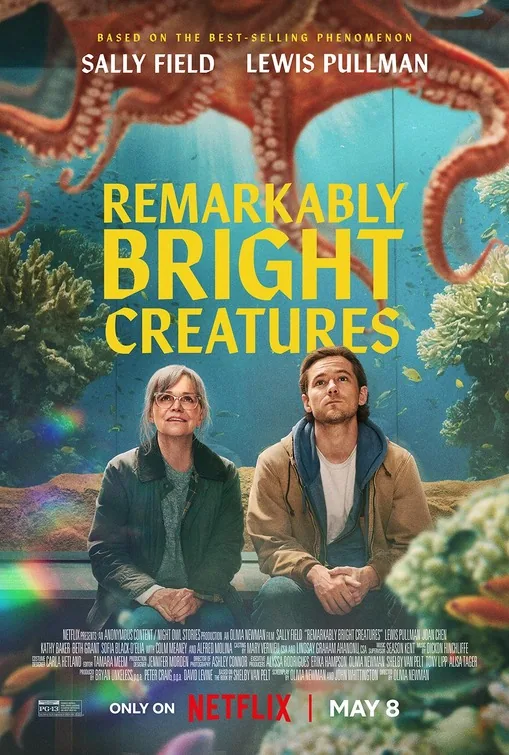
While working nights at a small-town aquarium, widowed Tova forms a bond with Marcellus, a clever giant Pacific octopus, and Cameron, a wayward young man looking for family. Their unlikely companionship brings joy back into Tova’s life and draws the pair into a mystery with personal consequences. The film follows separate forms of loneliness toward a discovery that changes how the characters understand their family ties.
Aging film director Salvador Mallo lives with chronic pain and creative paralysis, then attends a screening of one of his old films and reconnects with actor Alberto. Their reunion brings back memories of childhood in Paterna, his mother’s sacrifices and a past relationship with Federico. When Salvador tries heroin, the drug opens a path into memories he has avoided; meanwhile, Alberto stages a monologue from one of Salvador’s texts. The film moves between present-day illness, remembered youth and fiction, eventually revealing that some apparent memories belong to a film Salvador is making.
What drives the story
Creative blockage and bodily pain bring Salvador back to earlier relationships, while heroin opens memories rather than serving as a simple cure; memory and authorship remain unstable throughout.
The people at its centre
His dependence on Alberto offers both companionship and risk; memories of his mother and Federico expose different forms of love he cannot recover, and the drug brings the past into the present.
What it feels like
Almodóvar layers saturated interiors, quiet close-ups and film-within-film sequences to make the act of remembering part of the image.
Worth knowing
It is a semi-autobiographical drama about an artist revisiting his life, not a literal memoir; Salvador’s fictional experiences overlap with, but are not identical to, Almodóvar’s.