The letter lets Julieta revisit the story without assuming her daughter will read it.
Why this matches +
Selected for the central appeal: A grieving mother returns to Barcelona and builds a network of care among performers and vulnerable friends.
Genres: Drama
Shared film traits
Based on recorded story, mood and style. Your preferences can change the order.
What changes A woman revisits a painful maternal past and strained relationships while confronting grief and the limits of what family members can say.
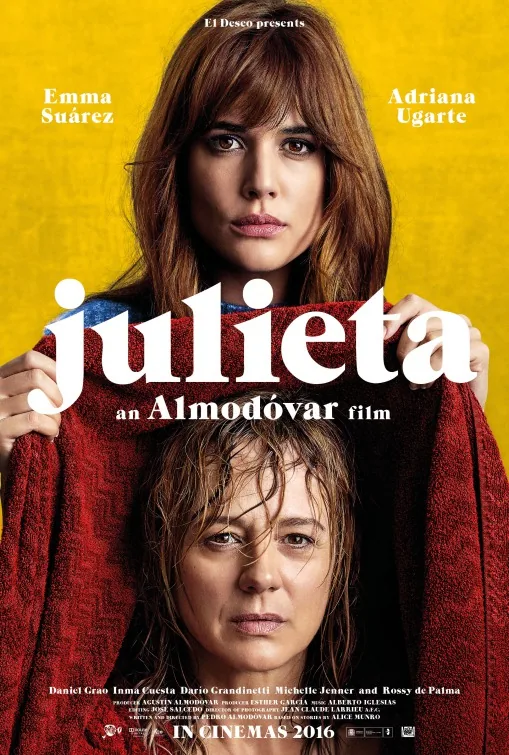
Julieta’s plans to leave Madrid change when she encounters a friend of her estranged daughter Antía. She returns to the apartment she once shared with Antía and begins writing a letter that recalls their relationship from childhood onward. The drama unfolds as a mother’s account of grief, guilt, and the limits of explanation, tracing how one family’s silences can persist long after a person has disappeared from daily life.
Bereavement becomes a struggle for recognition when a partner's family and institutions deny a woman's right to mourn.
Why this matches +
These offer a related experience with a meaningful difference in story, tone, or presentation.
An adjacent discovery: a related idea with a different viewing experience.
Genres: Drama
Shared film traits
Based on recorded story, mood and style. Your preferences can change the order.
What changes A grieving woman faces social exclusion after a partner's death while asserting the legitimacy of her intimate relationships.
Marina, a singer and waitress in Santiago, faces hostility after the sudden death of her older partner. His relatives and official investigators question her place in his life and try to exclude her from mourning. As practical humiliations accumulate, her effort to say goodbye becomes an assertion that neither prejudice nor other people's grief can erase the relationship she actually lived.
Creative blockage and bodily pain bring Salvador back to earlier relationships, while heroin opens memories rather than serving as a simple cure; memory and authorship remain unstable throughout.
Why this matches +
These offer a related experience with a meaningful difference in story, tone, or presentation.
An adjacent discovery: a related idea with a different viewing experience.
Genres: Drama / Comedy
Shared film traits
Based on recorded story, mood and style. Your preferences can change the order.
Both directed by Pedro Almodóvar.
What changes An artist revisits loss, illness and past relationships while performance and memory reshape the meaning of care.
Aging film director Salvador Mallo lives with chronic pain and creative paralysis, then attends a screening of one of his old films and reconnects with actor Alberto. Their reunion brings back memories of childhood in Paterna, his mother’s sacrifices and a past relationship with Federico. When Salvador tries heroin, the drug opens a path into memories he has avoided; meanwhile, Alberto stages a monologue from one of Salvador’s texts. The film moves between present-day illness, remembered youth and fiction, eventually revealing that some apparent memories belong to a film Salvador is making.
Janis’s pregnancy and historical inquiry unfold beside her evolving connection with Ana, linking family identity to collective memory.
Why this matches +
These offer a related experience with a meaningful difference in story, tone, or presentation.
An adjacent discovery: a related idea with a different viewing experience.
Genres: Drama
Shared film traits
Based on recorded story, mood and style. Your preferences can change the order.
What changes Women form bonds through motherhood, hidden histories and shared care that extend beyond conventional family structures.
A Madrid photographer becomes pregnant after a relationship with a forensic anthropologist, and shares a maternity-ward room with Ana, a much younger expectant mother. Their lives remain connected after the birth as questions of parentage, care and personal history emerge. Janis’s effort to address a mass grave in her village links this intimate story to Spain’s unresolved Civil War memory.
A writer supports an old friend with terminal cancer as she makes a private decision about how to die.
Why this matches +
These offer a related experience with a meaningful difference in story, tone, or presentation.
An adjacent discovery: a related idea with a different viewing experience.
Genres: Drama
Shared film traits
Based on recorded story, mood and style. Your preferences can change the order.
What changes Women reconnect around illness and mortality, using friendship and creative work to sustain care amid loss.
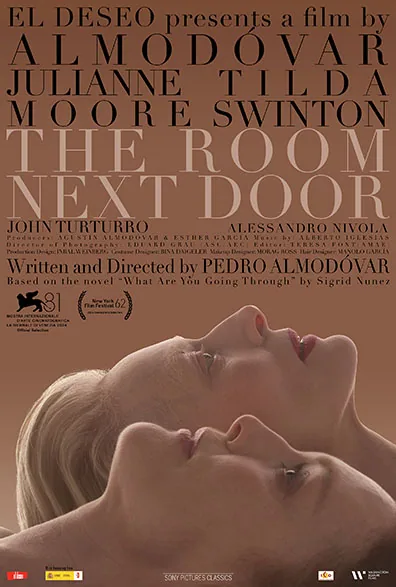
Ingrid, a successful writer, reconnects with Martha, a former colleague now living with terminal cancer. Martha asks Ingrid to stay close as she prepares to end her life on her own terms, and the two women retreat to a country house where companionship and difficult conversations replace the routines of the hospital. Their friendship, memories and conflicting responses to death create an intimate drama about autonomy, care and the limits of what one person can decide for another.
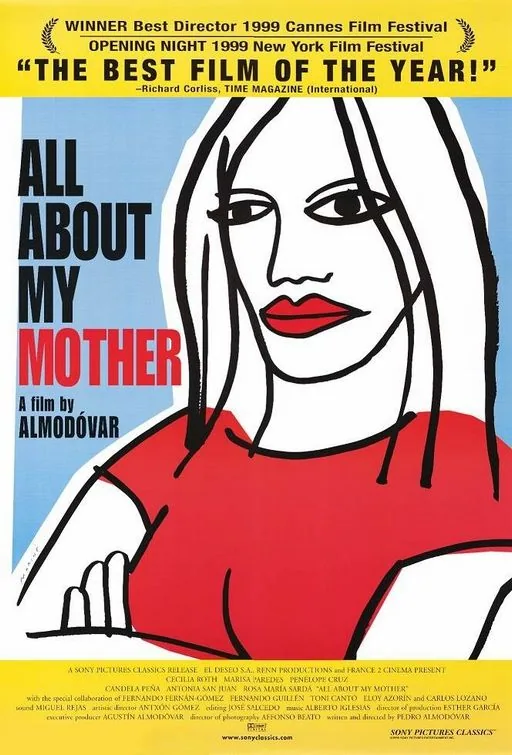
After her teenage son Esteban is killed while trying to get an actress's autograph, nurse Manuela returns to Barcelona to find his other parent and face a past she had left behind. She becomes involved with actresses, friends and people facing illness or abandonment, and care begins to move beyond the conventional family she thought she had lost. Almodóvar folds theatrical performance into intimate grief, linking maternal love to chosen kinship without presenting those connections as uncomplicated. The film's emotional center is not the search alone, but the network Manuela helps sustain.
What drives the story
A son's death sends Manuela back to Barcelona, where her search for his other parent becomes a new set of caregiving commitments. The plot transforms a private bereavement into a wider, improvised family.
The people at its centre
Manuela's care expands among people whose needs differ, including her friend Agrado and the pregnant Sister Rosa. Their histories complicate rescue: affection matters, but it cannot make illness, secrecy or abandonment disappear.
What it feels like
Vivid color, melodramatic reversals and references to stage performance give grief an expressive rather than strictly realist shape. The film's warmth comes from shared care, not from a tidy restoration of the family that was lost.
Worth knowing
Pair it with dramas about chosen kinship and caregiving after loss. Agrado and Lola are distinct trans women, while Huma, Nina and Sister Rosa have their own concerns; theatrical references do not make gender identity a costume, and illness should not be reduced to a lesson for Manuela.
GriefCareIdentity
Mood
Warm · Emotional · Intimate
Pacing
Measured
Visual style
Saturated · Theatrical
Storytelling
Return journey · Redistributed care · Theatrical parallels