Explore films connected to The Secret Agent through political repression and resistance, memory across generations, family separation. Choose the qualities you want to carry into your next watch.
What should feel similar?
Find your next favourite
9 films · Closest overall matches
Hide films you’ve seen or don’t want. Saved on this device.
No matches for this combination yet.
Try another option or reset your choices to see more films.
Based on recorded story, mood and style. Your preferences can change the order.
Political resistance
What changes The Secret Agent: layered historical narrative, slow-burn political suspense and interwoven character threads. Elite Squad: The Enemy Within: procedural, escalating and multi-strand.
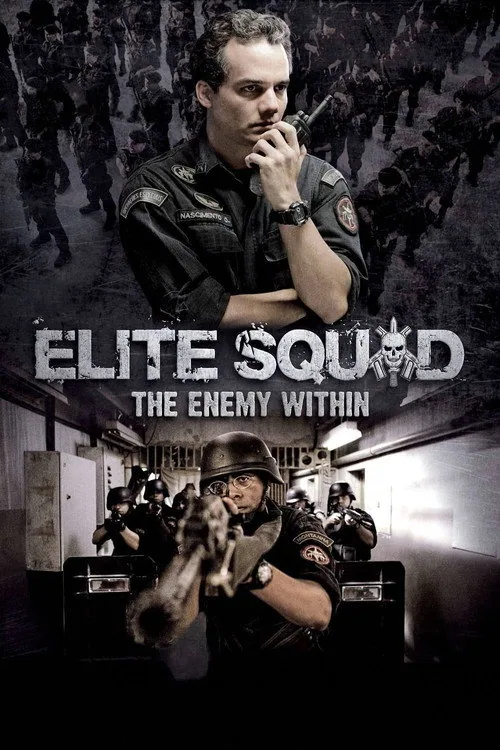
After an inmate riot ends with deaths and public controversy, Rio de Janeiro security officer Roberto Nascimento is promoted into government. His former subordinate André Matias is sent back to the police force, where he encounters political manipulation and violent paramilitary groups. Teacher and activist Diogo Fraga challenges Nascimento’s assumptions about security as the campaign of corruption expands beyond prisons into public institutions. Told through an increasingly compromised police system, the sequel examines power, media, and the political uses of force.
Based on recorded story, mood and style. Your preferences can change the order.
Political resistance
What changes The Secret Agent: layered historical narrative, slow-burn political suspense and interwoven character threads. The Mission: conversion arc and political crisis escalation.
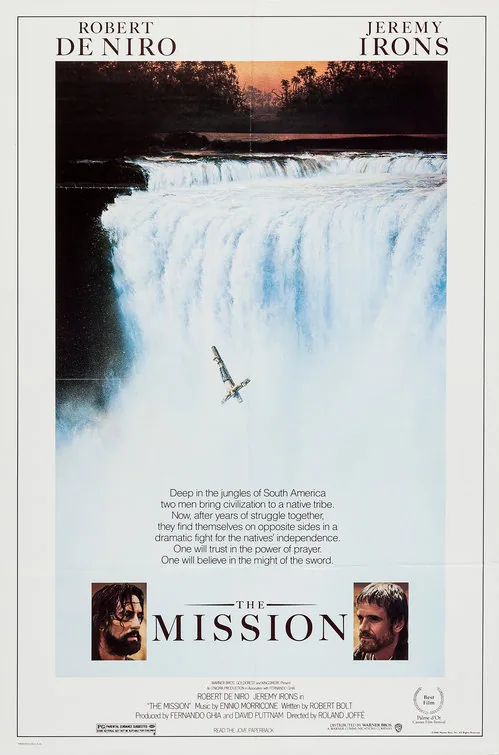
In eighteenth-century South America, mercenary and slave trader Rodrigo Mendoza enters Jesuit territory after a personal tragedy and eventually seeks atonement among the Guaraní people he once exploited. Jesuit Father Gabriel has built a mission where the community lives under growing threat from colonial authorities. When a treaty transfers the territory from Spain to Portugal, both the missionaries and Guaraní face the prospect of enslavement or expulsion. Mendoza and Gabriel disagree over whether to defend the mission through force or spiritual resistance. Roland Joffé’s drama turns a colonial political crisis into a moral conflict between two forms of action.
Based on recorded story, mood and style. Your preferences can change the order.
Political resistance
What changes The Secret Agent: layered historical narrative, slow-burn political suspense and interwoven character threads. Colonia: coup-driven opening, institutional infiltration and high-risk escape.
During Chile's 1973 coup, German flight attendant Lena is separated from her journalist boyfriend Daniel, who is abducted by the secret police. Searching for him, she enters Colonia Dignidad, a religious settlement that appears to be a charity but is controlled through coercion and surveillance. Lena joins the community and plans a dangerous escape with Daniel from within its closed compound. The historical thriller turns a rescue romance into a story of authoritarian power, institutional abuse, and courage under dictatorship.
Based on recorded story, mood and style. Your preferences can change the order.
Investigation
What changes The Secret Agent: layered historical narrative, slow-burn political suspense and interwoven character threads. The Interpreter: investigation and threat escalation.
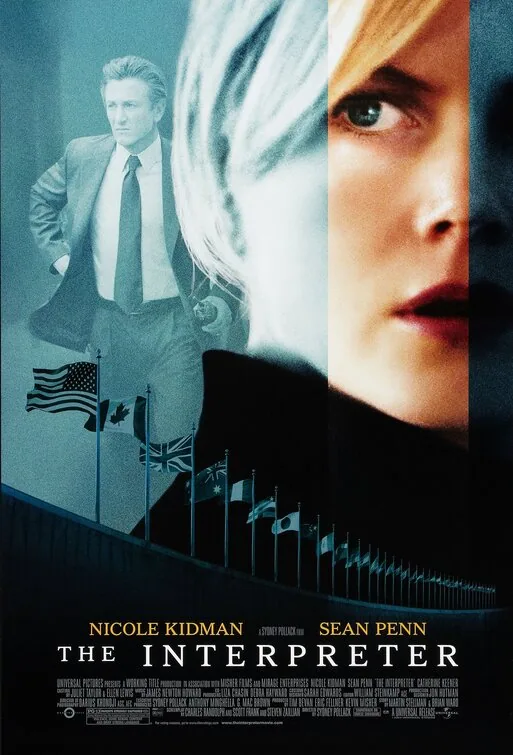
Silvia Broome works as an interpreter at the United Nations and overhears a conversation that appears to describe a plan to assassinate the president of the fictional country of Matobo. Secret Service agents Tobin Keller and Dot Woods investigate whether Silvia is a witness, a target or part of the plot. Her connection to Matobo’s political violence makes her account difficult to separate from grief and personal motive, while a high-profile UN visit creates a deadline. The film combines diplomatic procedure with a conspiracy mystery and keeps the fictional nation distinct from any one real country.
Based on recorded story, mood and style. Your preferences can change the order.
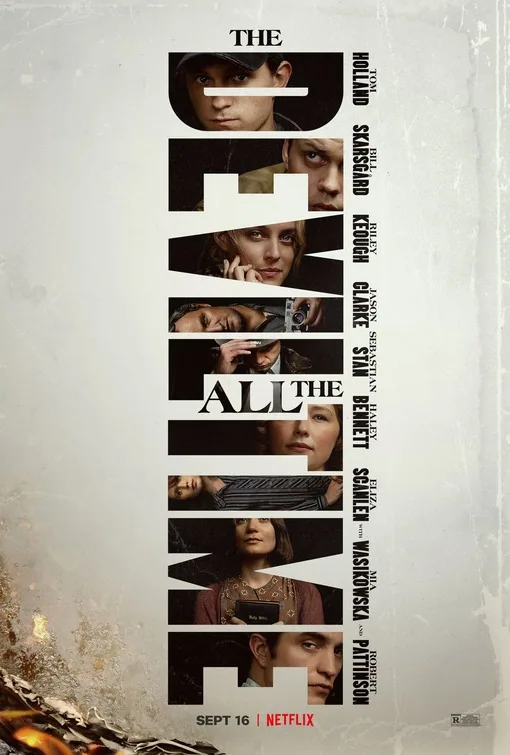
What changes The Secret Agent: layered historical narrative, slow-burn political suspense and interwoven character threads. The Devil All the Time: episodic and building dread.
In postwar Ohio and West Virginia, the lives of several families intersect through violence, faith and cycles of abuse. A young man grows up amid adults whose moral certainty often hides their own cruelty, and later choices draw him toward a wider pattern of corruption. Antonio Campos uses a sprawling cast and bleak rural settings to connect separate episodes into a crime drama about the damage people pass on.
Based on recorded story, mood and style. Your preferences can change the order.
Political resistance
What changes The Secret Agent: layered historical narrative, slow-burn political suspense and interwoven character threads. When Father Was Away on Business: episodic and gradual awareness.
In postwar Yugoslavia, young Malik experiences family life through the shifting explanations adults provide when his father Meša is sent away to a labor camp. The official account of the absence is not the same as the truth, and the family must adapt to a political system that reaches into private relationships. Malik’s childhood games and first attachments continue alongside a growing awareness that adult loyalties can be dangerous. Emir Kusturica’s film frames political pressure through an observant child’s partial understanding rather than through a conventional account of state institutions. The camera stays close to Malik, so political danger arrives as rumors, separations and changed routines. Adults guard their language because a child's innocence cannot shield the family.
Based on recorded story, mood and style. Your preferences can change the order.
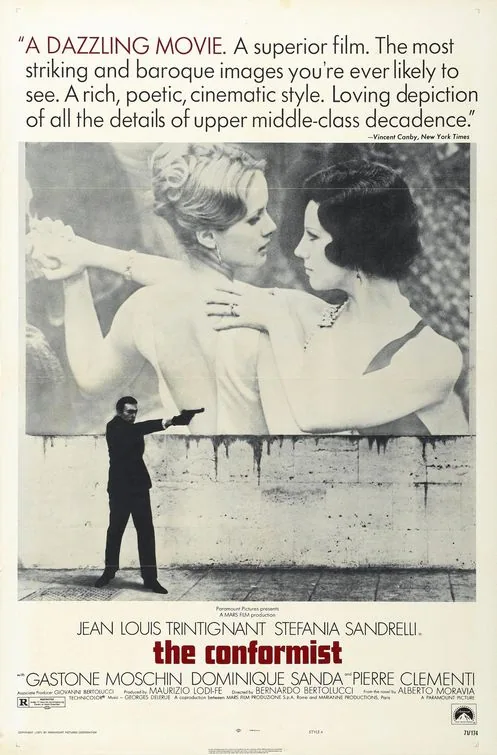
What changes The Secret Agent: layered historical narrative, slow-burn political suspense and interwoven character threads. The Conformist: measured and fragmented.
In Fascist Italy, Marcello Clerici seeks a respectable life and accepts an assignment from the secret police. His task takes him to Paris, where he and his new wife encounter his former professor, an outspoken opponent of the regime, and the professor’s wife. Political allegiance, desire and Marcello’s need to appear normal become entangled as he moves toward a betrayal.
Based on recorded story, mood and style. Your preferences can change the order.
Political resistance · Investigation
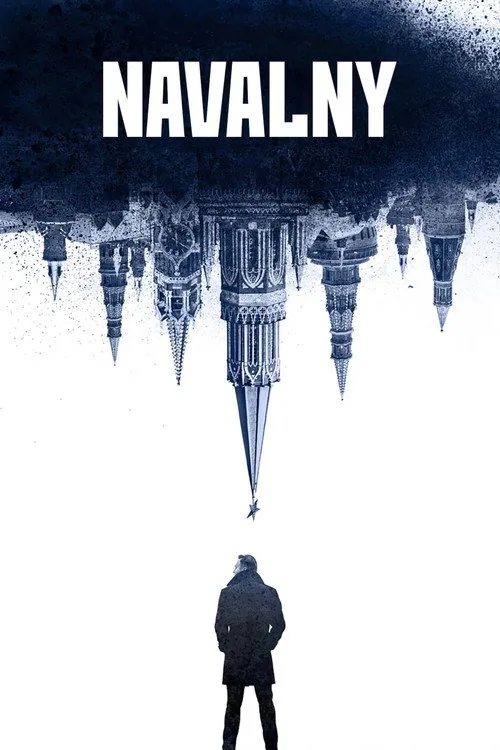
What changes The Secret Agent: layered historical narrative, slow-burn political suspense and interwoven character threads. Navalny: real-time investigative turns and escalating political tension.
Daniel Roher’s documentary follows Russian opposition politician Alexei Navalny after he survives a poisoning in 2020 and recovers in Germany. With his family and a team of investigative journalists, Navalny tries to identify those responsible and trace the operation through a mix of interviews, digital evidence, and direct contact with people connected to the case. The film unfolds as a political documentary thriller, combining an intimate portrait of its subject with the mechanics of an investigation and the risks of returning to public opposition.
Based on recorded story, mood and style. Your preferences can change the order.
Investigation
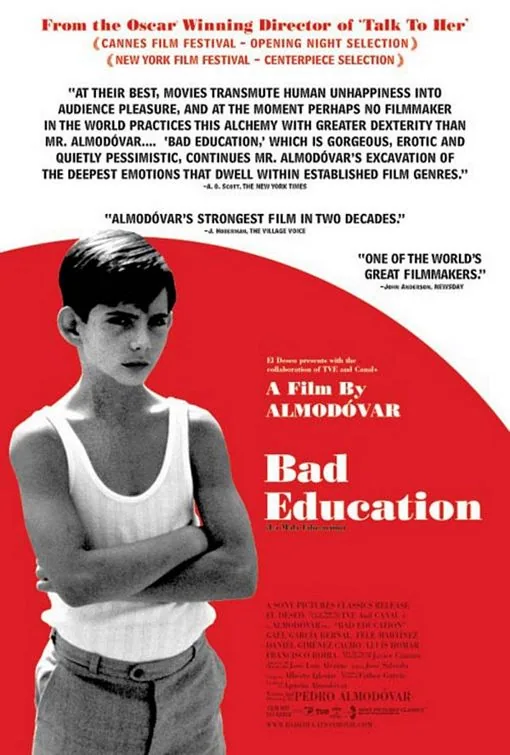
What changes The Secret Agent: layered historical narrative, slow-burn political suspense and interwoven character threads. Bad Education: measured.
Filmmaker Enrique receives a visit from someone claiming to be his former schoolmate Ignacio, who offers a story drawn from their time under a predatory priest. Enrique considers turning the account into a film, and the process opens competing layers of childhood memory, adult identity and performance. The visitor's claims change what Enrique thinks he knows, but a revealed deception does not make the abuse described by the story irrelevant. Almodóvar's saturated melodrama becomes a noir-like inquiry into authorship and desire, asking how a filmmaker can use another person's past without owning its truth.
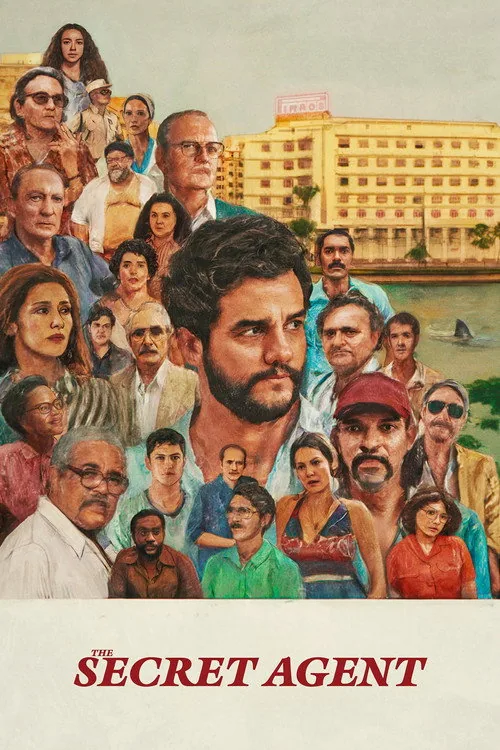
During Brazil's military dictatorship in 1977, former researcher Armando travels to Recife and adopts the name Marcelo while seeking refuge near his young son. He joins a network of dissidents and refugees as corrupt officials pursue their own investigation through the city. The story unfolds amid Carnival, surveillance, and the everyday risks of living under authoritarian rule, connecting a father's private search for family with a larger political climate. Kleber Mendonça Filho's historical thriller layers social observation and crime elements into a portrait of memory, resistance, and life under repression.
What drives the story
Armando's attempt to stay close to his son while under a new identity unfolds alongside a corrupt police inquiry.
The people at its centre
Dissidents and refugees form a fragile network around Marcelo, while his parental bond gives political flight a personal stake.
What it feels like
A patient historical thriller uses Carnival's public energy and police scrutiny to layer suspense with social detail.
Worth knowing
This is the 2025 Brazilian film of the same title, not a spy adaptation of Joseph Conrad's novel.
political repression and resistancememory across generationsfamily separation
Mood
tense · observant · haunted
Pacing
layered historical narrative · slow-burn political suspense · interwoven character threads
Visual style
1970s Recife period detail · Carnival color and crowds · surveillance-inflected urban framing
Storytelling
researcher hides under assumed identity · dissidents provide refuge during dictatorship · family search intersects with police investigation