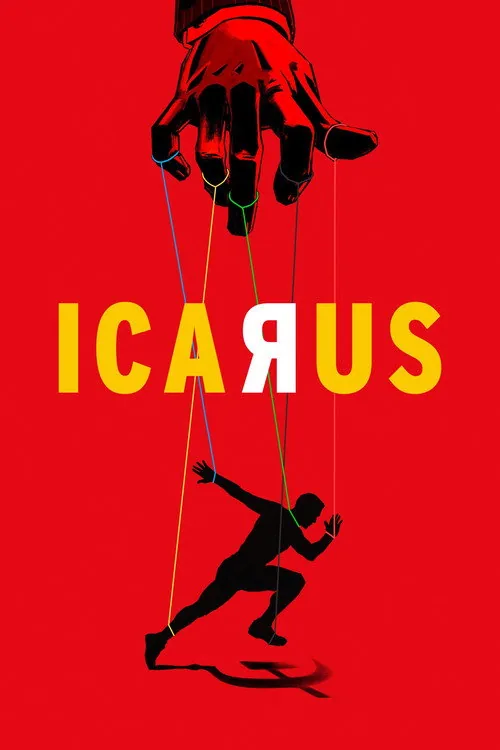
Fogel's attempt to test anti-doping methods leads him to investigate a far larger program after his scientific adviser becomes a whistleblower.
Why this matches +
These films share important themes, atmosphere or storytelling interests with this selection.
Genres: Documentary / Sport
Shared film traits
Based on recorded story, mood and style. Your preferences can change the order.
Investigation
What changes Its own story: Fogel's attempt to test anti-doping methods leads him to investigate a far larger program after his scientific adviser becomes a whistleblower.
Filmmaker and amateur cyclist Bryan Fogel begins an experiment to test how an athlete might evade drug testing, consulting Russian scientist Grigory Rodchenkov about performance-enhancing substances. As allegations of a state-backed Russian doping program emerge, the project changes from a personal investigation into an account of a major sports scandal. Rodchenkov becomes a whistleblower and flees to the United States, bringing evidence and personal danger with him. The documentary follows both the investigation and the uncertain cost of speaking publicly.
Poitras documents the meeting in which Snowden discloses NSA surveillance evidence to journalists and prepares to go public.
Why this matches +
These films share important themes, atmosphere or storytelling interests with this selection.
Genres: Documentary / History
Shared film traits
Based on recorded story, mood and style. Your preferences can change the order.
Investigation · Political resistance
What changes Its own story: Poitras documents the meeting in which Snowden discloses NSA surveillance evidence to journalists and prepares to go public.
Documentarian Laura Poitras receives encrypted messages from someone using the name Citizen Four and travels to Hong Kong with journalists Glenn Greenwald and Ewen MacAskill. There they meet Edward Snowden, who reveals classified information about government surveillance programs while protecting his identity inside a hotel room. The film records the disclosures as they unfold, including the reporters' decisions, Snowden's anxiety, and the public consequences that begin to follow. Its immediacy comes from watching an international news story develop in real time.
Basel keeps documenting demolitions and fighting displacement as the village's legal and political options narrow.
Why this matches +
These films share important themes, atmosphere or storytelling interests with this selection.
Genres: Documentary / History
Shared film traits
Based on recorded story, mood and style. Your preferences can change the order.
Political resistance
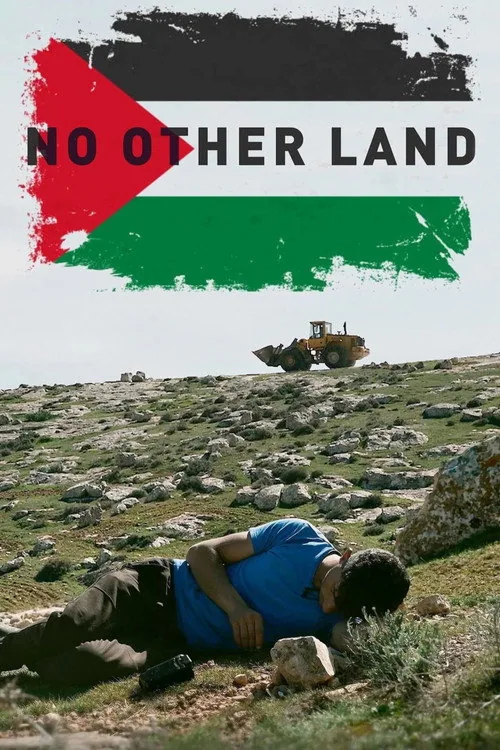
What changes Its own story: Basel keeps documenting demolitions and fighting displacement as the village's legal and political options narrow.
Filmed over several years, this documentary follows Palestinian activist Basel Adra as Israeli military authorities demolish homes and structures in the West Bank region of Masafer Yatta. Basel records the destruction and organizes with residents, while Israeli journalist Yuval Abraham joins him to report on the community's struggle. Their collaboration creates a personal friendship across unequal political positions without softening the ongoing displacement. The film is built from direct footage of protests, demolitions, and daily life, showing the work of bearing witness as a form of resistance.
Adi uses recordings and face-to-face conversations to ask former perpetrators about the killing of his brother and the history carried by his family.
Why this matches +
These films share important themes, atmosphere or storytelling interests with this selection.
Genres: Documentary / History
Shared film traits
Based on recorded story, mood and style. Your preferences can change the order.
Political resistance
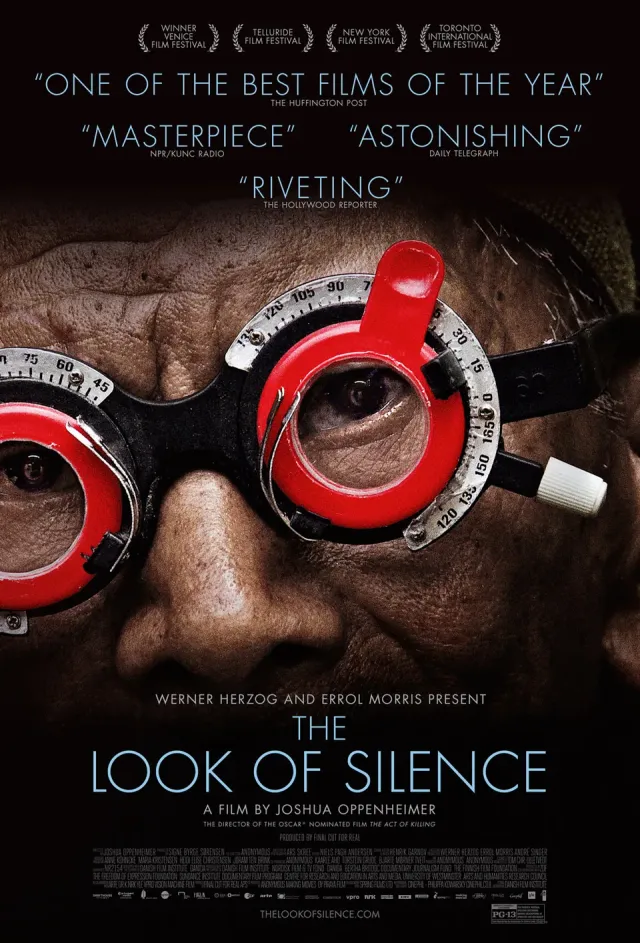
What changes Its own story: Adi uses recordings and face-to-face conversations to ask former perpetrators about the killing of his brother and the history carried by his family.
Adi Rukun, an Indonesian optometrist, grew up after his older brother Ramli was killed during the 1965–66 anti-communist purges. While serving customers, Adi watches recordings of former perpetrators describing the violence and decides to meet some of them with his family’s story in hand. He asks direct questions about what happened and how they understand their actions. Joshua Oppenheimer’s documentary centers on the risks and emotional strain of confronting a history that remains publicly unresolved.
Families attempt a perilous escape while a pastor and underground network help move them toward safety.
Why this matches +
These films share important themes, atmosphere or storytelling interests with this selection.
Genres: Documentary
Shared film traits
Based on recorded story, mood and style. Your preferences can change the order.
Political resistance
What changes Its own story: Families attempt a perilous escape while a pastor and underground network help move them toward safety.
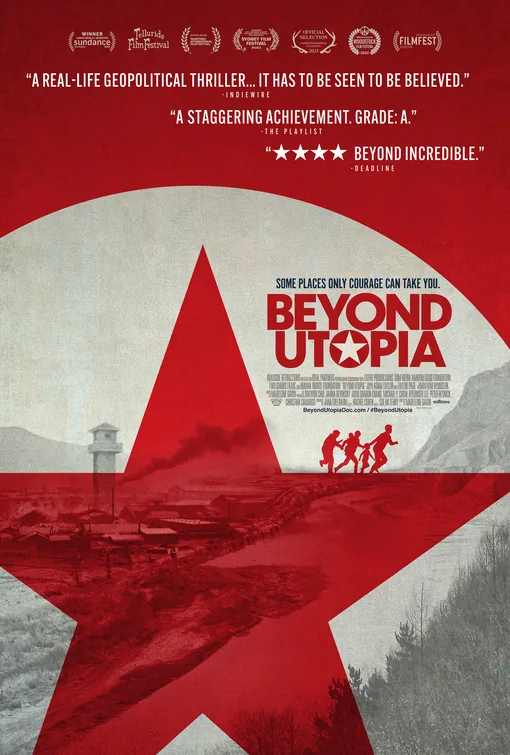
This documentary follows North Korean families attempting to escape through a dangerous route across borders and unfamiliar terrain. Their journeys are connected by a South Korean pastor who helps guide people toward safety, with relatives and intermediaries facing serious risks. The film combines recorded travel with testimony to show the uncertainty of escape, the work of assistance and the lasting consequences for people separated by political borders.
A government translator leaks a memo that could influence the Iraq invasion and is prosecuted for revealing it.
Why this matches +
These films share important themes, atmosphere or storytelling interests with this selection.
Genres: Drama / Thriller
The approach A dramatic feature rather than documentary footage.
Shared film traits
Based on recorded story, mood and style. Your preferences can change the order.
Investigation · Political resistance
What changes Its own story: A government translator leaks a memo that could influence the Iraq invasion and is prosecuted for revealing it.
In 2003, GCHQ translator Katharine Gun sees a request for intelligence that could help secure support for the invasion of Iraq. Believing the request is illegal and morally indefensible, she leaks a memo to the press, then faces arrest under Britain's Official Secrets Act. The film follows the effort to verify the story, the mounting pressure on Gun and her husband, and a legal case whose outcome depends on whether the government will disclose its own conduct.
Jones and his small team examine a vast record and try to substantiate what the CIA did during interrogation.
Why this matches +
These films explore a related idea in a different setting, genre or style.
An adjacent discovery: a related idea with a different viewing experience.
Genres: Drama / History
The approach A dramatic feature rather than documentary footage.
Shared film traits
Based on recorded story, mood and style. Your preferences can change the order.
Investigation · Political resistance
What changes Its own story: Jones and his small team examine a vast record and try to substantiate what the CIA did during interrogation.
In 2009, Senate staffer Daniel Jones is asked to review millions of pages of CIA records about the agency's post-9/11 interrogation program. Working with a small team, he documents how officials authorized and described the practices, while facing delays, political pressure, and resistance from the intelligence agency. Senator Dianne Feinstein backs the inquiry, but the report's publication becomes a struggle of its own. The political drama follows the patient work of assembling evidence and making an official record public.
The murder investigation becomes a fight over whether evidence can survive the pressure of a state that wants the crime reduced to a private or accidental act.
Why this matches +
These films explore a related idea in a different setting, genre or style.
An adjacent discovery: a related idea with a different viewing experience.
Genres: Drama / Thriller
The approach A dramatic feature rather than documentary footage.
Shared film traits
Based on recorded story, mood and style. Your preferences can change the order.
Investigation · Political resistance
What changes Its own story: The murder investigation becomes a fight over whether evidence can survive the pressure of a state that wants the crime reduced to a private or accidental act.
After a prominent Greek left-wing politician is attacked and dies following a public rally, a magistrate investigates the case despite pressure from officials who want it contained. Journalists and witnesses help expose the gap between the public account and the network of people who planned and concealed the violence. Costa-Gavras shapes the story as a political investigation, using an unnamed country and documentary-like urgency to connect individual testimony with institutional complicity. The title’s protest slogan becomes both a demand to remember the victim and a challenge to an attempted cover-up. Its reportorial momentum makes the investigation itself the chief source of suspense.
A politically motivated surveillance assignment turns a loyal operative's access to private evidence into a conflict between bureaucratic obedience and covert protection.
Why this matches +
These films explore a related idea in a different setting, genre or style.
An adjacent discovery: a related idea with a different viewing experience.
Genres: Drama / Thriller
The approach A dramatic feature rather than documentary footage.
Shared film traits
Based on recorded story, mood and style. Your preferences can change the order.
Political resistance
What changes Its own story: A politically motivated surveillance assignment turns a loyal operative's access to private evidence into a conflict between bureaucratic obedience and covert protection.
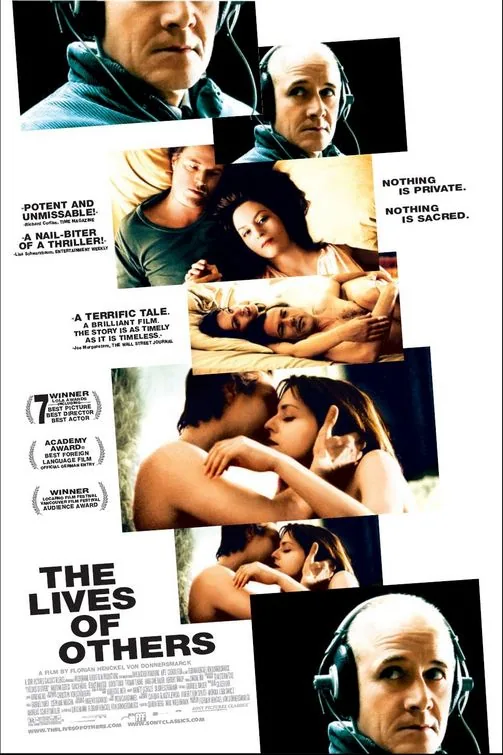
An East German surveillance officer is assigned to monitor a celebrated playwright and his partner, ostensibly for national security. Listening to their private life reveals artistic friendships, fear and a senior official's exploitative motive behind the operation. The officer's identification with people he is meant to expose creates small opportunities to intervene, but every altered report risks his position within an institution that treats conscience as disloyalty.
Former perpetrators devise cinematic scenes about their actions, and the filmmaking process brings their accounts into view alongside the human consequences they avoid.
Why this matches +
These films explore a related idea in a different setting, genre or style.
An adjacent discovery: a related idea with a different viewing experience.
Genres: Documentary / History
Shared film traits
Based on recorded story, mood and style. Your preferences can change the order.
Political resistance
What changes Its own story: Former perpetrators devise cinematic scenes about their actions, and the filmmaking process brings their accounts into view alongside the human consequences they avoid.
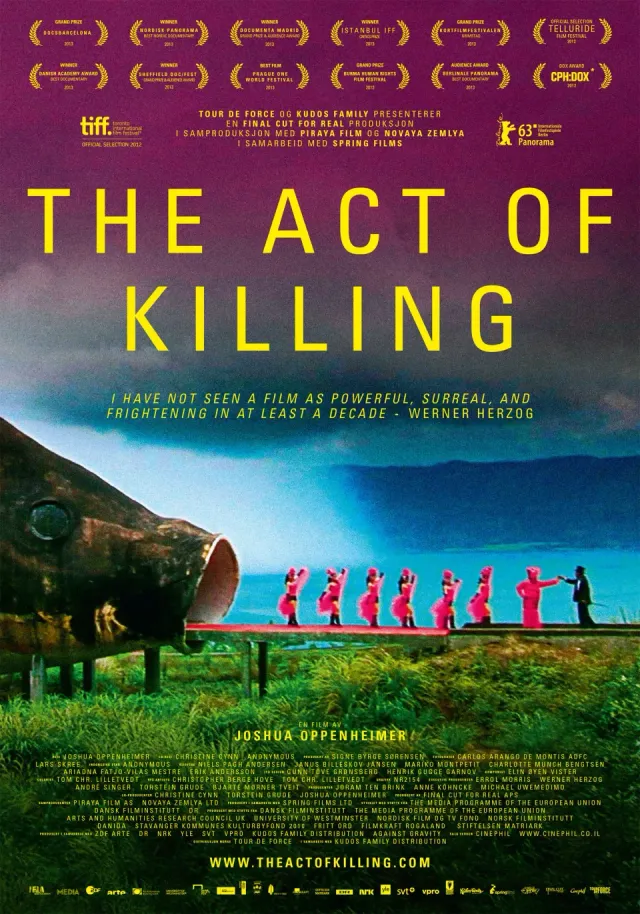
Documentarians give former Indonesian death-squad leader Anwar Congo and other men involved in the 1965–66 killings the freedom to stage scenes from their past in styles drawn from the movies they admire. The participants move between reenactment, interviews and everyday life, performing versions of their own histories while discussing how they understand them. Their choices expose the distance between public self-image and the violence remembered by victims and survivors.
McNamara’s explanations reveal both his willingness to criticize past decisions and his limits in accounting for them.
Why this matches +
These films explore a related idea in a different setting, genre or style.
An adjacent discovery: a related idea with a different viewing experience.
Genres: Documentary / History
Shared film traits
Based on recorded story, mood and style. Your preferences can change the order.
Investigation
What changes Its own story: McNamara’s explanations reveal both his willingness to criticize past decisions and his limits in accounting for them.
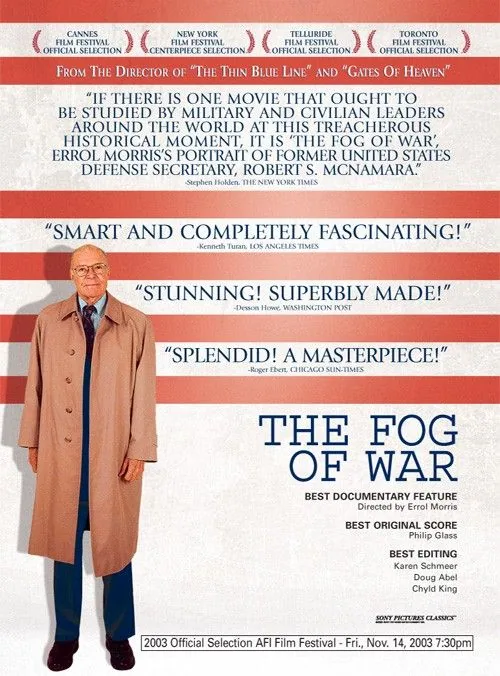
Director Errol Morris interviews former U.S. Secretary of Defense Robert McNamara, pairing his recollections with archival footage and recordings from government discussions. Structured around eleven lessons, the documentary follows McNamara’s life and examines his role in the bombing campaigns of World War II, the Cuban Missile Crisis and the escalation of the Vietnam War. He reflects on how leaders make decisions with incomplete information and sometimes speaks critically about his own actions. The film leaves viewers weighing the distance between strategic reasoning and human consequences.
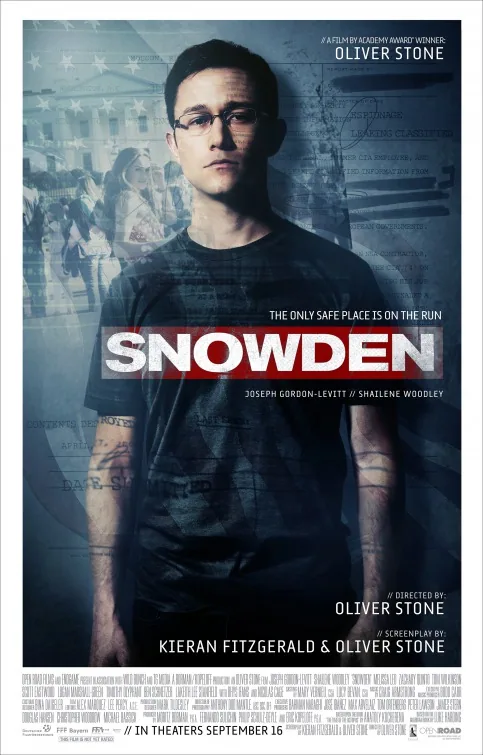
An intelligence contractor decides to disclose secret surveillance programs to journalists.
Why this matches +
These films explore a related idea in a different setting, genre or style.
An adjacent discovery: a related idea with a different viewing experience.
Genres: Drama / Thriller
The approach A dramatic feature rather than documentary footage.
Shared film traits
Based on recorded story, mood and style. Your preferences can change the order.
Political resistance
What changes Its own story: An intelligence contractor decides to disclose secret surveillance programs to journalists.
Edward Snowden's work as a U.S. intelligence contractor exposes him to the scale of government surveillance and the secrecy surrounding it. He eventually shares classified materials with journalists, leaving his career and life in the United States behind as the disclosures become public. Oliver Stone's political thriller traces the personal and institutional pressures that lead to the leak, mixing biographical scenes with an argument about privacy, national security, and the public's right to know.
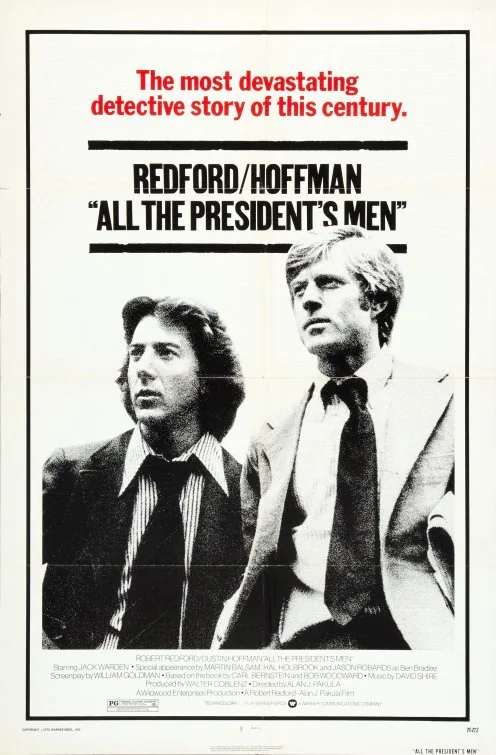
Small inconsistencies accumulate into a publishable case through interviews, documents and repeated verification.
Why this matches +
These films explore a related idea in a different setting, genre or style.
An adjacent discovery: a related idea with a different viewing experience.
Genres: Drama / Thriller
The approach A dramatic feature rather than documentary footage.
Shared film traits
Based on recorded story, mood and style. Your preferences can change the order.
Investigation
What changes Its own story: Small inconsistencies accumulate into a publishable case through interviews, documents and repeated verification.
Two newspaper reporters investigate a burglary whose apparently minor details lead towards senior political figures. Interviews, records and reluctant sources gradually reveal a larger operation, but each claim requires corroboration before publication. Their progress depends less on a single revelation than on patient persistence inside a newsroom negotiating evidence, risk and the pressure exerted by powerful people.
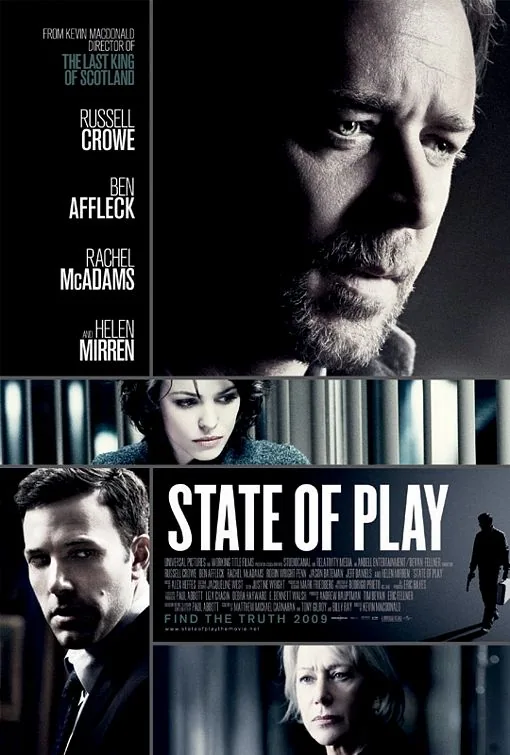
A suspicious death leads a reporter through political relationships and corporate interests that resist a simple explanation.
Why this matches +
These films explore a related idea in a different setting, genre or style.
An adjacent discovery: a related idea with a different viewing experience.
Genres: Drama / Thriller
The approach A dramatic feature rather than documentary footage.
Shared film traits
Based on recorded story, mood and style. Your preferences can change the order.
Investigation · Political resistance
What changes Its own story: A suspicious death leads a reporter through political relationships and corporate interests that resist a simple explanation.
A veteran newspaper reporter investigates the death of a congressional aide and discovers connections to the congressman’s private life and a defense contractor. His work intersects with a political blogger and editor as sources offer conflicting accounts and pressure grows to publish quickly. The newsroom thriller examines evidence, friendship and the cost of public scrutiny, while treating reporting as a process that can expose power but also damage people close to the reporter.
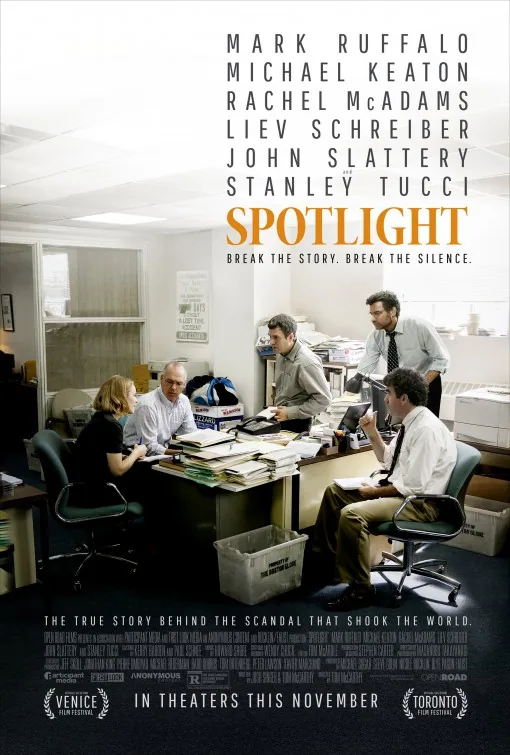
A local allegation expands into an investigation of systematic concealment, requiring documentary proof of institutional knowledge rather than another isolated accusation.
Why this matches +
These films explore a related idea in a different setting, genre or style.
An adjacent discovery: a related idea with a different viewing experience.
Genres: Drama / Biography
The approach A dramatic feature rather than documentary footage.
Shared film traits
Based on recorded story, mood and style. Your preferences can change the order.
Investigation
What changes Its own story: A local allegation expands into an investigation of systematic concealment, requiring documentary proof of institutional knowledge rather than another isolated accusation.
A newspaper's investigative team begins examining allegations against a Boston priest and encounters a pattern extending far beyond an individual offence. Reporters work through court records, reluctant witnesses and professional networks while institutional resistance repeatedly narrows what can be made public. The inquiry also forces them to confront how their own organisation previously missed opportunities to act, making publication a test of collective responsibility as well as evidentiary persistence.
Repeated analysis of a recorded conversation deepens a technician's uncertainty about the harm his work may enable.
Why this matches +
These films explore a related idea in a different setting, genre or style.
An adjacent discovery: a related idea with a different viewing experience.
Genres: Mystery / Thriller
The approach A dramatic feature rather than documentary footage.
Shared film traits
Based on recorded story, mood and style. Your preferences can change the order.
Investigation
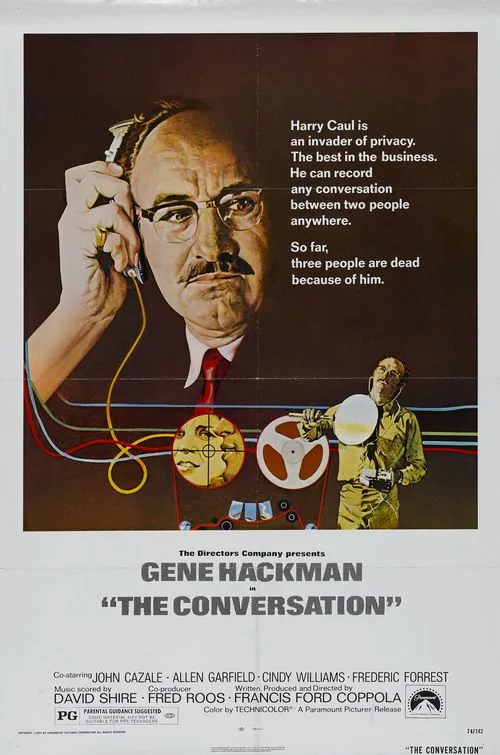
What changes Its own story: Repeated analysis of a recorded conversation deepens a technician's uncertainty about the harm his work may enable.
A surveillance specialist records a couple in a crowded square and becomes preoccupied with what their apparently ordinary exchange might mean. His professional distance is eroded by memories of an earlier job with deadly consequences. Replaying and refining the recording draws him into a situation where technical precision cannot guarantee understanding, and the observer begins to fear that he is also being watched.
The threat of publication links two risks: Wigand may lose his safety and livelihood, while CBS may suppress the interview to protect itself.
Why this matches +
These films explore a related idea in a different setting, genre or style.
An adjacent discovery: a related idea with a different viewing experience.
Genres: Drama / Thriller
The approach A dramatic feature rather than documentary footage.
Shared film traits
Based on recorded story, mood and style. Your preferences can change the order.
Investigation
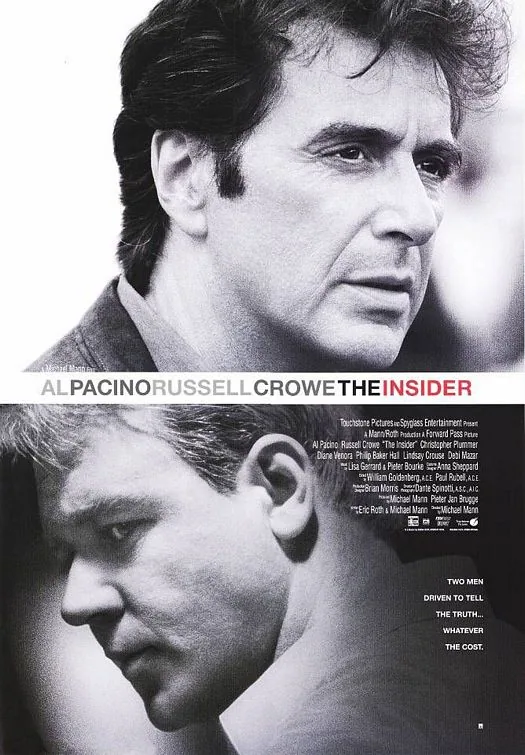
What changes Its own story: The threat of publication links two risks: Wigand may lose his safety and livelihood, while CBS may suppress the interview to protect itself.
CBS producer Lowell Bergman persuades former tobacco executive Jeffrey Wigand to explain what he knows about Brown & Williamson’s practices for a 60 Minutes investigation. Wigand’s confidentiality agreement, threats and family pressures make cooperation dangerous, while CBS executives worry about legal and financial exposure. As the broadcast is delayed and edited, Bergman must decide whether protecting the story means confronting the network that employs him. The film turns investigative reporting into a battle over sources, corporate pressure and newsroom independence, dramatizing real events without serving as a transcript of every participant’s perspective.
A Supreme Court fight over the Times's publication raises the stakes of the Post's own decision to print classified documents before a public offering.
Why this matches +
These films explore a related idea in a different setting, genre or style.
An adjacent discovery: a related idea with a different viewing experience.
Genres: Drama / Thriller
The approach A dramatic feature rather than documentary footage.
Shared film traits
Based on recorded story, mood and style. Your preferences can change the order.
Investigation · Political resistance
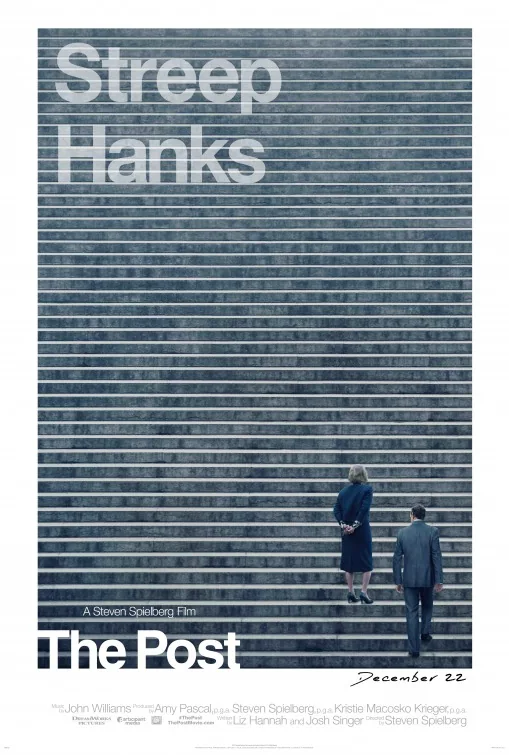
What changes Its own story: A Supreme Court fight over the Times's publication raises the stakes of the Post's own decision to print classified documents before a public offering.
In 1971, Washington Post publisher Katharine Graham weighs the future of the paper as it prepares for a public stock offering and faces pressure from the Nixon administration. After the New York Times is enjoined from publishing the Pentagon Papers, editor Ben Bradlee pushes the Post to obtain and print the documents. Graham must decide whether the paper's duty to readers outweighs legal risk, possible criminal charges and the financial exposure of a company about to go public. Reporters work to verify the leak while lawyers and board members argue over what can safely be published. The story follows a newsroom making an institutional choice under a deadline, with Graham's authority changing as she moves from social and business constraints toward editorial responsibility.
Garrison’s inquiry grows from doubts about a lone gunman into a sweeping institutional accusation. The trial organizes the case dramatically, but the film’s narrative is substantially broader than what a verdict or any single report could establish.
Why this matches +
These films explore a related idea in a different setting, genre or style.
An adjacent discovery: a related idea with a different viewing experience.
Genres: Drama / Thriller
The approach A dramatic feature rather than documentary footage.
Shared film traits
Based on recorded story, mood and style. Your preferences can change the order.
Investigation
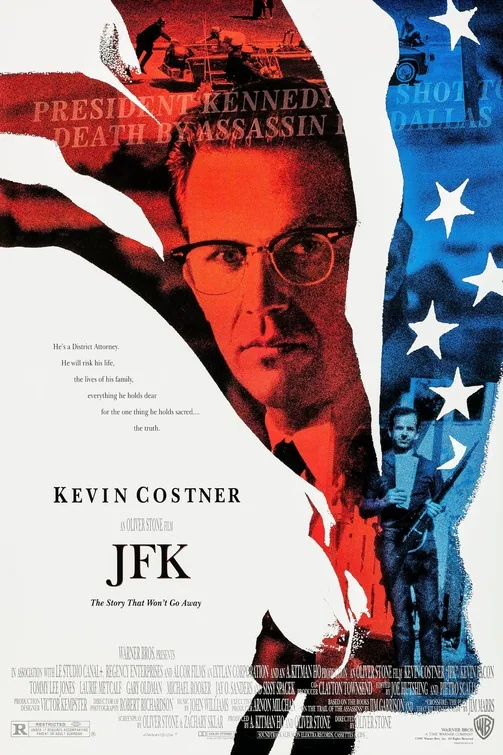
What changes Its own story: Garrison’s inquiry grows from doubts about a lone gunman into a sweeping institutional accusation. The trial organizes the case dramatically, but the film’s narrative is substantially broader than what a verdict or any single report could establish.
New Orleans district attorney Jim Garrison reopens questions around President Kennedy’s assassination after rejecting the Warren Commission’s account. Interviews and reconstructions lead him toward a theory that stretches from Lee Harvey Oswald to a possible conspiracy involving intelligence agencies and political power. A courtroom presentation gives the inquiry a public climax, but the film’s rapid montage has already mixed recorded evidence, dramatized scenes and imagined connections into a single persuasive current. Its argument should be attributed to Oliver Stone’s political thriller rather than repeated as settled history. The House Select Committee on Assassinations later reached its own, qualified conclusion of probable conspiracy based in part on acoustic evidence; that finding does not validate every person, motive or causal link the film proposes.
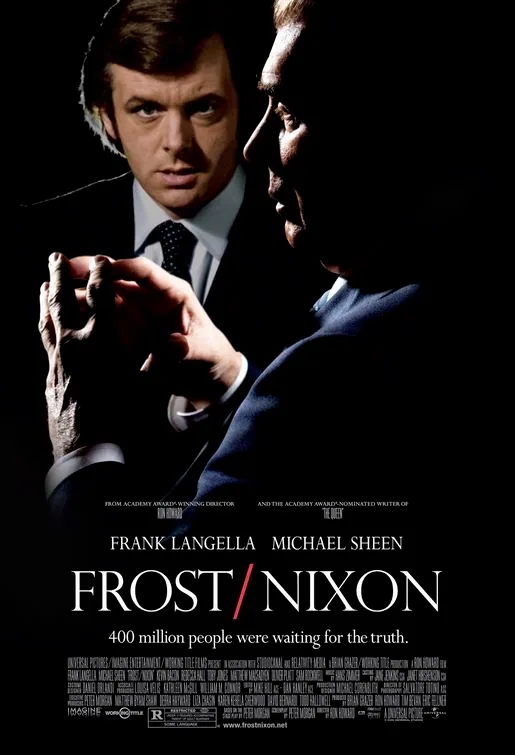
A privately financed interview becomes a struggle for control when the subject's rehabilitation strategy clashes with the interviewer's need to establish political accountability.
Why this matches +
These films explore a related idea in a different setting, genre or style.
An adjacent discovery: a related idea with a different viewing experience.
Genres: Drama / History
The approach A dramatic feature rather than documentary footage.
Shared film traits
Based on recorded story, mood and style. Your preferences can change the order.
Investigation
What changes Its own story: A privately financed interview becomes a struggle for control when the subject's rehabilitation strategy clashes with the interviewer's need to establish political accountability.
A television interviewer risks money and professional credibility on conversations with a former president seeking to restore his reputation. The participants enter the sessions with different objectives, and Nixon's command of public performance initially defeats Frost's preparation. Researchers and producers press for accountability while commercial pressures threaten the project itself. The drama makes an interview into a contest over who can define the meaning of a political past, with reputational survival giving both men an urgent personal stake.
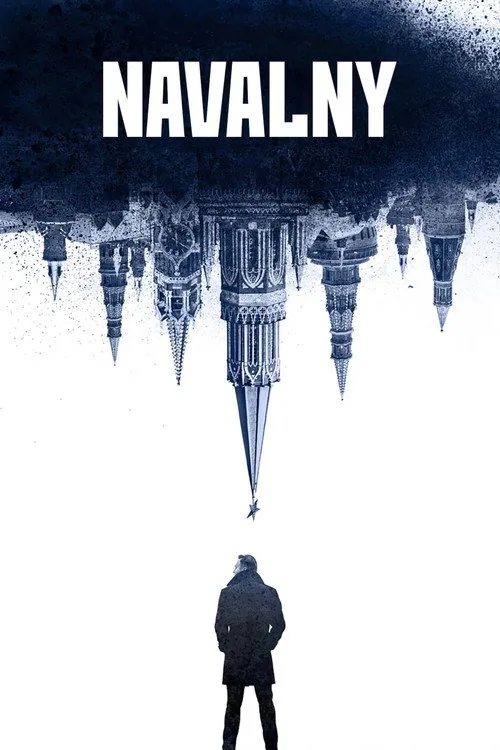
Daniel Roher’s documentary follows Russian opposition politician Alexei Navalny after he survives a poisoning in 2020 and recovers in Germany. With his family and a team of investigative journalists, Navalny tries to identify those responsible and trace the operation through a mix of interviews, digital evidence, and direct contact with people connected to the case. The film unfolds as a political documentary thriller, combining an intimate portrait of its subject with the mechanics of an investigation and the risks of returning to public opposition.
What drives the story
Navalny and the journalists test leads and evidence to identify those behind the attempt on his life.
The people at its centre
The film centers on Navalny’s partnership with his wife and investigative team while documenting his public and private risks.
What it feels like
It combines access-driven biography with procedural tension and a direct view of investigative methods.
Worth knowing
The film documents a real political investigation and should not be approached as a fictional spy thriller.
political oppositiontruth-seeking and accountabilitycourage and personal risk
Mood
tense · investigative · intimate
Pacing
real-time investigative turns · escalating political tension
Visual style
direct observational footage · video calls and digital evidence · intimate interview scenes
Storytelling
documentary follows a poisoning investigation · journalists trace a covert operation · political figure and family in exile