Both share observational documentary, plus themes of memory and political violence.
Why this matches +
Genres: Documentary / History
Shared film traits
Based on recorded story, mood and style. Your preferences can change the order.
Memory and identity · Political resistance
Expect unsettling and provocative, with patient and episodic pacing.
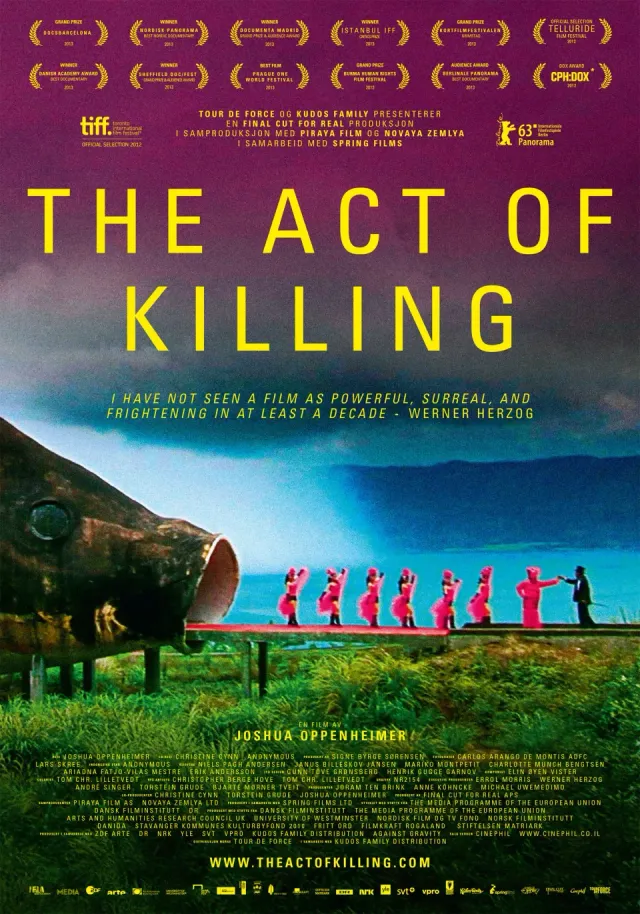
Documentarians give former Indonesian death-squad leader Anwar Congo and other men involved in the 1965–66 killings the freedom to stage scenes from their past in styles drawn from the movies they admire. The participants move between reenactment, interviews and everyday life, performing versions of their own histories while discussing how they understand them. Their choices expose the distance between public self-image and the violence remembered by victims and survivors.
Both share themes of grief, plus a reflective atmosphere.
Why this matches +
Genres: Documentary
Shared film traits
Based on recorded story, mood and style. Your preferences can change the order.
Memory and identity · Family and care
What changes The Look of Silence: patient, conversation-based and cumulatively revealing. The Remarkable Life of Ibelin: interwoven, reflective and gradually expansive.
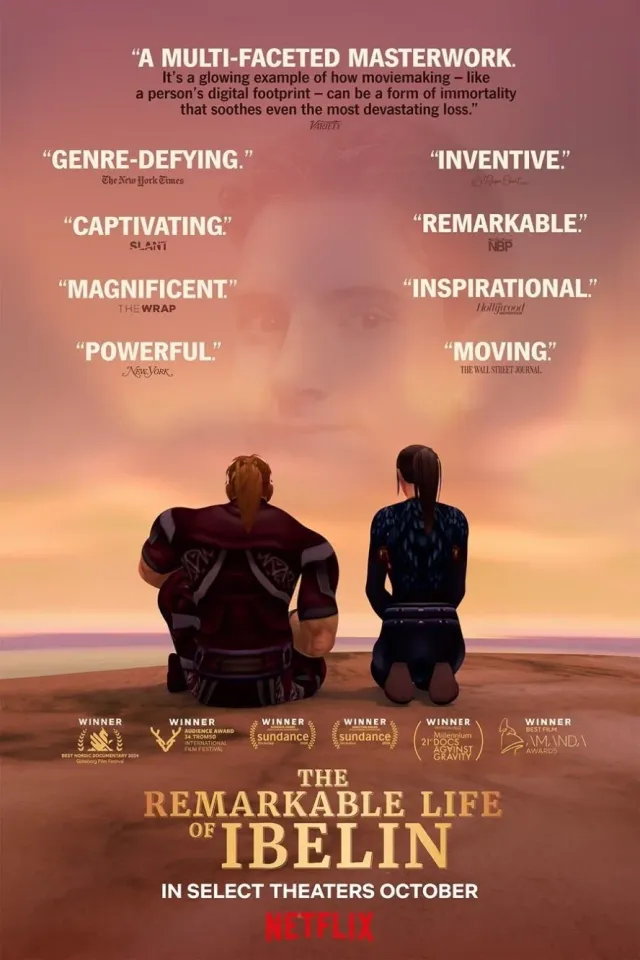
Norwegian gamer Mats Steen lived with Duchenne muscular dystrophy and spent much of his life connecting with others through the online role-playing game World of Warcraft. After his death, his parents learn that people across the world knew him through the character he played and the relationships he built online. Benjamin Ree's documentary combines interviews, family archives and animated game sequences to reconsider what a meaningful social life can look like.
Both share themes of memory and family, plus a reflective atmosphere.
Why this matches +
Genres: Documentary / Biography
Shared film traits
Based on recorded story, mood and style. Your preferences can change the order.
Memory and identity · Family and care
What changes The Look of Silence: patient, conversation-based and cumulatively revealing. Still: A Michael J. Fox Movie: interwoven, brisk and reflective.
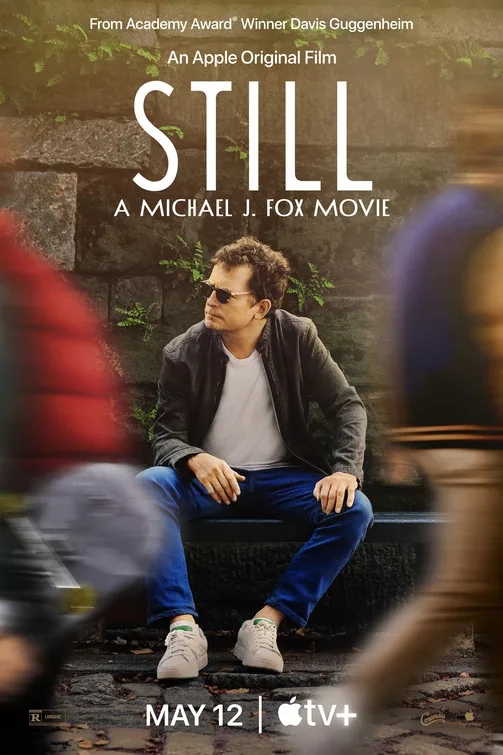
Michael J. Fox looks back on his childhood, acting career, family life and public advocacy while speaking candidly about living with Parkinson's disease. Davis Guggenheim combines a present-day interview with archival footage and dramatized images evoking Fox's memories and physical experience. The documentary moves between fame, illness, resilience and private relationships, showing how a familiar screen persona and a changing body coexist in one life.
Based on recorded story, mood and style. Your preferences can change the order.
Political resistance
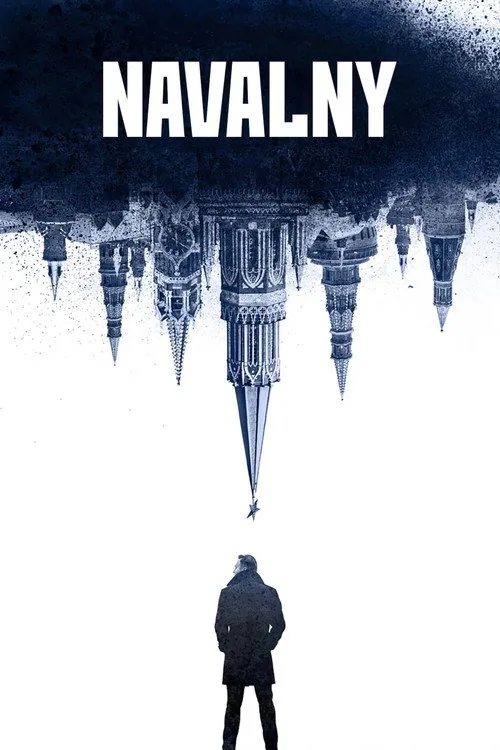
What changes The Look of Silence: patient, conversation-based and cumulatively revealing. Navalny: real-time investigative turns and escalating political tension.
Daniel Roher’s documentary follows Russian opposition politician Alexei Navalny after he survives a poisoning in 2020 and recovers in Germany. With his family and a team of investigative journalists, Navalny tries to identify those responsible and trace the operation through a mix of interviews, digital evidence, and direct contact with people connected to the case. The film unfolds as a political documentary thriller, combining an intimate portrait of its subject with the mechanics of an investigation and the risks of returning to public opposition.
Based on recorded story, mood and style. Your preferences can change the order.
Political resistance
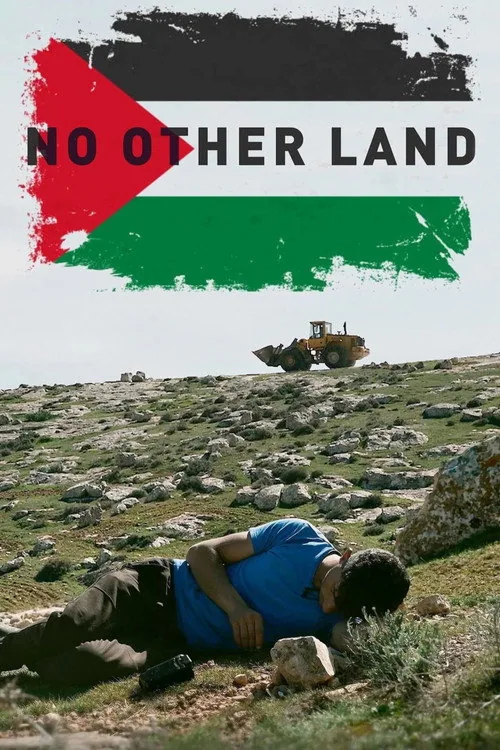
What changes The Look of Silence: patient, conversation-based and cumulatively revealing. No Other Land: long-term observational record, recurring demolition and protest cycles and open-ended political urgency.
Filmed over several years, this documentary follows Palestinian activist Basel Adra as Israeli military authorities demolish homes and structures in the West Bank region of Masafer Yatta. Basel records the destruction and organizes with residents, while Israeli journalist Yuval Abraham joins him to report on the community's struggle. Their collaboration creates a personal friendship across unequal political positions without softening the ongoing displacement. The film is built from direct footage of protests, demolitions, and daily life, showing the work of bearing witness as a form of resistance.
Both share observational documentary, plus themes of family.
Why this matches +
Genres: Documentary
Shared film traits
Based on recorded story, mood and style. Your preferences can change the order.
Memory and identity · Family and care
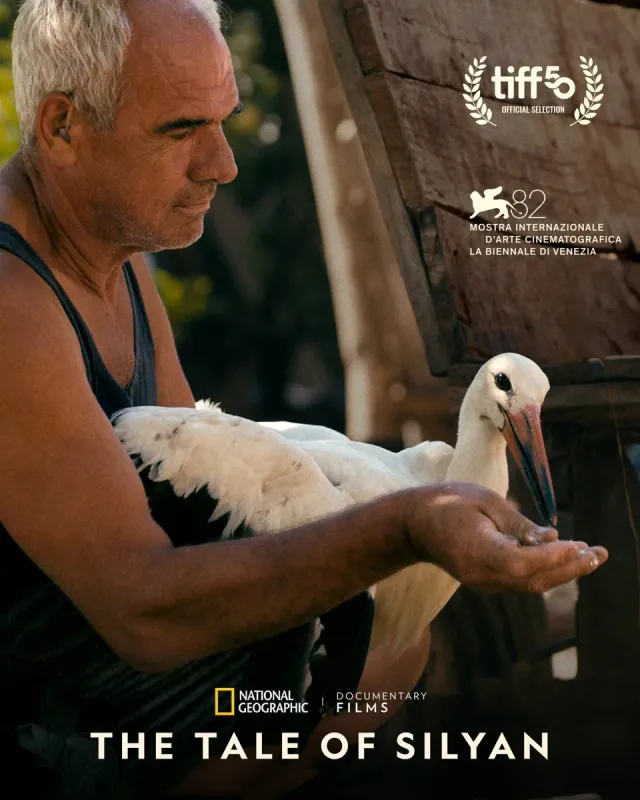
What changes The Look of Silence is tagged quiet and unsettling; The Tale of Silyan is tagged tender and contemplative.
In North Macedonia, farmer Nikola faces economic hardship as members of his family leave to seek work abroad. He encounters an injured white stork, Silyan, and their developing bond becomes the center of a documentary shaped by a local folktale. Tamara Kotevska connects the farmer’s changing life with migration, rural work, and the fragile relationship between people, animals, and the land around them.
Both share themes of memory, plus a reflective atmosphere.
Why this matches +
Genres: Documentary / History
Shared film traits
Based on recorded story, mood and style. Your preferences can change the order.
Memory and identity · Power and authority
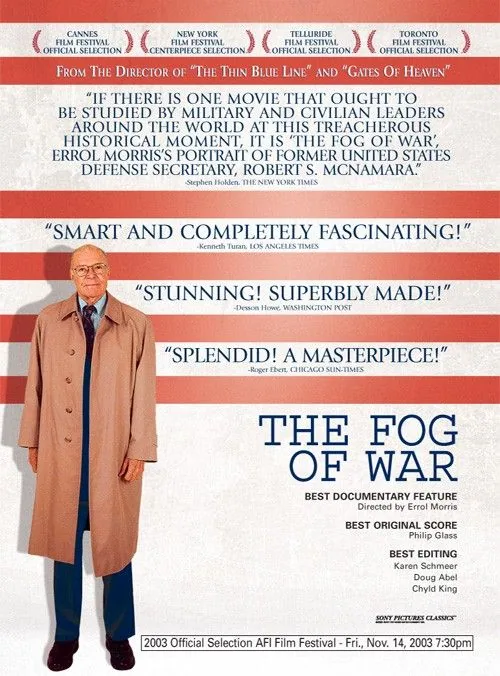
What changes The Look of Silence: patient, conversation-based and cumulatively revealing. The Fog of War: interviews and archival sequences move between mcnamara’s career and major crises and retrospective judgments.
Director Errol Morris interviews former U.S. Secretary of Defense Robert McNamara, pairing his recollections with archival footage and recordings from government discussions. Structured around eleven lessons, the documentary follows McNamara’s life and examines his role in the bombing campaigns of World War II, the Cuban Missile Crisis and the escalation of the Vietnam War. He reflects on how leaders make decisions with incomplete information and sometimes speaks critically about his own actions. The film leaves viewers weighing the distance between strategic reasoning and human consequences.
Based on recorded story, mood and style. Your preferences can change the order.
Political resistance · Family and care
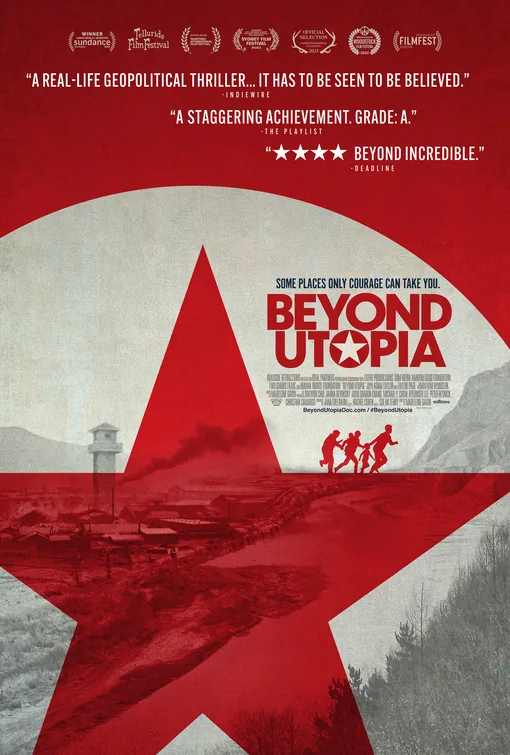
What changes The Look of Silence: patient, conversation-based and cumulatively revealing. Beyond Utopia: forward-moving, suspenseful and interwoven.
This documentary follows North Korean families attempting to escape through a dangerous route across borders and unfamiliar terrain. Their journeys are connected by a South Korean pastor who helps guide people toward safety, with relatives and intermediaries facing serious risks. The film combines recorded travel with testimony to show the uncertainty of escape, the work of assistance and the lasting consequences for people separated by political borders.
Both share themes of family, plus a reflective atmosphere.
Why this matches +
Genres: Documentary / Biographical
Shared film traits
Based on recorded story, mood and style. Your preferences can change the order.
Memory and identity · Family and care
What changes The Look of Silence: patient, conversation-based and cumulatively revealing. Super/Man: The Christopher Reeve Story: chronological, reflective and emotionally cumulative.
This documentary traces Christopher Reeve's rise from stage and screen actor to international icon as Superman, then follows the profound changes after a riding accident left him paralyzed. Interviews with family, friends and colleagues are combined with archival footage to examine his public advocacy, private adaptation and changing sense of identity. Ian Bonhôte and Peter Ettedgui frame Reeve's life as an account of performance, disability, family care and continued purpose.
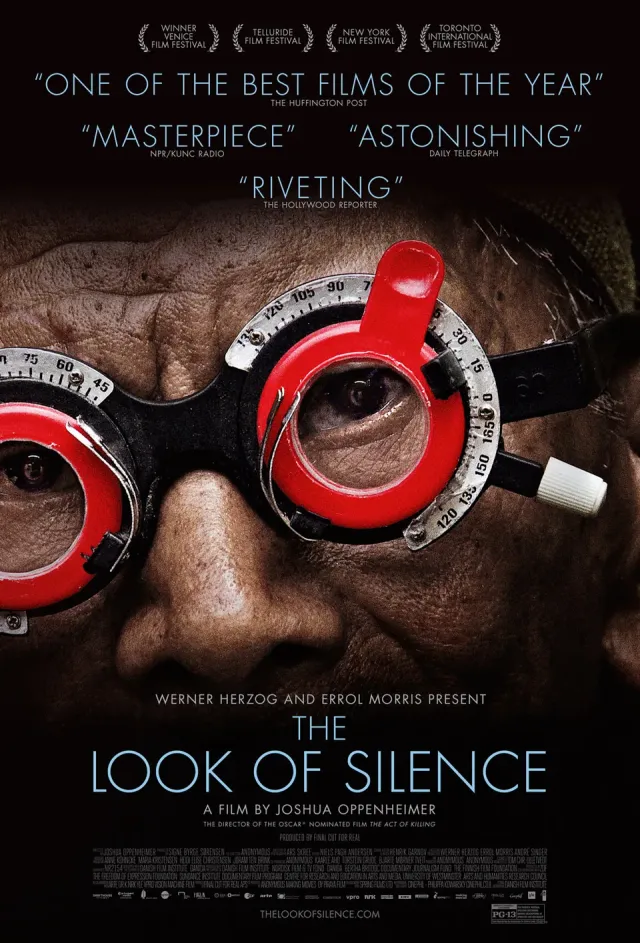
Adi Rukun, an Indonesian optometrist, grew up after his older brother Ramli was killed during the 1965–66 anti-communist purges. While serving customers, Adi watches recordings of former perpetrators describing the violence and decides to meet some of them with his family’s story in hand. He asks direct questions about what happened and how they understand their actions. Joshua Oppenheimer’s documentary centers on the risks and emotional strain of confronting a history that remains publicly unresolved.
What drives the story
Adi uses recordings and face-to-face conversations to ask former perpetrators about the killing of his brother and the history carried by his family.
The people at its centre
Adi’s calm questioning contrasts with interviewees’ defensive or reflective responses, while his family weighs the personal danger of speaking openly.
What it feels like
Quiet domestic moments and direct conversations create a tense portrait of memory and accountability without turning confrontation into spectacle.
Worth knowing
Its focus on a victim’s brother asking questions contrasts with The Act of Killing’s emphasis on perpetrators staging their own cinematic reenactments.