Explore films connected to The Act of Killing through memory, political violence, impunity. Choose the qualities you want to carry into your next watch.
What should feel similar?
Find your next favourite
9 films · Closest overall matches
Hide films you’ve seen or don’t want. Saved on this device.
No matches for this combination yet.
Try another option or reset your choices to see more films.
Both share observational documentary, plus themes of memory and political violence.
Why this matches +
Genres: Documentary / History
Shared film traits
Based on recorded story, mood and style. Your preferences can change the order.
Power and authority · Political resistance
Expect quiet and unsettling, with patient and conversation-based pacing.
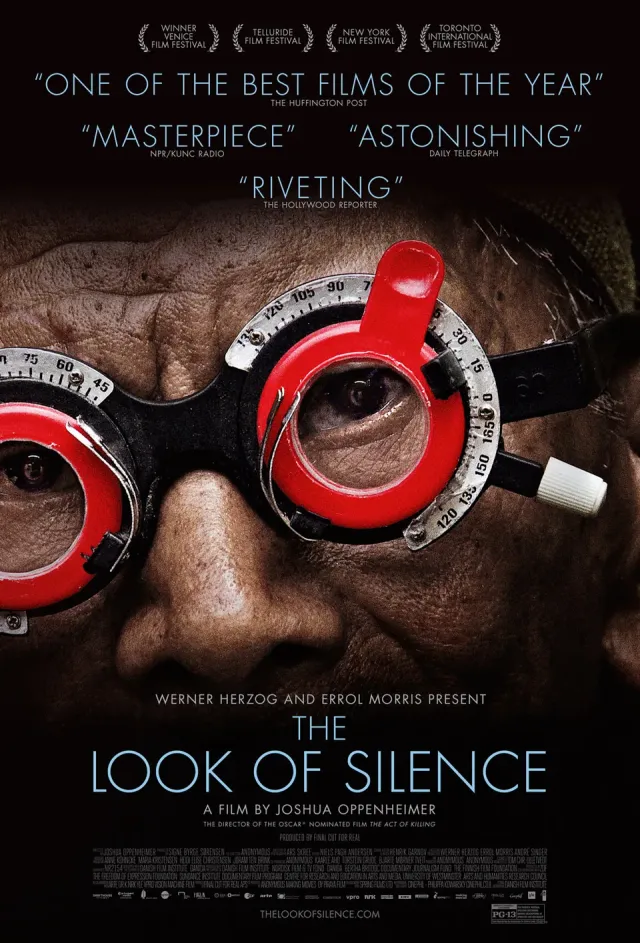
Adi Rukun, an Indonesian optometrist, grew up after his older brother Ramli was killed during the 1965–66 anti-communist purges. While serving customers, Adi watches recordings of former perpetrators describing the violence and decides to meet some of them with his family’s story in hand. He asks direct questions about what happened and how they understand their actions. Joshua Oppenheimer’s documentary centers on the risks and emotional strain of confronting a history that remains publicly unresolved.
Based on recorded story, mood and style. Your preferences can change the order.
Power and authority · Political resistance
What changes The Act of Killing: patient, episodic and cumulatively revealing. Shoah: durational, cumulative, deliberate and reflective.
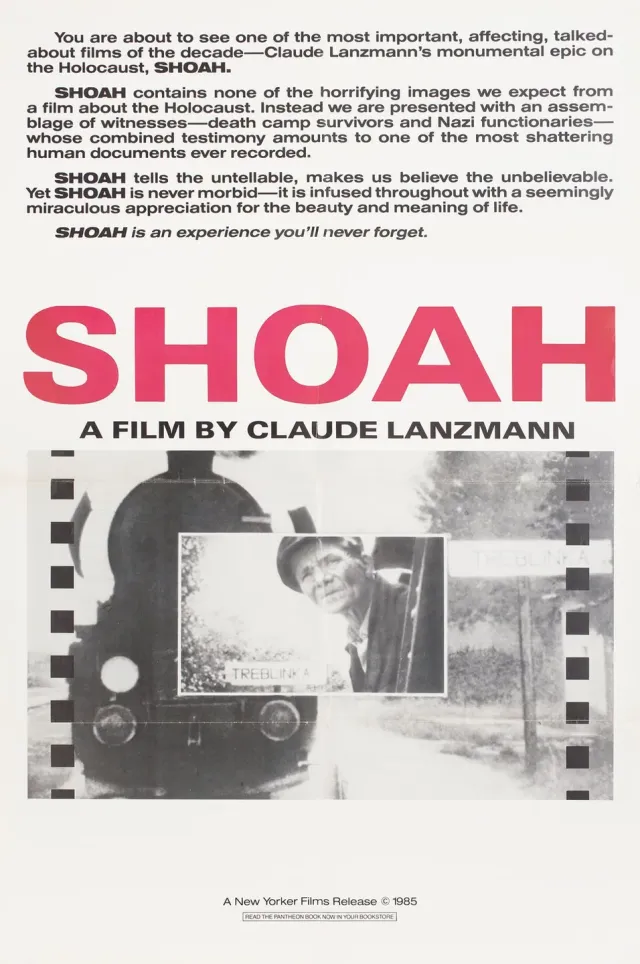
Claude Lanzmann’s documentary returns to Holocaust sites in Poland and builds its account through extended interviews with survivors, witnesses and perpetrators. Its conversations and location visits focus particularly on Chełmno, Treblinka, Auschwitz-Birkenau and the Warsaw Ghetto. Rather than present the history as a short narrated overview, the film gives testimony time to unfold, following memories, evasions and difficult acts of explanation across languages and perspectives. Made over eleven years and running more than nine hours, it asks viewers to stay with individual accounts and with the landscapes where mass murder occurred. The work’s scale and patient method make remembrance an encounter with people who experienced, observed or carried out the events.
Both share themes of memory and responsibility, plus a reflective atmosphere.
Why this matches +
Genres: Documentary / History
Shared film traits
Based on recorded story, mood and style. Your preferences can change the order.
Power and authority · Memory and identity
What changes The Act of Killing: patient, episodic and cumulatively revealing. The Fog of War: interviews and archival sequences move between mcnamara’s career and major crises and retrospective judgments.
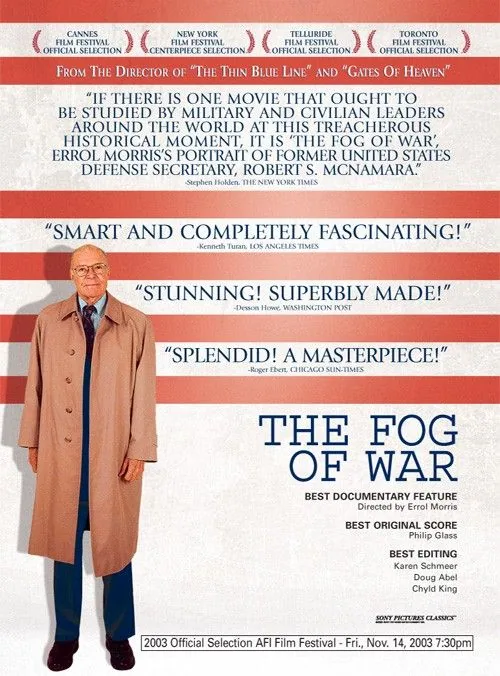
Director Errol Morris interviews former U.S. Secretary of Defense Robert McNamara, pairing his recollections with archival footage and recordings from government discussions. Structured around eleven lessons, the documentary follows McNamara’s life and examines his role in the bombing campaigns of World War II, the Cuban Missile Crisis and the escalation of the Vietnam War. He reflects on how leaders make decisions with incomplete information and sometimes speaks critically about his own actions. The film leaves viewers weighing the distance between strategic reasoning and human consequences.
Based on recorded story, mood and style. Your preferences can change the order.
Political resistance · Memory and identity
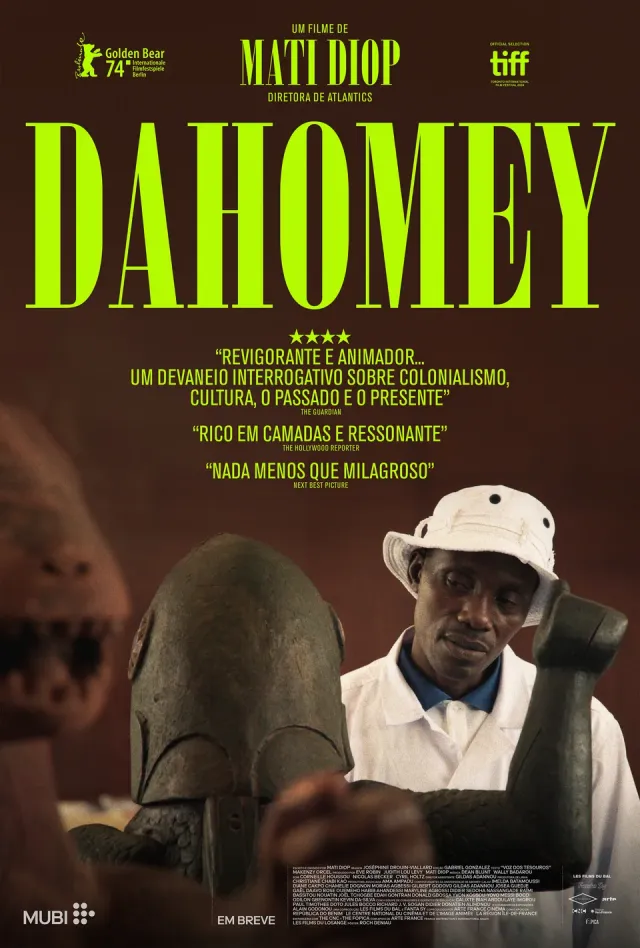
What changes The Act of Killing: patient, episodic and cumulatively revealing. Dahomey: essayistic, contemplative and dialogic.
Mati Diop's documentary follows the return of royal artifacts looted from the Kingdom of Dahomey and held for generations in France. The objects arrive in present-day Benin, where students and others debate what repatriation can repair, what remains absent and who has the authority to speak for the past. Alongside the public discussion, the film gives an imagined voice to one returned statue, connecting material history with memory, colonial power and cultural inheritance.
Based on recorded story, mood and style. Your preferences can change the order.
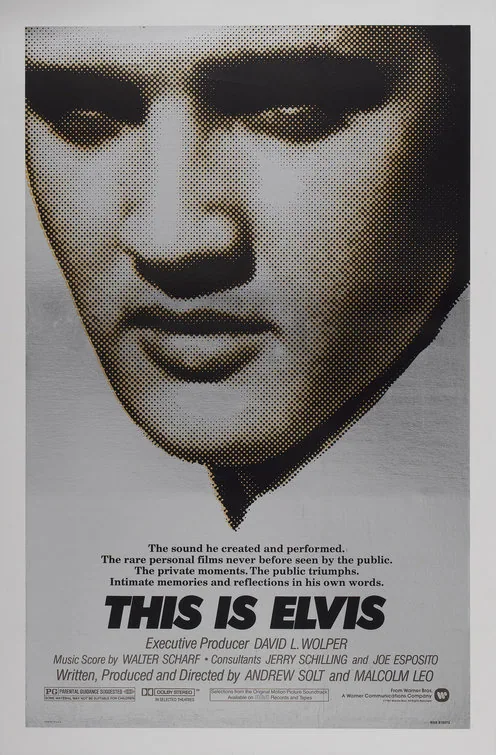
What changes The Act of Killing: patient, episodic and cumulatively revealing. This Is Elvis: chronological and montage-driven.
This documentary traces Elvis Presley's life through archival performances, news footage and dramatized segments with actors. It moves from early success through major career changes and later personal strain, using the performer’s public image as a guide to a more complicated private story. The film asks how audiences can remember a figure whose work and vulnerability were both made public.
Based on recorded story, mood and style. Your preferences can change the order.
Memory and identity
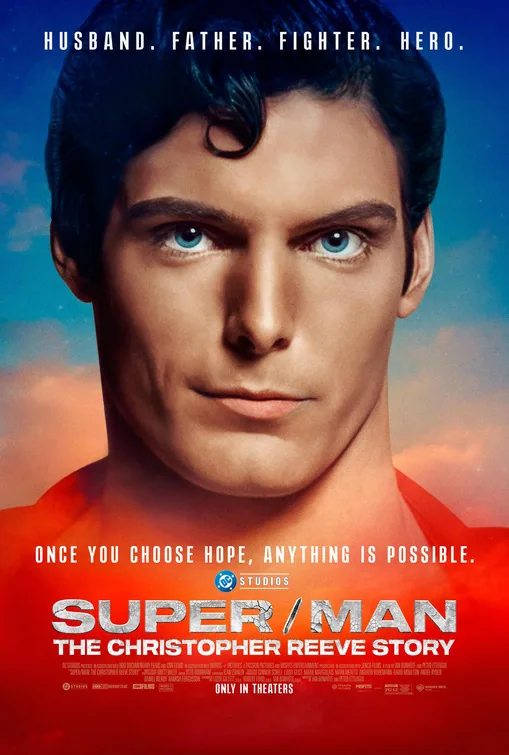
What changes The Act of Killing: patient, episodic and cumulatively revealing. Super/Man: The Christopher Reeve Story: chronological, reflective and emotionally cumulative.
This documentary traces Christopher Reeve's rise from stage and screen actor to international icon as Superman, then follows the profound changes after a riding accident left him paralyzed. Interviews with family, friends and colleagues are combined with archival footage to examine his public advocacy, private adaptation and changing sense of identity. Ian Bonhôte and Peter Ettedgui frame Reeve's life as an account of performance, disability, family care and continued purpose.
Both share themes of memory, plus an unsettling atmosphere.
Why this matches +
Genres: Documentary / Crime
Shared film traits
Based on recorded story, mood and style. Your preferences can change the order.
Power and authority · Memory and identity
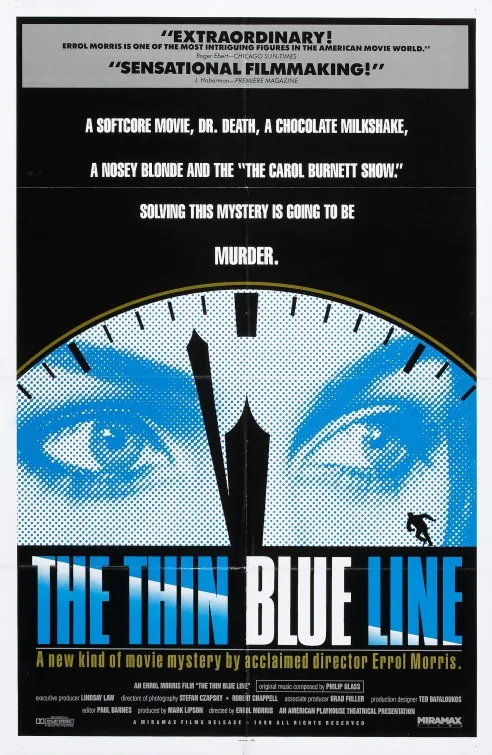
What changes The Act of Killing: patient, episodic and cumulatively revealing. The Thin Blue Line: interview-driven inquiry, repeated reconstruction, accumulating contradictions and open evidentiary question.
Errol Morris reexamines the 1976 murder of Dallas police officer Robert Wood and the conviction of Randall Adams, a man sentenced to death for the crime. Through interviews with Adams, David Harris, police officers, lawyers and witnesses, the documentary tests how testimony and memory shaped the case. Stylized reenactments return to key moments from different angles, exposing contradictions without presenting a conventional omniscient reconstruction. Rather than relying on a narrator to settle every uncertainty, the film makes the viewer compare claims, motives and visual evidence. Its investigation asks how an official story becomes accepted and what can happen when courts, police and witnesses fail to question it. The result is both a true-crime inquiry and a study of the power of representation in the justice system.
Based on recorded story, mood and style. Your preferences can change the order.
Political resistance
What changes The Act of Killing: patient, episodic and cumulatively revealing. Bowling for Columbine: segmented and argument-building.
Michael Moore assembles interviews, news material and pointed juxtapositions to investigate gun violence and gun culture in the United States. The film begins with the Columbine school shooting but widens its inquiry toward fear, media narratives, history and public policy. Its argumentative documentary form invites viewers to consider how evidence and framing shape explanations of violence rather than offering a detached survey.
Based on recorded story, mood and style. Your preferences can change the order.
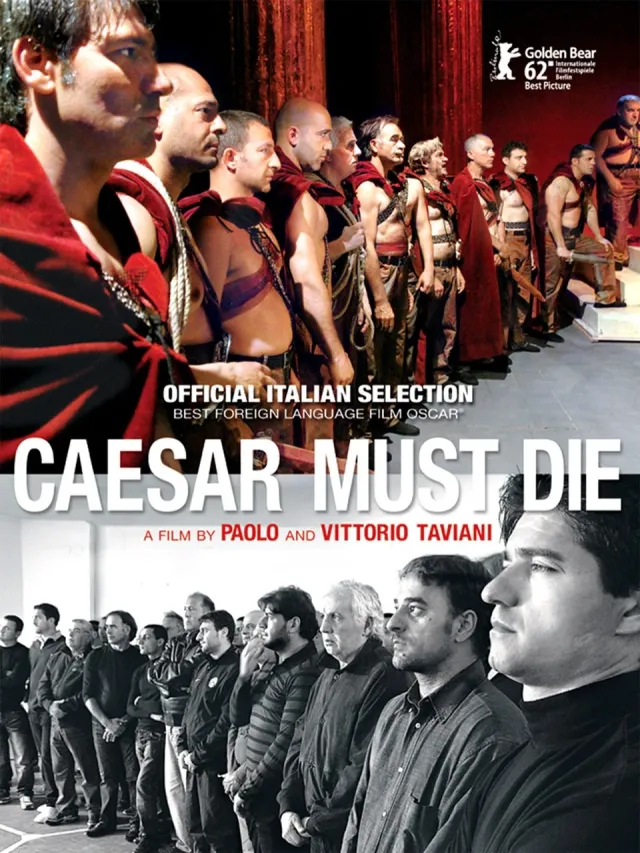
What changes The Act of Killing: patient, episodic and cumulatively revealing. Caesar Must Die: rehearsal-based and measured.
In Rome's Rebibbia prison, inmates prepare a production of Shakespeare's Julius Caesar under the direction of a theater group. Rehearsals bring the play's questions of power and loyalty into the prisoners' own experiences, while the film moves between performance and the routines of incarceration. Paolo and Vittorio Taviani blur documentary observation with staged drama, creating a compact reflection on acting, confinement and the way stories can echo across lives.
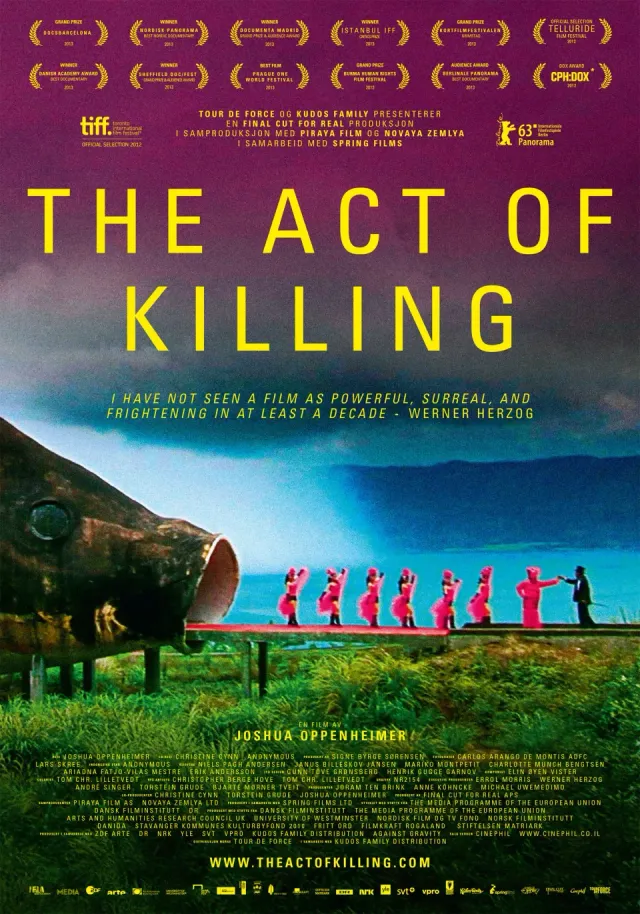
Documentarians give former Indonesian death-squad leader Anwar Congo and other men involved in the 1965–66 killings the freedom to stage scenes from their past in styles drawn from the movies they admire. The participants move between reenactment, interviews and everyday life, performing versions of their own histories while discussing how they understand them. Their choices expose the distance between public self-image and the violence remembered by victims and survivors.
What drives the story
Former perpetrators devise cinematic scenes about their actions, and the filmmaking process brings their accounts into view alongside the human consequences they avoid.
The people at its centre
Anwar and his associates perform for the camera as collaborators and critics, while the crew’s presence gives their memories a staged public form.
What it feels like
Contrasts between confident reenactments and moments of uncertainty create a disturbing portrait of how violence can be normalized and narrated.
Worth knowing
Its method depends on perpetrators directing their own reenactments, making it a reflexive historical documentary rather than a conventional chronological account.