Explore films connected to The Thin Blue Line through Justice and evidence, memory, state power. Choose the qualities you want to carry into your next watch.
What should feel similar?
Find your next favourite
9 films · Closest overall matches
Hide films you’ve seen or don’t want. Saved on this device.
No matches for this combination yet.
Try another option or reset your choices to see more films.
Based on recorded story, mood and style. Your preferences can change the order.
Investigation
What changes The Thin Blue Line: interview-driven inquiry, repeated reconstruction, accumulating contradictions and open evidentiary question. The Perfect Neighbor: earlier calls reveal a growing dispute, recorded encounters accumulate context and fatal incident and investigation force reassessment.
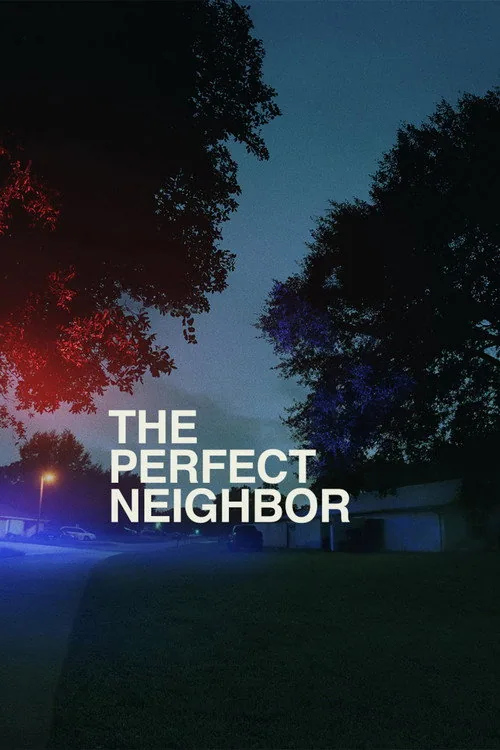
This documentary reconstructs disputes between neighbors in Ocala, Florida, that preceded the 2023 killing of Ajike Owens by Susan Lorincz. It uses body-camera footage from repeated sheriff's-office responses, 911 calls, and interviews to show how complaints escalated and how local authorities encountered the conflict. The film asks viewers to assess what the recorded interactions reveal about race, neighbor relations, and institutional response before the fatal shooting. Its evidence-led structure turns public records into a tense account of a preventable neighborhood tragedy.
Based on recorded story, mood and style. Your preferences can change the order.
Investigation · Memory and identity
What changes The Thin Blue Line: interview-driven inquiry, repeated reconstruction, accumulating contradictions and open evidentiary question. The Secret in Their Eyes: past-and-present structure, case file reconstruction and late moral revelation.
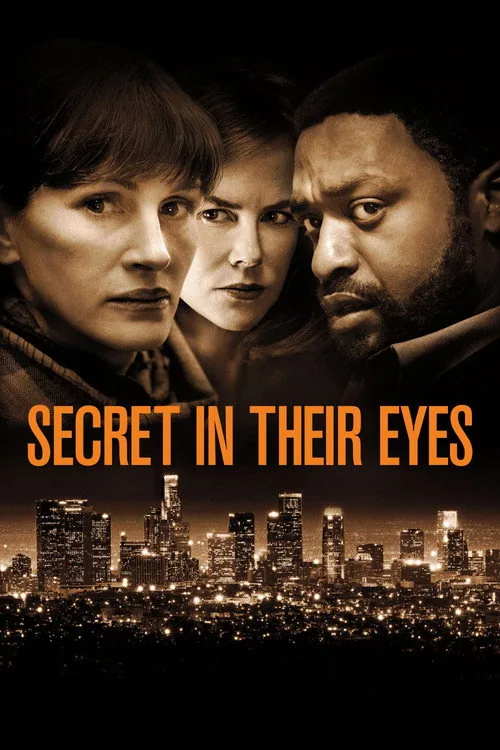
Years after a young woman is murdered, retired investigator Ray Kasten returns to Los Angeles and tries to reopen the case alongside former colleague Claire Sloan. The victim was the daughter of Ray's friend Jess, whose grief and search for justice shaped the original investigation. A suspect connected to a terrorism inquiry was never brought to trial, and the old team must confront why the case stalled. The American adaptation combines a murder investigation with unresolved love, institutional compromise, and the long reach of trauma.
Based on recorded story, mood and style. Your preferences can change the order.
Investigation
What changes The Thin Blue Line: interview-driven inquiry, repeated reconstruction, accumulating contradictions and open evidentiary question. Out of Time: propulsive and clock-driven.
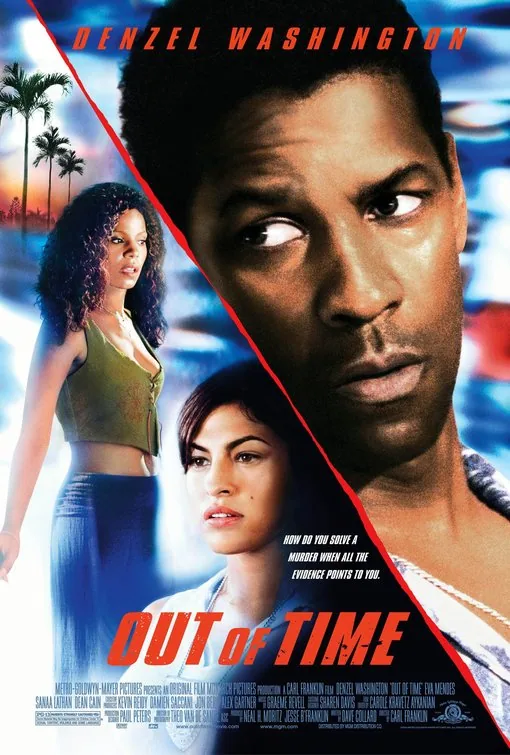
A respected Florida police chief becomes the focus of a murder investigation when evidence connects him to a deadly crime. With colleagues closing in and little time before his story collapses, he must retrace events and discover who arranged the evidence. This thriller turns professional authority into an obstacle as the investigator works without the confidence his badge once provided.
Based on recorded story, mood and style. Your preferences can change the order.
Investigation
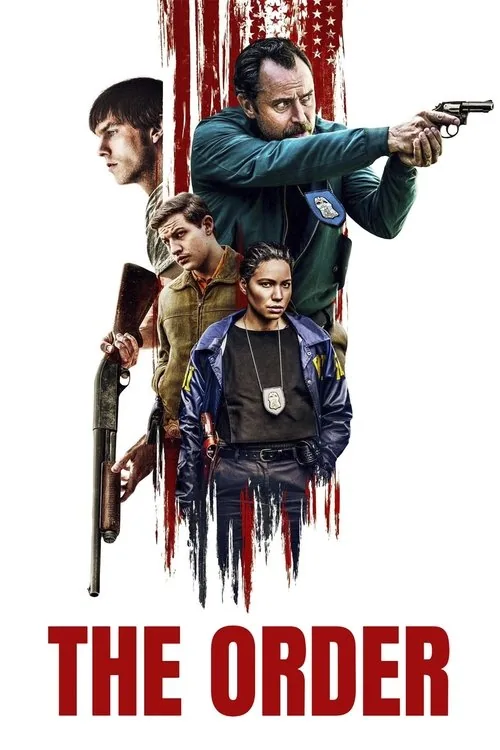
What changes The Thin Blue Line: interview-driven inquiry, repeated reconstruction, accumulating contradictions and open evidentiary question. The Order: procedural build, surveillance and pursuit and rising threat.
In the early 1980s, FBI agent Terry Husk reopens a field office in Idaho and begins investigating a string of robberies linked to white-supremacist militants. His pursuit of Bob Mathews and the group known as the Order draws him into a network of planned violence and ideological recruitment across the Pacific Northwest. Husk's professional focus is complicated by estrangement from his family and by the difficulty of building a case in a region where local loyalties run deep. The crime thriller is based on a real federal investigation and centers the effort to stop domestic extremist violence.
Based on recorded story, mood and style. Your preferences can change the order.
Investigation · Memory and identity
What changes The Thin Blue Line: interview-driven inquiry, repeated reconstruction, accumulating contradictions and open evidentiary question. Deva: accident disrupts the case, recovered clues reshape the investigation and past and present converge around the murder.
Mumbai police officer Dev Ambre survives a serious accident with only partial memory of the events that came before it. He learns that he had been investigating the murder of fellow officer Rohan D'Silva and had reached a major breakthrough shortly before the crash. Returning to the case without trusting his own recollections, Dev reconstructs his earlier investigation while confronting the possibility that his past choices may not match his current understanding. The Hindi-language crime thriller combines a police inquiry with a fractured-memory structure and questions about identity and truth.
Based on recorded story, mood and style. Your preferences can change the order.
Investigation
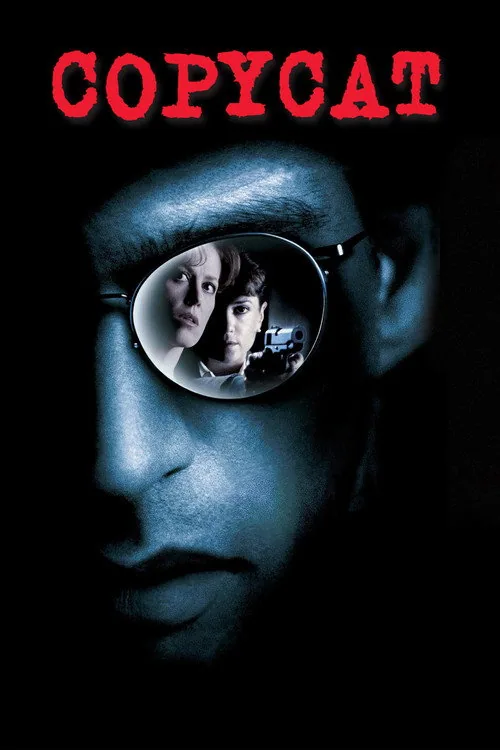
What changes The Thin Blue Line: interview-driven inquiry, repeated reconstruction, accumulating contradictions and open evidentiary question. Copycat: procedural, escalating threat and clue-driven.
Criminal psychologist Helen Hudson becomes agoraphobic after an attack by a serial killer she once studied. When a new series of murders in San Francisco appears to imitate notorious killers, detectives M. J. Monahan and Ruben Goetz seek Helen’s expertise. She analyzes the patterns from her apartment while the perpetrator tries to draw her into the investigation. Jon Amiel’s thriller pairs a remote specialist with active investigators, making the murderer’s copycat method and Helen’s recovery central to the case.
Based on recorded story, mood and style. Your preferences can change the order.
Investigation · Power and authority
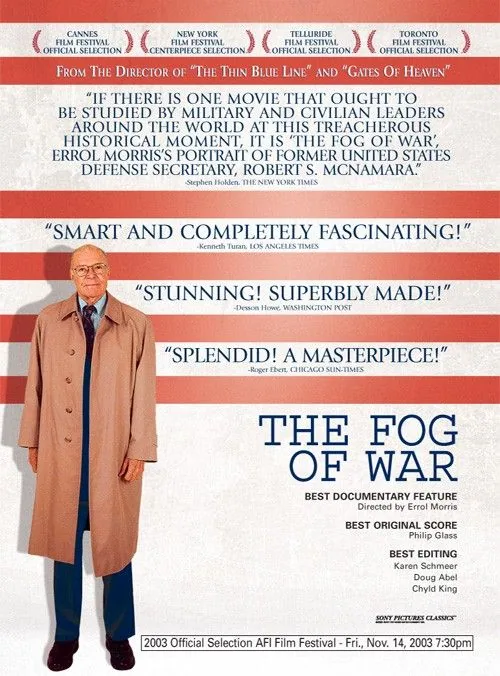
What changes The Thin Blue Line: interview-driven inquiry, repeated reconstruction, accumulating contradictions and open evidentiary question. The Fog of War: interviews and archival sequences move between mcnamara’s career and major crises and retrospective judgments.
Director Errol Morris interviews former U.S. Secretary of Defense Robert McNamara, pairing his recollections with archival footage and recordings from government discussions. Structured around eleven lessons, the documentary follows McNamara’s life and examines his role in the bombing campaigns of World War II, the Cuban Missile Crisis and the escalation of the Vietnam War. He reflects on how leaders make decisions with incomplete information and sometimes speaks critically about his own actions. The film leaves viewers weighing the distance between strategic reasoning and human consequences.
Based on recorded story, mood and style. Your preferences can change the order.
Investigation · Memory and identity
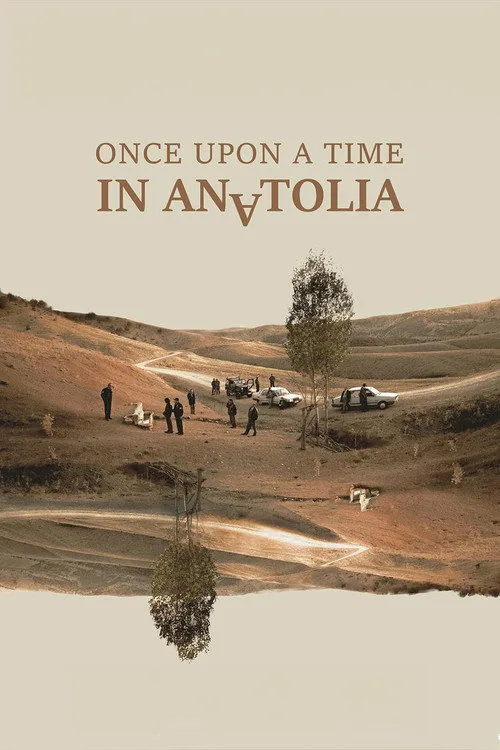
What changes The Thin Blue Line: interview-driven inquiry, repeated reconstruction, accumulating contradictions and open evidentiary question. Once Upon a Time in Anatolia: long nocturnal search, conversation-led pauses and open-ended aftermath.
A group of police officers, prosecutors, a doctor, and a murder suspect drive across the Anatolian steppe at night in search of a buried body. Kenan, the accused man, remembers the burial imperfectly after drinking, while the repeated hills and darkness make the search difficult. Conversations during the stops reveal private histories and tensions among the officials, and the investigation continues into morning. Nuri Bilge Ceylan's drama shifts attention from solving the case to the routines, frustrations, and moral ambiguities surrounding those responsible for it.
Based on recorded story, mood and style. Your preferences can change the order.
Investigation
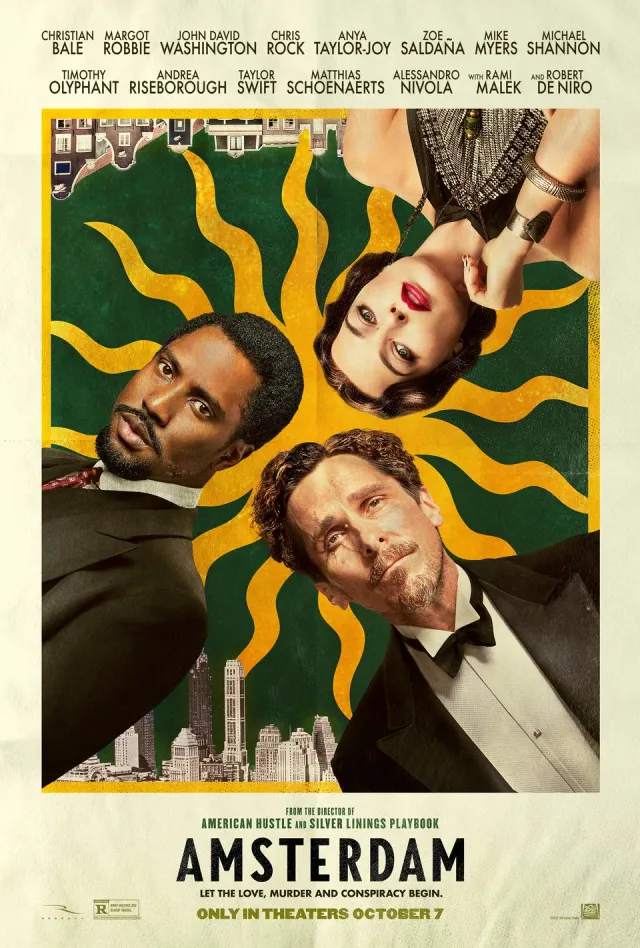
What changes The Thin Blue Line: interview-driven inquiry, repeated reconstruction, accumulating contradictions and open evidentiary question. Amsterdam: ensemble-driven and reveal-led.
In 1930s New York, doctor Burt Berendsen and lawyer Harold Woodman investigate the death of a military officer whose family they know. Their search draws them back to a friendship formed in wartime Europe and into a political conspiracy involving wealthy industrialists. The film mixes murder mystery, historical satire and personal loyalty, using an eccentric ensemble to trace how a private crime connects to a threat against democratic government.
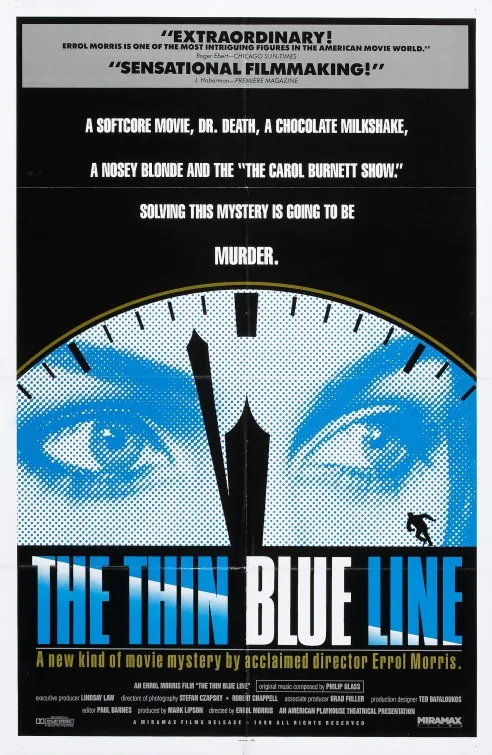
Errol Morris reexamines the 1976 murder of Dallas police officer Robert Wood and the conviction of Randall Adams, a man sentenced to death for the crime. Through interviews with Adams, David Harris, police officers, lawyers and witnesses, the documentary tests how testimony and memory shaped the case. Stylized reenactments return to key moments from different angles, exposing contradictions without presenting a conventional omniscient reconstruction. Rather than relying on a narrator to settle every uncertainty, the film makes the viewer compare claims, motives and visual evidence. Its investigation asks how an official story becomes accepted and what can happen when courts, police and witnesses fail to question it. The result is both a true-crime inquiry and a study of the power of representation in the justice system.
What drives the story
Adams’s account is weighed against Harris’s changing statements and the memories of people involved in the investigation.
The people at its centre
Morris gives witnesses space to speak while the editing places their versions into direct tension.
What it feels like
The film demonstrates how framing and repetition can expose uncertainty, making film form itself part of the investigation.
Worth knowing
A landmark true-crime documentary built from interviews and reenactments rather than a conventional narrated case summary.