Former perpetrators devise cinematic scenes about their actions, and the filmmaking process brings their accounts into view alongside the human consequences they avoid.
Why this matches +
These films share important themes, atmosphere or storytelling interests with this selection.
Genres: Documentary / History
Shared film traits
Based on recorded story, mood and style. Your preferences can change the order.
Power and authority · Memory and identity
What changes Its own story: Former perpetrators devise cinematic scenes about their actions, and the filmmaking process brings their accounts into view alongside the human consequences they avoid.
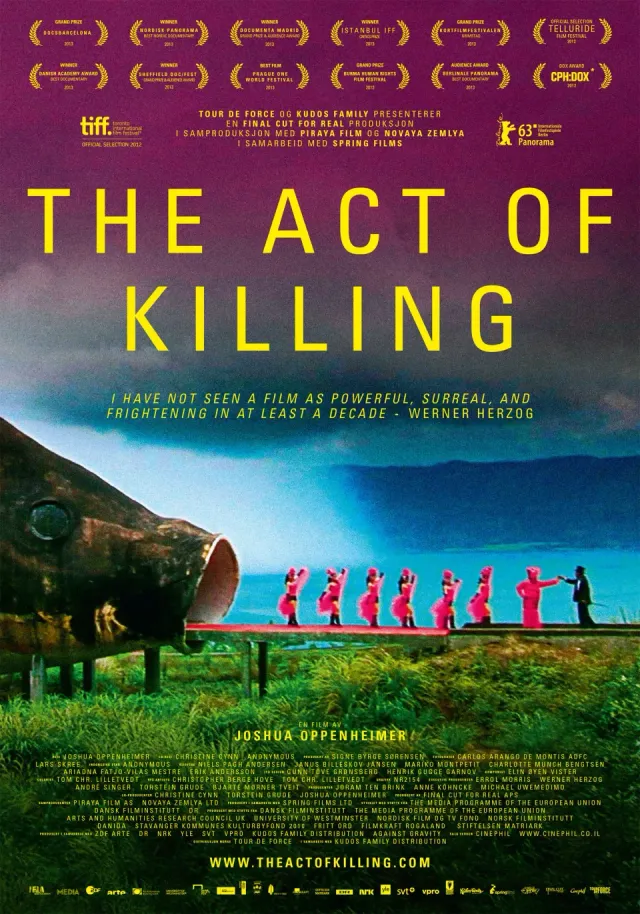
Documentarians give former Indonesian death-squad leader Anwar Congo and other men involved in the 1965–66 killings the freedom to stage scenes from their past in styles drawn from the movies they admire. The participants move between reenactment, interviews and everyday life, performing versions of their own histories while discussing how they understand them. Their choices expose the distance between public self-image and the violence remembered by victims and survivors.
Adi uses recordings and face-to-face conversations to ask former perpetrators about the killing of his brother and the history carried by his family.
Why this matches +
These films share important themes, atmosphere or storytelling interests with this selection.
Genres: Documentary / History
Shared film traits
Based on recorded story, mood and style. Your preferences can change the order.
Power and authority · Memory and identity
What changes Its own story: Adi uses recordings and face-to-face conversations to ask former perpetrators about the killing of his brother and the history carried by his family.
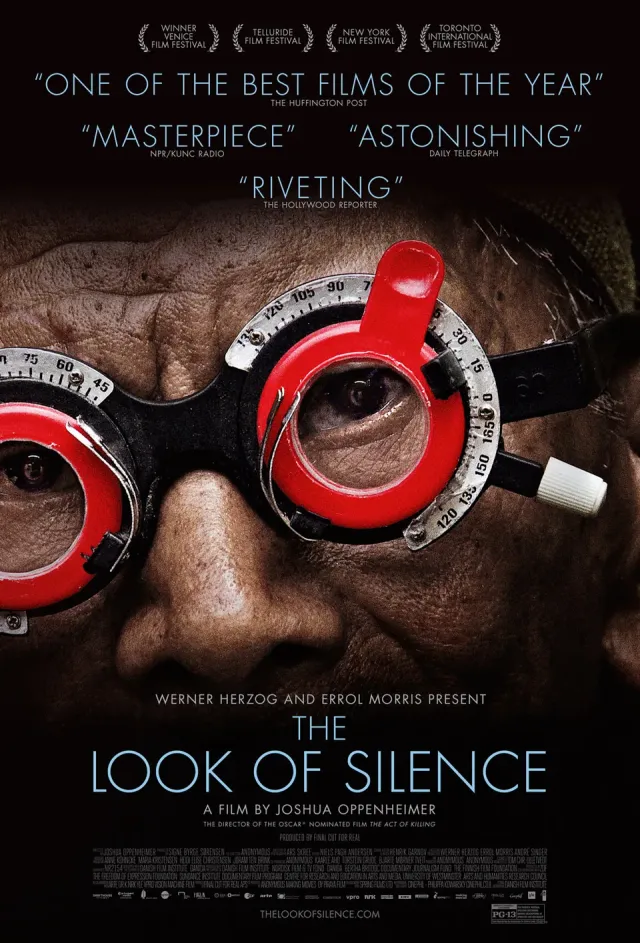
Adi Rukun, an Indonesian optometrist, grew up after his older brother Ramli was killed during the 1965–66 anti-communist purges. While serving customers, Adi watches recordings of former perpetrators describing the violence and decides to meet some of them with his family’s story in hand. He asks direct questions about what happened and how they understand their actions. Joshua Oppenheimer’s documentary centers on the risks and emotional strain of confronting a history that remains publicly unresolved.
The montage repeatedly moves from political decision-makers to people asked to enlist or grieve, turning questions of access and policy into questions of who bears consequences. The sequence from elite access to recruitment shifts the question from presidential intent to who carries the risk.
Why this matches +
These films share important themes, atmosphere or storytelling interests with this selection.
Genres: Documentary
Shared film traits
Based on recorded story, mood and style. Your preferences can change the order.
War and civilian life
What changes Its own story: The montage repeatedly moves from political decision-makers to people asked to enlist or grieve, turning questions of access and policy into questions of who bears consequences. The sequence from elite access to recruitment shifts the question from presidential intent to who carries the risk.
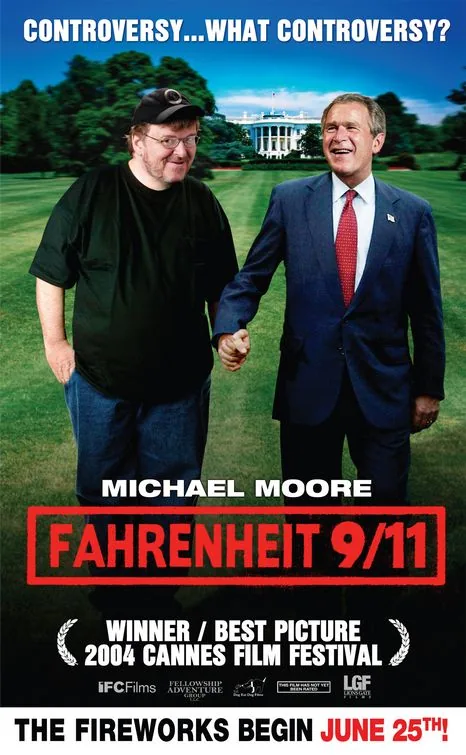
Michael Moore builds an openly adversarial argument from broadcast footage, interviews, archival images and public interventions, linking the Bush administration’s response to September 11 with the invasion of Iraq and the unequal distribution of wartime risk. The shifts between elite access, recruitment, military service and bereaved families make the film’s emotional movement as important as its allegations. Moore’s selection and narration are visible parts of the case: the documentary invites scrutiny of both the evidence it presents and the editorial connections through which it persuades.
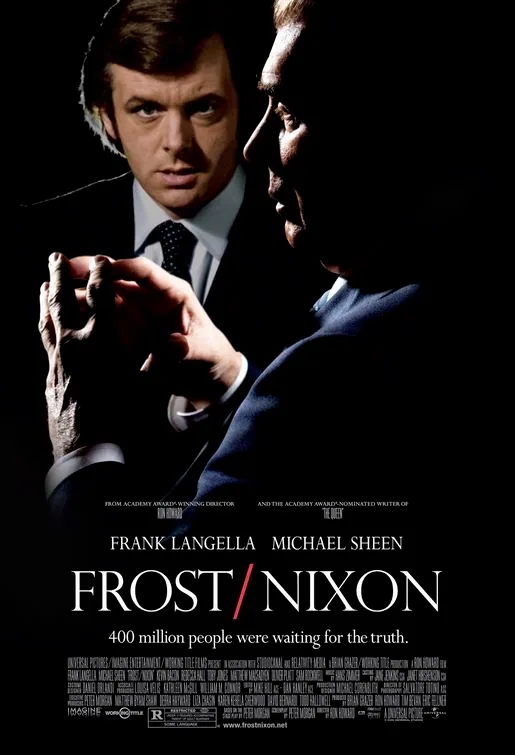
A privately financed interview becomes a struggle for control when the subject's rehabilitation strategy clashes with the interviewer's need to establish political accountability.
Why this matches +
These films share important themes, atmosphere or storytelling interests with this selection.
Genres: Drama / History
The approach A dramatic feature rather than documentary footage.
Shared film traits
Based on recorded story, mood and style. Your preferences can change the order.
Investigation
What changes Its own story: A privately financed interview becomes a struggle for control when the subject's rehabilitation strategy clashes with the interviewer's need to establish political accountability.
A television interviewer risks money and professional credibility on conversations with a former president seeking to restore his reputation. The participants enter the sessions with different objectives, and Nixon's command of public performance initially defeats Frost's preparation. Researchers and producers press for accountability while commercial pressures threaten the project itself. The drama makes an interview into a contest over who can define the meaning of a political past, with reputational survival giving both men an urgent personal stake.
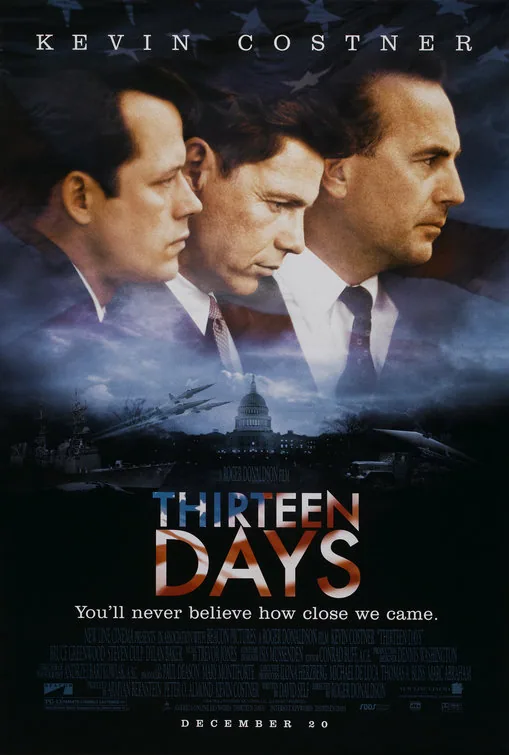
incomplete intelligence and a deadline narrowing political choices. This pressure determines what the protagonist must do next and which risks become unavoidable.
Why this matches +
These films share important themes, atmosphere or storytelling interests with this selection.
Genres: Drama / History
The approach A dramatic feature rather than documentary footage.
Shared film traits
Based on recorded story, mood and style. Your preferences can change the order.
What changes Its own story: incomplete intelligence and a deadline narrowing political choices. This pressure determines what the protagonist must do next and which risks become unavoidable.
During the Cuban Missile Crisis, President Kennedy and his advisers confront evidence that Soviet missiles are being installed in Cuba. Meetings, intelligence reports and military recommendations make the danger immediate as the White House weighs a response that could trigger wider war. This historical drama concentrates on deliberation and communication, showing how uncertainty shapes decisions under an unforgiving deadline.
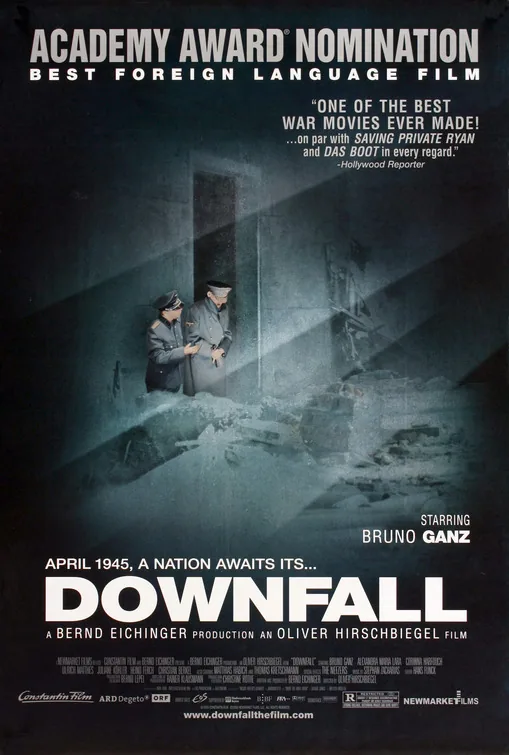
An authoritarian command system reaches its end while continuing to issue demands that expose the gap between personal loyalty and factual reality.
Why this matches +
These films explore a related idea in a different setting, genre or style.
An adjacent discovery: a related idea with a different viewing experience.
Genres: Drama / Biography
The approach A dramatic feature rather than documentary footage.
Shared film traits
Based on recorded story, mood and style. Your preferences can change the order.
War and civilian life
What changes Its own story: An authoritarian command system reaches its end while continuing to issue demands that expose the gap between personal loyalty and factual reality.
As Soviet forces close on Berlin, the German leadership and its staff remain inside a bunker where official orders increasingly contradict the military reality outside. A secretary's proximity offers access to routines, loyalties and private exchanges that coexist with the regime's continuing destruction. Responses to collapse range from practical attempts to leave to fanatical insistence on obligations whose human cost has long exceeded any plausible strategic purpose.
Jones and his small team examine a vast record and try to substantiate what the CIA did during interrogation.
Why this matches +
These films explore a related idea in a different setting, genre or style.
An adjacent discovery: a related idea with a different viewing experience.
Genres: Drama / History
The approach A dramatic feature rather than documentary footage.
Shared film traits
Based on recorded story, mood and style. Your preferences can change the order.
Investigation
What changes Its own story: Jones and his small team examine a vast record and try to substantiate what the CIA did during interrogation.
In 2009, Senate staffer Daniel Jones is asked to review millions of pages of CIA records about the agency's post-9/11 interrogation program. Working with a small team, he documents how officials authorized and described the practices, while facing delays, political pressure, and resistance from the intelligence agency. Senator Dianne Feinstein backs the inquiry, but the report's publication becomes a struggle of its own. The political drama follows the patient work of assembling evidence and making an official record public.
A government translator leaks a memo that could influence the Iraq invasion and is prosecuted for revealing it.
Why this matches +
These films explore a related idea in a different setting, genre or style.
An adjacent discovery: a related idea with a different viewing experience.
Genres: Drama / Thriller
The approach A dramatic feature rather than documentary footage.
Shared film traits
Based on recorded story, mood and style. Your preferences can change the order.
Investigation
What changes Its own story: A government translator leaks a memo that could influence the Iraq invasion and is prosecuted for revealing it.
In 2003, GCHQ translator Katharine Gun sees a request for intelligence that could help secure support for the invasion of Iraq. Believing the request is illegal and morally indefensible, she leaks a memo to the press, then faces arrest under Britain's Official Secrets Act. The film follows the effort to verify the story, the mounting pressure on Gun and her husband, and a legal case whose outcome depends on whether the government will disclose its own conduct.
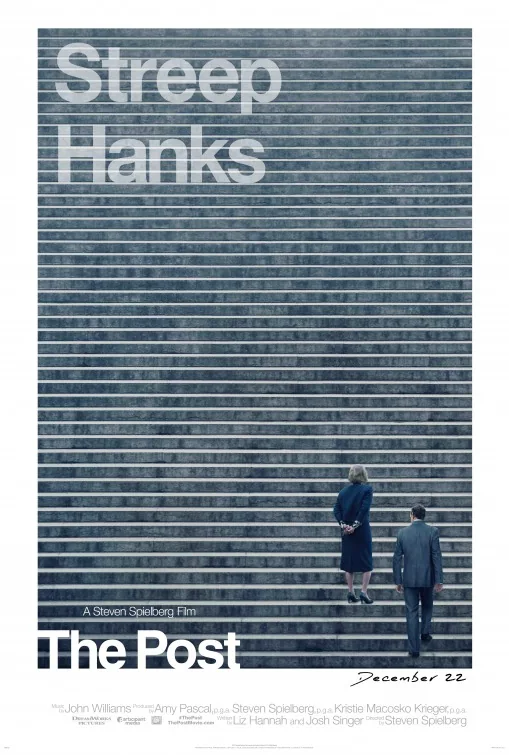
A Supreme Court fight over the Times's publication raises the stakes of the Post's own decision to print classified documents before a public offering.
Why this matches +
These films explore a related idea in a different setting, genre or style.
An adjacent discovery: a related idea with a different viewing experience.
Genres: Drama / Thriller
The approach A dramatic feature rather than documentary footage.
Shared film traits
Based on recorded story, mood and style. Your preferences can change the order.
Investigation
What changes Its own story: A Supreme Court fight over the Times's publication raises the stakes of the Post's own decision to print classified documents before a public offering.
In 1971, Washington Post publisher Katharine Graham weighs the future of the paper as it prepares for a public stock offering and faces pressure from the Nixon administration. After the New York Times is enjoined from publishing the Pentagon Papers, editor Ben Bradlee pushes the Post to obtain and print the documents. Graham must decide whether the paper's duty to readers outweighs legal risk, possible criminal charges and the financial exposure of a company about to go public. Reporters work to verify the leak while lawyers and board members argue over what can safely be published. The story follows a newsroom making an institutional choice under a deadline, with Graham's authority changing as she moves from social and business constraints toward editorial responsibility.
The documentary’s length and interview method make testimony itself the structure through which the history is approached.
Why this matches +
These films explore a related idea in a different setting, genre or style.
An adjacent discovery: a related idea with a different viewing experience.
Genres: Documentary / Historical
Shared film traits
Based on recorded story, mood and style. Your preferences can change the order.
War and civilian life · Power and authority
What changes Its own story: The documentary’s length and interview method make testimony itself the structure through which the history is approached.
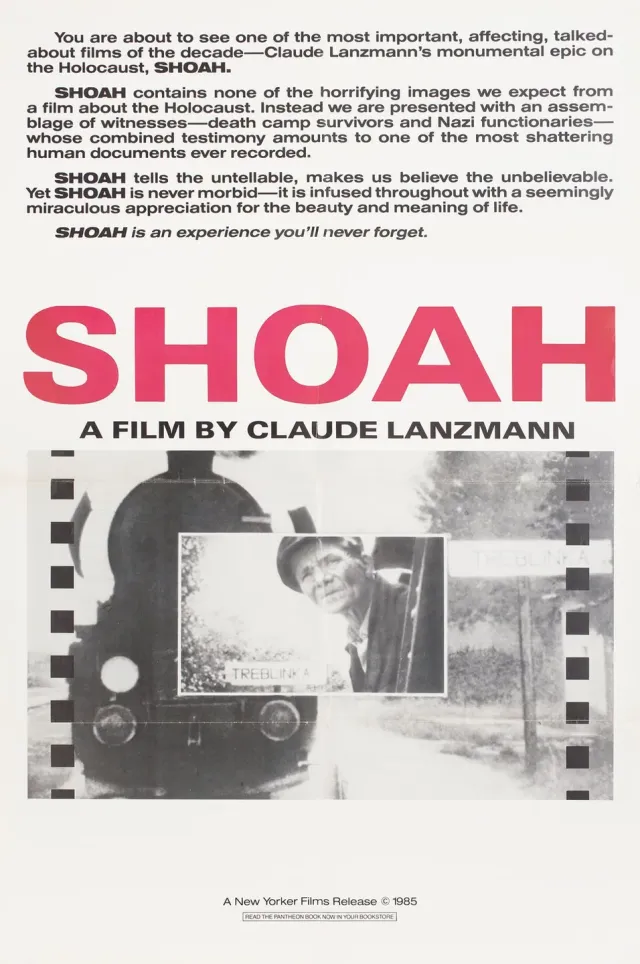
Claude Lanzmann’s documentary returns to Holocaust sites in Poland and builds its account through extended interviews with survivors, witnesses and perpetrators. Its conversations and location visits focus particularly on Chełmno, Treblinka, Auschwitz-Birkenau and the Warsaw Ghetto. Rather than present the history as a short narrated overview, the film gives testimony time to unfold, following memories, evasions and difficult acts of explanation across languages and perspectives. Made over eleven years and running more than nine hours, it asks viewers to stay with individual accounts and with the landscapes where mass murder occurred. The work’s scale and patient method make remembrance an encounter with people who experienced, observed or carried out the events.
Small inconsistencies accumulate into a publishable case through interviews, documents and repeated verification.
Why this matches +
These films explore a related idea in a different setting, genre or style.
An adjacent discovery: a related idea with a different viewing experience.
Genres: Drama / Thriller
The approach A dramatic feature rather than documentary footage.
Shared film traits
Based on recorded story, mood and style. Your preferences can change the order.
Investigation
What changes Its own story: Small inconsistencies accumulate into a publishable case through interviews, documents and repeated verification.
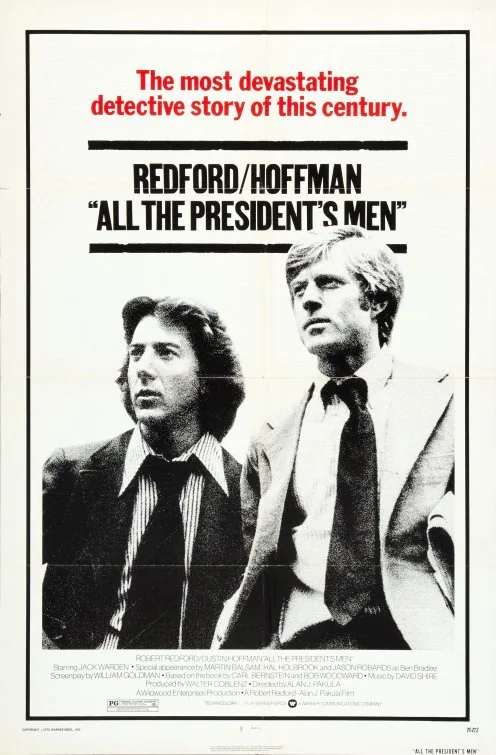
Two newspaper reporters investigate a burglary whose apparently minor details lead towards senior political figures. Interviews, records and reluctant sources gradually reveal a larger operation, but each claim requires corroboration before publication. Their progress depends less on a single revelation than on patient persistence inside a newsroom negotiating evidence, risk and the pressure exerted by powerful people.
The story moves from cell-level resistance to counterinsurgency, showing how tactical victories fail to settle the political question of Algerian independence.
Why this matches +
These films explore a related idea in a different setting, genre or style.
An adjacent discovery: a related idea with a different viewing experience.
Genres: Drama / Historical
The approach A dramatic feature rather than documentary footage.
Shared film traits
Based on recorded story, mood and style. Your preferences can change the order.
War and civilian life
What changes Its own story: The story moves from cell-level resistance to counterinsurgency, showing how tactical victories fail to settle the political question of Algerian independence.
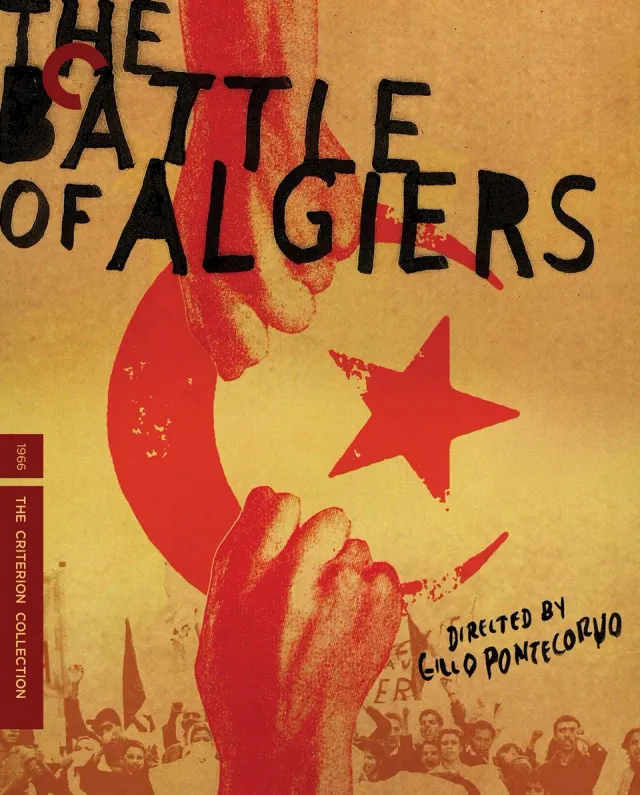
Beginning with French forces closing in on Ali la Pointe, the film flashes back to the growth of the National Liberation Front in the Casbah between 1954 and 1957. It follows urban resistance cells and the French paratroopers sent to dismantle them, showing both insurgent attacks and the military campaign of arrests and torture. The struggle escalates through bombings, reprisals and the destruction of FLN leadership, but nationalist demonstrations continue after the immediate battle is lost. The film frames the city as a contested political space and connects tactical victories to a wider movement for independence.
A newsroom's evidence-based challenge to political intimidation tests how far a commercial broadcaster will support the independence it publicly endorses.
Why this matches +
These films explore a related idea in a different setting, genre or style.
An adjacent discovery: a related idea with a different viewing experience.
Genres: Drama / History
The approach A dramatic feature rather than documentary footage.
Shared film traits
Based on recorded story, mood and style. Your preferences can change the order.
Investigation
What changes Its own story: A newsroom's evidence-based challenge to political intimidation tests how far a commercial broadcaster will support the independence it publicly endorses.
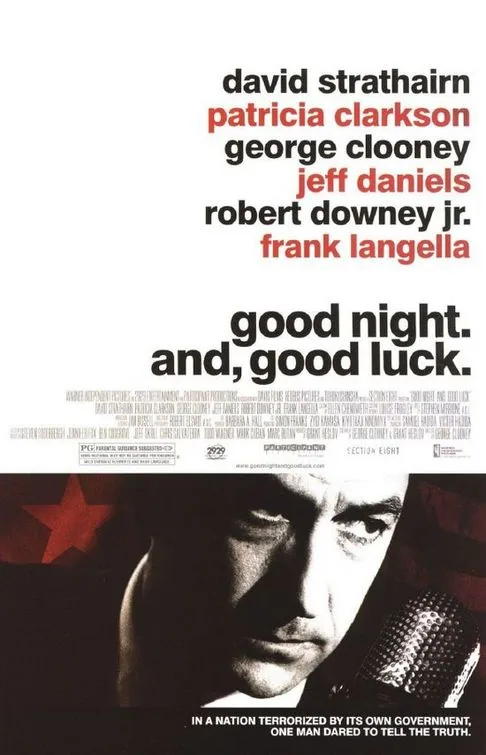
A television news team challenges accusations and procedures associated with Senator McCarthy while working inside a network vulnerable to sponsors and political pressure. Decisions about evidence, wording and airtime make editorial independence a practical risk rather than an abstract professional virtue. Personal consequences unfold around the broadcasts, including scrutiny of colleagues whose lives do not fit institutional rules. The restrained historical drama presents journalism as coordinated work whose public authority depends on choices made under commercial and political constraint.
Poitras documents the meeting in which Snowden discloses NSA surveillance evidence to journalists and prepares to go public.
Why this matches +
These films explore a related idea in a different setting, genre or style.
An adjacent discovery: a related idea with a different viewing experience.
Genres: Documentary / History
Shared film traits
Based on recorded story, mood and style. Your preferences can change the order.
Investigation
What changes Its own story: Poitras documents the meeting in which Snowden discloses NSA surveillance evidence to journalists and prepares to go public.
Documentarian Laura Poitras receives encrypted messages from someone using the name Citizen Four and travels to Hong Kong with journalists Glenn Greenwald and Ewen MacAskill. There they meet Edward Snowden, who reveals classified information about government surveillance programs while protecting his identity inside a hotel room. The film records the disclosures as they unfold, including the reporters' decisions, Snowden's anxiety, and the public consequences that begin to follow. Its immediacy comes from watching an international news story develop in real time.
The prosecution asks when legal professionals become responsible for the uses of law they administer. The case is about judges and judicial systems, not only a courtroom debate over whether individual officials were personally cruel.
Why this matches +
These films explore a related idea in a different setting, genre or style.
An adjacent discovery: a related idea with a different viewing experience.
Genres: Drama / History
The approach A dramatic feature rather than documentary footage.
Shared film traits
Based on recorded story, mood and style. Your preferences can change the order.
Investigation
What changes Its own story: The prosecution asks when legal professionals become responsible for the uses of law they administer. The case is about judges and judicial systems, not only a courtroom debate over whether individual officials were personally cruel.
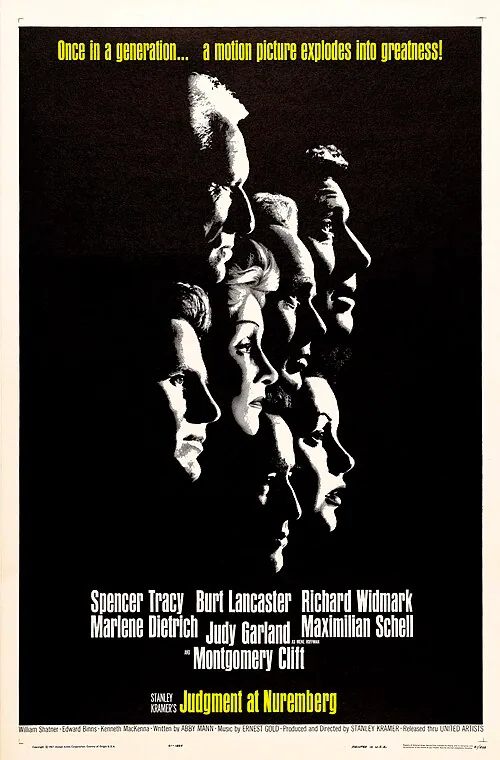
An American tribunal tries four German judges for helping make Nazi persecution appear lawful. The defendants describe their work through professional duty, political pressure and the conditions of wartime Germany; testimony from victims forces the court to confront what procedure concealed. Judge Haywood’s conversations beyond the courtroom show a country seeking to resume ordinary life even as Cold War priorities make a severe judgment less convenient. The film draws on the real Judges’ Trial but reshapes the tribunal and participants into dramatic composites. Its characters’ defenses are arguments to examine, not neutral statements of history, and the film’s willingness to consider national context does not erase the personal and institutional responsibility at issue.
Navalny and the journalists test leads and evidence to identify those behind the attempt on his life.
Why this matches +
These films explore a related idea in a different setting, genre or style.
An adjacent discovery: a related idea with a different viewing experience.
Genres: Documentary / Biography
Shared film traits
Based on recorded story, mood and style. Your preferences can change the order.
Investigation
What changes Its own story: Navalny and the journalists test leads and evidence to identify those behind the attempt on his life.
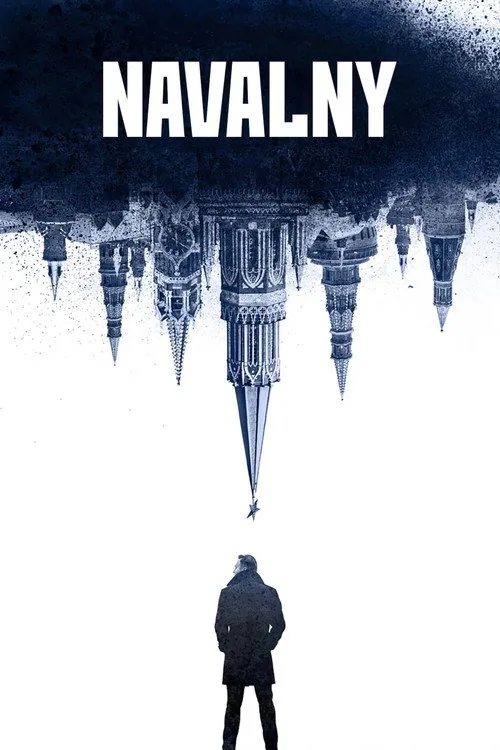
Daniel Roher’s documentary follows Russian opposition politician Alexei Navalny after he survives a poisoning in 2020 and recovers in Germany. With his family and a team of investigative journalists, Navalny tries to identify those responsible and trace the operation through a mix of interviews, digital evidence, and direct contact with people connected to the case. The film unfolds as a political documentary thriller, combining an intimate portrait of its subject with the mechanics of an investigation and the risks of returning to public opposition.
The decision to stay with his family in Cambodia separates Pran from Schanberg; the parallel storylines keep their friendship present across years and radically different circumstances.
Why this matches +
These films explore a related idea in a different setting, genre or style.
An adjacent discovery: a related idea with a different viewing experience.
Genres: Drama / Biography
The approach A dramatic feature rather than documentary footage.
Shared film traits
Based on recorded story, mood and style. Your preferences can change the order.
War and civilian life
What changes Its own story: The decision to stay with his family in Cambodia separates Pran from Schanberg; the parallel storylines keep their friendship present across years and radically different circumstances.
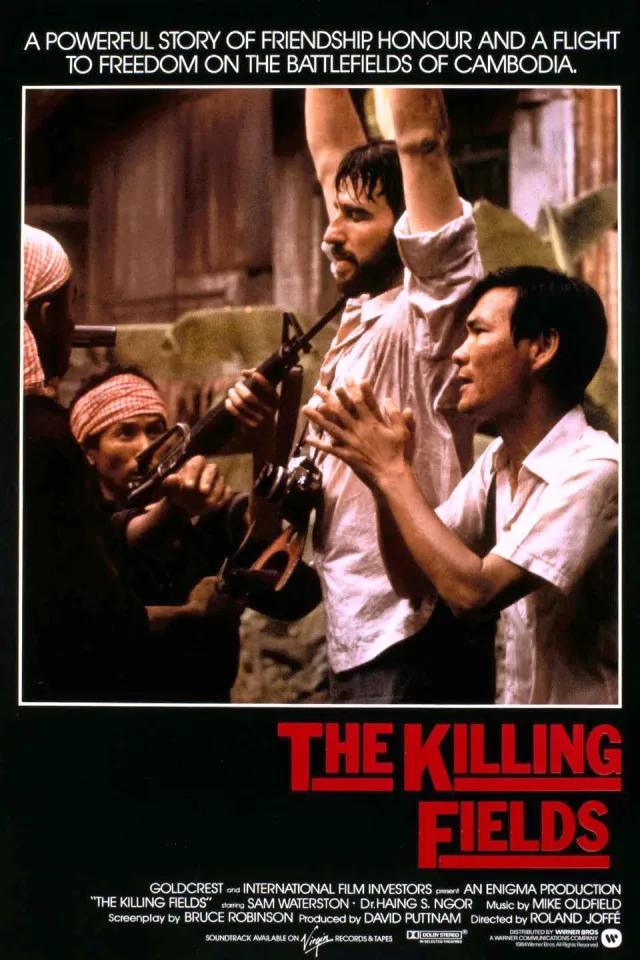
New York Times reporter Sydney Schanberg and Cambodian journalist and interpreter Dith Pran work together as Cambodia’s civil war intensifies. When the Khmer Rouge take Phnom Penh, Schanberg helps Pran’s family leave, but Pran stays and is captured. Schanberg and photographer Al Rockoff struggle to survive the immediate upheaval and later try to secure Pran’s release. The film follows the friends on separate paths: Schanberg returns to the United States carrying guilt over his colleague’s disappearance, while Pran endures forced labor and attempts to escape. Their eventual reunion joins a personal story of loyalty to a depiction of the Khmer Rouge period, which the feature dramatizes rather than comprehensively documents.
The search for a missing memory becomes an inquiry into what the witnesses saw and what they could bear to remember.
Why this matches +
These films explore a related idea in a different setting, genre or style.
An adjacent discovery: a related idea with a different viewing experience.
Genres: Documentary / War
Shared film traits
Based on recorded story, mood and style. Your preferences can change the order.
War and civilian life · Memory and identity
What changes Its own story: The search for a missing memory becomes an inquiry into what the witnesses saw and what they could bear to remember.
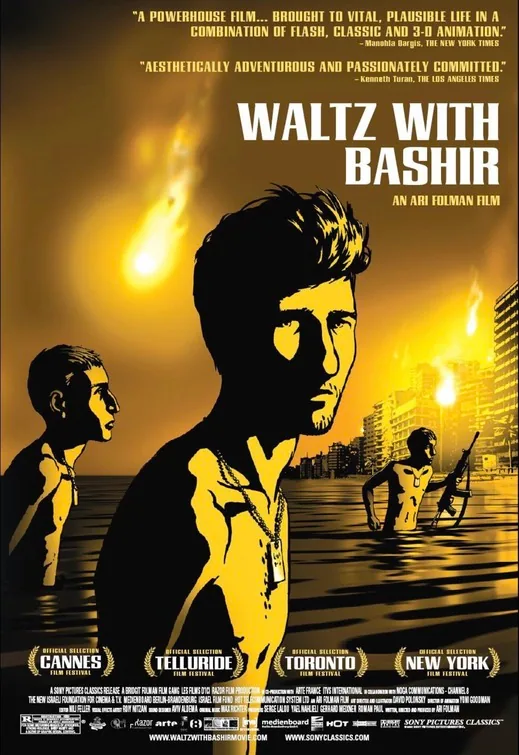
An Israeli veteran tries to recover memories of his service during the 1982 Lebanon War after a former comrade describes a recurring nightmare. Conversations with other veterans lead toward the events surrounding the Sabra and Shatila massacre and the narrator’s own missing recollections. The animated documentary combines testimony, dream imagery and uncertain memory to explore responsibility, trauma and the difficulty of witnessing violence one has helped enable.
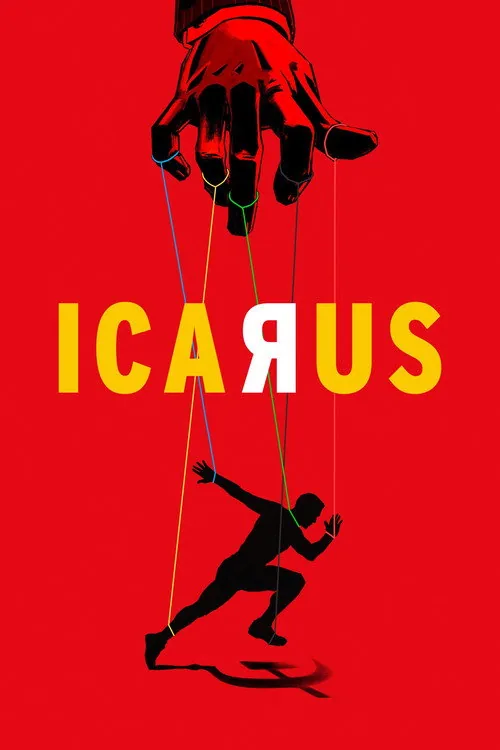
Fogel's attempt to test anti-doping methods leads him to investigate a far larger program after his scientific adviser becomes a whistleblower.
Why this matches +
These films explore a related idea in a different setting, genre or style.
An adjacent discovery: a related idea with a different viewing experience.
Genres: Documentary / Sport
Shared film traits
Based on recorded story, mood and style. Your preferences can change the order.
Investigation
What changes Its own story: Fogel's attempt to test anti-doping methods leads him to investigate a far larger program after his scientific adviser becomes a whistleblower.
Filmmaker and amateur cyclist Bryan Fogel begins an experiment to test how an athlete might evade drug testing, consulting Russian scientist Grigory Rodchenkov about performance-enhancing substances. As allegations of a state-backed Russian doping program emerge, the project changes from a personal investigation into an account of a major sports scandal. Rodchenkov becomes a whistleblower and flees to the United States, bringing evidence and personal danger with him. The documentary follows both the investigation and the uncertain cost of speaking publicly.
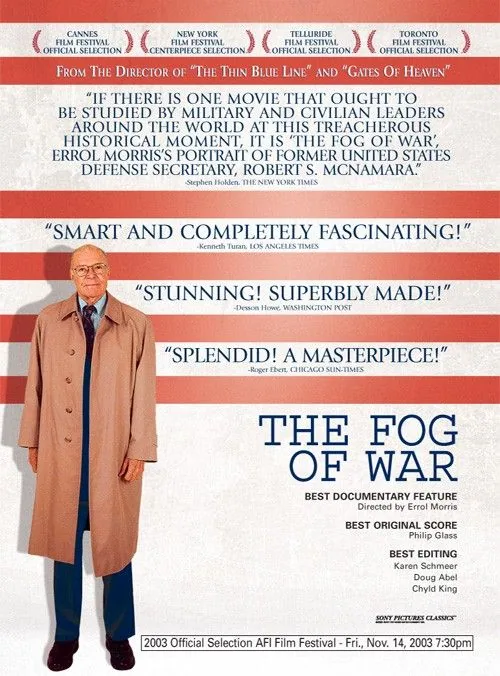
Director Errol Morris interviews former U.S. Secretary of Defense Robert McNamara, pairing his recollections with archival footage and recordings from government discussions. Structured around eleven lessons, the documentary follows McNamara’s life and examines his role in the bombing campaigns of World War II, the Cuban Missile Crisis and the escalation of the Vietnam War. He reflects on how leaders make decisions with incomplete information and sometimes speaks critically about his own actions. The film leaves viewers weighing the distance between strategic reasoning and human consequences.
What drives the story
McNamara’s explanations reveal both his willingness to criticize past decisions and his limits in accounting for them.
The people at its centre
Morris’s questioning makes the interview itself part of the viewer’s effort to assess responsibility.
What it feels like
The documentary uses a single policymaker’s perspective to examine uncertainty and the moral costs of strategic choices.
Worth knowing
Eleven lessons from Robert McNamara’s career invite viewers to weigh what he admits, defends and leaves unresolved.
warresponsibilitymemory
Mood
sober · searching · challenging · reflective
Pacing
Interviews and archival sequences move between McNamara’s career · major crises and retrospective judgments
Visual style
Talking-head interviews are intercut with archival images · recordings and a spare Philip Glass score
Storytelling
An elderly former defense secretary reviews his career through eleven lessons about war and decision-making