Aida’s work gives her access to information but not the authority to guarantee safety.
Why this matches +
These offer a related experience with a meaningful difference in story, tone, or presentation.
An adjacent discovery: a related idea with a different viewing experience.
Genres: Drama / War
Shared film traits
Based on recorded story, mood and style. Your preferences can change the order.
War and civilian life
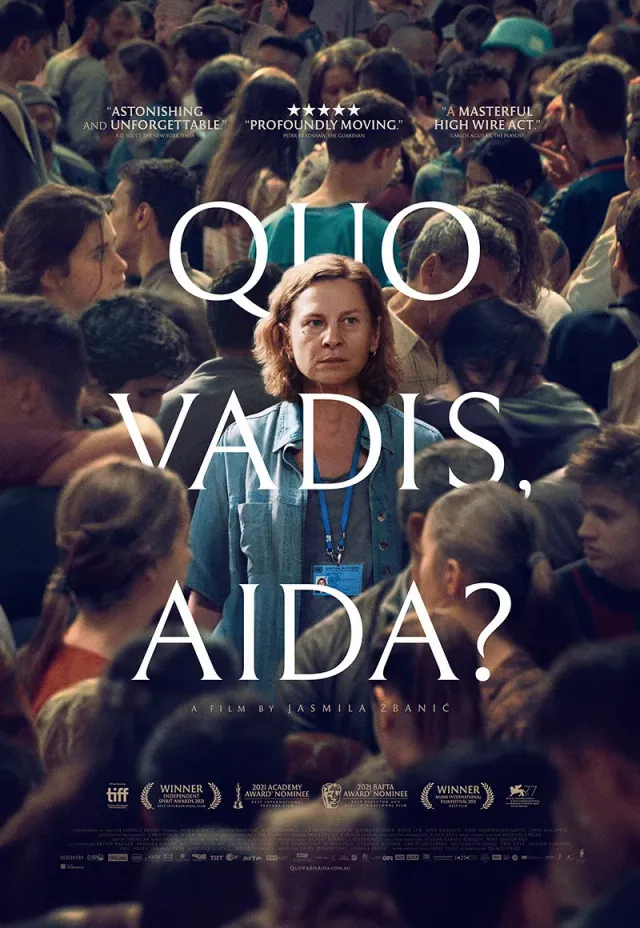
What changes Quo Vadis, Aida? follows civilians caught inside a military campaign, focusing on one interpreter's desperate family decisions rather than insurgency and counterinsurgency.
During the 1995 siege of Srebrenica, Aida works as a translator for the UN peacekeeping force while her husband and sons seek safety. She moves between officials, negotiations and the crowd outside the base, trying to use her access to protect her family as the crisis worsens. Jasmila Žbanić keeps the story close to Aida’s limited knowledge, making translation and bureaucratic procedure part of a harrowing drama about civilian survival and institutional failure.
Teenagers escape an invasion and organize a guerrilla resistance against occupying forces in their hometown.
Why this matches +
These offer a related experience with a meaningful difference in story, tone, or presentation.
An adjacent discovery: a related idea with a different viewing experience.
Genres: Action / War
Shared film traits
Based on recorded story, mood and style. Your preferences can change the order.
Political resistance · War and civilian life
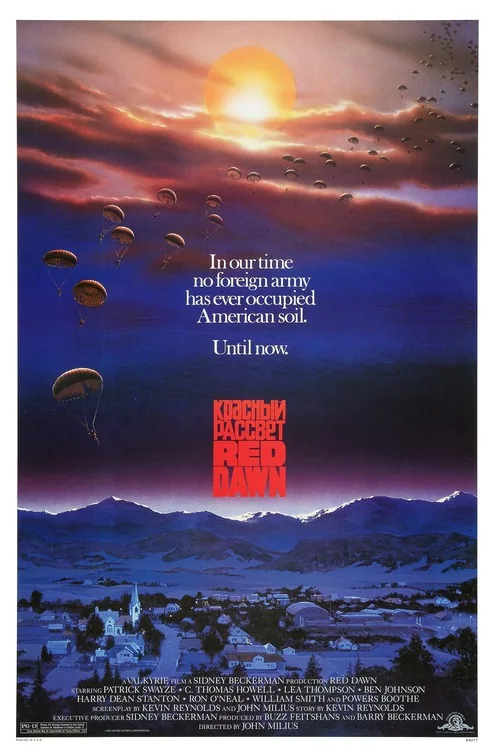
What changes Red Dawn depicts resistance to an occupying force, but frames it as a fictional action adventure centered on teenage fighters.
A surprise foreign invasion turns a Colorado high school into a battlefield, forcing a group of teenagers to escape into nearby mountains. Calling themselves the Wolverines, they form a resistance cell and struggle to survive as occupation forces pursue them. Their improvised campaign tests the bonds between friends and siblings, while the film follows how prolonged conflict changes youthful defiance into a heavy burden.
Guevara's entry into Castro's movement leads through the Cuban guerrilla campaign toward the victory at Santa Clara.
Why this matches +
These offer a related experience with a meaningful difference in story, tone, or presentation.
An adjacent discovery: a related idea with a different viewing experience.
Genres: Biography / Drama
Shared film traits
Based on recorded story, mood and style. Your preferences can change the order.
Political resistance · War and civilian life
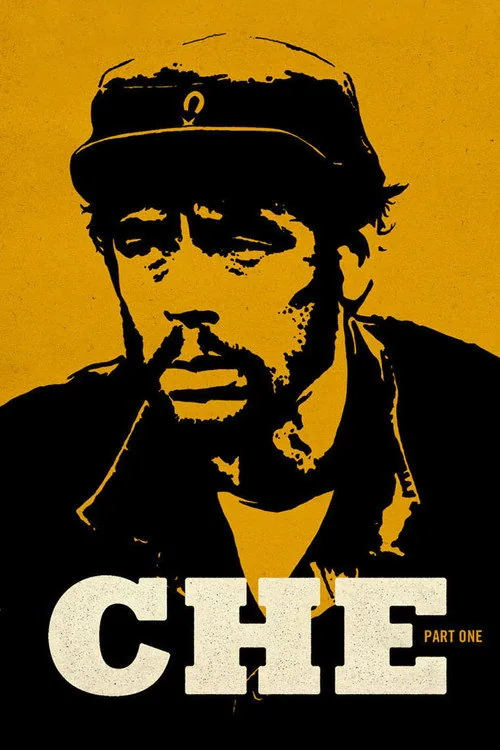
What changes Che: The Argentine follows an organized revolutionary movement against state power, concentrating on rural guerrilla warfare rather than a contested city.
Part One follows Ernesto Che Guevara from his first meeting with Fidel Castro in Mexico through the Cuban revolutionary campaign that helped topple Fulgencio Batista. The film intercuts that mountain struggle with Guevara's 1964 appearance at the United Nations, where he defends the revolution and its violence. Guerrilla training, peasant alliances, illness, and strategic battles shape the campaign toward Santa Clara. The restrained biographical epic emphasizes collective action and political purpose over a conventional rise-to-fame portrait.
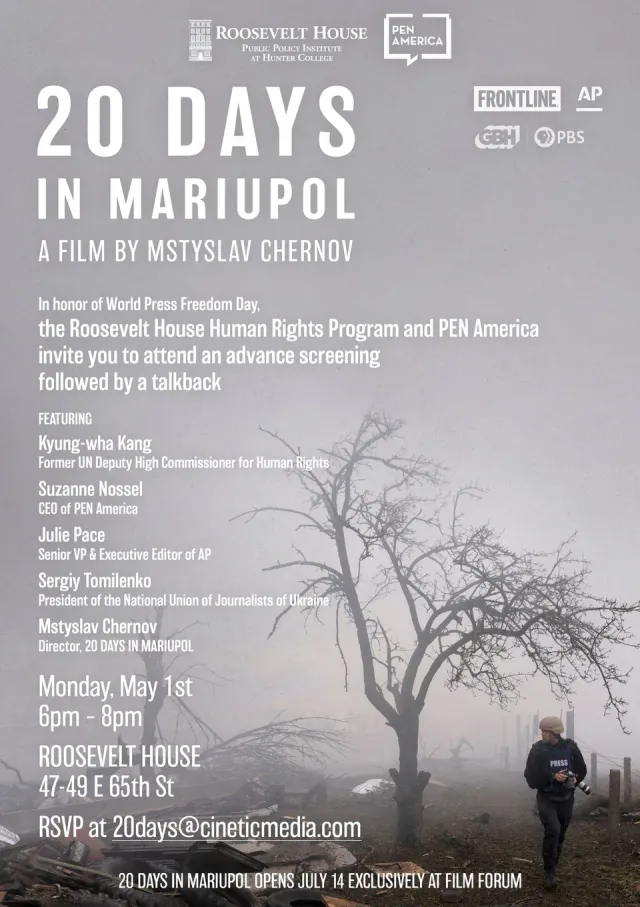
A siege progressively removes communication and escape options, so filming civilian suffering and finding a way to transmit the evidence become inseparable parts of the journalists' work.
Why this matches +
These offer a related experience with a meaningful difference in story, tone, or presentation.
An adjacent discovery: a related idea with a different viewing experience.
Genres: Documentary / War
The approach A documentary treatment rather than a dramatic feature.
Shared film traits
Based on recorded story, mood and style. Your preferences can change the order.
War and civilian life
What changes 20 Days in Mariupol documents a besieged city and the civilian cost of violence, using firsthand reporting instead of a dramatized anticolonial struggle.
During the opening weeks of Russia's full scale invasion of Ukraine, an Associated Press team remains in Mariupol as bombardment destroys civilian life and communications fail. Recording emergency medicine, bereavement and displacement is only part of their work: getting the images out becomes an urgent struggle of its own. The documentary follows both the people enduring the siege and the practical, ethical burden of making evidence of their suffering visible beyond an increasingly isolated city.
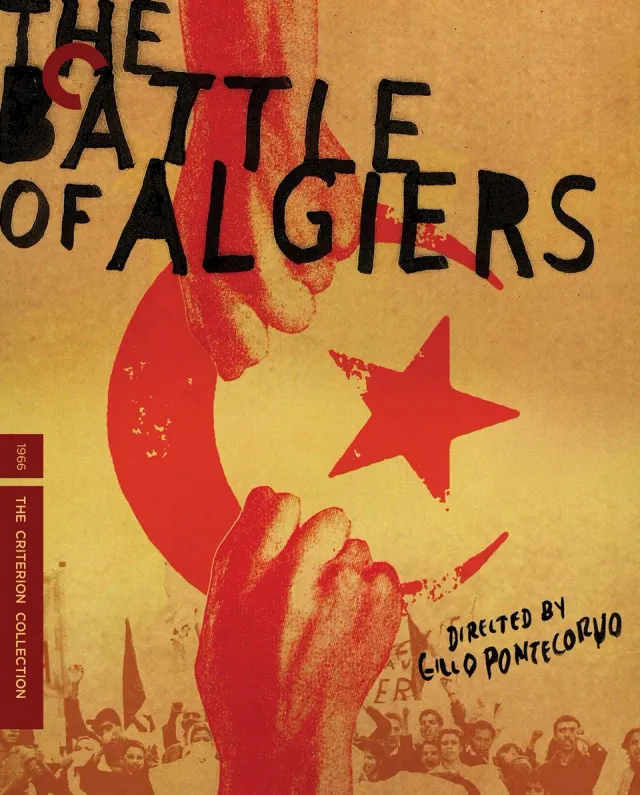
Beginning with French forces closing in on Ali la Pointe, the film flashes back to the growth of the National Liberation Front in the Casbah between 1954 and 1957. It follows urban resistance cells and the French paratroopers sent to dismantle them, showing both insurgent attacks and the military campaign of arrests and torture. The struggle escalates through bombings, reprisals and the destruction of FLN leadership, but nationalist demonstrations continue after the immediate battle is lost. The film frames the city as a contested political space and connects tactical victories to a wider movement for independence.
What drives the story
The story moves from cell-level resistance to counterinsurgency, showing how tactical victories fail to settle the political question of Algerian independence.
The people at its centre
Ali, Ben M'Hidi and Colonel Mathieu offer distinct positions within the conflict, while civilian spaces reveal who bears the cost of each escalation.
What it feels like
Documentary-like staging, crowd scenes and spare editing create an urgent collective perspective rather than a conventional hero-centered war film.
Worth knowing
Choose it for historically grounded political cinema about urban insurgency and state repression; the film's perspective deserves context beyond a simple action-war comparison.
Occupation and resistanceCivilian costPolitical violence
Mood
Urgent · Reportorial · Unsettling
Pacing
Chronological campaign · Escalating reprisals
Visual style
Documentary-like black-and-white · Crowded street scenes
Storytelling
Urban insurgency · French countermeasures · Collective resistance