Explore films connected to Che: The Argentine through revolution and political ideology, collective struggle, leadership and historical memory. Choose the qualities you want to carry into your next watch.
What should feel similar?
Find your next favourite
9 films · Closest overall matches
Hide films you’ve seen or don’t want. Saved on this device.
No matches for this combination yet.
Try another option or reset your choices to see more films.
Based on recorded story, mood and style. Your preferences can change the order.
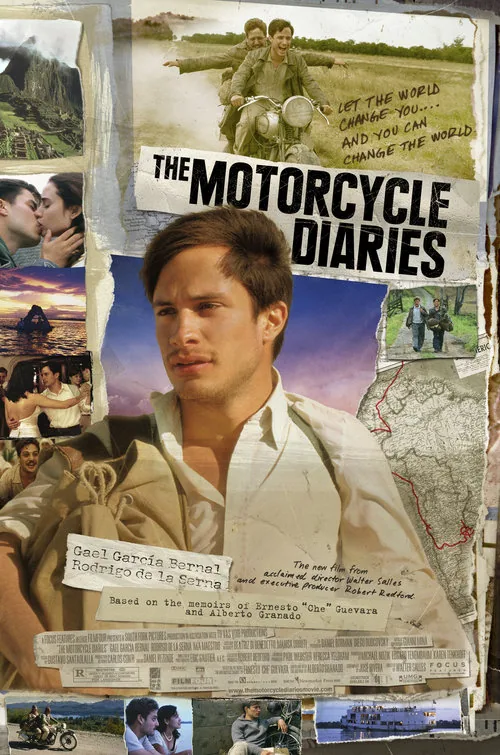
What changes Che: The Argentine: intercut interview and campaign periods, training and alliances build the rebellion and santa clara campaign closes the first part. The Motorcycle Diaries: episodic encounters and travel setbacks.
In 1952, medical student Ernesto Guevara and biochemist Alberto Granado set out across South America on a battered motorcycle. What begins as an impulsive road trip becomes a series of encounters with mine workers, Indigenous communities and people living with illness and poverty, including patients at a leper colony in Peru. The motorcycle fails, forcing the friends to continue by other means and changing the pace of their journey. Ernesto’s experiences broaden his view of the continent’s inequalities, though the film does not present a complete account of the later revolutionary he will become. Walter Salles adapts the travel memoirs of both men as a formative coming-of-age road film.
Based on recorded story, mood and style. Your preferences can change the order.
War and civilian life
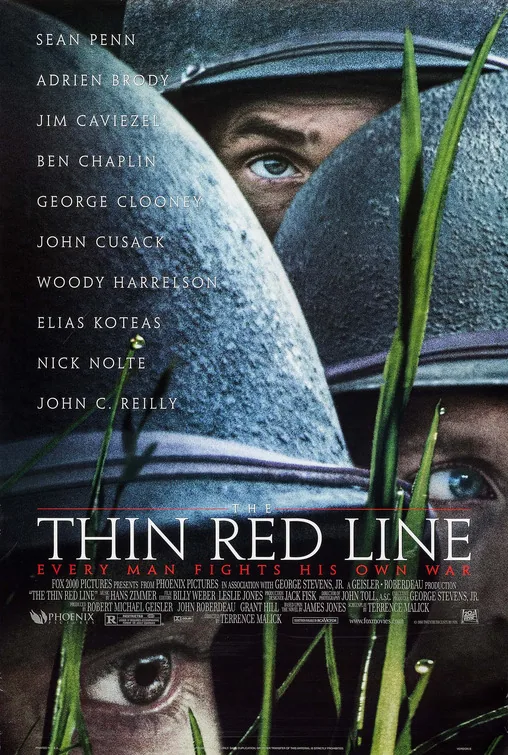
What changes Che: The Argentine: intercut interview and campaign periods, training and alliances build the rebellion and santa clara campaign closes the first part. The Thin Red Line: meditative.
An American infantry company arrives on Guadalcanal and confronts a landscape whose beauty offers no protection from military objectives or unpredictable killing. Attempts to capture a defended position expose differences between career ambition, tactical responsibility and the soldiers' private attachments. Multiple voices reflect on nature, violence and loss as the campaign continues, making neither strategic progress nor individual courage sufficient to explain what the men experience.
Based on recorded story, mood and style. Your preferences can change the order.
Political resistance
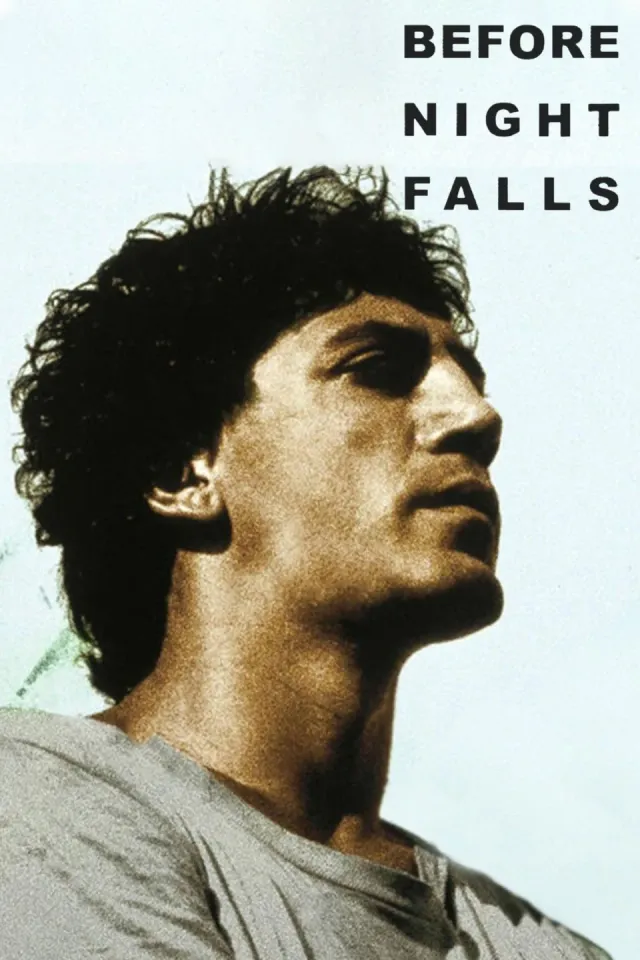
What changes Che: The Argentine: intercut interview and campaign periods, training and alliances build the rebellion and santa clara campaign closes the first part. Before Night Falls: reflective and period-spanning.
Cuban writer Reinaldo Arenas pursues a life in literature and love while political persecution, censorship and imprisonment shape what he can safely write. His story follows a creative life across changing periods and eventually into exile in New York. The film places artistic freedom beside the costs of survival, treating memory and self-expression as acts of resistance.
Based on recorded story, mood and style. Your preferences can change the order.
Political resistance · War and civilian life
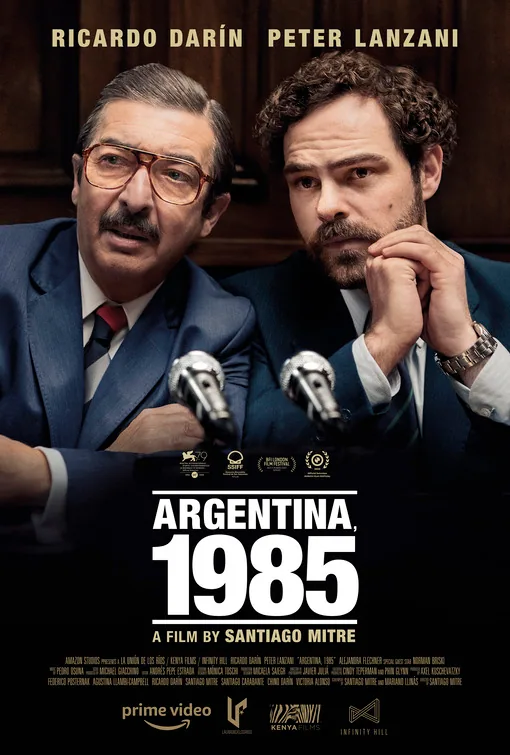
What changes Che: The Argentine: intercut interview and campaign periods, training and alliances build the rebellion and santa clara campaign closes the first part. Argentina, 1985: procedural, measured, building and courtroom-driven.
In newly restored democracy, prosecutor Julio César Strassera is assigned to build the civilian case against Argentina’s former military junta. With deputy prosecutor Luis Moreno Ocampo, he assembles a young legal team when established lawyers are reluctant to take part. The film follows their collection of testimony, the pressure surrounding the trial and the work of making individual accounts heard in a courtroom charged with national consequence.
Based on recorded story, mood and style. Your preferences can change the order.
Political resistance · War and civilian life
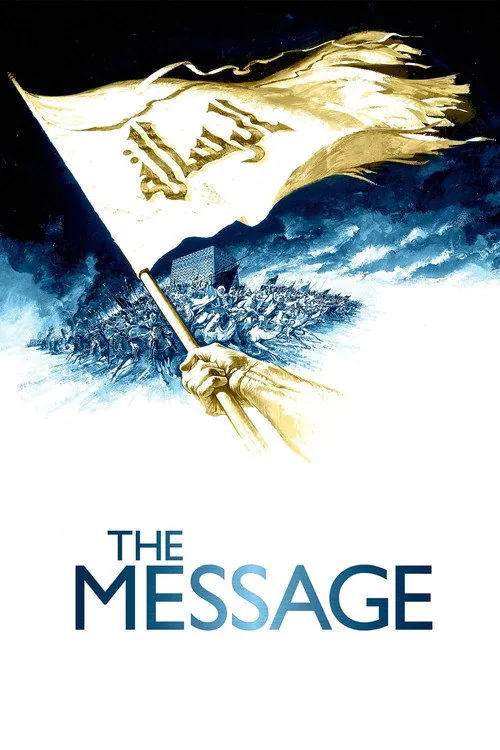
What changes Che: The Argentine: intercut interview and campaign periods, training and alliances build the rebellion and santa clara campaign closes the first part. The Message: origins and conversion, exile and community building and return and battle.
The film follows the early spread of Islam through the experiences of Muhammad's companions, whose persecution in Mecca leads them to seek refuge and later return with a growing community. As the new faith challenges established power, its followers face social pressure, exile, and armed conflict. The story depicts the Prophet without showing his face or using an actor, respecting a central religious convention. Moustapha Akkad's historical epic presents the foundation of Islam through surrounding figures and major events rather than a single biographical lead performance.
Based on recorded story, mood and style. Your preferences can change the order.
Political resistance · War and civilian life
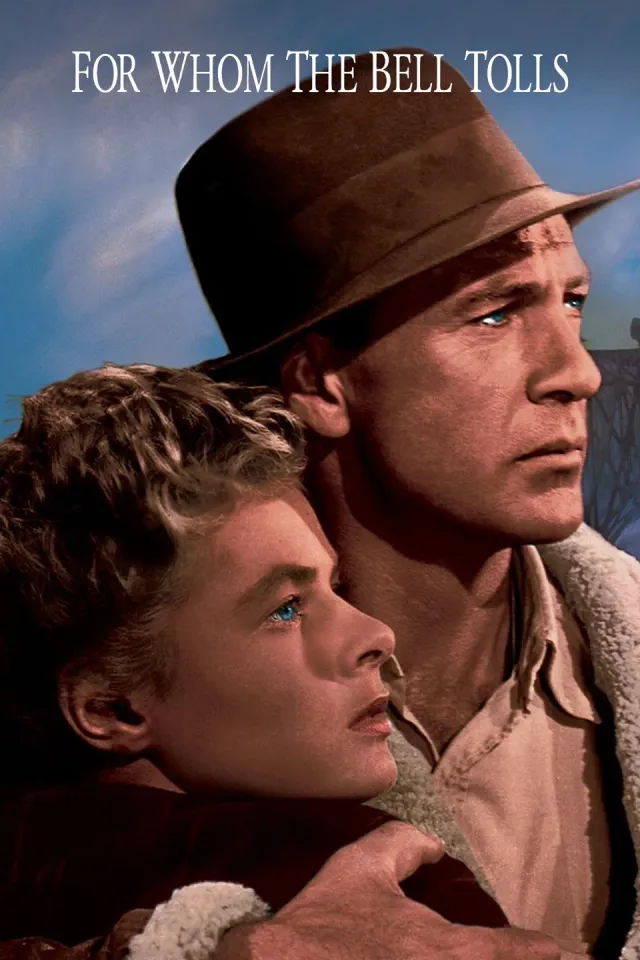
What changes Che: The Argentine: intercut interview and campaign periods, training and alliances build the rebellion and santa clara campaign closes the first part. For Whom the Bell Tolls: measured and escalating.
American dynamiter Robert Jordan joins Republican guerrillas in the Spanish Civil War and is assigned to destroy a bridge as a military offensive approaches. The mission depends on a divided band whose members carry different loyalties, fears and judgments about when violence is useful. Jordan’s relationship with María offers intimacy after her severe trauma, but romance does not erase the coercive history she carries or the group’s strategic danger. The 1943 film compresses Hemingway’s novel and circulated in multiple lengths, so its balance of political context, ensemble conflict and love story varies across cuts; the catalogue slug’s year is not a reason to misstate the film’s release.
Based on recorded story, mood and style. Your preferences can change the order.
Political resistance · War and civilian life
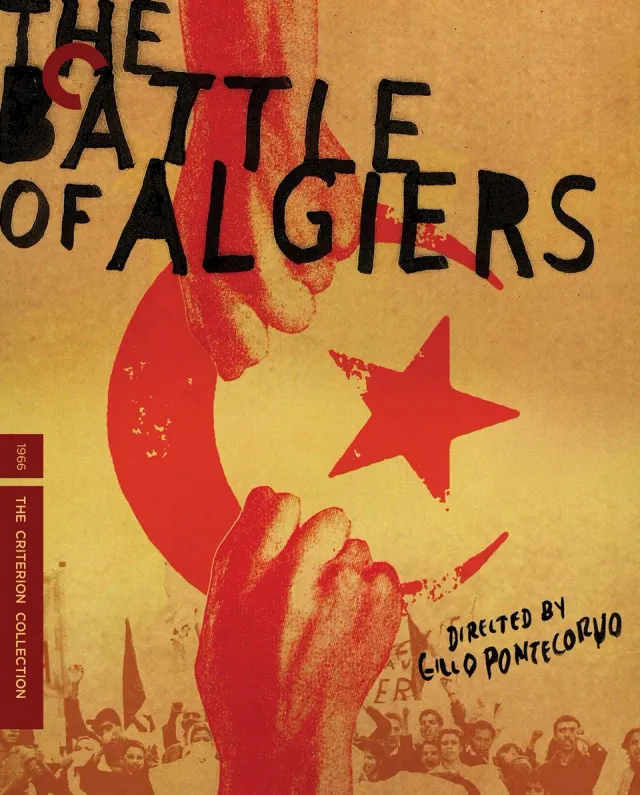
What changes Che: The Argentine: intercut interview and campaign periods, training and alliances build the rebellion and santa clara campaign closes the first part. The Battle of Algiers: chronological campaign and escalating reprisals.
Beginning with French forces closing in on Ali la Pointe, the film flashes back to the growth of the National Liberation Front in the Casbah between 1954 and 1957. It follows urban resistance cells and the French paratroopers sent to dismantle them, showing both insurgent attacks and the military campaign of arrests and torture. The struggle escalates through bombings, reprisals and the destruction of FLN leadership, but nationalist demonstrations continue after the immediate battle is lost. The film frames the city as a contested political space and connects tactical victories to a wider movement for independence.
Based on recorded story, mood and style. Your preferences can change the order.
War and civilian life
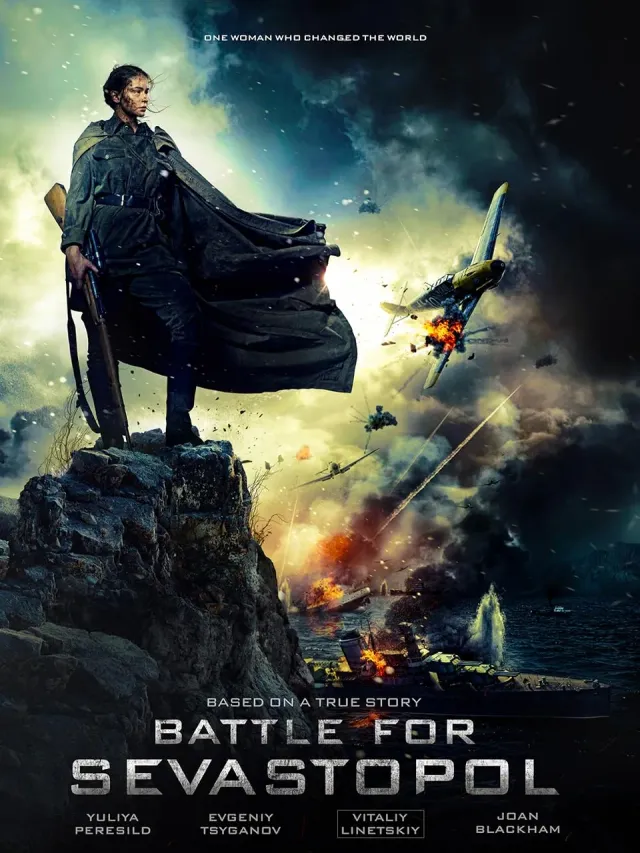
What changes Che: The Argentine: intercut interview and campaign periods, training and alliances build the rebellion and santa clara campaign closes the first part. Battle for Sevastopol: chronological and war-driven.
The film follows Lyudmila Pavlichenko from her studies in Kyiv into the Soviet army, where her skill as a sniper brings her to the Eastern Front. Her wartime service, relationships and later public advocacy take shape amid escalating violence and political pressure. Sergey Mokritsky combines a biographical portrait with large battle scenes, emphasizing both the cost of conflict and the way a woman’s achievements become part of a larger public narrative.
Based on recorded story, mood and style. Your preferences can change the order.
War and civilian life
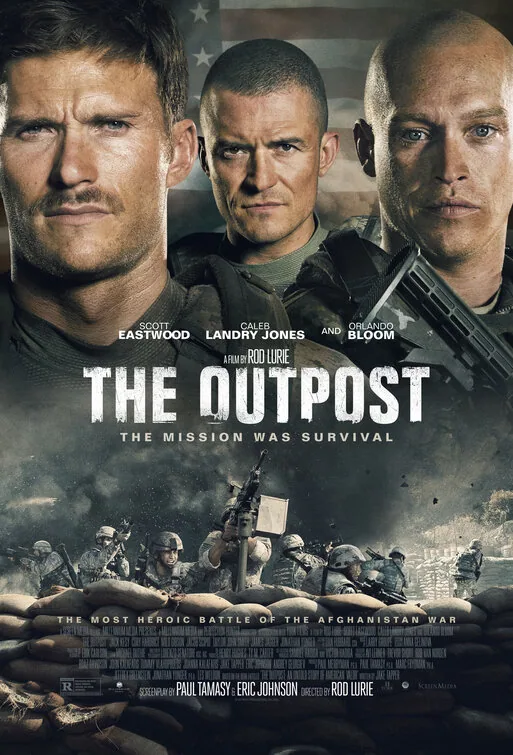
What changes Che: The Argentine: intercut interview and campaign periods, training and alliances build the rebellion and santa clara campaign closes the first part. The Outpost: base routines and patrols, attacks escalate, battle geography narrows options and collective defense climax.
U.S. soldiers stationed at Combat Outpost Keating in Afghanistan face repeated attacks from Taliban fighters and the dangers of holding an exposed base in a remote mountain valley. Captain Keating and later Staff Sergeant Clint Romesha lead a unit whose daily routines, patrols, and relationships unfold under sustained pressure. When a major assault overwhelms the position, the soldiers must defend one another and find a way to survive. Rod Lurie’s war film adapts Jake Tapper’s account of the Battle of Kamdesh as an ensemble story of isolation, leadership, and combat duty.
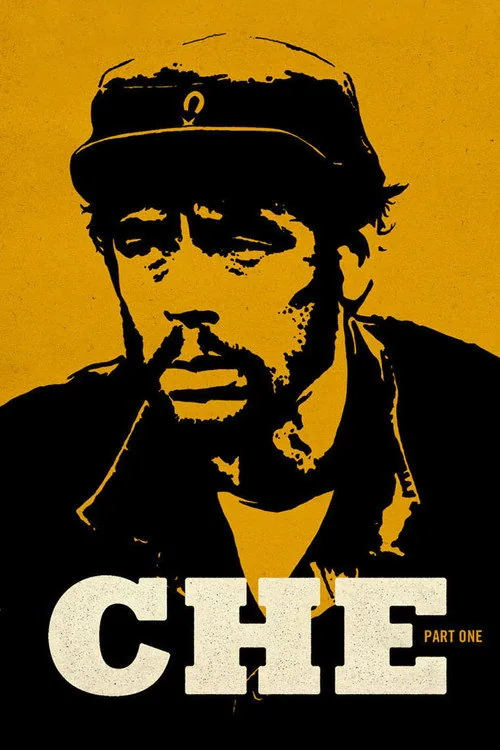
Part One follows Ernesto Che Guevara from his first meeting with Fidel Castro in Mexico through the Cuban revolutionary campaign that helped topple Fulgencio Batista. The film intercuts that mountain struggle with Guevara's 1964 appearance at the United Nations, where he defends the revolution and its violence. Guerrilla training, peasant alliances, illness, and strategic battles shape the campaign toward Santa Clara. The restrained biographical epic emphasizes collective action and political purpose over a conventional rise-to-fame portrait.
What drives the story
Guevara's entry into Castro's movement leads through the Cuban guerrilla campaign toward the victory at Santa Clara.
The people at its centre
Guevara's discipline and medical experience shape his role among fellow fighters, while alliances with peasants broaden the revolution.
What it feels like
A patient historical epic uses naturalistic camerawork and intercut chronology to foreground the mechanics of revolutionary struggle.
Worth knowing
This first part centers on Cuba and the campaign's collective structure, leaving Guevara's later Bolivian defeat for the companion film.
revolution and political ideologycollective struggleleadership and historical memory
Mood
observational · serious · immersive
Pacing
intercut interview and campaign periods · training and alliances build the rebellion · Santa Clara campaign closes the first part
Visual style
cinema-verité camerawork · natural landscapes and military detail · muted period reconstruction
Storytelling
Guevara joins Castro's Cuban movement · United Nations speech frames the historical campaign · guerrilla warfare leads to Batista's fall