A platoon repeatedly attacks a fortified ridge under mounting casualties and command pressure.
Why this matches +
Selected for the central appeal: Soldiers on Guadalcanal confront combat, command ambition and personal loss amid a beautiful but deadly landscape.
Genres: Drama / Action
Shared film traits
Based on recorded story, mood and style. Your preferences can change the order.
War and civilian life
What changes An infantry unit repeatedly assaults a fortified position, exposing the human cost of command decisions and military objectives.
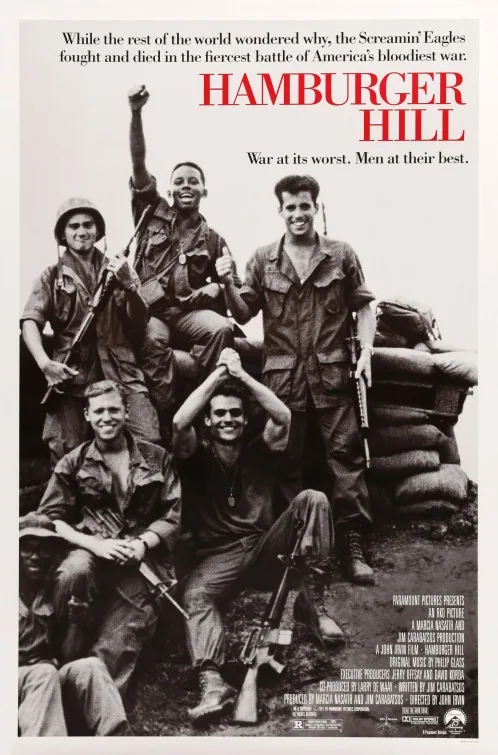
A platoon of American soldiers arrives in Vietnam in 1969 with inexperienced replacements and a battle-weary leadership. Their mission is to seize Hill 937, a steep and fortified position that becomes the focus of repeated assaults. The film follows the physical cost of attritional combat and the tensions among soldiers, including racial inequities, as the unit struggles to understand what its repeated sacrifices will accomplish.
Repeated patrols expose a recruit to an escalating division within his own unit, making combat inseparable from a struggle over the conduct of war.
Why this matches +
These offer a related experience with a meaningful difference in story, tone, or presentation.
An adjacent discovery: a related idea with a different viewing experience.
Genres: Drama / Action
Shared film traits
Based on recorded story, mood and style. Your preferences can change the order.
War and civilian life
What changes Soldiers confront brutal combat and divisions within their unit as private loyalties collide with military orders.
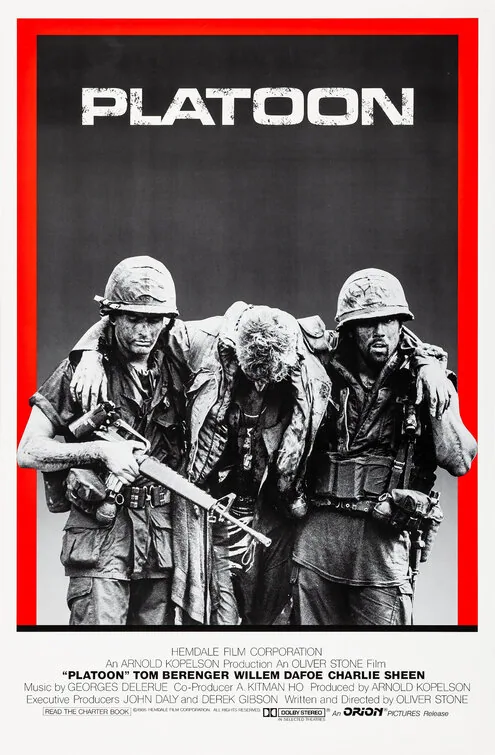
A young American volunteer arrives in Vietnam expecting a test of courage and finds exhaustion, fear and a unit divided between two experienced sergeants. Their conflicting responses to civilians and perceived betrayal turn the platoon's internal loyalties into another source of danger. The recruit's effort to understand what kind of soldier he can become is overtaken by acts that blur the separation between survival, obedience and moral responsibility.
An impossible military order produces a prosecution designed to displace responsibility down the chain of command.
Why this matches +
These offer a related experience with a meaningful difference in story, tone, or presentation.
An adjacent discovery: a related idea with a different viewing experience.
Genres: Drama / War
Shared film traits
Based on recorded story, mood and style. Your preferences can change the order.
War and civilian life
What changes Military ambition and institutional authority drive an assault whose human cost raises questions about courage and responsibility.
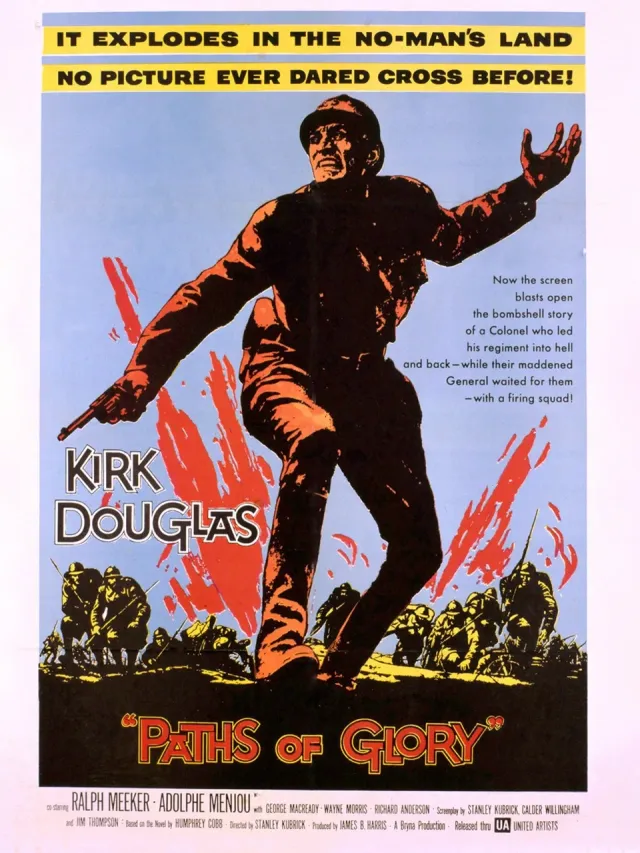
A French regiment is ordered into an attack that senior officers have little reason to expect it can survive. After failure, selected soldiers face trial for cowardice while their commander attempts to defend them. The proceedings expose a hierarchy more concerned with reputation and discipline than with the circumstances of the men whose lives it controls.
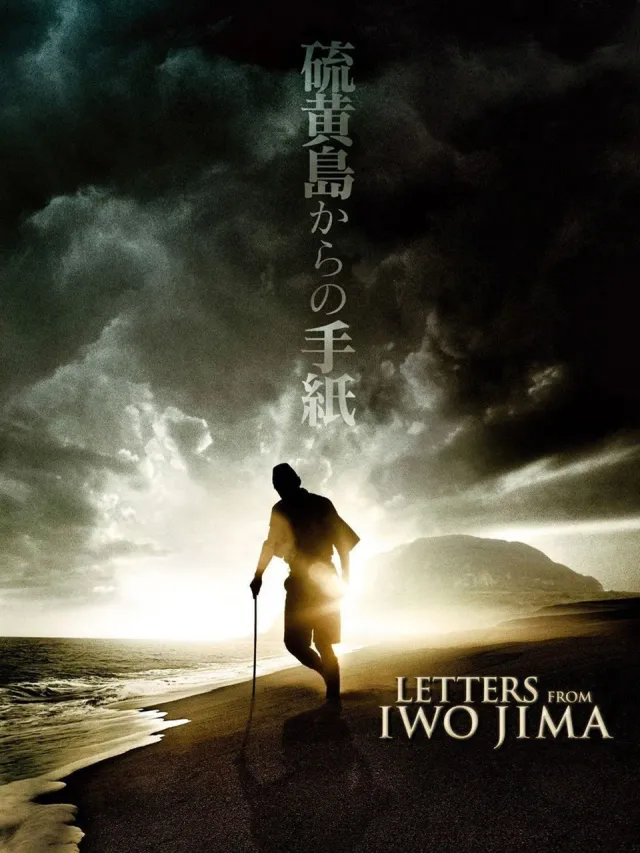
The tactical shift to a defense from caves and tunnels changes the battle from an open-front engagement into a prolonged survival problem. Letters provide a second structure, carrying home lives into a position where return is unlikely.
Why this matches +
These offer a related experience with a meaningful difference in story, tone, or presentation.
An adjacent discovery: a related idea with a different viewing experience.
Genres: War / Drama
Shared film traits
Based on recorded story, mood and style. Your preferences can change the order.
War and civilian life
What changes A Pacific battle is seen through soldiers facing overwhelming violence, uncertain leadership and intimate fears.
As U.S. forces approach Iwo Jima in 1945, Japanese soldiers prepare to defend an island they know they may not survive. Letters and flashbacks follow General Kuribayashi, Saigo the baker and other men whose motives range from duty and fear to attachment to families at home. Their human individuality complicates the language of national honor without making the film a full account of the Pacific War or Japanese imperial responsibility. Clint Eastwood’s Japanese-language companion to Flags of Our Fathers focuses on one selected military perspective; it does not stand for every Japanese soldier or civilian. The battle’s underground tunnels and fragmented correspondence turn defense into an intimate, enclosed ordeal, while the historical context remains larger than the film’s sympathetic frame.
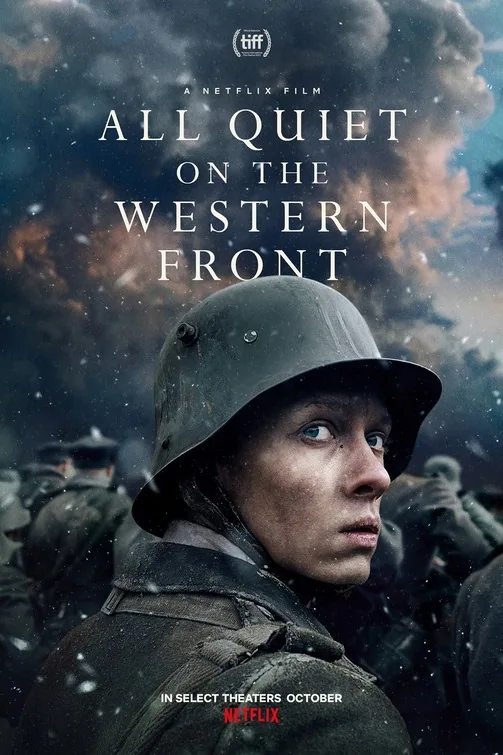
Frontline attrition unfolds beside armistice negotiations, making the continuation of killing a choice sustained by institutional pride rather than an absence of possible alternatives.
Why this matches +
These offer a related experience with a meaningful difference in story, tone, or presentation.
An adjacent discovery: a related idea with a different viewing experience.
Genres: War / Drama
Shared film traits
Based on recorded story, mood and style. Your preferences can change the order.
War and civilian life
What changes Young soldiers' expectations of duty and comradeship collapse under repetitive battlefield loss and bodily fear.
A German teenager enlists with friends near the end of the First World War and discovers a front defined by mud, deprivation, and abrupt industrial violence. His changing group struggles to obtain brief moments of food and companionship while officials negotiate an end to the fighting. The distance between strategic decisions and expendable lives becomes increasingly stark as the possibility of peace fails to make the remaining hours safe.
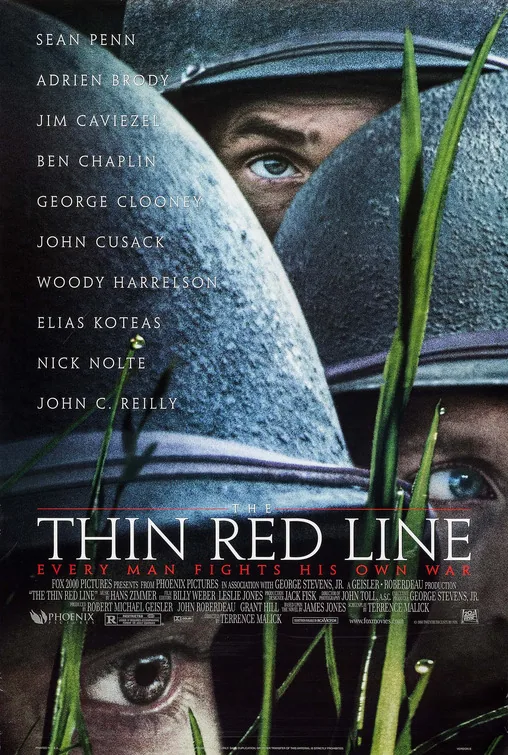
An American infantry company arrives on Guadalcanal and confronts a landscape whose beauty offers no protection from military objectives or unpredictable killing. Attempts to capture a defended position expose differences between career ambition, tactical responsibility and the soldiers' private attachments. Multiple voices reflect on nature, violence and loss as the campaign continues, making neither strategic progress nor individual courage sufficient to explain what the men experience.
What drives the story
A contested advance places command pressure against the cost of sending particular men into danger, while shifting perspectives continually exceed the official mission.
The people at its centre
A protective captain resists a superior's ambitions, and individual soldiers hold onto memories, beliefs and fleeting encounters that military hierarchy cannot contain.
What it feels like
Lyrical voiceovers and expansive natural observation alternate with abrupt combat, producing a meditative ensemble rather than a single heroic trajectory.
Worth knowing
Its fragmented inward perspectives and attention to a living landscape distinguish it from a straightforward tactical rescue or a campaign narrated primarily through historical milestones.