A two-part account connects the manufacture of military obedience with a combat environment that makes the resulting identities unstable and morally difficult to sustain.
Why this matches +
These films share important themes, atmosphere or storytelling interests with this selection.
Genres: Drama / War
Shared film traits
Based on recorded story, mood and style. Your preferences can change the order.
War and civilian life
What changes Its own story: A two-part account connects the manufacture of military obedience with a combat environment that makes the resulting identities unstable and morally difficult to sustain.
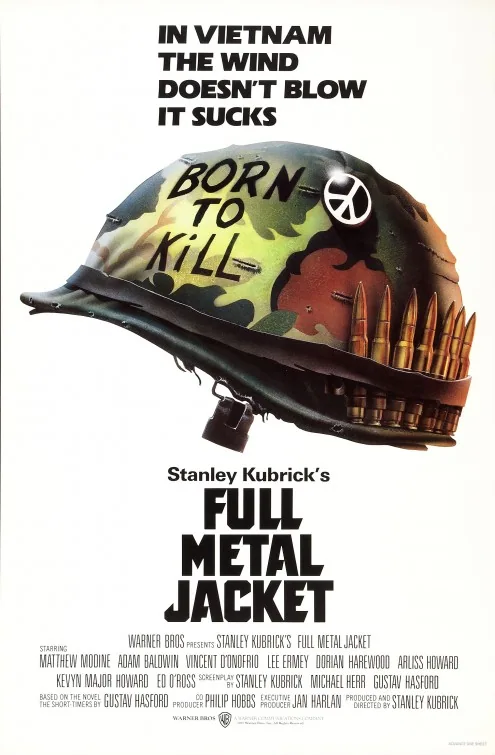
Young American recruits enter Marine training under an instructor who treats humiliation and the destruction of private identity as tools for producing soldiers. The story later follows a military journalist and other servicemen into urban fighting in Vietnam, where institutional language and actual violence do not remain comfortably aligned. Moving between the training system and its consequences exposes both the habits it creates and the ways individuals adapt, perform or fracture inside them.
A communal departure, wartime captivity and fractured return reveal how violence changes the possibility of resuming an earlier life.
Why this matches +
These films share important themes, atmosphere or storytelling interests with this selection.
Genres: Drama / War
Shared film traits
Based on recorded story, mood and style. Your preferences can change the order.
War and civilian life
What changes Its own story: A communal departure, wartime captivity and fractured return reveal how violence changes the possibility of resuming an earlier life.
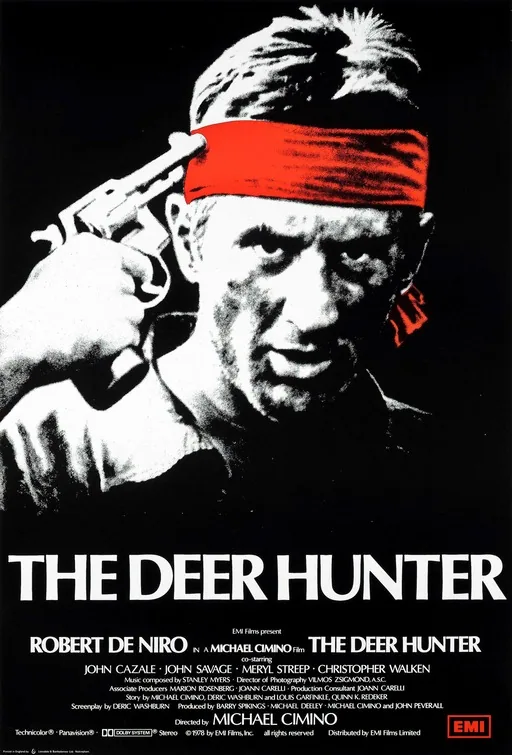
Three friends from a Pennsylvania steelworking community leave for service in Vietnam after a wedding that draws together their social world. Captivity and extreme coercion rupture their shared assumptions, and returning home does not restore the relationships or confidence the departure seemed to guarantee. A renewed effort to recover a missing friend makes survival inseparable from confronting damage that cannot be solved by reproducing familiar rituals.
A contested advance places command pressure against the cost of sending particular men into danger, while shifting perspectives continually exceed the official mission.
Why this matches +
These films share important themes, atmosphere or storytelling interests with this selection.
Genres: Drama / War
Shared film traits
Based on recorded story, mood and style. Your preferences can change the order.
War and civilian life
What changes Its own story: A contested advance places command pressure against the cost of sending particular men into danger, while shifting perspectives continually exceed the official mission.
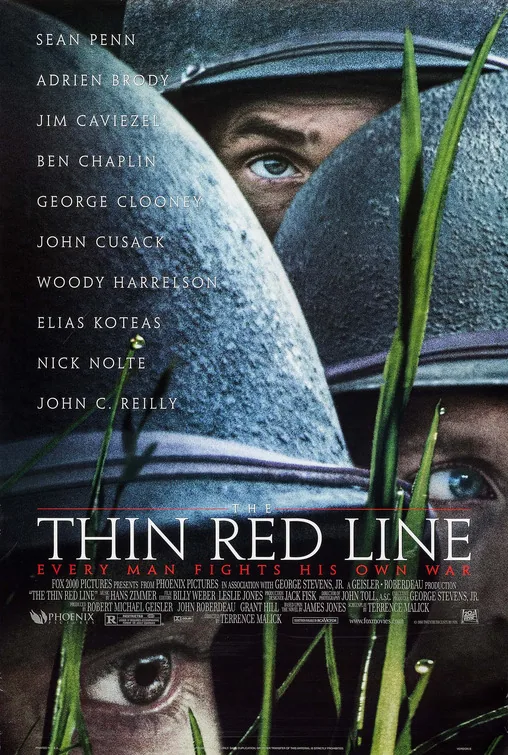
An American infantry company arrives on Guadalcanal and confronts a landscape whose beauty offers no protection from military objectives or unpredictable killing. Attempts to capture a defended position expose differences between career ambition, tactical responsibility and the soldiers' private attachments. Multiple voices reflect on nature, violence and loss as the campaign continues, making neither strategic progress nor individual courage sufficient to explain what the men experience.
A covert assassination journey gradually undermines the moral and institutional categories used to justify the mission.
Why this matches +
These films share important themes, atmosphere or storytelling interests with this selection.
Genres: Drama / Thriller
Shared film traits
Based on recorded story, mood and style. Your preferences can change the order.
War and civilian life
What changes Its own story: A covert assassination journey gradually undermines the moral and institutional categories used to justify the mission.
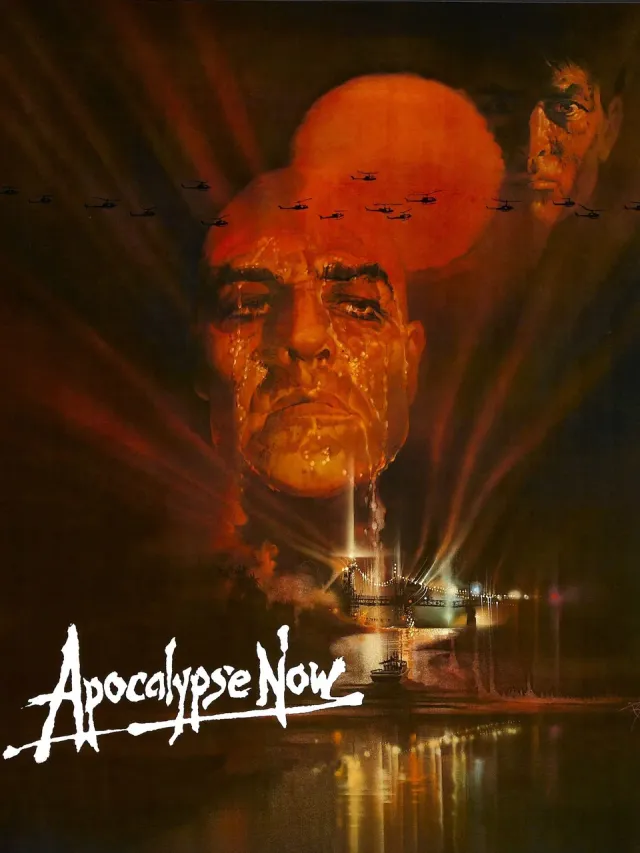
An American officer in the Vietnam War receives secret orders to travel upriver and eliminate a commander whose independent authority has become unacceptable to his superiors. Moving with a patrol-boat crew exposes a succession of military performances, civilian suffering and breakdowns in ordinary explanation. Approaching the target makes the assignment's official distinction between disciplined violence and madness increasingly difficult to sustain.
Eriksson challenges his squad after witnessing their assault on a Vietnamese civilian.
Why this matches +
These films share important themes, atmosphere or storytelling interests with this selection.
Genres: War / Drama
Shared film traits
Based on recorded story, mood and style. Your preferences can change the order.
War and civilian life
What changes Its own story: Eriksson challenges his squad after witnessing their assault on a Vietnamese civilian.
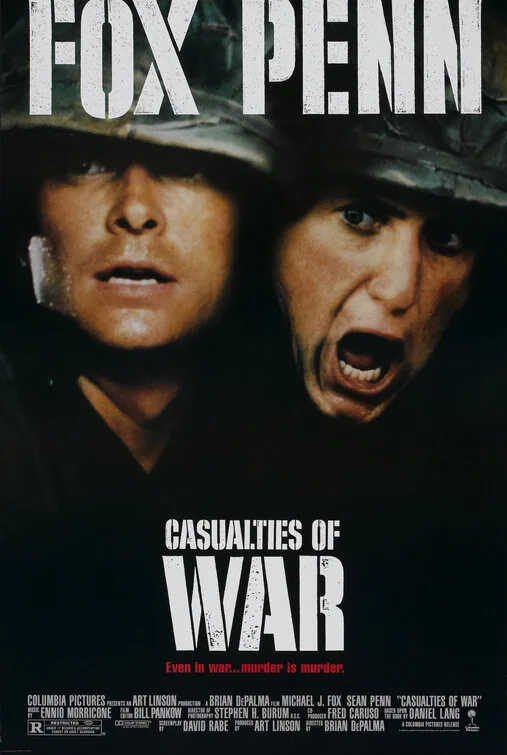
During the Vietnam War, American soldier Eriksson witnesses his squad's abduction and abuse of a Vietnamese girl. When he refuses to accept the crime as an unavoidable part of war, he challenges the men around him and tries to report what happened through a chain of military authority. His resistance brings him into conflict with his sergeant and peers, making the choice to testify a test of conscience under battlefield pressure.
Frontline attrition unfolds beside armistice negotiations, making the continuation of killing a choice sustained by institutional pride rather than an absence of possible alternatives.
Why this matches +
These films share important themes, atmosphere or storytelling interests with this selection.
Genres: War / Drama
Shared film traits
Based on recorded story, mood and style. Your preferences can change the order.
War and civilian life
What changes Its own story: Frontline attrition unfolds beside armistice negotiations, making the continuation of killing a choice sustained by institutional pride rather than an absence of possible alternatives.
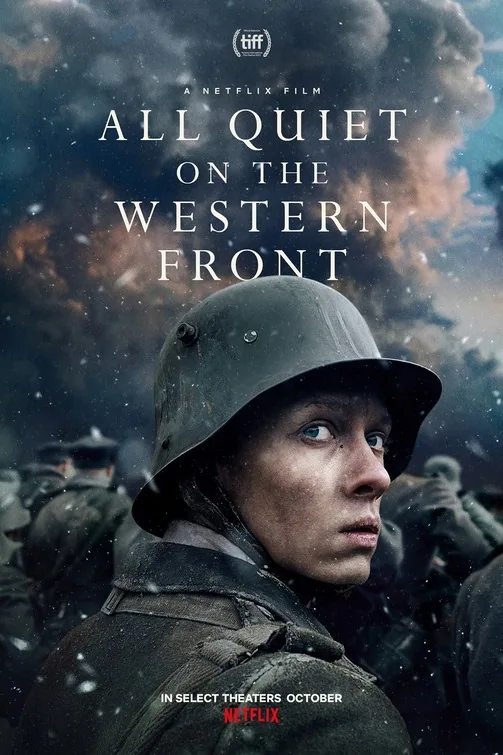
A German teenager enlists with friends near the end of the First World War and discovers a front defined by mud, deprivation, and abrupt industrial violence. His changing group struggles to obtain brief moments of food and companionship while officials negotiate an end to the fighting. The distance between strategic decisions and expendable lives becomes increasingly stark as the possibility of peace fails to make the remaining hours safe.
A disabling combat injury exposes the gap between patriotic promises and veterans' material treatment, redirecting Ron's loyalty toward organized opposition and public testimony. The political turn grows from failed care and encounters with other veterans.
Why this matches +
These films share important themes, atmosphere or storytelling interests with this selection.
Genres: Drama / War
Shared film traits
Based on recorded story, mood and style. Your preferences can change the order.
War and civilian life
What changes Its own story: A disabling combat injury exposes the gap between patriotic promises and veterans' material treatment, redirecting Ron's loyalty toward organized opposition and public testimony. The political turn grows from failed care and encounters with other veterans.
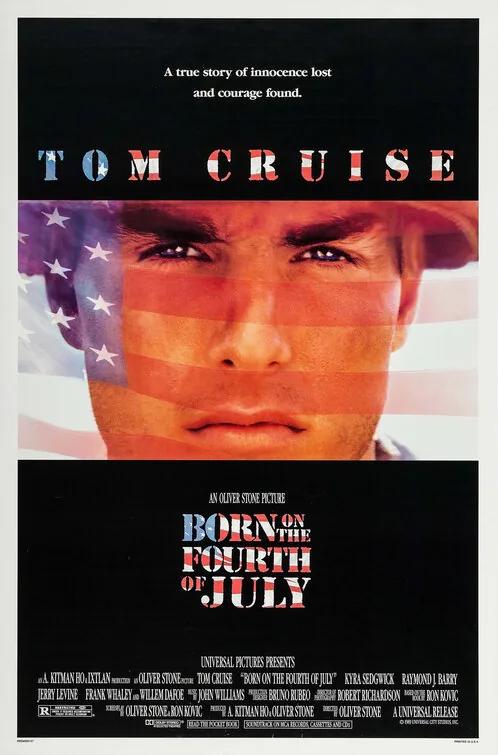
Raised on patriotic ritual, Ron Kovic volunteers for Vietnam believing service will make inherited ideals real. A catastrophic injury, inadequate care and a difficult return home unsettle that belief, while family expectations and encounters with other veterans turn private anger toward public speech. The film follows a changing political identity rather than a simple recovery arc: disability persists, and activism does not restore the life he imagined before enlistment. Kovic's story is personal and dramatized, not a universal account of veterans or the war.
A boy seeking to join the resistance is pulled into civilian extermination and the devastation of occupied Belarus, where each encounter removes another layer of childhood expectation. Flyora's changing face registers damage more than a conventional victory arc.
Why this matches +
These films share important themes, atmosphere or storytelling interests with this selection.
Genres: War / Drama
Shared film traits
Based on recorded story, mood and style. Your preferences can change the order.
War and civilian life
What changes Its own story: A boy seeking to join the resistance is pulled into civilian extermination and the devastation of occupied Belarus, where each encounter removes another layer of childhood expectation. Flyora's changing face registers damage more than a conventional victory arc.
Teenager Flyora joins partisans in Nazi-occupied Belarus, expecting resistance to be a path into action. Instead, the film follows a child through the destruction of villages and the murder of civilians, making atrocity a lived sensory experience rather than an abstract lesson about war. His face, sound and shifting perception carry the cost of witnessing; the historical specificity of occupation and extermination should not be flattened into a claim that every conflict is equivalent. This is an exceptionally intense film, not a conventional battlefield adventure. The film's closing newsreel montage runs backward, refusing a comforting return to innocence.
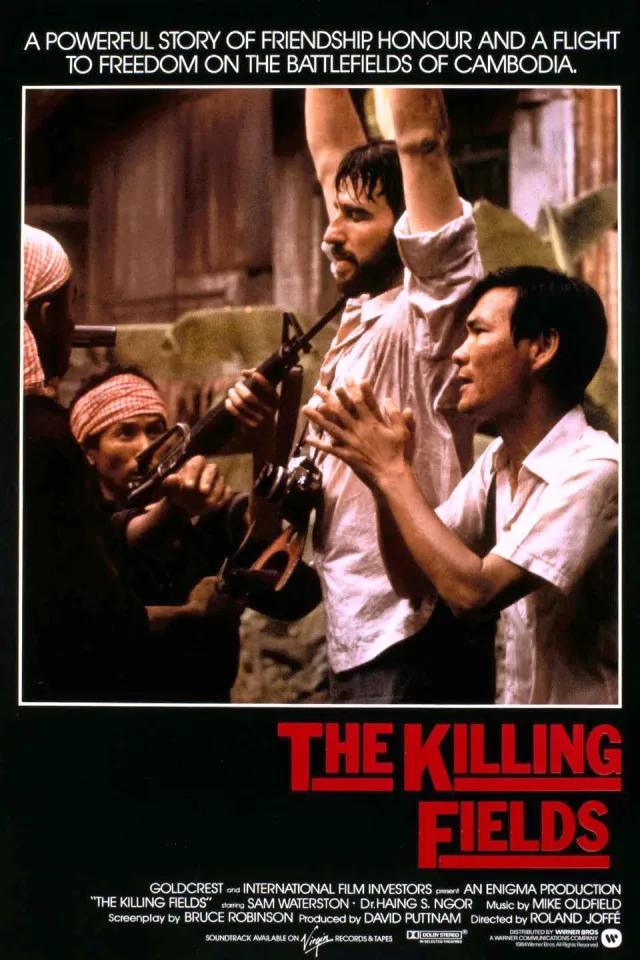
The decision to stay with his family in Cambodia separates Pran from Schanberg; the parallel storylines keep their friendship present across years and radically different circumstances.
Why this matches +
These films share important themes, atmosphere or storytelling interests with this selection.
Genres: Drama / Biography
Shared film traits
Based on recorded story, mood and style. Your preferences can change the order.
War and civilian life
What changes Its own story: The decision to stay with his family in Cambodia separates Pran from Schanberg; the parallel storylines keep their friendship present across years and radically different circumstances.
New York Times reporter Sydney Schanberg and Cambodian journalist and interpreter Dith Pran work together as Cambodia’s civil war intensifies. When the Khmer Rouge take Phnom Penh, Schanberg helps Pran’s family leave, but Pran stays and is captured. Schanberg and photographer Al Rockoff struggle to survive the immediate upheaval and later try to secure Pran’s release. The film follows the friends on separate paths: Schanberg returns to the United States carrying guilt over his colleague’s disappearance, while Pran endures forced labor and attempts to escape. Their eventual reunion joins a personal story of loyalty to a depiction of the Khmer Rouge period, which the feature dramatizes rather than comprehensively documents.
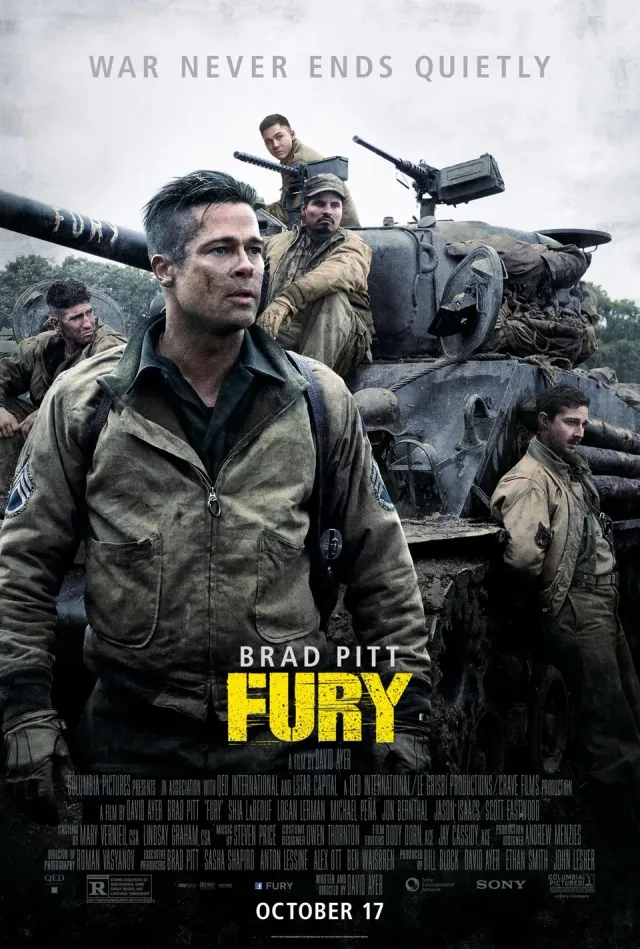
A replacement soldier's initiation unfolds within a cramped crew whose immediate need for effectiveness repeatedly overrides gentler forms of instruction.
Why this matches +
These films explore a related idea in a different setting, genre or style.
An adjacent discovery: a related idea with a different viewing experience.
Genres: Drama / Action
Shared film traits
Based on recorded story, mood and style. Your preferences can change the order.
Coming of age · War and civilian life
What changes Its own story: A replacement soldier's initiation unfolds within a cramped crew whose immediate need for effectiveness repeatedly overrides gentler forms of instruction.
A young soldier with little preparation for combat is assigned to an American tank crew advancing through Germany near the end of the Second World War. The commander attempts to make him useful through methods that alternate between protection and coercion, while exhaustion has narrowed the experienced crew's tolerance for hesitation. Encounters with civilians and increasingly exposed engagements make learning to survive inseparable from deciding how much of one's earlier self can be retained.
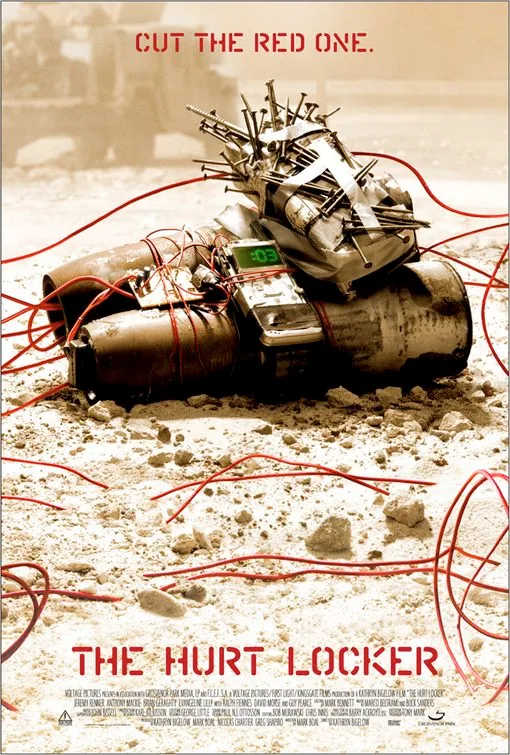
Episodic bomb-disposal missions test the distinction between skilled duty and dependence on danger, while a countdown to departure strains unit cohesion.
Why this matches +
These films explore a related idea in a different setting, genre or style.
An adjacent discovery: a related idea with a different viewing experience.
Genres: Drama / Thriller
Shared film traits
Based on recorded story, mood and style. Your preferences can change the order.
War and civilian life
What changes Its own story: Episodic bomb-disposal missions test the distinction between skilled duty and dependence on danger, while a countdown to departure strains unit cohesion.
A bomb-disposal team in Iraq receives a new leader whose technical ability comes with an appetite for risk that unsettles the men protecting him. Successive calls turn ordinary streets, vehicles and civilian encounters into uncertain threats, while each operation exposes a different limit in the team's trust. As their rotation nears its end, survival appears less difficult to imagine than a shared understanding of what returning to ordinary life would mean.
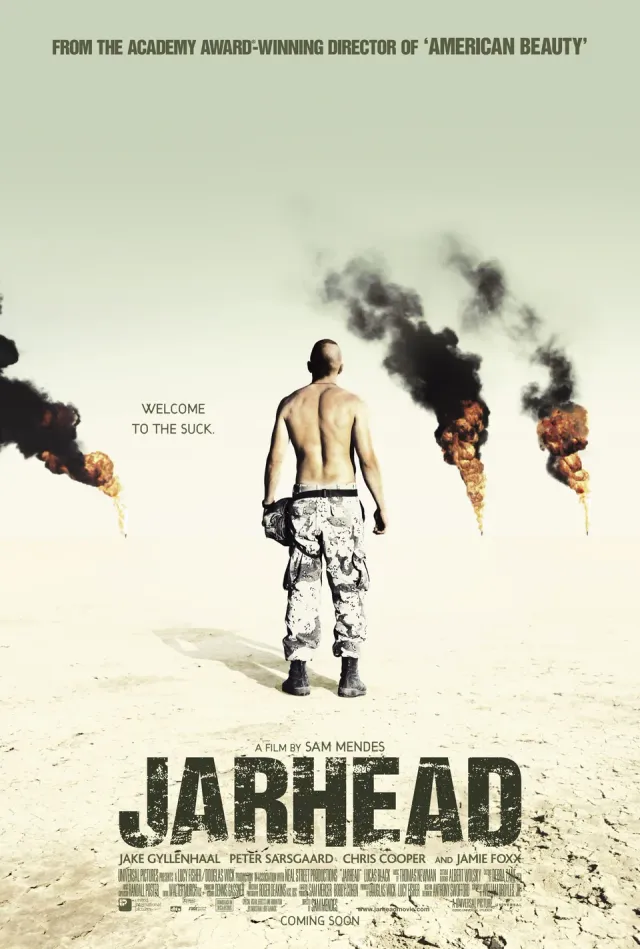
The long delay between preparation and action becomes the central pressure shaping the unit’s experience.
Why this matches +
These films explore a related idea in a different setting, genre or style.
An adjacent discovery: a related idea with a different viewing experience.
Genres: Biography / Drama
Shared film traits
Based on recorded story, mood and style. Your preferences can change the order.
War and civilian life
What changes Its own story: The long delay between preparation and action becomes the central pressure shaping the unit’s experience.
A young Marine enlists during the Gulf War and trains for deployment, only to find that much of military life consists of waiting under severe physical and psychological pressure. The film follows his unit through preparation, boredom and sudden danger, focusing on what conflict does to identity when direct combat is intermittent. It is a war drama about routine, frustration and expectation.
A platoon repeatedly attacks a fortified ridge under mounting casualties and command pressure.
Why this matches +
These films explore a related idea in a different setting, genre or style.
An adjacent discovery: a related idea with a different viewing experience.
Genres: Drama / Action
Shared film traits
Based on recorded story, mood and style. Your preferences can change the order.
War and civilian life
What changes Its own story: A platoon repeatedly attacks a fortified ridge under mounting casualties and command pressure.
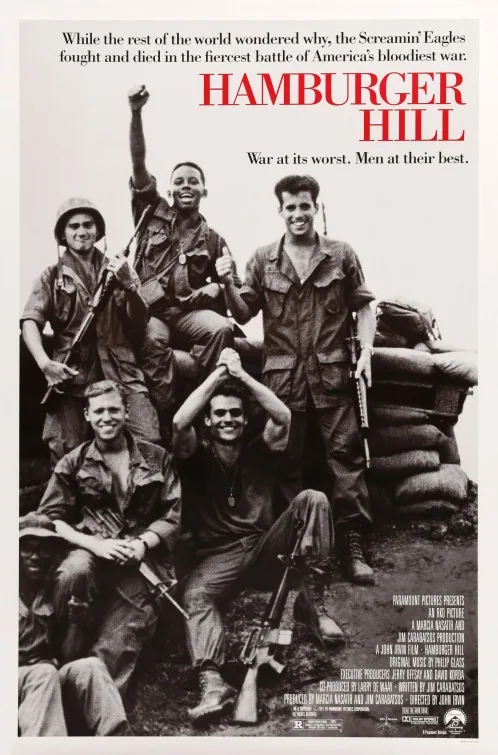
A platoon of American soldiers arrives in Vietnam in 1969 with inexperienced replacements and a battle-weary leadership. Their mission is to seize Hill 937, a steep and fortified position that becomes the focus of repeated assaults. The film follows the physical cost of attritional combat and the tensions among soldiers, including racial inequities, as the unit struggles to understand what its repeated sacrifices will accomplish.
An impossible military order produces a prosecution designed to displace responsibility down the chain of command.
Why this matches +
These films explore a related idea in a different setting, genre or style.
An adjacent discovery: a related idea with a different viewing experience.
Genres: Drama / War
Shared film traits
Based on recorded story, mood and style. Your preferences can change the order.
War and civilian life
What changes Its own story: An impossible military order produces a prosecution designed to displace responsibility down the chain of command.
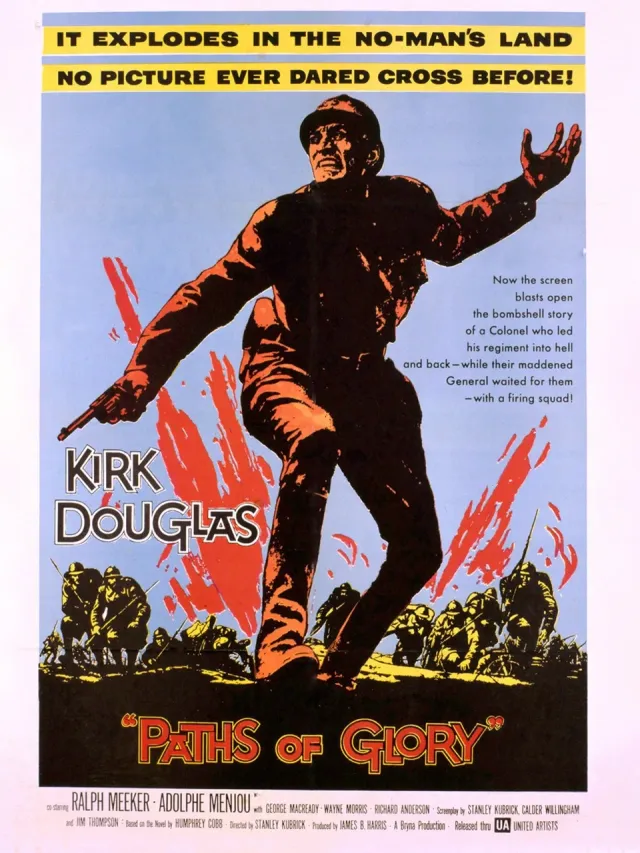
A French regiment is ordered into an attack that senior officers have little reason to expect it can survive. After failure, selected soldiers face trial for cowardice while their commander attempts to defend them. The proceedings expose a hierarchy more concerned with reputation and discipline than with the circumstances of the men whose lives it controls.
Agu’s path into the armed group is driven by the loss of safety and family.
Why this matches +
These films explore a related idea in a different setting, genre or style.
An adjacent discovery: a related idea with a different viewing experience.
Genres: War / Drama
Shared film traits
Based on recorded story, mood and style. Your preferences can change the order.
War and civilian life
What changes Its own story: Agu’s path into the armed group is driven by the loss of safety and family.
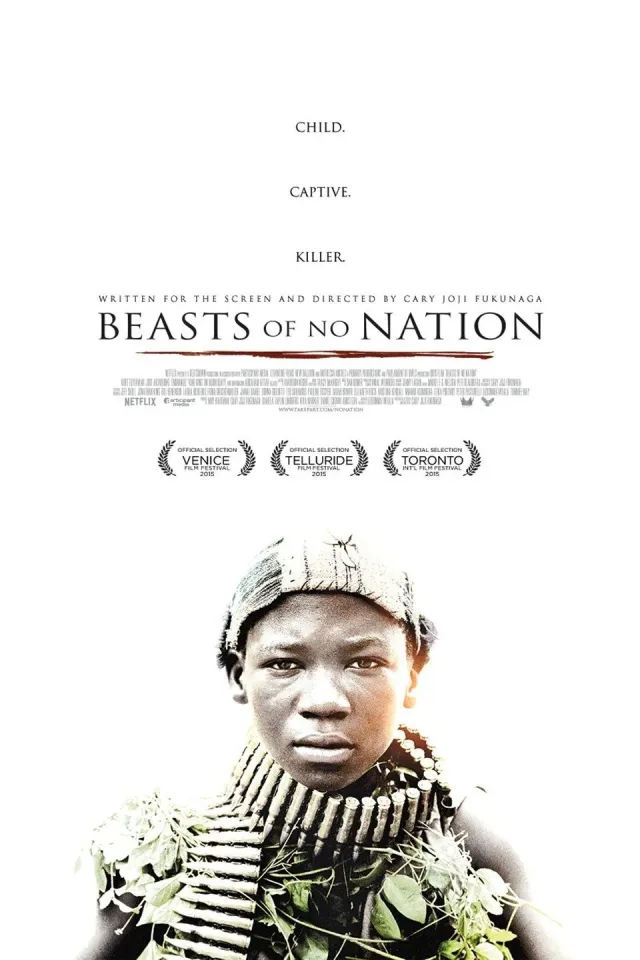
Agu’s life in a West African village is shattered when civil conflict separates him from his family and he is taken in by a rebel commander. He is trained as a child soldier and drawn into acts that reshape how he understands childhood, loyalty and survival. Cary Joji Fukunaga stays close to Agu’s point of view, making the film an intimate and harrowing portrait of war’s effects on a child rather than a conventional battlefield adventure.
A small U.S. unit holds an isolated Afghan outpost as repeated attacks culminate in a major battle for survival.
Why this matches +
These films explore a related idea in a different setting, genre or style.
An adjacent discovery: a related idea with a different viewing experience.
Genres: Action / Drama
Shared film traits
Based on recorded story, mood and style. Your preferences can change the order.
War and civilian life
What changes Its own story: A small U.S. unit holds an isolated Afghan outpost as repeated attacks culminate in a major battle for survival.
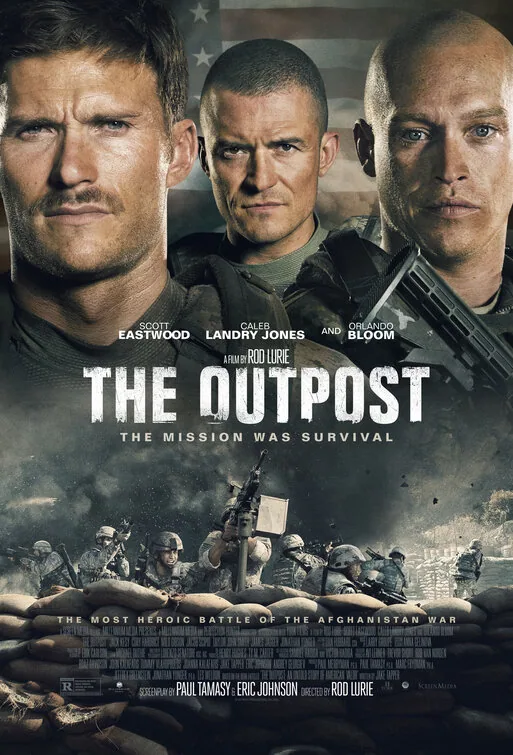
U.S. soldiers stationed at Combat Outpost Keating in Afghanistan face repeated attacks from Taliban fighters and the dangers of holding an exposed base in a remote mountain valley. Captain Keating and later Staff Sergeant Clint Romesha lead a unit whose daily routines, patrols, and relationships unfold under sustained pressure. When a major assault overwhelms the position, the soldiers must defend one another and find a way to survive. Rod Lurie’s war film adapts Jake Tapper’s account of the Battle of Kamdesh as an ensemble story of isolation, leadership, and combat duty.
A single early Vietnam engagement becomes a two-front story: a unit trying to hold its position and families confronting uncertain news at home.
Why this matches +
These films explore a related idea in a different setting, genre or style.
An adjacent discovery: a related idea with a different viewing experience.
Genres: Drama / War
Shared film traits
Based on recorded story, mood and style. Your preferences can change the order.
War and civilian life
What changes Its own story: A single early Vietnam engagement becomes a two-front story: a unit trying to hold its position and families confronting uncertain news at home.
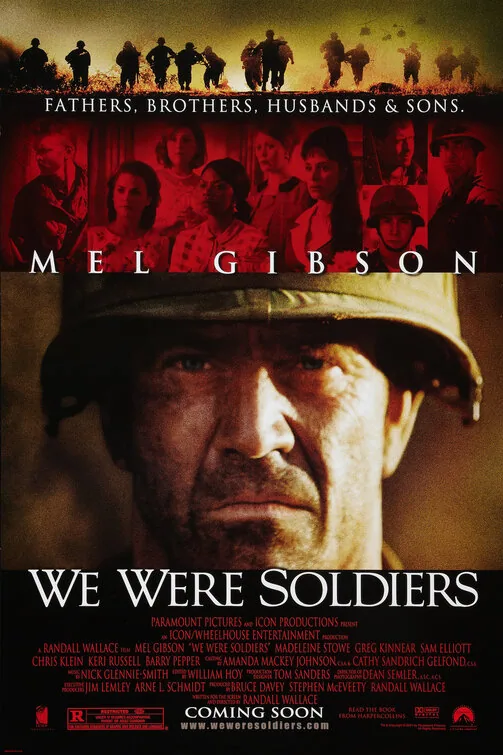
In 1965, Lieutenant Colonel Hal Moore leads a battalion into the Ia Drang Valley, where American forces face a much larger North Vietnamese presence. The film follows the soldiers through a prolonged, difficult battle and also returns to the families waiting at home, especially Moore’s wife Julie as she helps deliver casualty news. Rather than presenting the conflict only through command decisions, it connects battlefield pressure to the people who bear its consequences at a distance. The story is based on Moore and journalist Joseph Galloway’s account of the battle. Casualty letters and the wives' support network create parallel suspense at home. The story moves between orders in the valley and the impact of each notification.
The tactical shift to a defense from caves and tunnels changes the battle from an open-front engagement into a prolonged survival problem. Letters provide a second structure, carrying home lives into a position where return is unlikely.
Why this matches +
These films explore a related idea in a different setting, genre or style.
An adjacent discovery: a related idea with a different viewing experience.
Genres: War / Drama
Shared film traits
Based on recorded story, mood and style. Your preferences can change the order.
War and civilian life
What changes Its own story: The tactical shift to a defense from caves and tunnels changes the battle from an open-front engagement into a prolonged survival problem. Letters provide a second structure, carrying home lives into a position where return is unlikely.
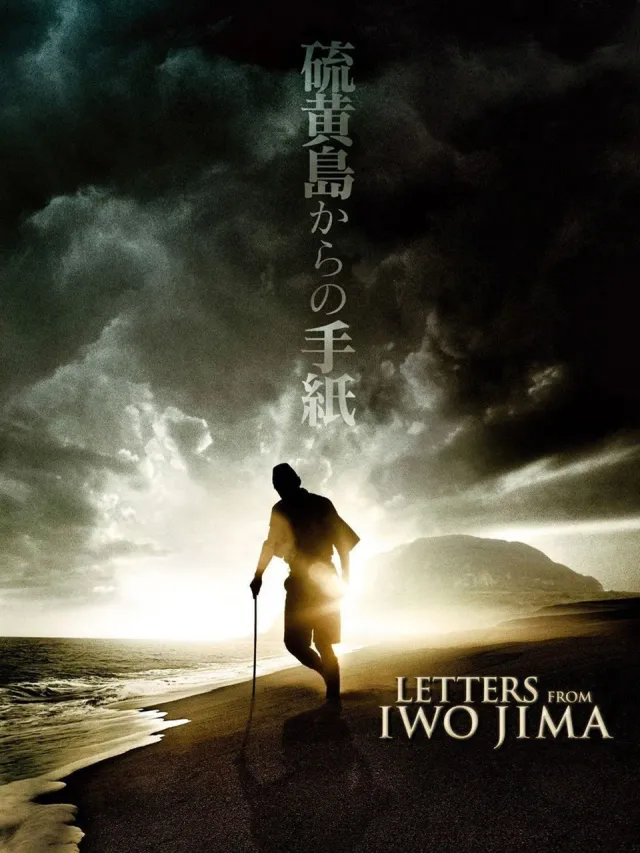
As U.S. forces approach Iwo Jima in 1945, Japanese soldiers prepare to defend an island they know they may not survive. Letters and flashbacks follow General Kuribayashi, Saigo the baker and other men whose motives range from duty and fear to attachment to families at home. Their human individuality complicates the language of national honor without making the film a full account of the Pacific War or Japanese imperial responsibility. Clint Eastwood’s Japanese-language companion to Flags of Our Fathers focuses on one selected military perspective; it does not stand for every Japanese soldier or civilian. The battle’s underground tunnels and fragmented correspondence turn defense into an intimate, enclosed ordeal, while the historical context remains larger than the film’s sympathetic frame.
A search for food turns into a test of conscience when two partisans are captured and forced to choose under pressure.
Why this matches +
These films explore a related idea in a different setting, genre or style.
An adjacent discovery: a related idea with a different viewing experience.
Genres: Drama / War
Shared film traits
Based on recorded story, mood and style. Your preferences can change the order.
War and civilian life
What changes Its own story: A search for food turns into a test of conscience when two partisans are captured and forced to choose under pressure.
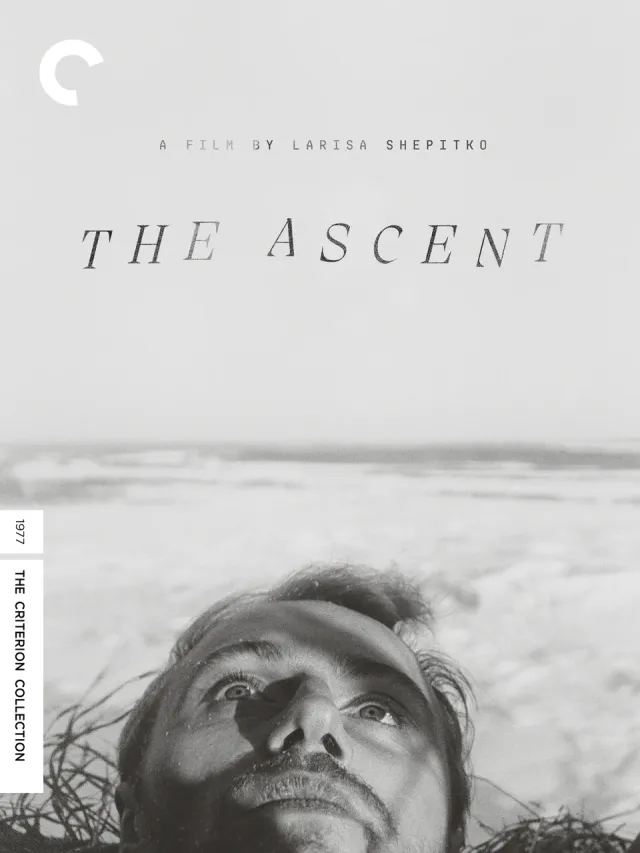
During the Second World War, Soviet partisans Sotnikov and Rybak leave their unit to find food for their comrades. A German patrol wounds Sotnikov, and the men seek shelter in a village home before they are discovered and captured with its owner, Demchikha. Under interrogation by a local collaborator, Sotnikov refuses to betray others and endures torture. Rybak faces a different test as fear and the promise of survival press him toward a decision that will define his moral relationship to his companion.
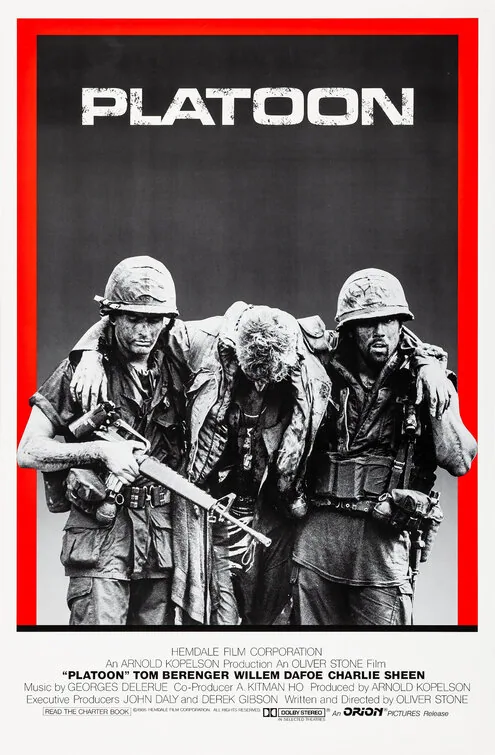
A young American volunteer arrives in Vietnam expecting a test of courage and finds exhaustion, fear and a unit divided between two experienced sergeants. Their conflicting responses to civilians and perceived betrayal turn the platoon's internal loyalties into another source of danger. The recruit's effort to understand what kind of soldier he can become is overtaken by acts that blur the separation between survival, obedience and moral responsibility.
What drives the story
Repeated patrols expose a recruit to an escalating division within his own unit, making combat inseparable from a struggle over the conduct of war.
The people at its centre
Two sergeants offer competing models of authority, while the novice's dependence on the group limits his ability to resist its cruelty or vindicate his ideals.
What it feels like
Immersive jungle encounters alternate with weary base life and moments of graphic atrocity, producing disillusionment rather than a clean progression toward mastery.
Worth knowing
The central formation is moral injury inside a divided unit, not an affirmative military-training story or a broad strategic history of the conflict.