Based on recorded story, mood and style. Your preferences can change the order.
War and civilian life · Survival
What changes The Ascent: deliberate, intensifying and tragic. Dara of Jasenovac: dread-filled, harsh escalation and survival-focused.
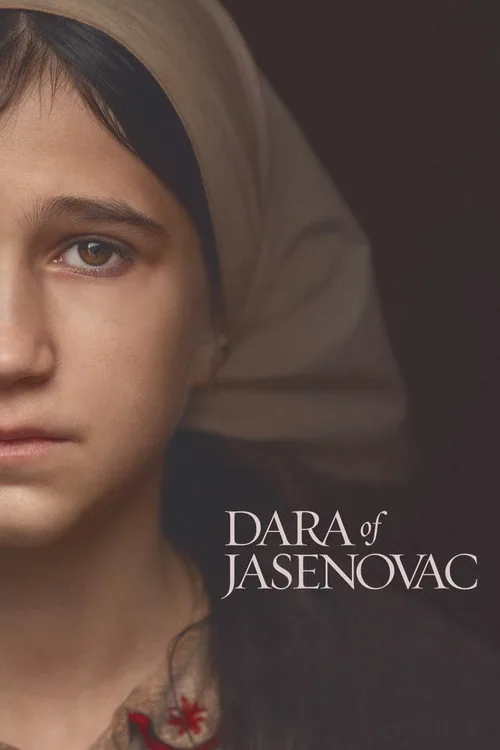
During the Second World War, a young girl named Dara and her family are sent to the Jasenovac concentration camp, where the Ustaše regime imprisoned and murdered Serbs, Jews, Roma, and political opponents. The story follows Dara’s attempts to protect her younger brother and preserve family bonds amid forced separation and extreme violence. Based on survivor testimonies, the Serbian historical drama places a child’s point of view within the reality of mass atrocity. It contains explicit material about genocide, camp violence, and children in danger.
Both share themes of war, plus a somber atmosphere.
Why this matches +
Genres: Drama / War
Shared film traits
Based on recorded story, mood and style. Your preferences can change the order.
Survival
What changes The Ascent: deliberate, intensifying and tragic. Tangerines: contained and gradual.
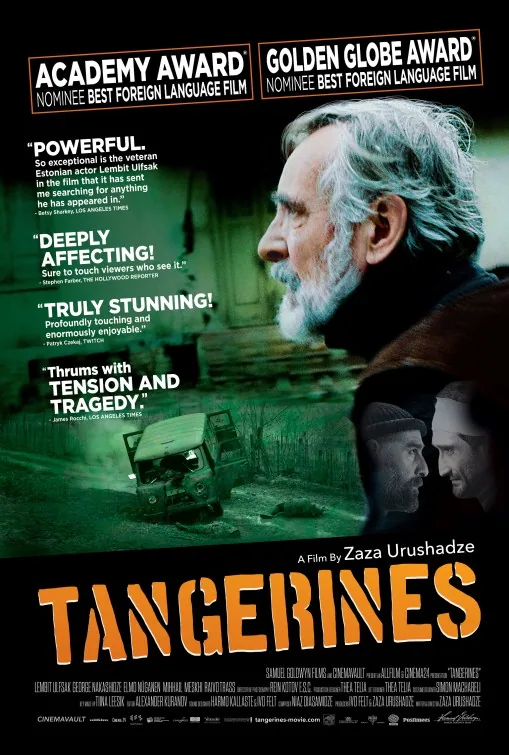
In a small village during the war in Abkhazia, Ivo and his neighbor Margus are among the last Estonians who remain. After a nearby clash leaves wounded soldiers on both sides in their care, the villagers must decide how to treat enemies sharing the same confined space. Zaza Urushadze makes the antiwar drama a study in hospitality and restraint, allowing everyday decisions to challenge inherited divisions.
Based on recorded story, mood and style. Your preferences can change the order.
War and civilian life
What changes The Ascent: deliberate, intensifying and tragic. Downfall: measured and intense.
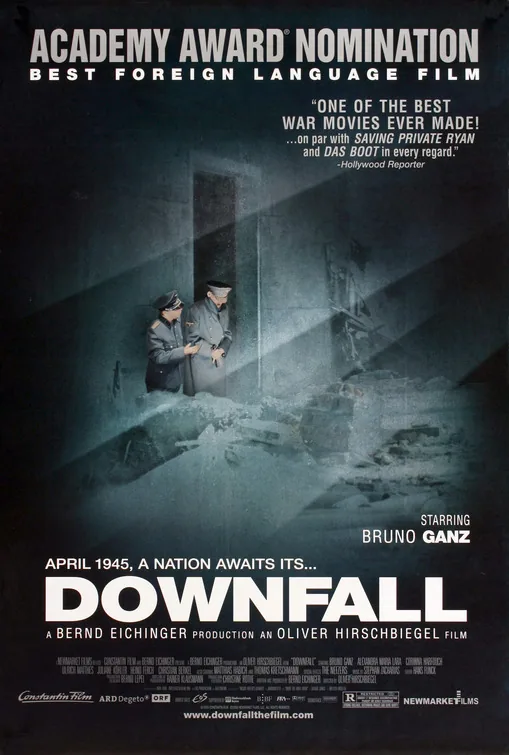
As Soviet forces close on Berlin, the German leadership and its staff remain inside a bunker where official orders increasingly contradict the military reality outside. A secretary's proximity offers access to routines, loyalties and private exchanges that coexist with the regime's continuing destruction. Responses to collapse range from practical attempts to leave to fanatical insistence on obligations whose human cost has long exceeded any plausible strategic purpose.
Based on recorded story, mood and style. Your preferences can change the order.
War and civilian life · Survival
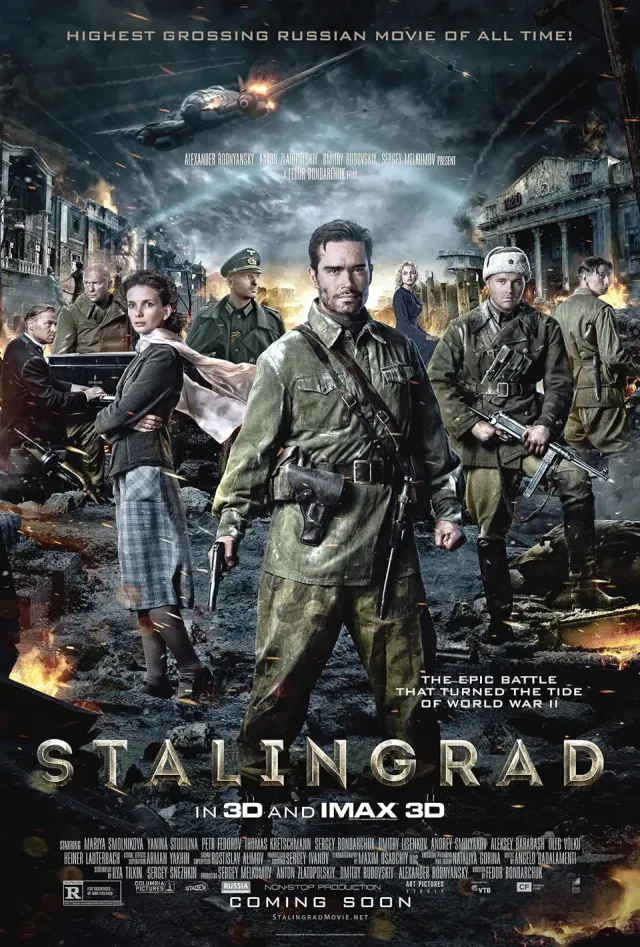
What changes The Ascent: deliberate, intensifying and tragic. Stalingrad: battle-driven and interwoven.
After a rescue effort in 2011, a Russian emergency worker recounts a family story set during the Battle of Stalingrad. In 1942, a group of Soviet soldiers occupy a damaged building and protect a young woman amid the city’s destruction. Fyodor Bondarchuk combines large-scale war spectacle with a melodramatic account of survival, memory and attachment, using the building as a temporary refuge within a battlefield that keeps closing in.
Based on recorded story, mood and style. Your preferences can change the order.
War and civilian life · Survival
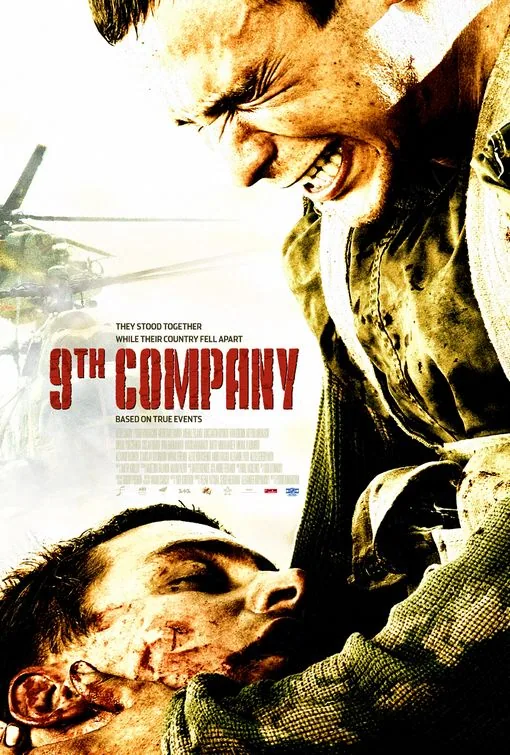
What changes The Ascent: deliberate, intensifying and tragic. The 9th Company: training-to-battle arc and siege climax.
A group of Soviet conscripts train in Central Asia before being sent to Afghanistan near the end of the Soviet-Afghan War. Their severe instructor Dygalo, himself shaped by combat, pushes the recruits through harsh preparation, and the men form close bonds before deployment. The film culminates in a fictionalized defense of a remote hill position based on the 1988 Battle of Hill 3234, where it portrays the company as nearly wiped out. The actual 39-man Soviet defense lost six soldiers, with 28 wounded; the film is an intense dramatization, not a reliable record of the battle or the wider war.
Based on recorded story, mood and style. Your preferences can change the order.
War and civilian life
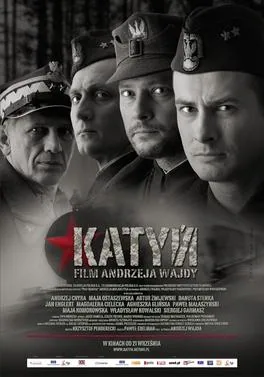
What changes The Ascent: deliberate, intensifying and tragic. Katyń: nonlinear and measured.
After the 1939 partition of Poland, a community waits through war for news of husbands, sons and brothers taken into Soviet custody. Andrzej Wajda follows several families as German and Soviet authorities issue competing accounts of the Katyn killings, and survivors face pressure to repeat the official version. The final sequence shows the executions with an unflinching documentary-like duration, giving historical violence an intimate human scale. Its attention to Polish experience and decades of suppressed memory is powerful, but the film’s selected perspectives cannot stand in for every Polish or Soviet experience. Distinguish its commemorative purpose and family stories from the broader historical record of the massacre and the propaganda that long obscured responsibility.
Both share themes of betrayal, plus a somber atmosphere.
Why this matches +
Genres: Action / Adventure
Shared film traits
Based on recorded story, mood and style. Your preferences can change the order.
War and civilian life · Political resistance
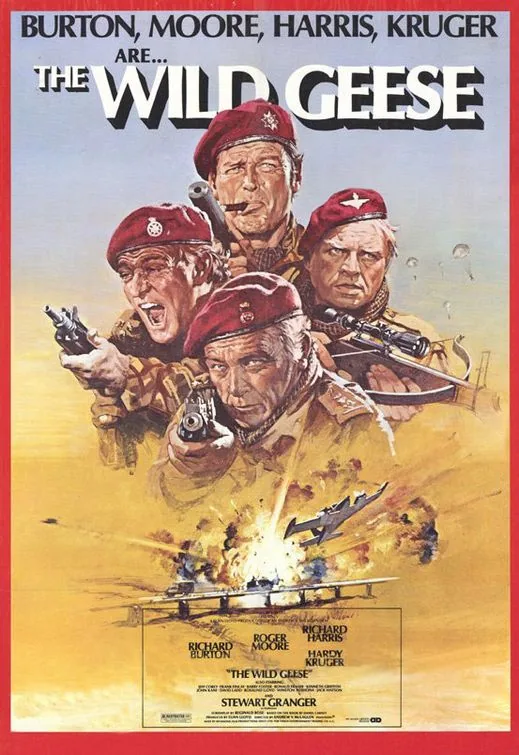
What changes The Ascent: deliberate, intensifying and tragic. The Wild Geese: mission-driven, escalating and combat-focused.
Mercenary officer Allen Faulkner is hired by a financier to rescue Julius Limbani, a deposed African president held in a guarded prison. Faulkner recruits former soldiers and specialists, including tactician Rafer Janders and pilot Shawn Fynn, and trains them for the operation. The mission succeeds, but the group soon learns that their employer has changed his political plans and may leave them stranded. The men must decide whether to complete the rescue and find a way out while facing betrayal, shifting loyalties, and overwhelming military opposition.
Based on recorded story, mood and style. Your preferences can change the order.
War and civilian life · Political resistance
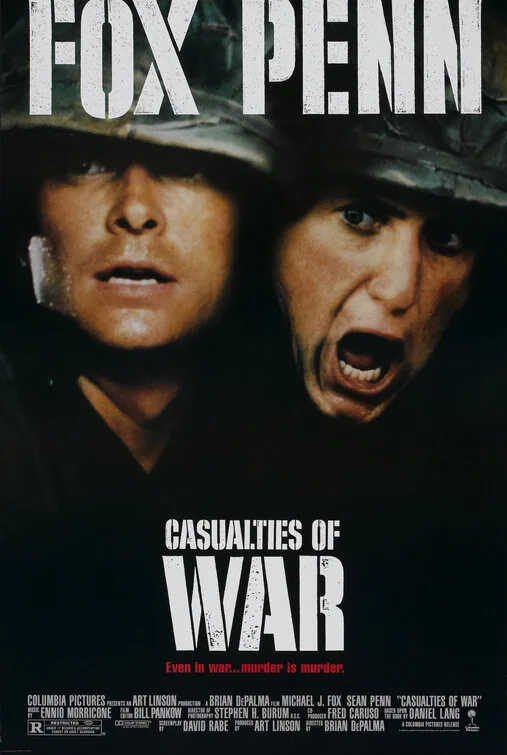
What changes The Ascent: deliberate, intensifying and tragic. Casualties of War: escalating.
During the Vietnam War, American soldier Eriksson witnesses his squad's abduction and abuse of a Vietnamese girl. When he refuses to accept the crime as an unavoidable part of war, he challenges the men around him and tries to report what happened through a chain of military authority. His resistance brings him into conflict with his sergeant and peers, making the choice to testify a test of conscience under battlefield pressure.
Based on recorded story, mood and style. Your preferences can change the order.
War and civilian life
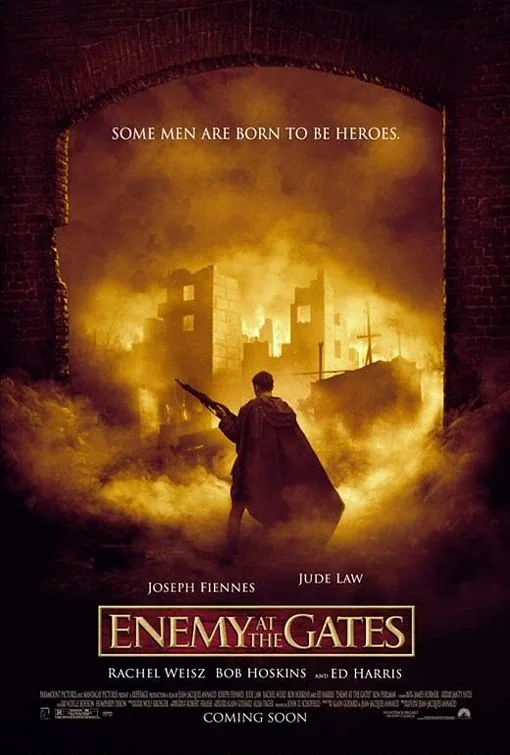
What changes The Ascent: deliberate, intensifying and tragic. Enemy at the Gates: measured.
A Soviet soldier's skill as a sniper makes him valuable to a political officer seeking a figure who can restore morale in besieged Stalingrad. Public elevation draws an opposing marksman into a duel whose symbolic meaning exceeds the two men's immediate task. Friendship and romantic rivalry intersect with the machinery promoting the hero, making survival depend on seeing both an enemy's position and the expectations created by one's own side. A sniper duel narrows Stalingrad into personal suspense, subordinating the battle’s scale to a media and rivalry plot.
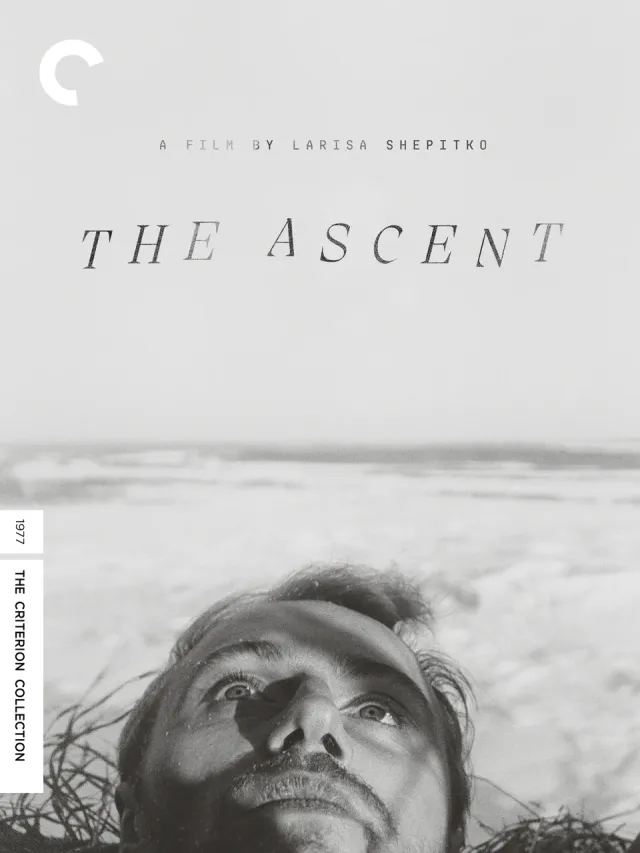
During the Second World War, Soviet partisans Sotnikov and Rybak leave their unit to find food for their comrades. A German patrol wounds Sotnikov, and the men seek shelter in a village home before they are discovered and captured with its owner, Demchikha. Under interrogation by a local collaborator, Sotnikov refuses to betray others and endures torture. Rybak faces a different test as fear and the promise of survival press him toward a decision that will define his moral relationship to his companion.
What drives the story
A search for food turns into a test of conscience when two partisans are captured and forced to choose under pressure.
The people at its centre
Sotnikov's steadfastness contrasts with Rybak's struggle to survive, while their captors weaponize personal weakness.
What it feels like
Spare winter imagery and measured pacing keep attention on moral decisions rather than battlefield spectacle.
Worth knowing
This is an intimate ethical drama about captivity and conscience, not a study of military strategy.
Moral choiceFaithBetrayal
Mood
Somber · Severe · Meditative
Pacing
Deliberate · Intensifying · Tragic
Visual style
Snowbound locations · Stark monochrome photography · Faces in close-up